Calcium Carbonate Grinding
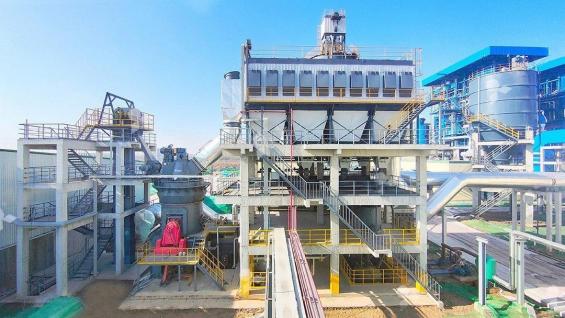
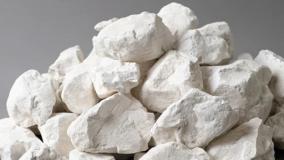
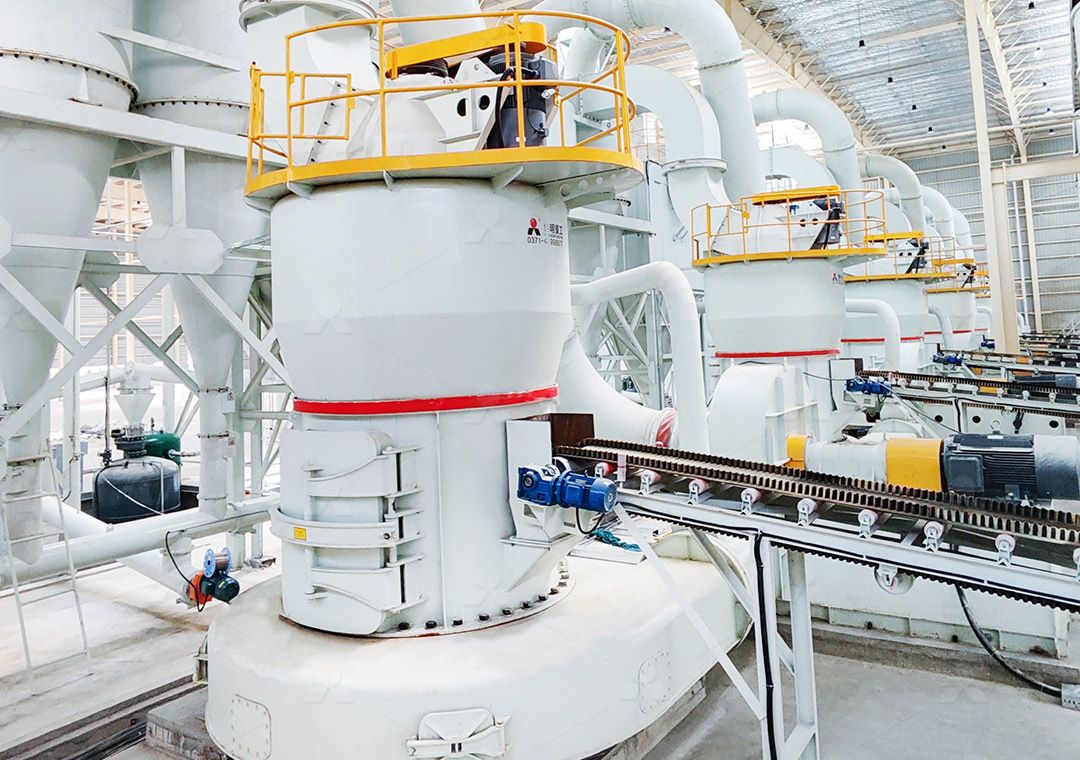
GCC powder production for industrial filler applications, with the grinding system selected according to target fineness and required production capacity.
Grinding and powder processing solutions for Australian industrial mineral projects, covering limestone, calcium carbonate, dolomite, barite, bentonite, kaolin, talc, gypsum and other non-metallic minerals.
Grinding systems can be configured according to material properties, feed size, production capacity, target fineness and final application.

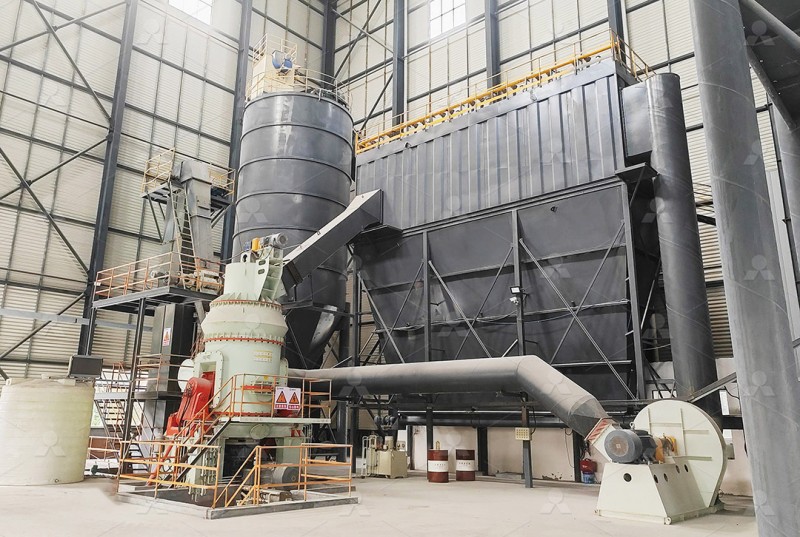
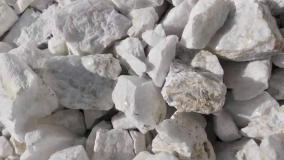
Grinding solutions for construction materials, FGD and industrial limestone powder.
Explore Limestone Grinding →
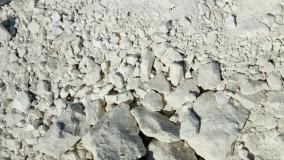
GCC grinding solutions from conventional filler grades to fine and ultrafine powders.
Explore Calcium Carbonate →
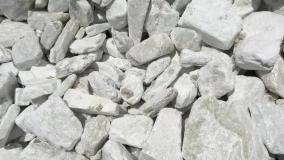
Powder processing solutions for construction, agriculture, ceramics and industrial fillers.
Explore Dolomite Grinding →
Grinding solutions for drilling-grade and industrial barite powder applications.
Explore Barite Grinding →
Grinding and classification solutions for bentonite powder applications.
Explore Bentonite Grinding →
Fine grinding solutions for ceramic, coating, filler and other kaolin powder applications.
Explore Kaolin Grinding →
Grinding solutions for talc powders used in plastics, coatings, ceramics and fillers.
Explore Talc Grinding →
Grinding solutions for gypsum powder used in plaster, construction and industrial applications.
Explore Gypsum Processing →The same mineral may require different grinding specifications depending on its downstream application.
Limestone, dolomite, gypsum and other mineral powders for building material applications.
Calcium carbonate, kaolin, talc and dolomite for fillers, coatings and related industries.
Barite, bentonite and selected mineral powders for drilling applications.
Kaolin, feldspar, quartz and other mineral raw materials requiring controlled powder size.
Limestone, dolomite, bentonite and other mineral powders for agricultural applications.
Selected reference applications showing how grinding technology can be matched to material, capacity, fineness and final application.

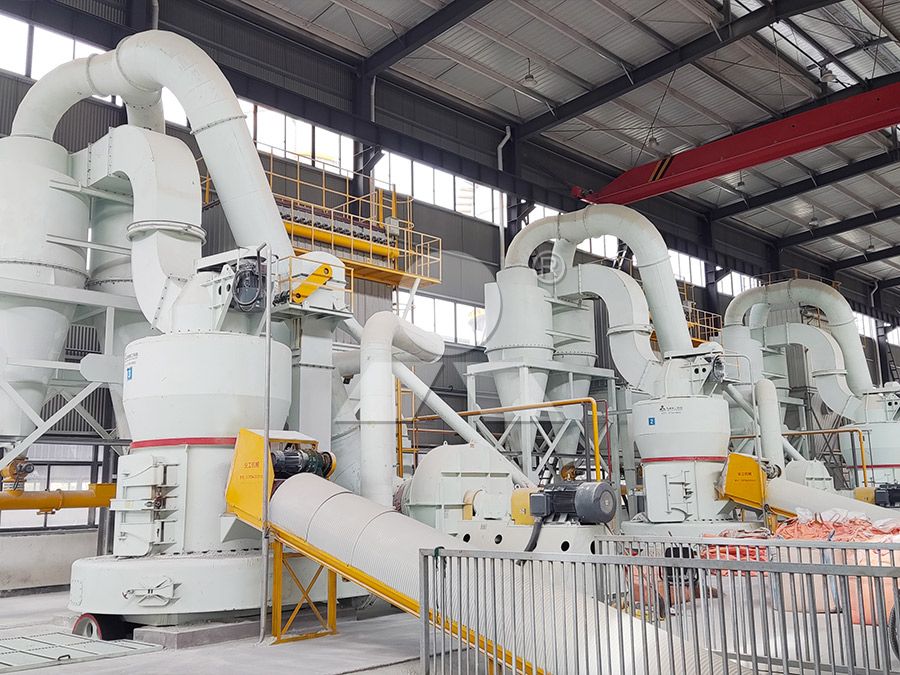
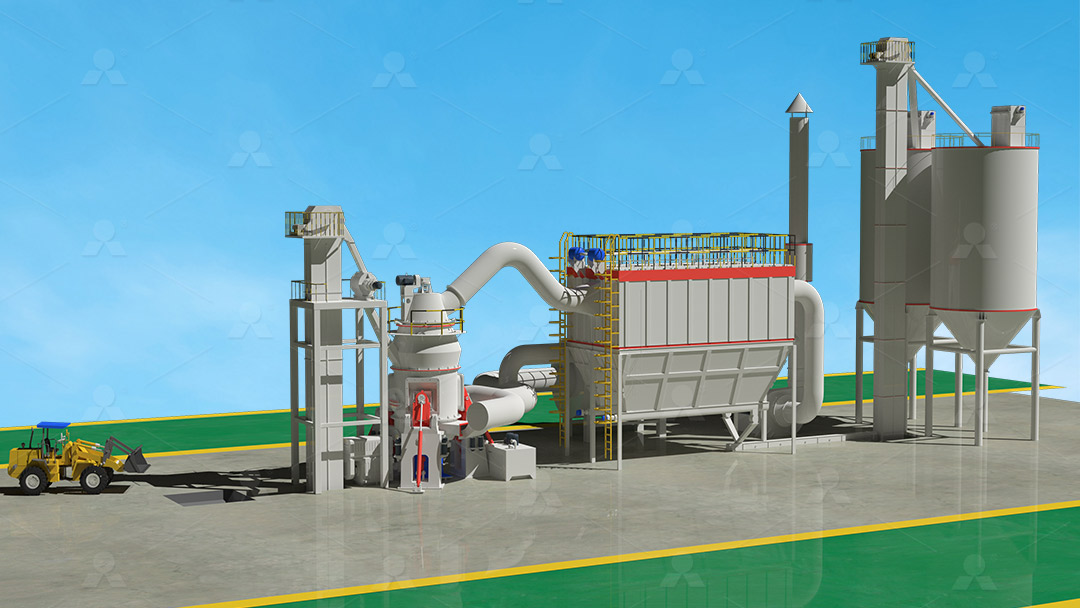
GCC powder production for industrial filler applications, with the grinding system selected according to target fineness and required production capacity.

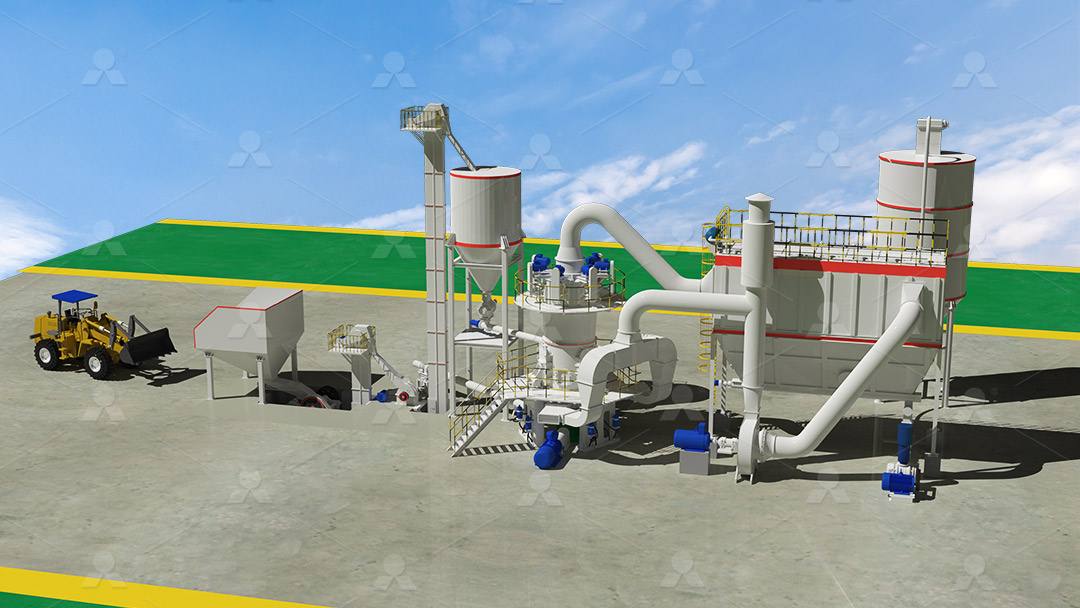
A grinding configuration for controlled barite powder production serving drilling and industrial mineral applications.

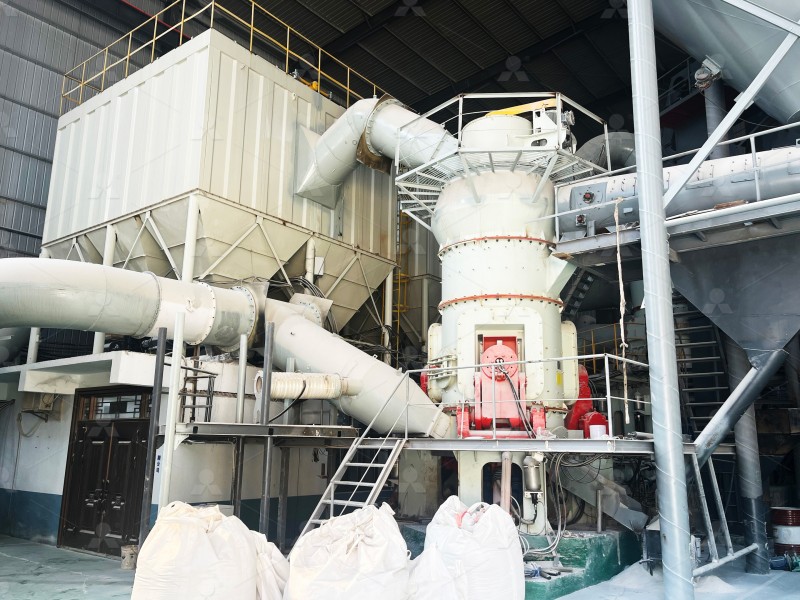
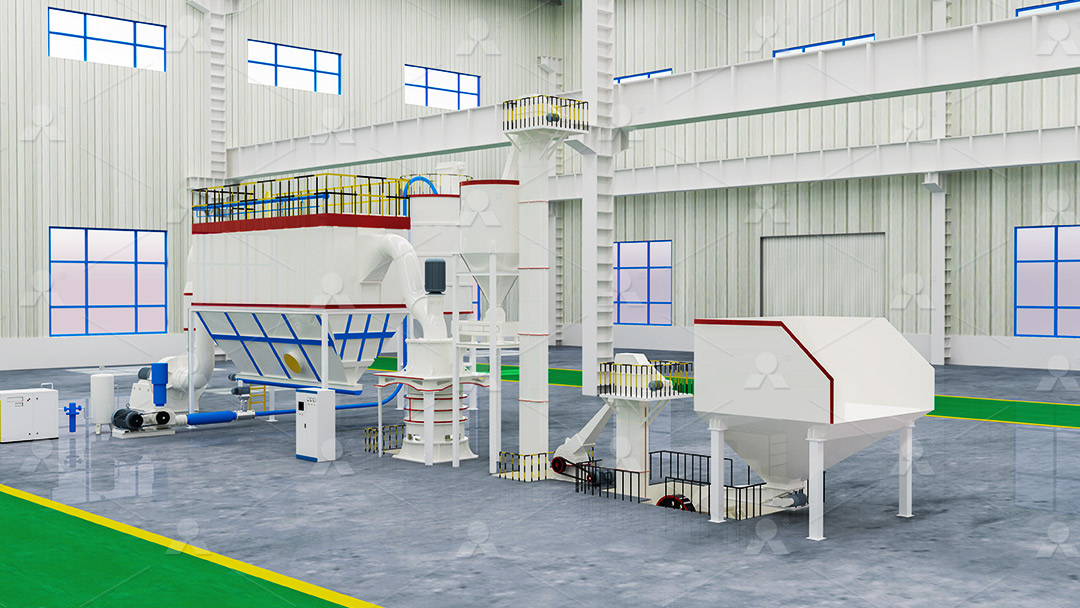
Grinding and classification for bentonite powder, configured around production capacity and required product fineness.

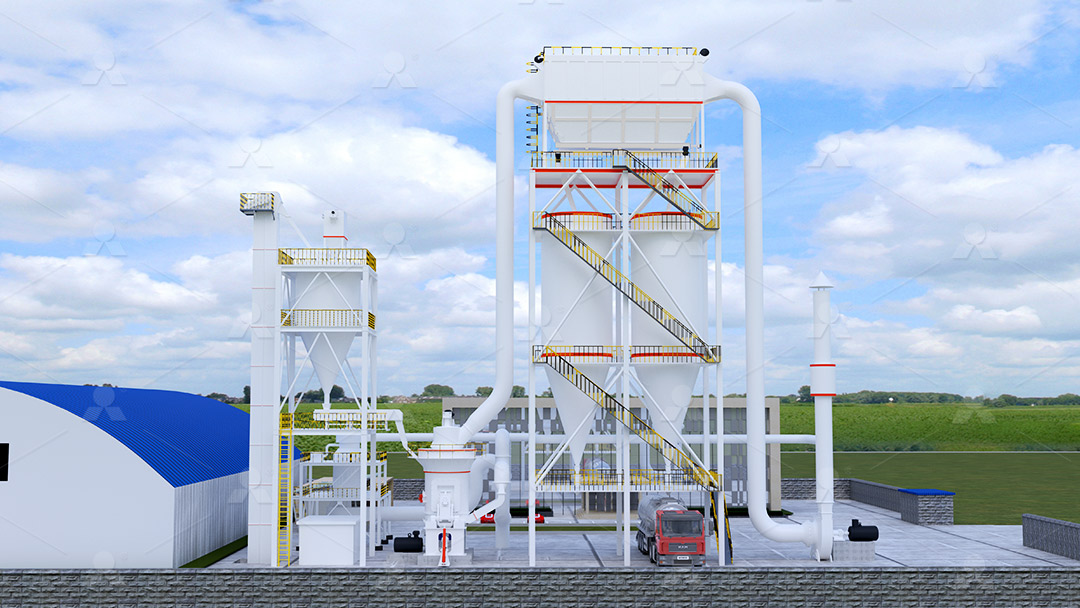
A complete crushing-to-grinding process for talc powder production, with mill capacity matched to the required output.
Target powder fineness is one of the main factors used to determine the appropriate grinding and classification technology.
For selected construction, agricultural and basic industrial mineral applications.
A common range for limestone, calcium carbonate, barite, bentonite and other industrial powders.
For applications requiring finer particle sizes and more controlled classification.
For selected filler, coating and advanced mineral powder applications.
Liming offers different grinding mill configurations for conventional fine grinding, high-capacity production and selected ultrafine powder applications.
For large-capacity continuous grinding and demanding industrial mineral applications, with integrated grinding and classification options.
View LM Mill →For conventional fine powder production of limestone, calcium carbonate, dolomite, barite, talc, gypsum, bentonite and other suitable minerals.
View MTW Raymond Mill →For selected ultrafine mineral powder applications requiring controlled particle-size distribution and fine classification.
View LUM Mill →For fine and ultrafine powder production where controlled classification and product fineness are important.
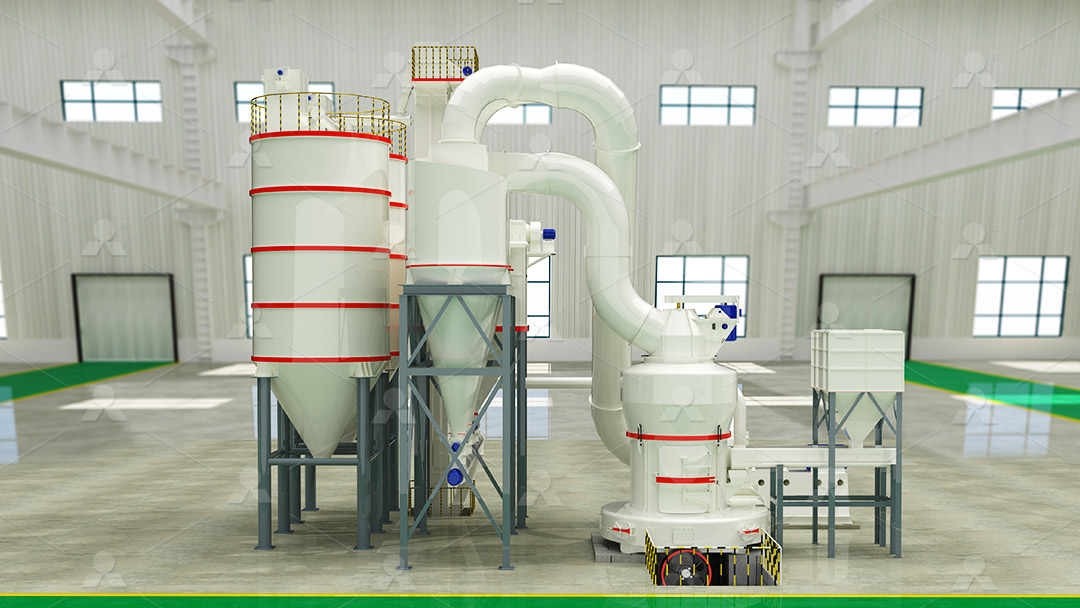
View MW Mill →A complete mineral powder plant combines feed preparation, grinding, classification, dust collection, conveying and finished-product handling around the required product specification.
Receiving & storage
Feed-size preparation
Particle-size reduction
Fine powder separation
Dust control & recovery
Conveying & packing
Project conditions should be considered together with material properties and final product requirements when designing a grinding system.
Grinding systems can be configured for stable continuous production and consistent finished-powder quality.
Integrated powder collection and conveying help maintain an enclosed and controlled processing environment.
Plant layout, automation, maintenance access, spare parts and technical support can be considered for remote project locations.
Mill selection starts with the required capacity and final powder specification rather than choosing equipment by material name alone.
Share the basic project information with our team. Equipment and process configuration can then be evaluated according to your material and finished-powder requirements.
Common questions about non-metallic mineral grinding and powder processing projects.
Liming grinding systems can be configured for many non-metallic minerals, including limestone, calcium carbonate, dolomite, barite, bentonite, kaolin, talc and gypsum, subject to material properties and project requirements.
Mill selection depends mainly on the material, feed size, required capacity, target fineness, moisture and final application. The complete project requirements should be evaluated together.
LM Vertical Grinding Mill and MTW Raymond Mill can be considered for conventional fine powder applications, while LUM Ultrafine Vertical Mill and MW Micro Powder Mill are designed for selected fine and ultrafine powder requirements.
The appropriate mill depends on the required fineness, capacity and application. MTW Raymond Mill can be considered for conventional fine GCC powder, while LUM and MW are available for selected finer and ultrafine applications.
A complete grinding line can be configured with crushing, feeding, grinding, classification, dust collection, conveying, finished-product storage and packing according to the project requirements.
The key information includes material, feed size, required capacity, target fineness and final application. Additional information about moisture, material characteristics and project conditions can further support equipment selection.
Tell us your material, capacity and target fineness for a project-specific evaluation.