

01
Raw Material & Feed Conditions
Identify the mineral and provide available information on feed size, moisture and relevant material properties.
From raw material feeding to finished powder packaging. Plan an integrated mineral grinding line around your raw material, finished-powder specification, production target and site conditions.
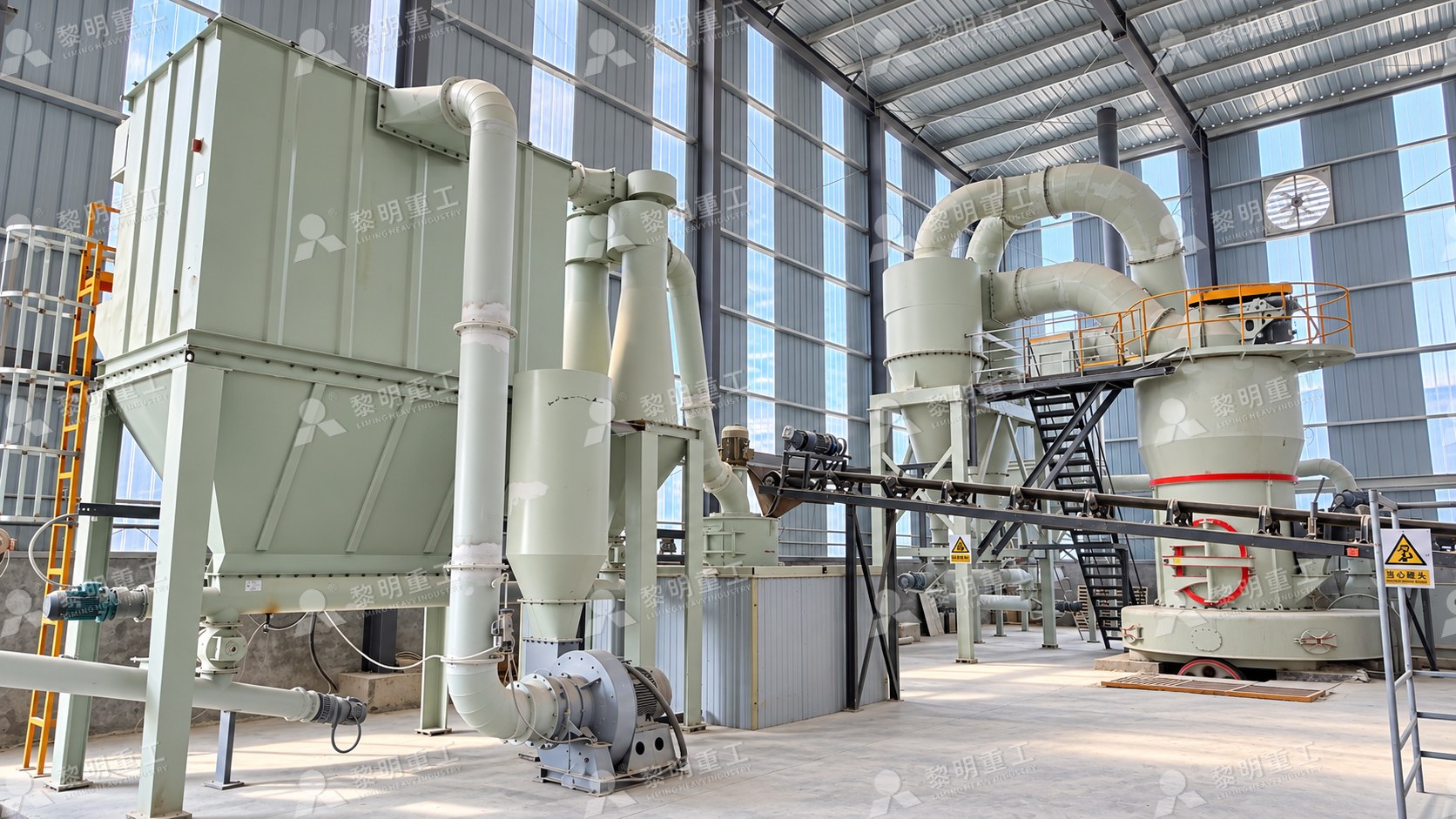
Start with the project requirements, not a short list of minerals. These details provide the basis for discussing the process, equipment and layout.
Identify the mineral and provide available information on feed size, moisture and relevant material properties.
Define the required fineness, particle-size distribution and relevant product quality requirements.
State the target hourly output and planned operating schedule.
Describe site conditions, existing facilities and finished-powder storage, packaging or loading needs.
A complete mineral grinding plant is planned as a connected production system—not simply a mill with a motor.
Buying a standalone grinding mill may suit a plant that already has compatible feeding, conveying, collection and storage equipment. A new production line needs a broader review of material flow, capacity balance, plant layout, dust control, product handling and system interfaces.
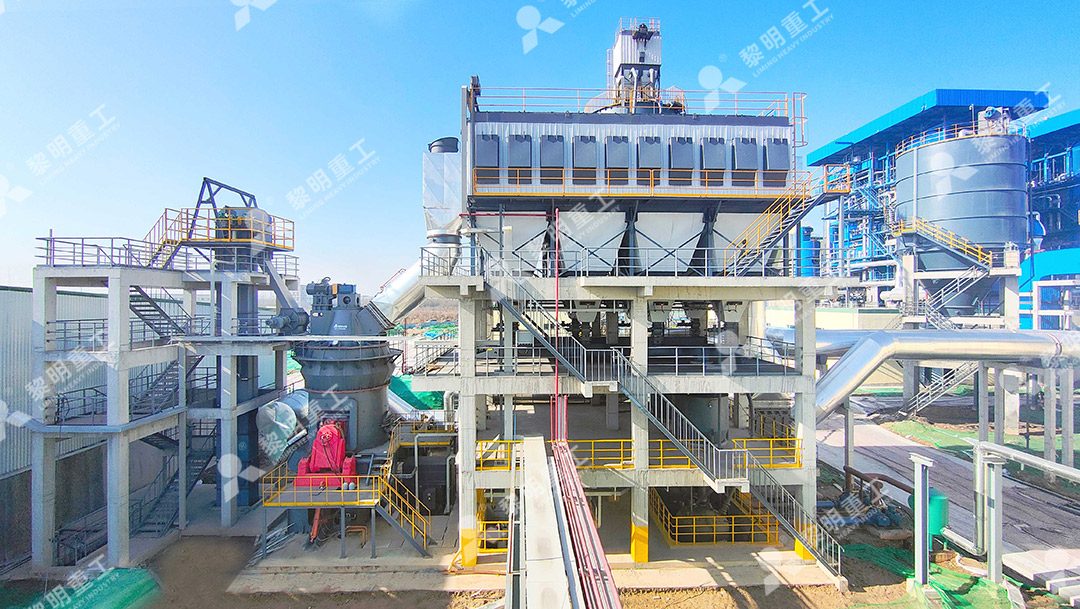
A typical line connects material preparation, grinding, powder collection and finished-product handling. Actual equipment arrangement depends on the feed condition and required product.
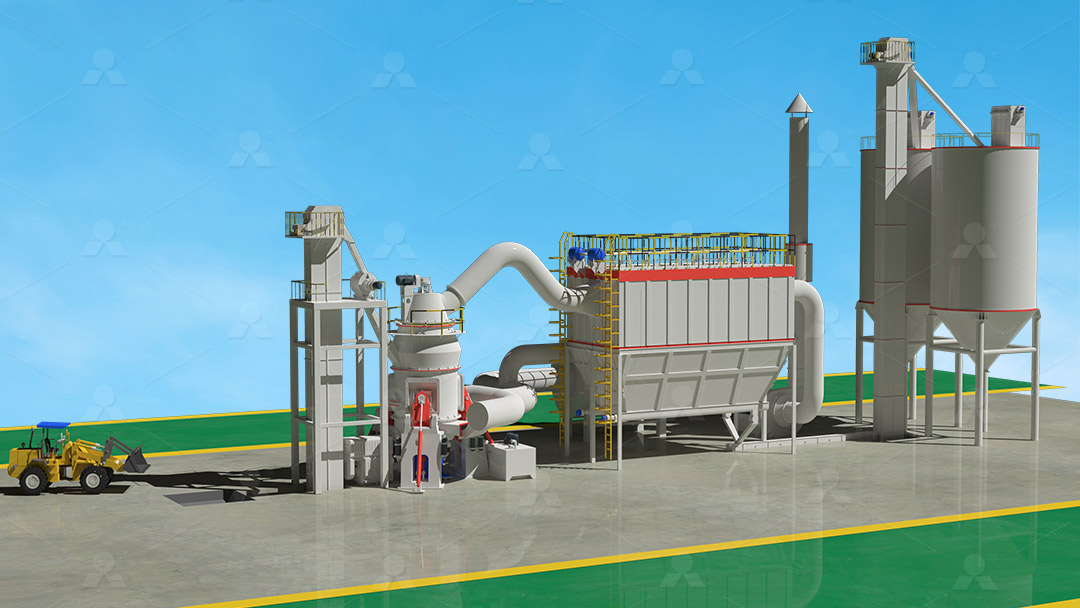
Review material properties, feed conditions, finished-powder requirements and output together. These routes are planning starting points, not fixed equipment packages.
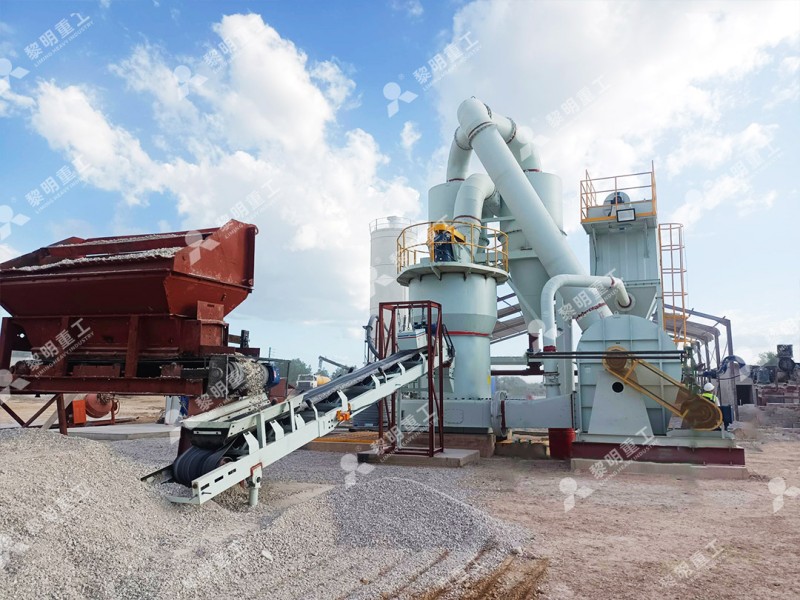
Define product fineness and hourly output, then review applicable grinding and classification configurations.
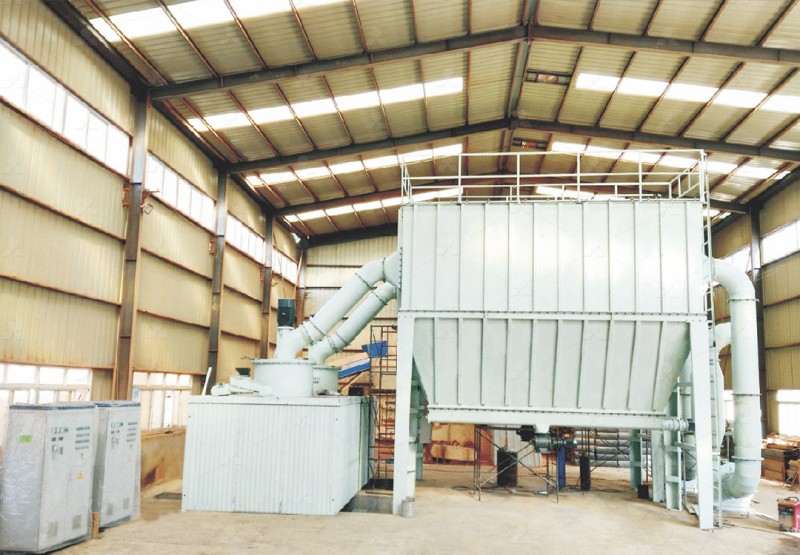
Specify the particle-size target and distribution before discussing equipment or throughput.
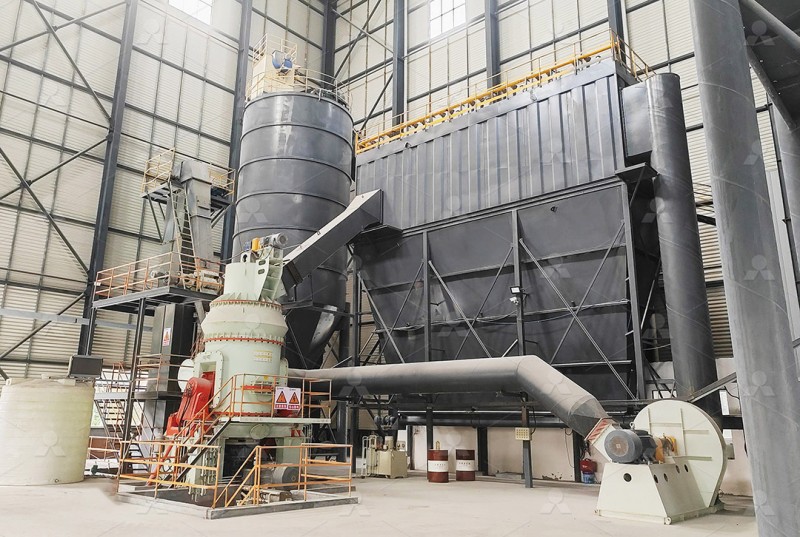
Balance the complete production line around target output and operating hours.
Review existing equipment and measured bottlenecks before defining an upgrade.
Equipment suitability and performance require confirmed material conditions, product specifications and project-specific technical review.
Auxiliary equipment should be selected to match the process and material flow, not added as an afterthought.
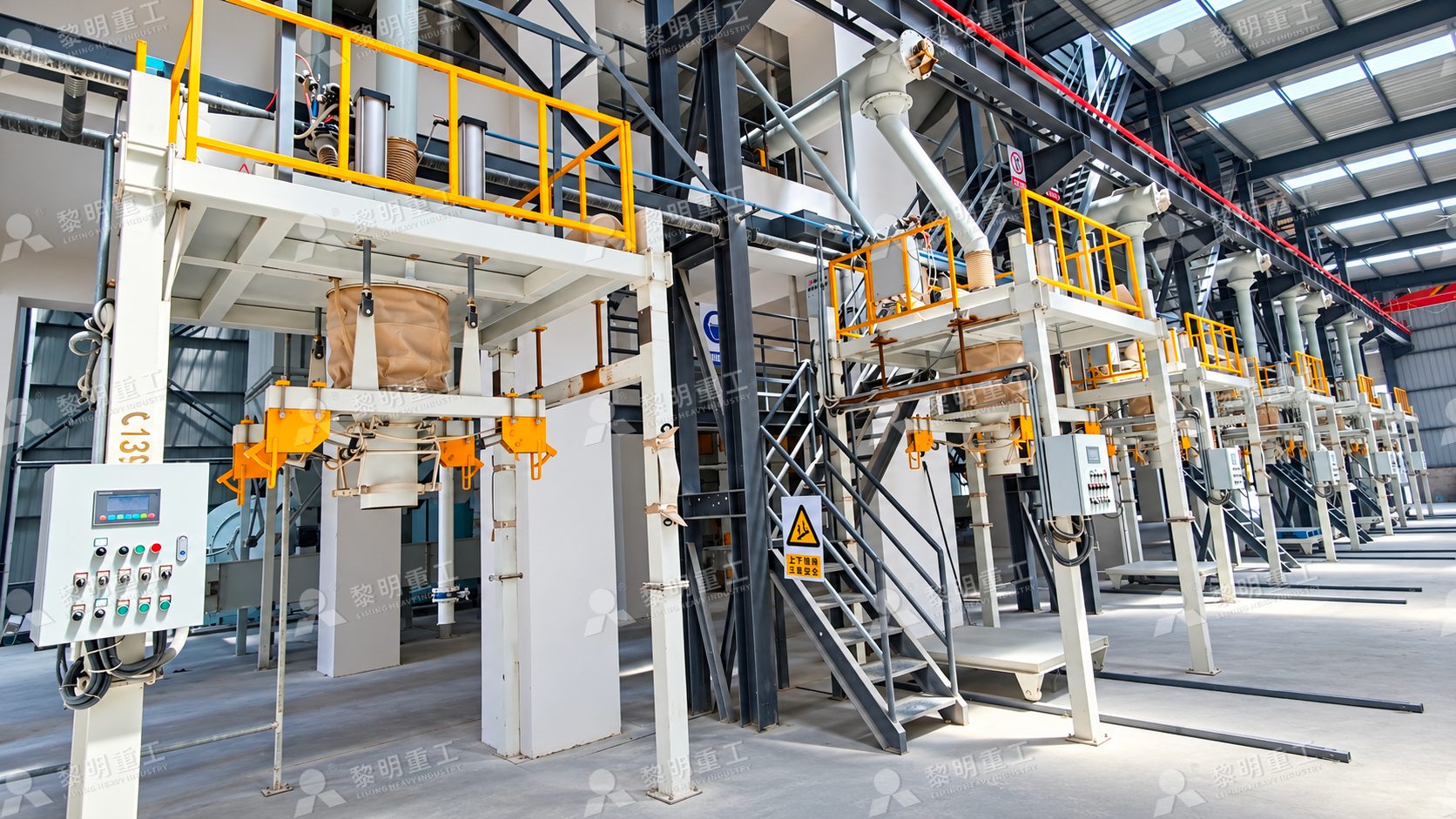
Feeders, elevators, belt or screw conveyors and transfer points help maintain stable material flow between process stages.
Classifiers and collection equipment help achieve the required product fineness and recover finished powder from the process stream.
Filter and duct arrangements should be designed around airflow, dust characteristics, transfer points and applicable site requirements.
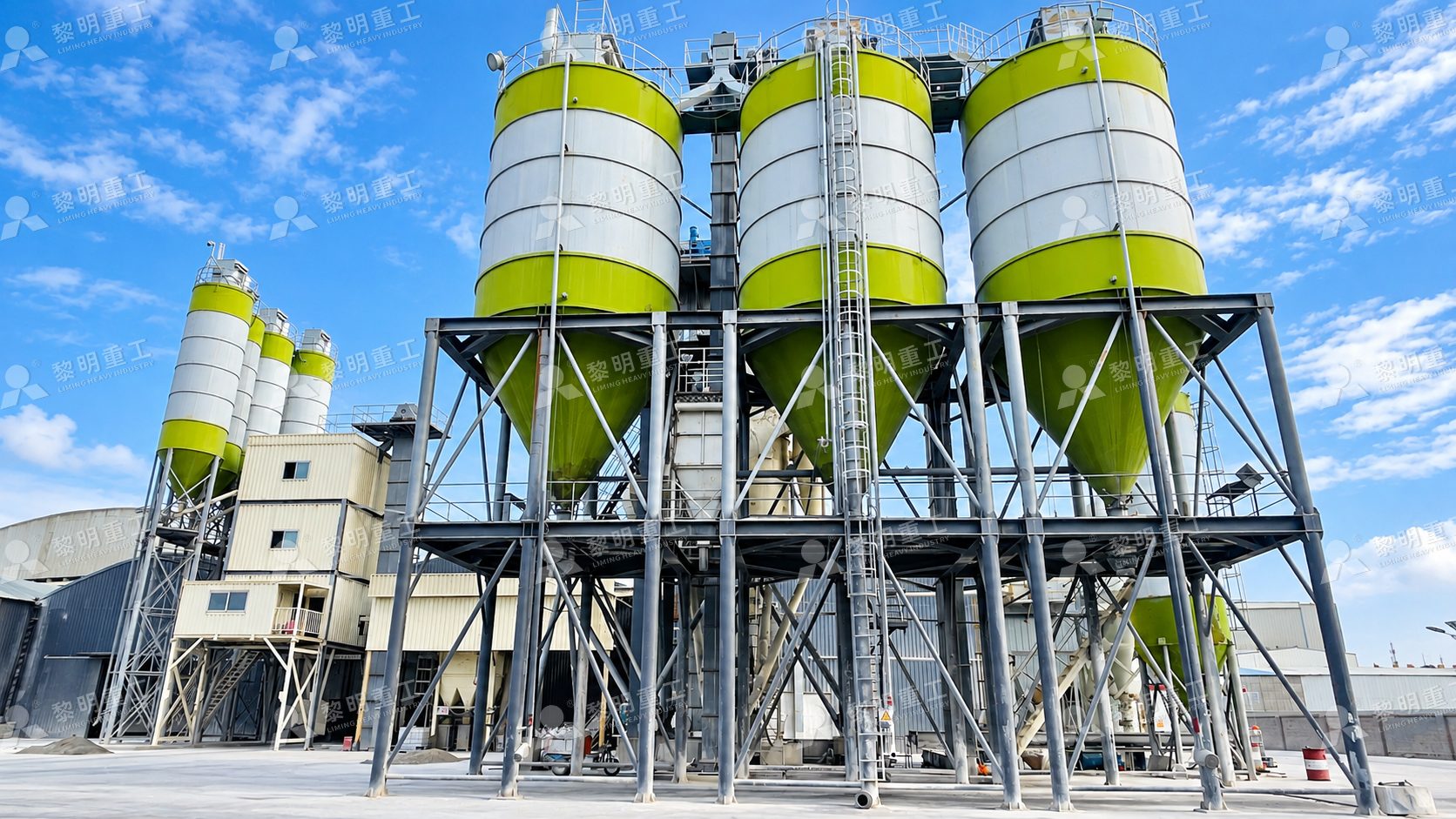
Finished-product silos, weighing, bagging or bulk loading should match the customer’s dispatch method and required handling capacity.
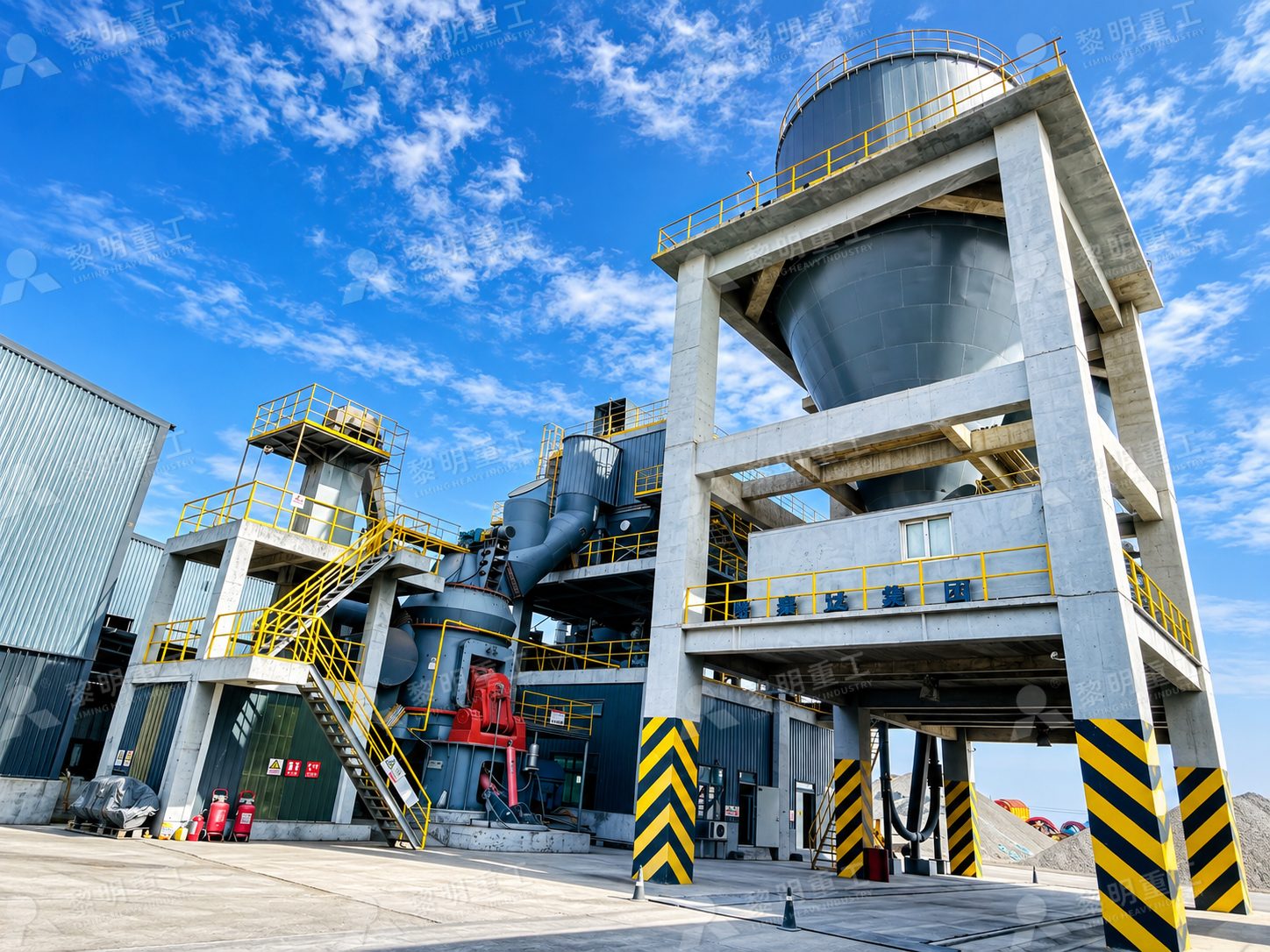
A practical plant layout considers more than the footprint of each machine. Equipment height, access for maintenance, conveying distances, dust duct routing and the movement of raw and finished materials all affect the final arrangement.
The final supply boundary should be agreed for each project. Equipment supply does not automatically mean that every civil, building, utility, installation or commissioning task is included.
| System or project element | What should be confirmed |
|---|---|
| Main grinding equipment | Mill type, capacity at the target fineness, feed conditions and required process configuration. |
| Feeding and conveying | Feeders, elevators, conveyors, hoppers and transfer-point responsibilities. |
| Classification and collection | Classifier, powder collection, dust filters, ducts and related process interfaces. |
| Storage and packaging | Product silo capacity, weighing, bagging or bulk loading and dispatch requirements. |
| Electrical and control | Control cabinet, field instruments, interlocks, wiring and the agreed division of responsibilities. |
| Site and project services | Foundations, building, utilities, transport, installation, commissioning and local work scope. |
Explore focused guides on plant planning, mill selection, auxiliary systems and project preparation.
A practical overview of the information and decisions needed before designing a complete production line.
Read the guide →Understand the main process stages and how the equipment connects from feed preparation to product handling.
Read the guide →Review the factors that affect throughput, including material properties, target fineness and operating conditions.
Read the guide →Compare grinding requirements by target fineness and understand why mesh alone may not define the finished product.
Read the guide →Learn how feed conditions and material characteristics influence mill choice and system configuration.
Read the guide →Understand why a target output must be assessed together with product fineness and material characteristics.
Read the guide →Review the role of filters, ducts and transfer-point dust control in an integrated grinding process.
Read the guide →Explore options for moving, storing and dispatching finished mineral powder.
Read the guide →Consider equipment arrangement, maintenance access, conveying distances and site conditions.
Read the guide →Learn which process, equipment, site and supply-scope variables influence a project budget.
Read the guide →Compare standalone equipment purchasing with coordinated planning for a complete production system.
Read the guide →Prepare material, capacity, fineness, site and product-handling details for a more useful technical discussion.
Read the guide →Common questions about process planning, equipment selection and project scope.
Share the information available so we can discuss the process, potential equipment configuration and supply scope.
Final equipment selection and supply scope are subject to technical review and project-specific agreement.


