Industry News
Barite Grinding Mill for Oil Drilling Applications in Saudi Arabia
2026-02-06 10:49:18
We are Liming Heavy Industry, a manufacturer of various types of industrial crushers, such as Raymond Mill, Trapezoidal Mill, Vertical Mill, Ultrafine Mill, Ball Mill, etc.
Our mills can process the following minerals:
limestone, quicklime, kaolin, talc, barite, bentonite, calcium carbonate, dolomite, coal, gypsum, clay, carbon black, slag, cement raw materials, cement clinker, etc.
If you need a mill to process stone or minerals into powder, please feel free to contact me (WhatsApp: +8615333807511). Thank you.
_1767930326613.jpg)
The Weight of Success: Strategic Barite Grinding for Saudi Arabia's Oil & Gas Sector
In the kingdom of oil, the quality of your drilling mud is non-negotiable. As a veteran in the non-metallic mineral processing industry, I have spent decades watching how a single variable—the specific gravity of barite—can dictate the safety and efficiency of a multi-million dollar drilling operation. In Saudi Arabia, where the heat is relentless and the geological pressure in the Ghawar or Safaniya fields demands precision, your choice of a grinding mill isn't just a procurement decision; it's a risk management strategy.
Bariteis the lifeblood of drilling fluids, used primarily as a weighting agent to counteract high formation pressures and prevent blowouts. However, to meet the stringent API (American Petroleum Institute) standards, barite must be ground to a specific fineness—typically 200 mesh or 325 mesh—without losing its high density through contamination or over-processing. For operators in Dammam, Jeddah, or the industrial hubs of Jubail, the goal is clear: high throughput, consistent particle size, and rock-solid reliability.
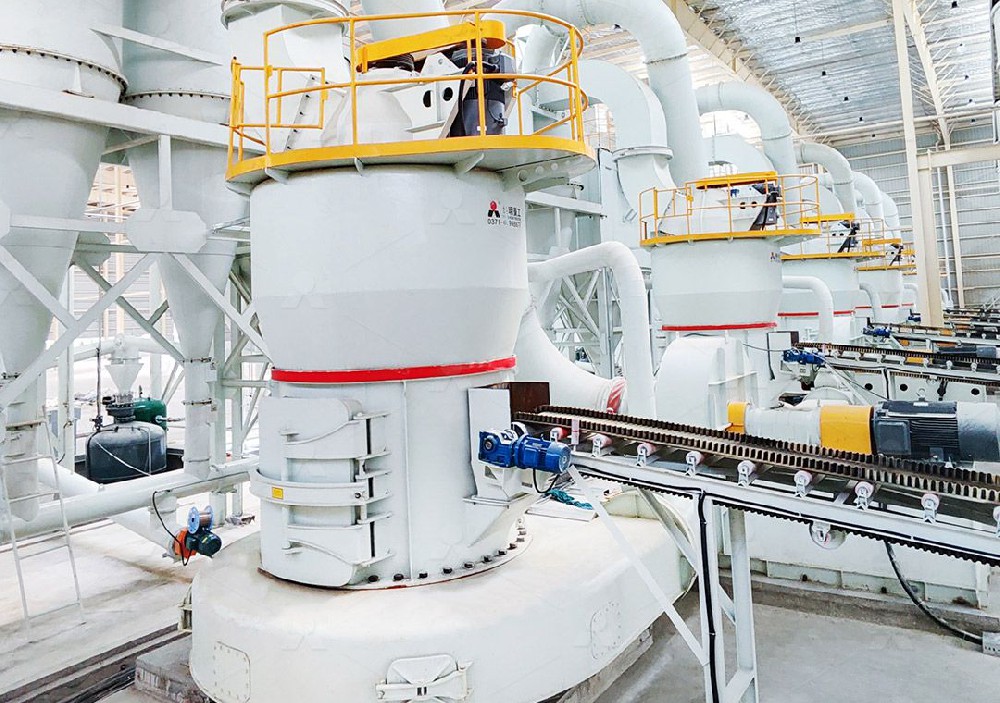
The Saudi Challenge: Why Standard Mills Often Fail
Grinding barite in the Middle East presents unique challenges. First, there is the abrasiveness. While barite is relatively soft on the Mohs scale, the associated impurities like quartz can chew through inferior grinding components. Second, there is the ambient temperature. Many mills struggle with heat dissipation when the outside temperature hits 45°C, leading to lubrication failure and unplanned downtime. This is why I consistently steer my clients toward the specialized engineering of Liming Heavy Industry.
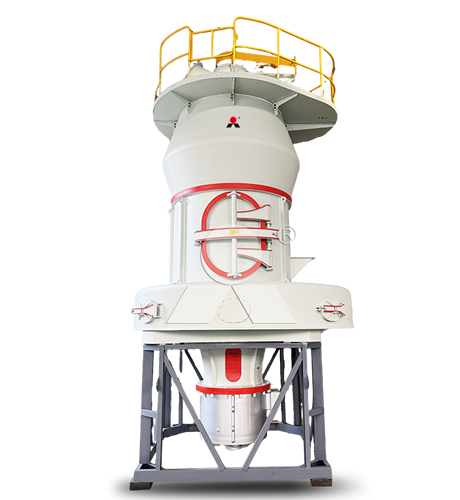
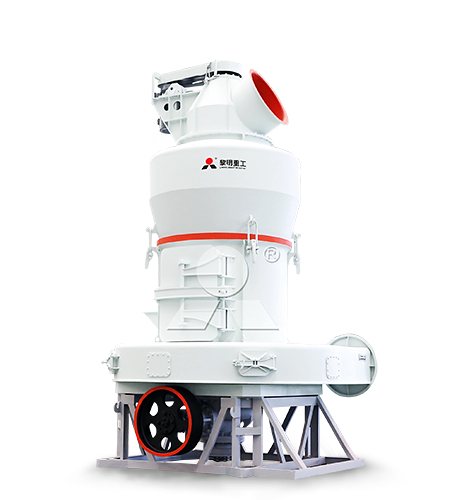
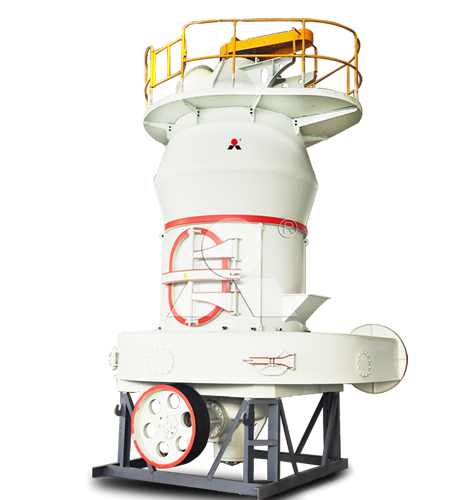
Solution A: The MTW European Trapezium Mill
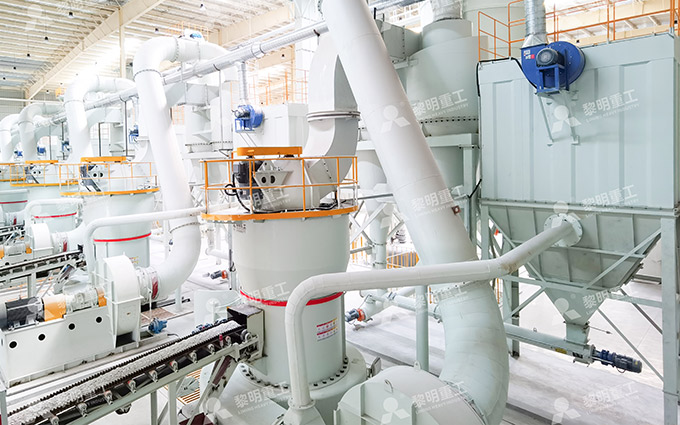
For mid-sized grinding plants providing barite to local mud service companies, the MTW European Trapezium Mill is my first recommendation. It is the sophisticated successor to the traditional Raymond mill, specifically designed to address the inefficiencies of older designs.
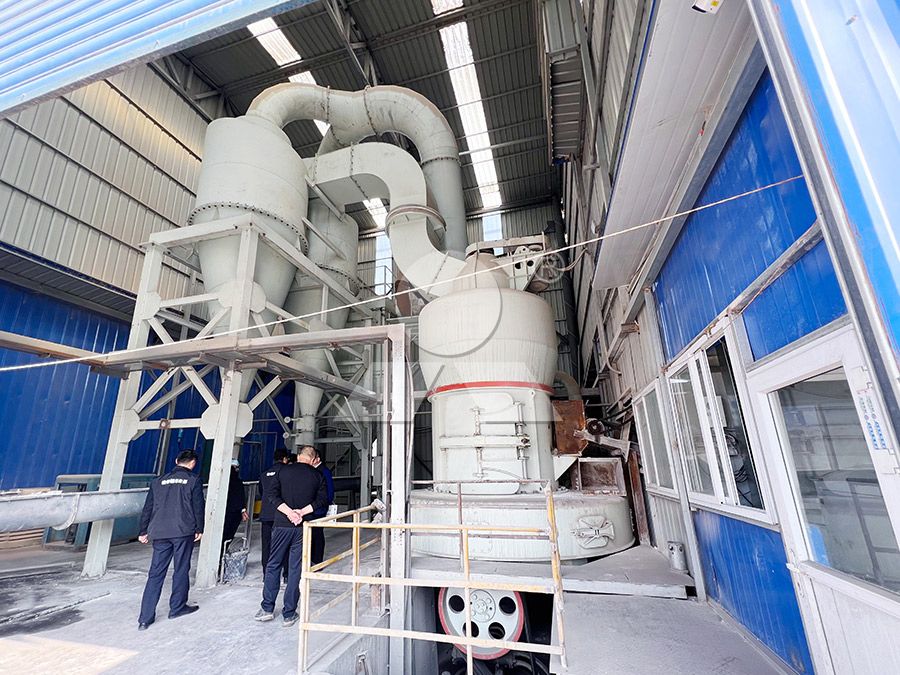
Enhanced Lubrication: Unlike older mills that require manual greasing, the MTW features an internal thin-oil lubrication system. This is a game-changer for Saudi operations, as it ensures the bearings stay cool even during 24/7 operation in the desert heat.
Adjustable Fineness: The API 13A standard is strict. The MTW's frequency-conversion classifier allows you to switch between 200 mesh and 325 mesh with digital precision, ensuring every bag of barite you ship meets the mud engineer's specs.
The "Trapezium" Advantage: The grinding rollers and rings are designed with a trapezium-shaped cross-section. This increases the contact area, significantly boosting grinding efficiency while reducing energy consumption per ton.
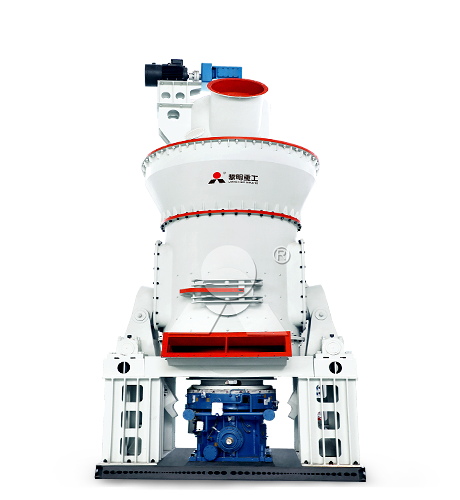
Solution B: The LM Vertical Roller Mill
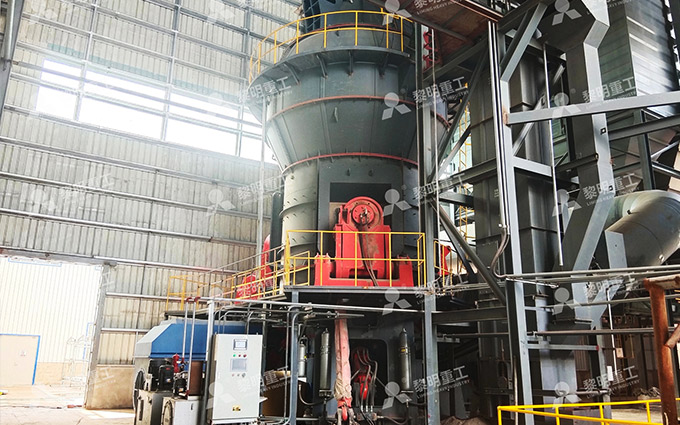
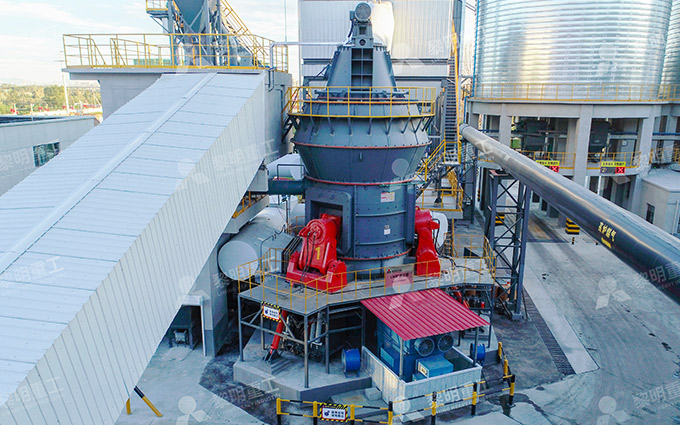
When we talk about high-capacity, industrial-scale barite production for the largest oilfield service providers, we talk about the LM Vertical Roller Mill (VRM). If you need to process 20 to 50 tons per hour of high-grade barite, this is the technology that dominates the market.
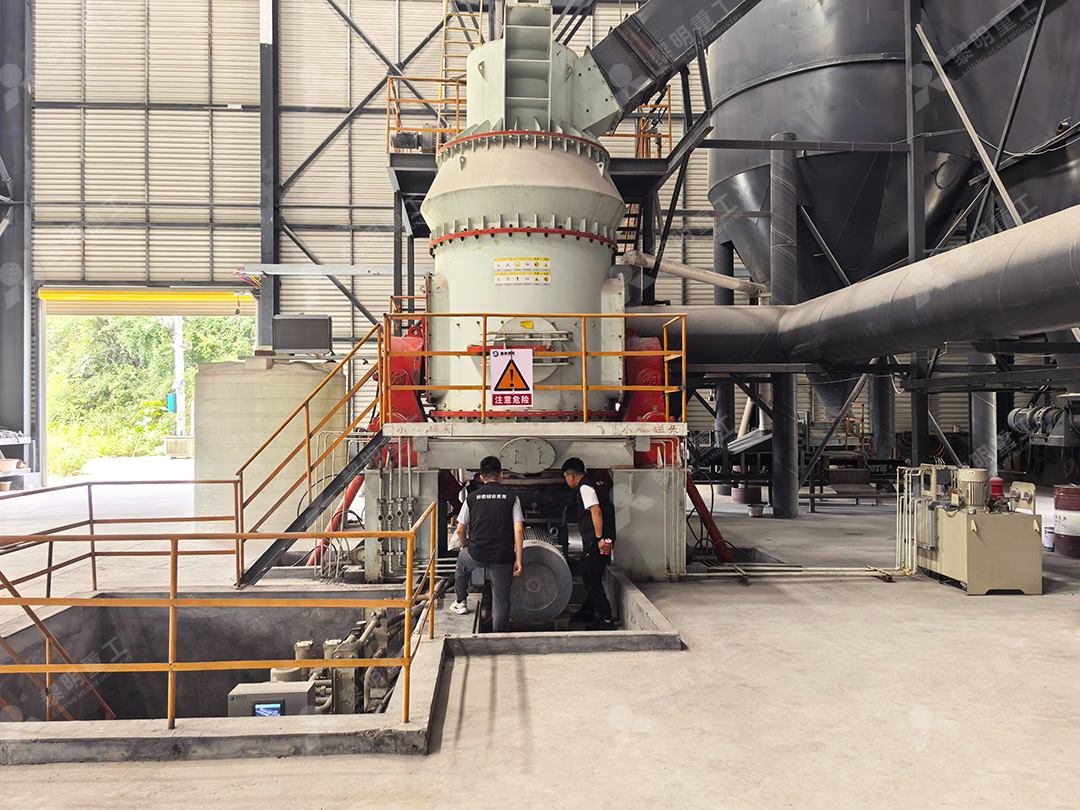
Integrated Processing: The LM Mill is a "four-in-one" powerhouse. It crushes, dries, grinds, and classifies in a single closed-loop system. This compact footprint is ideal for facilities where space is at a premium or where you want to minimize material handling.
Superior Particle Distribution: In drilling mud, the "Particle Size Distribution" (PSD) matters. Too many "ultrafines" can thicken the mud excessively. The LM mill uses a vertical grinding principle that produces a more uniform particle size with fewer over-ground fines compared to ball mills.
Low Maintenance: The rollers can be turned out of the mill for maintenance using a hydraulic arm. In an industry where "time is money," being able to inspect or replace wear parts in a single shift rather than a week is a massive competitive advantage.
Efficiency Beyond the Machine: The Liming Support System
Buying a mill in Saudi Arabia is about more than just the steel and motors. It's about the partnership. Liming Heavy Industry has spent years building a service infrastructure that understands the Saudi market. From ensuring the electrical components are rated for the local grid to providing wear-resistant alloys that handle high-silica barite deposits, the focus is on Total Cost of Ownership (TCO).
_1761361296294.jpg)
Efficiency in grinding isn't just about the power bill; it's about the "uptime" and the ability to produce API-grade material on the first pass. By choosing the MTW or LM series, you are investing in a system that has been refined through thousands of global installations, specifically tuned for the heavy-duty demands of the energy sector.
Frequently Asked Questions (FAQ)
1. Does the ground barite meet API 13A specifications?Yes. Both the MTW and LM mills are capable of producing barite powder that meets or exceeds API 13A standards, specifically regarding the 75-micron (200 mesh) and 45-micron (325 mesh) sieve requirements.
2. How does the MTW Mill handle the heat in Saudi Arabia?The MTW series uses a thin-oil lubrication station which actively cools and filters the oil before recirculating it. This prevents the bearing failures common in grease-lubricated mills during the summer months.
3. Which mill is better for a capacity of 10 tons per hour?For 10 TPH, the MTW 138 or MTW 175 is usually the most cost-effective choice. If you plan to scale up to 30+ TPH in the future, the LM series becomes the more efficient long-term investment.
4. What is the lifespan of the grinding rollers for barite?Barite is relatively soft, but if your raw ore has high silica content, wear increases. Generally, Liming's high-chromium alloy rollers can last 10,000 to 15,000 hours in barite applications.
_1761355927036.jpg)
5. Can the mill handle "unwashed" barite with high moisture?The LM Vertical Roller Mill can handle material with up to 15% moisture by introducing hot air into the mill chamber. The MTW is better suited for material with less than 5% moisture.
6. Is technical support available for installation in the KSA?Absolutely. Liming provides on-site engineering support for foundation layout, installation supervision, and commissioning, as well as operator training for your local team.
7. How do these mills prevent dust pollution?Both systems operate under negative pressure, meaning air flows into the mill rather than out. When paired with Liming's high-efficiency pulse bag filters, dust emissions are kept well below 20mg/m³.
8. What is the power consumption difference between a ball mill and an LM Vertical Mill?The LM Vertical Roller Mill typically consumes 30-40% less energy than a traditional ball mill for the same tonnage of barite powder produced.
9. Can I produce both 200 mesh and 325 mesh on the same machine?Yes. The classifier speed is controlled by a Variable Frequency Drive (VFD). You can adjust the fineness setting in real-time via the control panel without stopping the machine.