Industry News
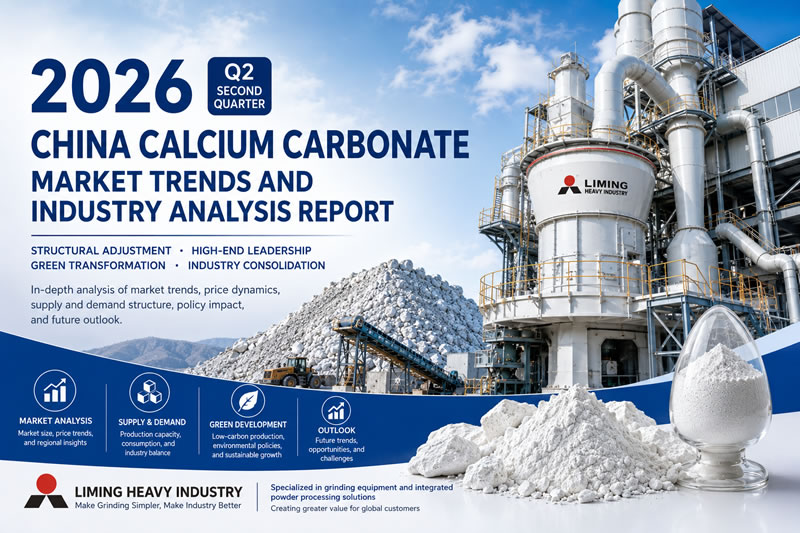
China Calcium Carbonate Market and Industry Analysis Report – Q2 2026
2026-05-10 08:33:01
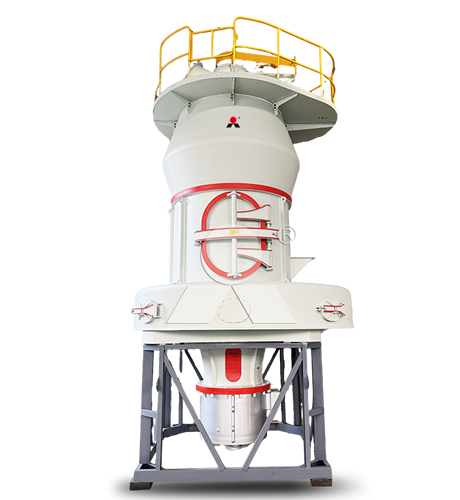
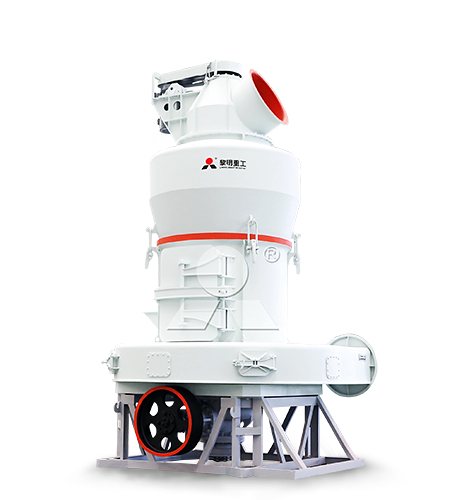
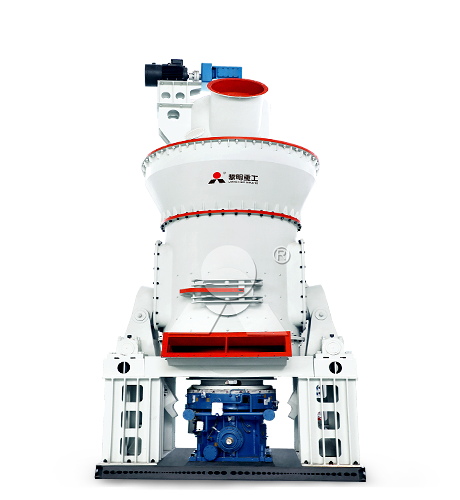
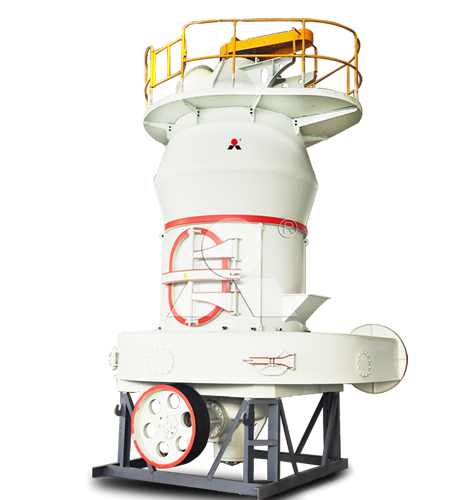
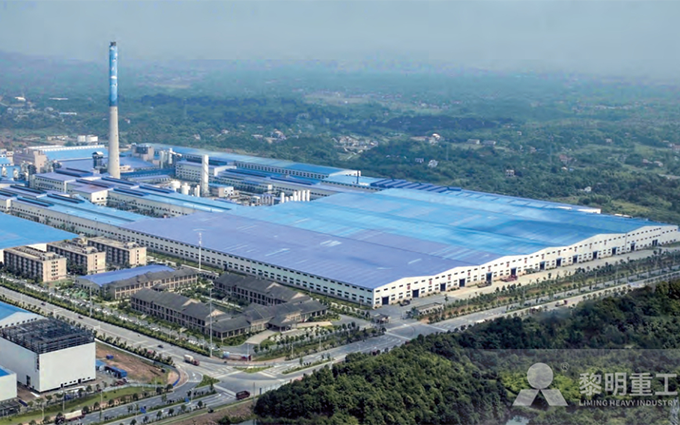
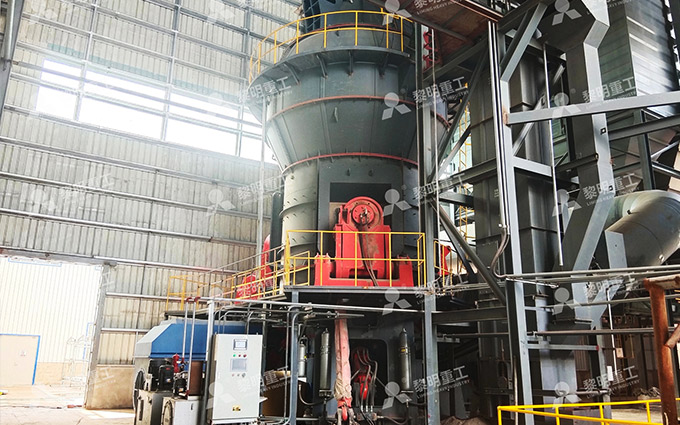
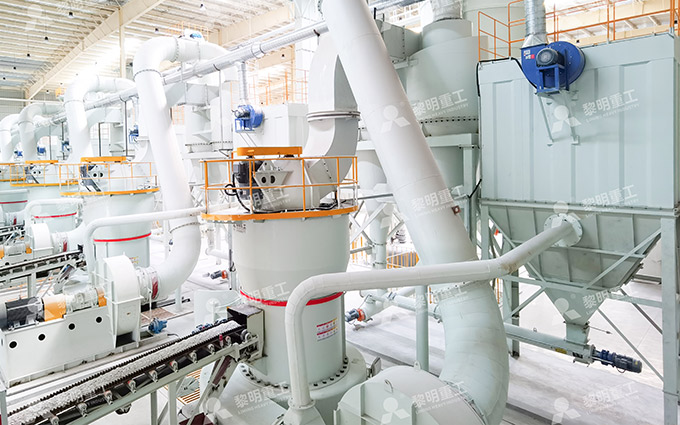
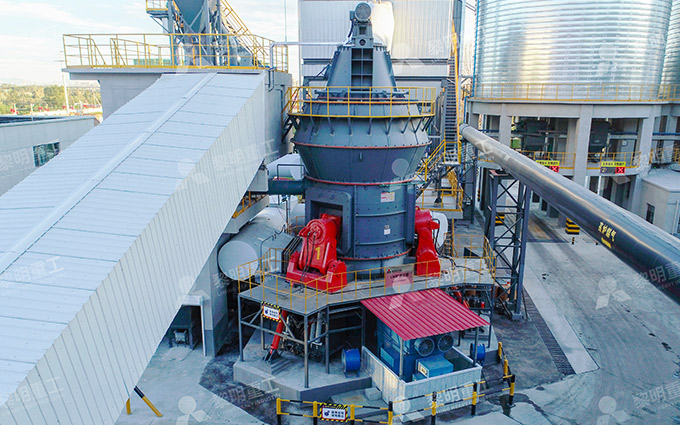
We are Liming Heavy Industry, a manufacturer of various types of industrial crushers, such as Raymond Mill, Trapezoidal Mill, Vertical Mill, Ultrafine Mill, Ball Mill, etc.
Our mills can process the following minerals:
limestone, quicklime, kaolin, talc, barite, bentonite, calcium carbonate, dolomite, coal, gypsum, clay, carbon black, slag, cement raw materials, cement clinker, etc.
If you need a mill to process stone or minerals into powder, please feel free to contact me (WhatsApp: +8615333807511). Thank you.
I. Overall Market Overview: “Polarization” Becomes the Main Theme
Entering the second quarter of 2026, China’s calcium carbonate market — often referred to as the “industrial grain” sector — is undergoing profound structural adjustments. The country’s calcium carbonate pricing system is no longer moving in sync; instead, it is showing a clear trend of “polarization.” Low-end products remain stable or continue to decline in price, while high-end products maintain strong upward momentum. The price gap between products of different quality levels is widening, and regional price differences are also becoming more pronounced.
The industry is currently at a critical transition stage from “scale expansion” to “quality improvement.” Structural supply-demand mismatches, rigid cost increases, and policy-driven industrial upgrading are combining to accelerate the reshaping of the industry landscape.
II. Current Price Trends by Product Segment
1. Ground Calcium Carbonate (GCC)
As the mainstream market product, current mainstream ex-factory prices are concentrated between RMB 420–580 per ton, down RMB 30–70 per ton compared with the beginning of 2026. The average industry price has declined by approximately 8% compared with the same period in 2024.
Competition in the mid- and low-end markets has intensified significantly. Some small and medium-sized producers are now offering prices close to production costs, resulting in extremely compressed profit margins.
Regionally, major production areas such as Guangxi, Guangdong, and Jiangxi maintain lower prices due to resource advantages. In contrast, East China and North China face higher logistics costs, causing prices to increase by RMB 50–80 per ton, further widening regional price differences.
2. Precipitated Calcium Carbonate (PCC)
Prices remain relatively stable, with mainstream quotations for standard-grade products ranging from RMB 750–950 per ton, fluctuating within ±RMB 50 per ton since the beginning of the year.
Supported by more complex production processes, higher energy consumption, and slower capacity expansion, PCC prices show stronger stability, and industry profitability remains relatively healthy.
3. High-End Functional Calcium Carbonate
Ultra-fine modified GCC and activated PCC are currently priced at RMB 1,200–1,800 per ton, while nano calcium carbonate prices have reached RMB 2,000–3,200 per ton — representing a premium of 3–5 times compared with conventional products.
Due to high technical barriers, limited production capacity, and rapidly growing demand from emerging industries, prices for these products have increased by 5–15% since the beginning of the year. Supply shortages are becoming increasingly evident, and production lead times for some high-end orders now exceed one month.
III. Core Drivers Behind Price Fluctuations
1. “Dual Pressure” from Costs and Overcapacity
Rising Costs Across the Supply Chain
Raw materials such as limestone and calcite continue to become more expensive due to mining consolidation policies and stricter environmental regulations. Mining rights costs have increased by more than 60% compared with 2020, while ore costs have risen nearly 70% over the past five years.
Logistics expenses have increased by RMB 30–50 per ton. Industrial electricity prices in 2026 are approximately 12% higher than in 2023, while winter natural gas prices in northern China remain volatile. Environmental protection upgrades have added RMB 40–60 per ton to operating costs. These multiple cost pressures continue to move upstream through the industry chain.
Severe Overcapacity in the Low-End Market
China currently has more than 6,000 calcium carbonate enterprises, with total production capacity exceeding 65 million tons, while annual demand is only around 45 million tons. Industry capacity utilization remains below 70%.
Among this, GCC production capacity accounts for approximately 52 million tons, with over 80% consisting of low-end homogeneous products. Oversupply has triggered increasingly aggressive price wars, forcing companies to exchange price reductions for sales volume, resulting in the industry dilemma of “higher output without higher profits.”
2. Structural Differentiation in Downstream Demand
Weak Demand from Traditional Industries
Traditional sectors such as paper, plastics, and coatings account for more than 70% of total calcium carbonate consumption. In Q1 2026, calcium carbonate consumption in traditional industries declined by 3–5% year-on-year.
The ongoing real estate market adjustment has weakened demand for architectural coatings and plastic pipes, while growth in packaging and printing has slowed. As a result, inventories of conventional calcium carbonate products remain high, prices continue to decline, and inventory turnover for some enterprises now exceeds 60 days.
Explosive Growth in Emerging Industries
Rapid development in new energy vehicles, lithium batteries, 5G communications, high-end food processing, and pharmaceuticals is driving strong demand for high-purity, ultra-fine, and modified calcium carbonate products.
For example, the supply gap for activated calcium carbonate used in new energy applications has exceeded 200,000 tons. Food- and pharmaceutical-grade products require purity levels above 99.5%, while import dependence still exceeds 30%.
Demand for high-end products is growing at an annual rate of 15–20%, becoming the core driver of price increases and providing a clear path for the industry’s transition toward higher value-added products.
3. Reshaping Through Policy and Trade Environment
Policy-Driven Industry Consolidation
Under China’s “Dual Carbon” goals, more than 200 small mines and 300 outdated production facilities have been shut down since 2026.
High-quality production capacity is increasingly concentrated among leading enterprises such as Guangxi Huana and Kelong New Materials. Large companies are gaining greater market share and stronger pricing power, while the industry’s “Matthew Effect” continues to intensify.
At the same time, environmental standards related to green mining and low-carbon production continue to tighten, forcing enterprises to increase investment in environmental protection and technological upgrades.
Impact of Import and Export Structure
China exported approximately 1.8 million tons of calcium carbonate in 2025, with average export prices ranging from RMB 550–650 per ton, mainly to Southeast Asia and the Middle East.
However, high-end nano and modified calcium carbonate products still rely heavily on imports, with import prices ranging from RMB 1,800–3,000 per ton.
The significant price gap between imports and exports is pushing China’s high-end products closer to international pricing standards, while low-end products continue to face pricing pressure due to limited export diversion and intense domestic competition. This trade structure is further accelerating the industry’s transition toward higher-end products.
IV. Major Challenges Facing the Industry
1. Imbalanced Product Structure and Excessive Low-End Competition
China’s calcium carbonate industry has long focused on mid- and low-end products, with homogeneous products accounting for more than 80% of total capacity. Self-sufficiency for high-end functional calcium carbonate products remains below 40%, while key technologies and advanced production capacity still lag behind.
Frequent price wars in the low-end market leave companies with minimal profits and insufficient R&D investment, creating a vicious cycle of “low-end lock-in.”
2. Insufficient Technological Innovation Restricts High-End Capacity
Production of high-end calcium carbonate depends on core technologies such as ultra-fine grinding, surface modification, and nano-scale processing. China still relies on imported equipment and technologies for certain key processes, while domestic R&D capabilities remain relatively weak.
At the same time, high-end product development requires long investment cycles and substantial capital expenditure, making it difficult for small and medium-sized enterprises to participate. As a result, expansion of high-end capacity remains slow and cannot fully meet the explosive demand from emerging downstream industries.
3. Increasing Environmental Pressure on Small and Medium Enterprises
As China’s “Dual Carbon” policies deepen and environmental standards continue to rise, environmental compliance costs in mining and production are increasing significantly.
Due to limited financial resources and outdated technologies, many small and medium-sized enterprises face major difficulties in completing environmental upgrades. Compliance costs for SMEs are substantially higher than for large leading enterprises, further squeezing their survival space.
V. Conclusion and Industry Outlook
China’s calcium carbonate market is currently entering a critical phase of structural transformation, industry reshaping, and growth-driver conversion. In the short term, market polarization is expected to continue, while in the long term, high-end development, green transformation, and industrial concentration will become the dominant trends.
1. Price Outlook: Low-End Products Under Pressure, High-End Products Continue Rising
Mid- and low-end products will remain supported by production costs but constrained by severe overcapacity. Prices are likely to continue fluctuating near cost levels, while inefficient production capacity may exit the market more rapidly due to sustained losses.
Meanwhile, high-end products will continue to benefit from technological advantages, limited supply, and strong demand growth. Prices are expected to remain strong or rise further, with premium margins for high-value-added products continuing to expand.
2. Industry Structure: Higher Concentration and Market Leadership by Major Enterprises
Industry concentration is expected to increase further. By 2028, the top ten enterprises are projected to account for more than 40% of the total market share.
Leading enterprises with resource advantages, technological barriers, economies of scale, and strong environmental compliance capabilities will increasingly dominate market pricing. Through mergers, acquisitions, and vertical integration, these companies will continue strengthening their competitive positions.
Meanwhile, homogeneous low-end production capacity among small and medium-sized enterprises will face accelerated elimination or transition toward niche markets and supporting services.
3. Future Development Direction: High-End Transformation and Green Upgrading
Product Upgrading Toward High-End Applications
Enterprises will continue increasing investment in ultra-fine, modified, and nano-scale functional calcium carbonate products, focusing on emerging sectors such as new energy, high-end food processing, pharmaceuticals, and environmental protection.
The industry is expected to evolve from supplying simple “industrial fillers” toward providing “advanced functional materials” and customized solutions.
Green Manufacturing and Sustainable Production
Green mine development, low-carbon production technologies, and circular economy models will gradually become industry standards. Companies will rely on technological innovation to reduce energy consumption and carbon emissions while achieving coordinated economic and environmental benefits.
Greater Industrial Chain Integration
Leading enterprises will continue integrating upstream high-quality mining resources while expanding downstream into high-end application industries. By building a complete industrial chain covering “mining – processing – application,” companies will strengthen overall competitiveness and drive high-quality industry development.
China’s calcium carbonate market in Q2 2026 shows clear polarization, with low-end products facing oversupply and price pressure, while high-end nano and functional calcium carbonate products continue rising due to strong demand from new energy, 5G, food, and pharmaceutical industries. Industry consolidation, green production, and high-end transformation are accelerating. As a leading supplier of industrial grinding solutions, Liming Heavy Industry continues to provide advanced calcium carbonate grinding equipment and integrated powder processing solutions for global customers.