Industry News
Light Calcium Carbonate vs Activated Calcium Carbonate: Production Process, Properties, Applications, and Key Differences
2026-06-11 10:34:59
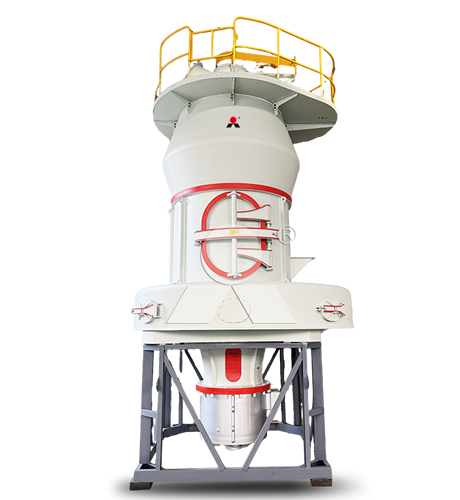
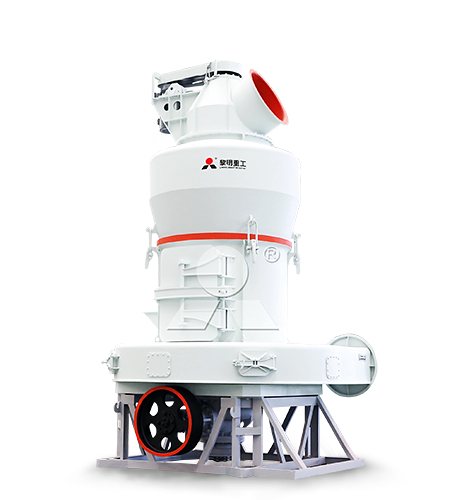
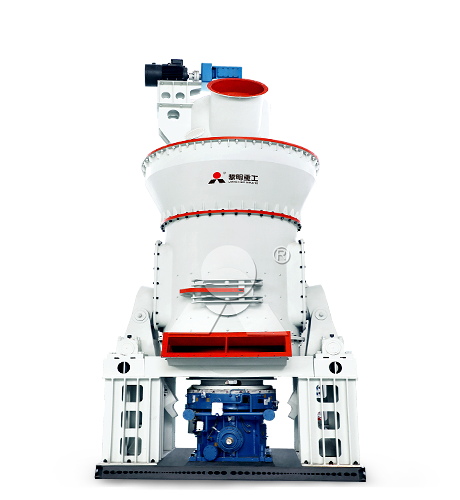
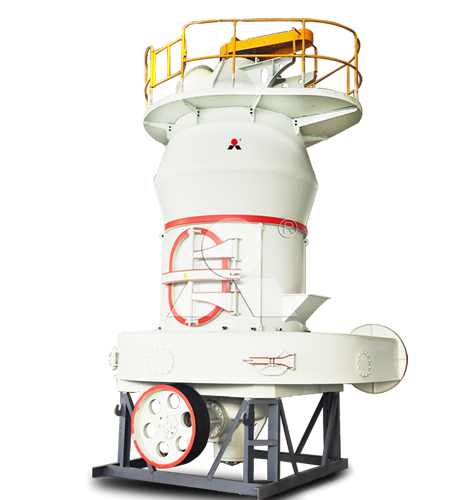
We are Liming Heavy Industry, a manufacturer of various types of industrial crushers, such as Raymond Mill, Trapezoidal Mill, Vertical Mill, Ultrafine Mill, Ball Mill, etc.
Our mills can process the following minerals:
limestone, quicklime, kaolin, talc, barite, bentonite, calcium carbonate, dolomite, coal, gypsum, clay, carbon black, slag, cement raw materials, cement clinker, etc.
If you need a mill to process stone or minerals into powder, please feel free to contact me (WhatsApp: +8615333807511). Thank you.
Light calcium carbonate (PCC) and activated calcium carbonate (ACC) are two widely used calcium carbonate products in global industries. Although both are based on CaCO₃, they differ significantly in production methods, particle characteristics, surface properties, and end-use applications.
Introduction
Calcium carbonate (CaCO₃) is one of the most widely consumed non-metallic mineral materials in the world. It plays a critical role in industries such as plastics, rubber, paper, coatings, construction materials, pharmaceuticals, and food processing.
Based on production technology and surface characteristics, industrial calcium carbonate products are mainly divided into light calcium carbonate (PCC, Precipitated Calcium Carbonate) and activated calcium carbonate (ACC, Activated Calcium Carbonate). While both share the same chemical composition, their physical properties, performance characteristics, and application fields differ considerably.
As global demand for high-performance polymer materials, sustainable packaging, automotive lightweighting, and advanced coatings continues to grow, understanding the differences between PCC and ACC has become increasingly important for manufacturers, investors, and end users.
What Is Light Calcium Carbonate (PCC)?
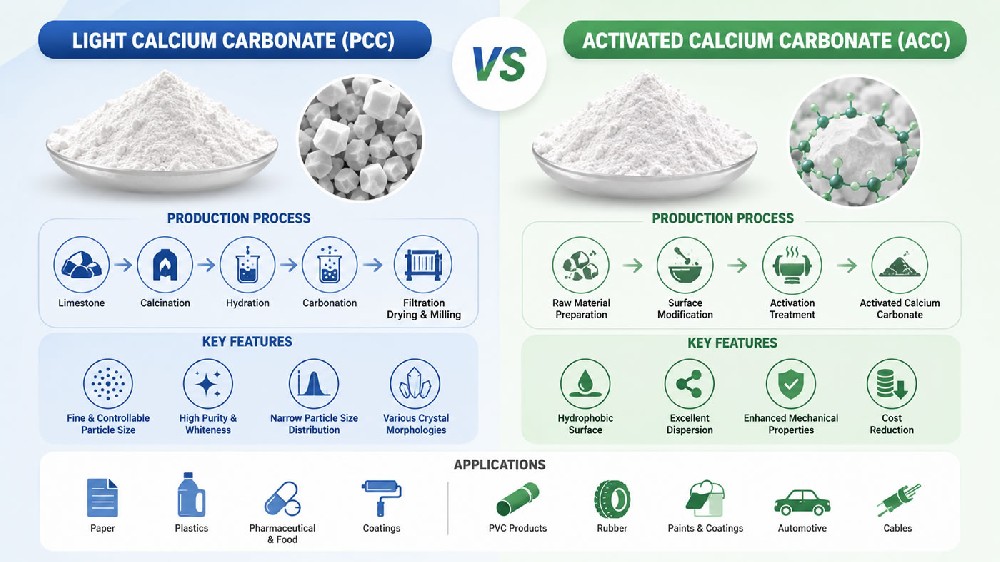
Light calcium carbonate, also known as precipitated calcium carbonate (PCC), is a synthetic calcium carbonate produced through a chemical precipitation process. It is valued for its high purity, controlled particle size, high whiteness, and uniform particle morphology.
Because its bulk density is lower than that of natural ground calcium carbonate, it is commonly referred to as “light” calcium carbonate.
Production Process of Light Calcium Carbonate
PCC is produced through the carbonation process:
Limestone is calcined at high temperature to produce quicklime (CaO) and CO₂.
Quicklime is hydrated to form calcium hydroxide slurry (Ca(OH)₂).
Carbon dioxide is introduced into the slurry, causing a carbonation reaction.
Calcium carbonate precipitates from the solution.
The product is filtered, dewatered, dried, and milled to obtain the final PCC powder.
Modern PCC plants can further control temperature, pressure, CO₂ concentration, and additives to produce ultrafine, nano-sized, or specialty calcium carbonate products.
Key Characteristics of PCC
Fine and controllable particle size: Typically 1–3 μm, with ultrafine grades reaching below 1 μm and nano grades reaching 20–100 nm.
High purity and whiteness: Premium products often achieve whiteness above 90%.
Narrow particle size distribution: Improves consistency and processing stability.
Various crystal morphologies: Cubic, spindle-shaped, chain-like, and needle-like structures can be produced for specific applications.
Global Applications of PCC
Paper Industry
PCC is widely used as a paper filler and coating pigment to improve brightness, opacity, printability, and surface smoothness.
Plastic Industry
Used in PE, PP, PVC, ABS, and other polymers as a cost-effective filler that enhances dimensional stability and stiffness.
Pharmaceutical and Food Industries
Its high purity makes it suitable for calcium supplements, antacids, pharmaceutical excipients, and food additives.
Coatings Industry
PCC improves whiteness, opacity, and gloss while reducing the consumption of expensive pigments such as titanium dioxide.
_1767930326611.jpg)
What Is Activated Calcium Carbonate (ACC)?
Activated calcium carbonate is a functional calcium carbonate product obtained through surface modification. It is not a new mineral but rather a calcium carbonate powder whose surface has been chemically treated to improve compatibility with organic materials.
Most ACC products are manufactured using ground calcium carbonate (GCC) or PCC as the base material.
Production Process of Activated Calcium Carbonate
The manufacturing process generally includes three stages:
Step 1: Raw Material Preparation
High-purity limestone, calcite, marble, or chalk is crushed, ground, and classified into fine calcium carbonate powder.
Step 2: Surface Modification
The powder is mixed with surface treatment agents such as:
Stearic acid
Stearates
Titanate coupling agents
Aluminate coupling agents
Silane coupling agents
Step 3: Activation Treatment
Through heating, mixing, and coating processes, an organic layer is formed on the particle surface, creating activated calcium carbonate.
Although the chemical composition remains CaCO₃, the surface properties are significantly altered.
Key Characteristics of ACC
Hydrophobic surface: Surface treatment converts naturally hydrophilic calcium carbonate into a hydrophobic material.
Excellent dispersion: Improved distribution within polymer matrices and reduced agglomeration.
Enhanced mechanical properties: Improves tensile strength, impact resistance, wear resistance, and dimensional stability.
Cost reduction: Allows partial replacement of expensive resins and additives.
Global Applications of ACC
PVC Products
Widely used in PVC pipes, profiles, flooring, cable compounds, sheets, and panels.
Rubber Industry
Applied in tires, conveyor belts, seals, hoses, and footwear to reduce costs and improve processing performance.
Modified Plastics
Increasingly used in engineering plastics, automotive components, home appliances, and electrical products.
Paints and Coatings
Functions as a performance-enhancing filler that improves abrasion resistance, flow properties, and gloss.
Key Differences Between PCC and ACC
| Comparison Item | Light Calcium Carbonate (PCC) | Activated Calcium Carbonate (ACC) |
|---|---|---|
| Production Method | Chemical precipitation | Grinding plus surface modification |
| Raw Material Source | Chemically synthesized from limestone | Further processed GCC or PCC |
| Particle Size Control | Excellent | Depends on base powder |
| Whiteness | High | High |
| Surface Property | Hydrophilic | Hydrophobic |
| Polymer Compatibility | Moderate | Excellent |
| Dispersion Performance | Average | Excellent |
| Typical Applications | Paper, food, pharmaceuticals | PVC, rubber, modified plastics |
| Added Value | Medium to high | High |
How to Choose Between PCC and ACC
When to Choose PCC
Food-grade products
Pharmaceutical products
High-quality paper production
General-purpose coatings
Applications requiring high purity and whiteness
The main considerations are purity, whiteness, and particle size control.
When to Choose ACC
PVC pipes and profiles
Plastic masterbatches
Modified plastics
Cable compounds
Rubber products
The main considerations are dispersion performance, compatibility with polymers, and mechanical property enhancement.
Global Market Trends for Calcium Carbonate
The global calcium carbonate industry is increasingly moving toward higher-value and functional products.
Major growth drivers include:
Electric vehicle lightweight materials
Advanced plastic modification technologies
Sustainable packaging materials
High-performance coatings
Pharmaceutical and food-grade applications
At the same time, advances in ultrafine grinding, surface modification, and nanotechnology are accelerating product upgrades throughout the industry.
While competition in conventional filler-grade calcium carbonate remains intense, ultrafine PCC, nano calcium carbonate, and highly activated calcium carbonate are expected to be among the fastest-growing market segments worldwide.
Conclusion
Although light calcium carbonate and activated calcium carbonate share the same chemical composition, they serve different purposes in modern industry. PCC offers high purity, superior whiteness, and precise particle size control through chemical synthesis, while ACC delivers outstanding compatibility with polymers through surface modification. As industries continue to demand higher-performance materials, both products will play important roles in the future development of plastics, rubber, paper, coatings, and advanced functional materials.
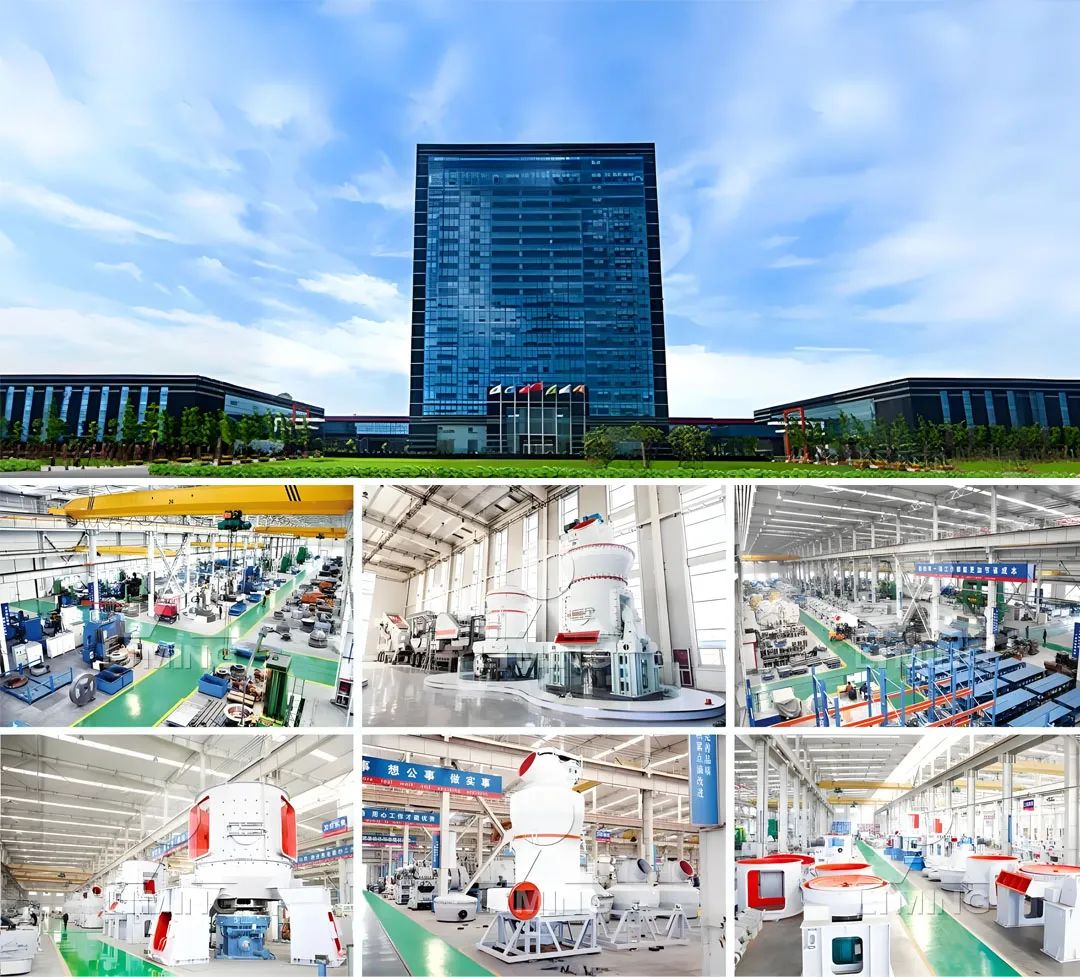
About Liming Heavy Industry
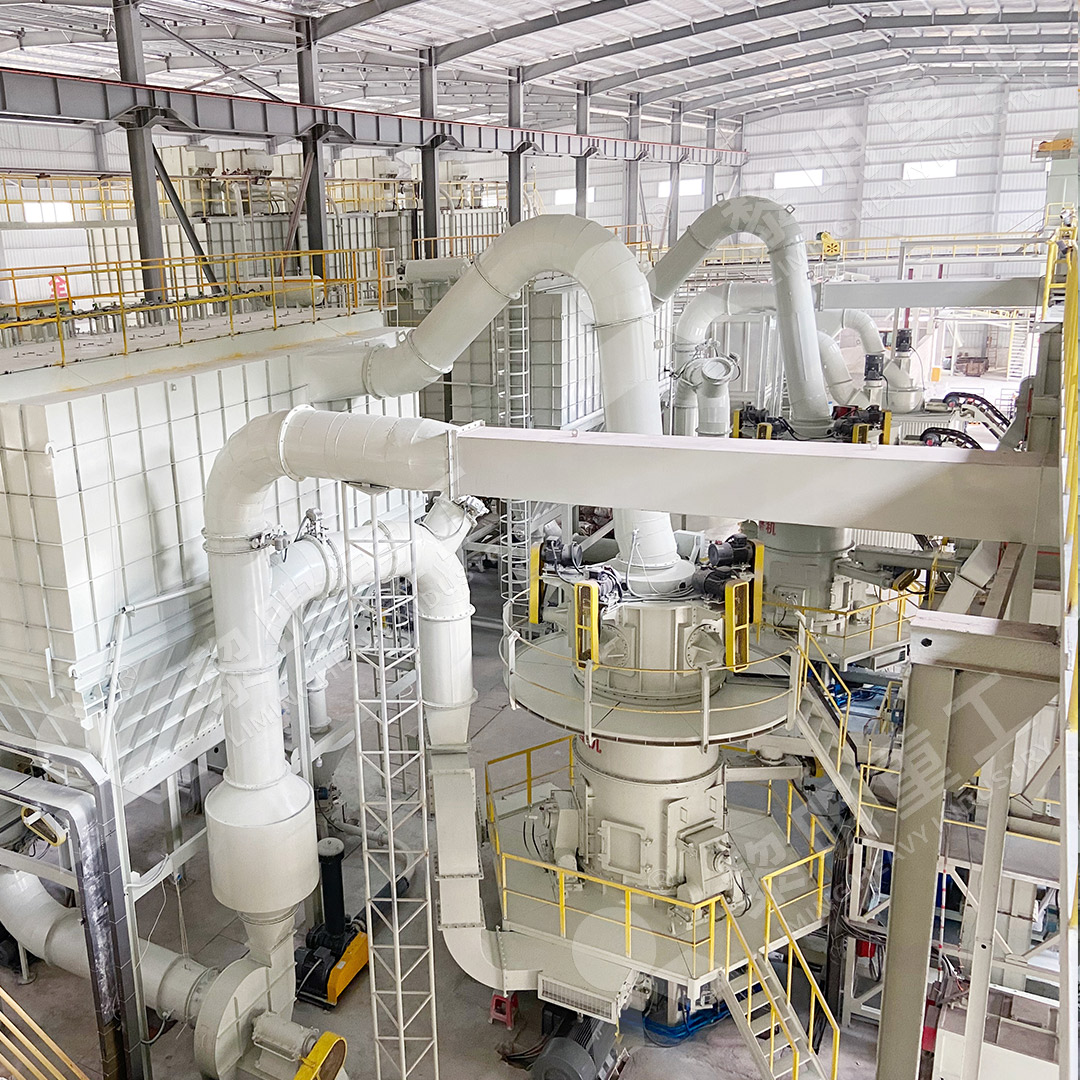
Liming Heavy Industry is a global manufacturer of industrial grinding mills, crushing equipment, rotary kilns, powder processing systems, and complete mineral processing solutions. With extensive experience in calcium carbonate, limestone, quicklime, hydrated lime, gypsum, and other industrial mineral projects, Liming provides customized solutions ranging from single machines to turnkey production lines.
The company's product portfolio includes vertical roller mills, Raymond mills, ultrafine grinding mills, crushers, rotary kilns, classifiers, and powder coating systems. These technologies are widely used in calcium carbonate processing plants around the world.