Industry News
Cement Raw Mill Supplier in Indonesia: Cost and Configuration Analysis
2026-09-01 08:53:49
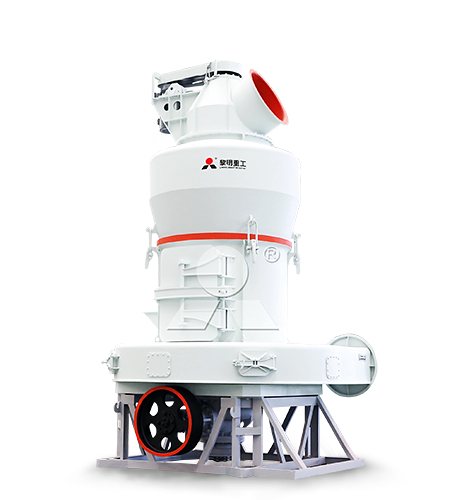
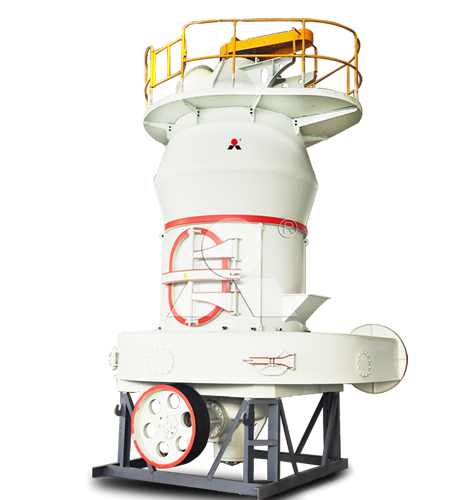
We are Liming Heavy Industry, a manufacturer of various types of industrial crushers, such as Raymond Mill, Trapezoidal Mill, Vertical Mill, Ultrafine Mill, Ball Mill, etc.
Our mills can process the following minerals:
limestone, quicklime, kaolin, talc, barite, bentonite, calcium carbonate, dolomite, coal, gypsum, clay, carbon black, slag, cement raw materials, cement clinker, etc.
If you need a mill to process stone or minerals into powder, please feel free to contact me (WhatsApp: +8615333807511). Thank you.
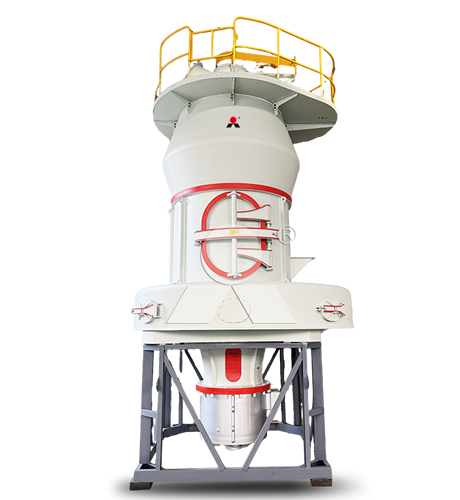
For a cement plant in Indonesia, selecting a raw mill supplier should start with the required raw meal production, raw-material characteristics, moisture, fineness, and integration with the kiln and gas system—not simply with the quoted price of the mill itself. For most new medium- and large-scale cement projects, a vertical raw mill is a practical technology to evaluate because grinding, drying, and classification can be integrated into one system.
The actual investment cost can vary substantially between projects. A raw mill quotation may cover only the main mill, or it may include the classifier, gearbox, hydraulic system, lubrication system, separator, fan, dust collector, electrical controls, conveyors, installation support, spare parts, and commissioning. Therefore, two suppliers offering apparently similar mill prices may have very different total project costs.
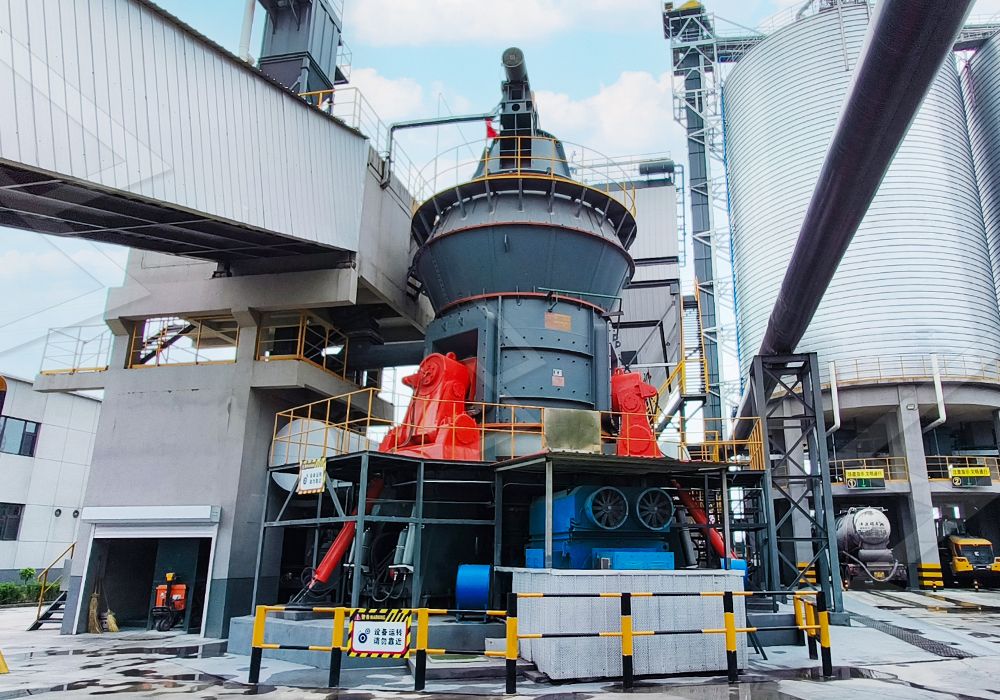
What Determines the Cost of a Cement Raw Mill in Indonesia?
The first step is to distinguish between the mill equipment price and the total installed cost of the raw grinding system.
A complete raw mill system can include:
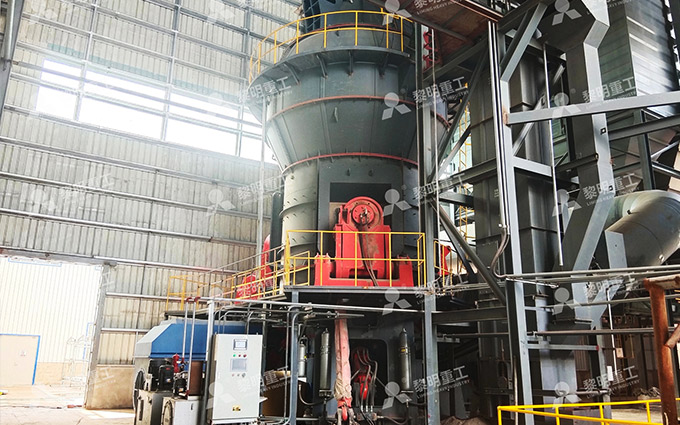
Raw mill and grinding table
Grinding rollers and wear parts
Main drive motor and gearbox
Hydraulic grinding system
Dynamic separator or classifier
Lubrication and hydraulic oil systems
Hot-gas inlet and drying arrangement
Process fan
Dust collector or bag filter
Material feeding and conveying equipment
Electrical and automation systems
Structural steel and auxiliary equipment
Installation and commissioning support
Initial spare parts and maintenance tools
This is why asking a supplier simply for the "price of a 300 t/h raw mill" is not enough for project budgeting. The same nominal throughput can require different configurations depending on feed moisture, raw-material grindability, required product fineness, available hot gas, and plant layout.
Raw Mill Capacity Should Be Calculated From the Kiln Requirement
Raw mill capacity should be derived from the raw meal requirement of the cement plant. It should not be assumed that the mill capacity is equal to the clinker production capacity.
A preliminary calculation can be expressed as:
Required raw meal rate = clinker production rate × raw meal factor ÷ effective raw-mill operating time
The raw meal factor depends on the plant's material balance, raw mix, dust losses, kiln system, and other process conditions. Effective operating time also matters because the raw mill may not run continuously during maintenance or operational interruptions.
For example, a hypothetical plant designed for 5,000 t/day of clinker should not automatically specify a raw mill rated at 5,000 t/day. The engineering calculation must determine how much raw meal is required per tonne of clinker and how many effective hours per day the mill is expected to operate.
This calculation has a direct effect on equipment cost. An undersized mill may reduce the initial investment but create a production bottleneck. An excessively large mill increases capital expenditure, installed power, and potentially maintenance requirements without necessarily improving the economics of the plant.
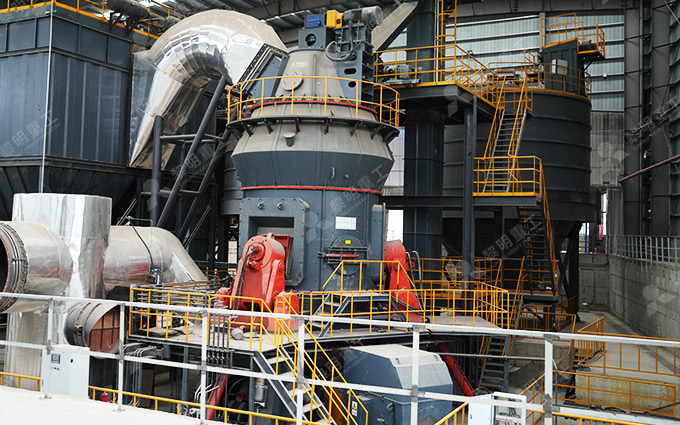
Typical Configuration of a Vertical Raw Mill System
A modern vertical raw mill system is normally designed as part of a larger process circuit rather than as an isolated machine.
A simplified process arrangement is:
Raw material → Feeding → Vertical raw mill → Classification → Dust collection → Raw meal conveying → Raw meal storage
Hot gas from the kiln or preheater system can be introduced into the grinding circuit to provide drying and pneumatic transport. This makes the raw mill closely connected to the kiln, preheater, process fan, separator, and dust-collection system.
The configuration should therefore be evaluated as a complete system. Increasing mill capacity without checking the available gas volume, temperature, fan capacity, and dust-collection capacity can create a bottleneck outside the grinding mill itself.
Which Raw Mill Configuration Is Appropriate for Indonesia?
Indonesia has cement plants ranging from relatively small regional facilities to large integrated production lines. The appropriate configuration therefore depends on the individual project rather than on the country alone.
| Project condition | Configuration consideration | Main engineering concern |
|---|---|---|
| Small or moderate raw meal requirement | Compact grinding system | Initial investment and operating simplicity |
| Medium-scale integrated cement plant | Vertical raw mill with integrated drying and classification | Throughput, stability and energy consumption |
| Large clinker production line | High-capacity vertical raw mill system | Gas circuit, reliability and maintenance strategy |
| High raw-material moisture | Raw mill with sufficient drying capability | Hot-gas availability and gas balance |
| Hard or abrasive raw mix | Configuration with appropriate grinding and wear protection | Wear rate and maintenance cost |
| Variable raw-material properties | Flexible grinding and classification control | Process stability |
Why Raw-Material Properties Matter to Supplier Selection
Two Indonesian cement plants can have completely different raw-mill requirements even when they have similar clinker capacities.
The main variables to provide to a supplier include:
Limestone, clay and corrective-material proportions
Feed particle-size distribution
Maximum feed size
Normal and maximum moisture
Hardness and grindability
Abrasiveness
Required raw meal fineness
Required raw meal moisture
Required production rate
Available hot-gas temperature and volume
Expected annual operating hours
Local ambient and site conditions
Moisture deserves particular attention. A raw mix with relatively high moisture may require a greater drying duty, while hard or abrasive material may affect throughput and wear. If these conditions are not included in the original quotation request, the quoted capacity may not represent the actual operating capacity of the plant.
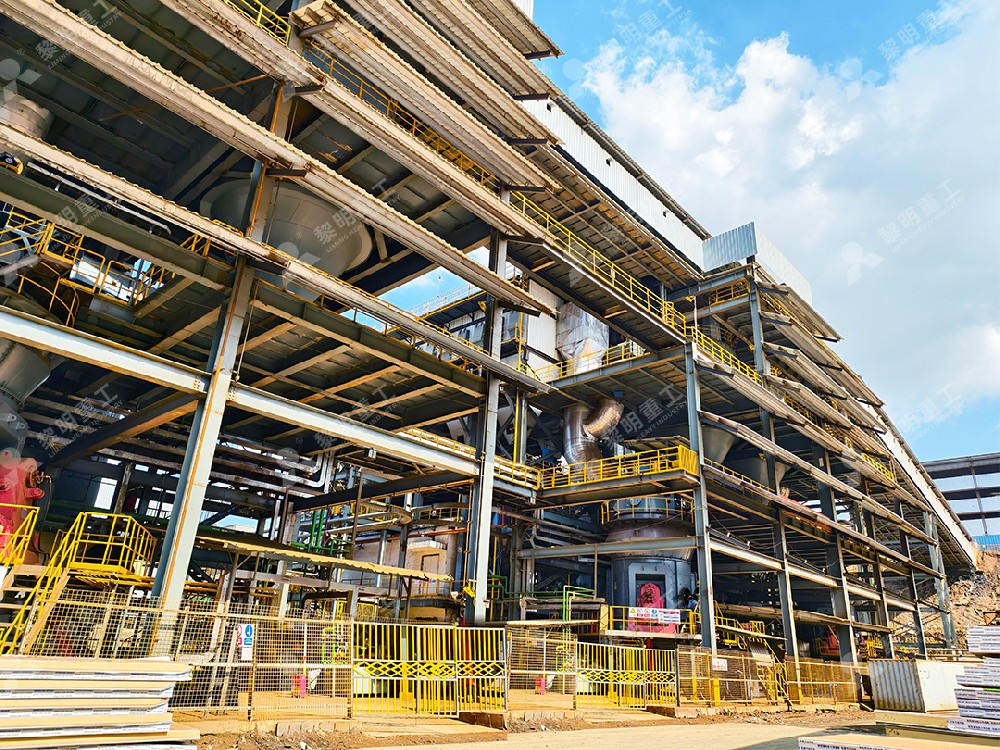
How to Compare Raw Mill Suppliers by Cost
The lowest equipment quotation is not necessarily the lowest-cost solution over the life of the cement plant. A better comparison separates the investment into several categories.
1. Main Equipment Cost
This includes the raw mill, grinding components, gearbox, main motor, separator, hydraulic equipment, and related mechanical components.
2. Auxiliary Equipment Cost
Check whether the quotation includes the process fan, dust collector, hot-gas system, feeders, conveyors, lubrication equipment, valves, and other auxiliaries. Missing items can make a low initial quotation misleading.
3. Electrical and Automation Cost
The scope of electrical equipment, motor control, instrumentation, PLC/DCS integration, sensors, and automation should be clearly defined.
4. Transportation and Installation
For an Indonesian project, logistics can be particularly important because equipment may need to be transported by sea and then moved from the receiving port to the plant site. Island location, road conditions, heavy-lift requirements, and inland transportation distances can all affect the delivered project cost.
5. Commissioning and Technical Support
A supplier quotation should clearly state what commissioning support is included, how many engineers are provided, and what responsibilities belong to the supplier and the local contractor.
6. Spare Parts and Wear Components
Grinding rollers, table liners, separator components, seals, bearings, and other wear or critical components should be considered in the initial budget. A lower initial price can become less attractive if critical replacement parts are expensive or difficult to obtain.
_1761355927036.jpg)
Do Not Compare Suppliers Using Mill Price Alone
A useful supplier comparison should evaluate the complete cost structure.
| Evaluation item | Questions to ask the supplier |
|---|---|
| Capacity | What throughput is expected under the specified raw-material and fineness conditions? |
| Fineness | What raw meal residue or particle-size specification is used for the capacity calculation? |
| Moisture | What feed moisture and maximum moisture are included in the design? |
| Power | What equipment and operating conditions are included in the power calculation? |
| Gas system | What gas volume, temperature and pressure are required? |
| Wear | Which wear parts are included and what replacement strategy is recommended? |
| Scope of supply | Which auxiliaries, electrical systems and dust-collection equipment are included? |
| Installation | Is installation supervision included? |
| Commissioning | What technical support is provided during commissioning? |
| Spare parts | What critical spare parts should be stocked in Indonesia? |
How to Reduce the Total Cost of a Raw Mill Project
Cost optimization should focus on the complete operating system rather than simply reducing the purchase price.
One important opportunity is to make appropriate use of available kiln and preheater waste gas for raw-material drying. If the gas system is properly designed, the raw mill can perform grinding and drying within the same process circuit. However, the actual heat balance and gas availability must be verified for the specific plant.
Another opportunity is to avoid excessive capacity. The mill should have an appropriate capacity margin, but oversizing the grinding system can increase capital expenditure and installed power. Capacity should be based on the normal, difficult, and future production cases rather than an arbitrary safety factor.
Maintenance cost should also be considered during equipment selection. Grinding rollers, table liners, gearbox components, bearings, hydraulic equipment, and separator parts all influence long-term availability. A mill that is slightly more expensive initially may be economically preferable if its maintenance strategy, spare-parts availability, and service support are better suited to the plant.
When Should an Indonesian Buyer Consider an LM Vertical Roller Mill?
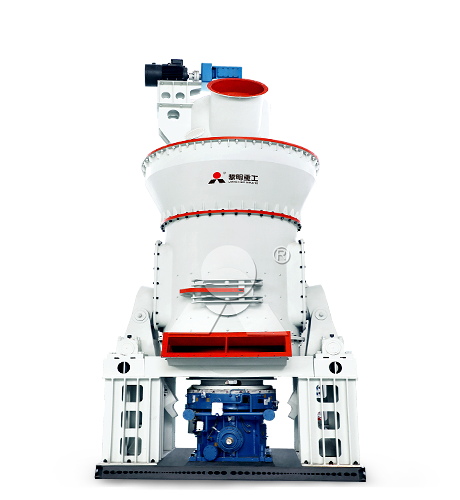
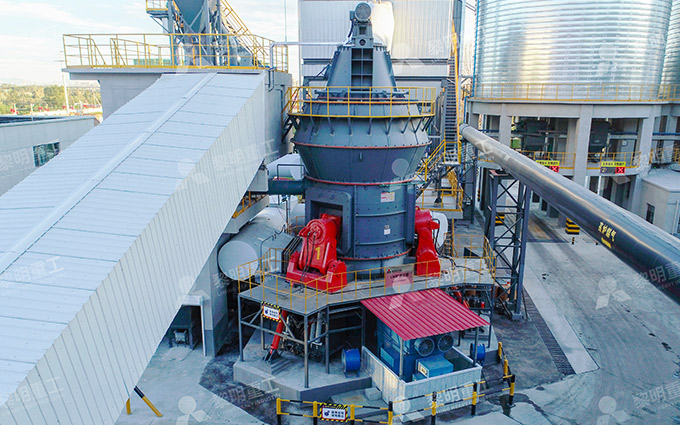
An LM Vertical Roller Mill can be considered when the project requires conventional cement raw-material grinding with appropriate capacity, drying, and classification requirements. It should not be selected simply because it is a vertical mill; the actual model must be matched to the raw meal throughput, feed conditions, moisture, fineness, and gas system.
_1767929649021.jpg)
For a project involving hard, abrasive, unusually wet, or highly variable raw materials, representative material testing can be valuable before final mill sizing. Testing can help establish grindability, drying behavior, wear characteristics, and the relationship between throughput and product fineness.
Liming Heavy Industry is one supplier that can be considered during the equipment-selection stage. Its LM Vertical Roller Mill product family may be evaluated alongside other suppliers on the basis of technical configuration, capacity, energy requirements, service scope, spare parts, and total project cost.
What Should Be Included in an Indonesian Raw Mill RFQ?
A detailed request for quotation makes supplier comparisons much more meaningful. At minimum, the RFQ should provide:
Clinker production capacity in t/day
Required raw meal production in t/h
Raw-material composition
Feed-size distribution
Maximum feed size
Normal and maximum moisture
Raw-material grindability information if available
Abrasiveness information if available
Required raw meal fineness
Required product moisture
Available hot-gas conditions
Expected annual operating hours
Site location and transportation conditions
Electrical supply conditions
Required automation interface
Preferred spare-parts strategy
Without these data, suppliers may make different assumptions, making their quotations difficult to compare. A technically detailed RFQ is therefore one of the simplest ways to avoid selecting equipment based on an artificially low initial price.
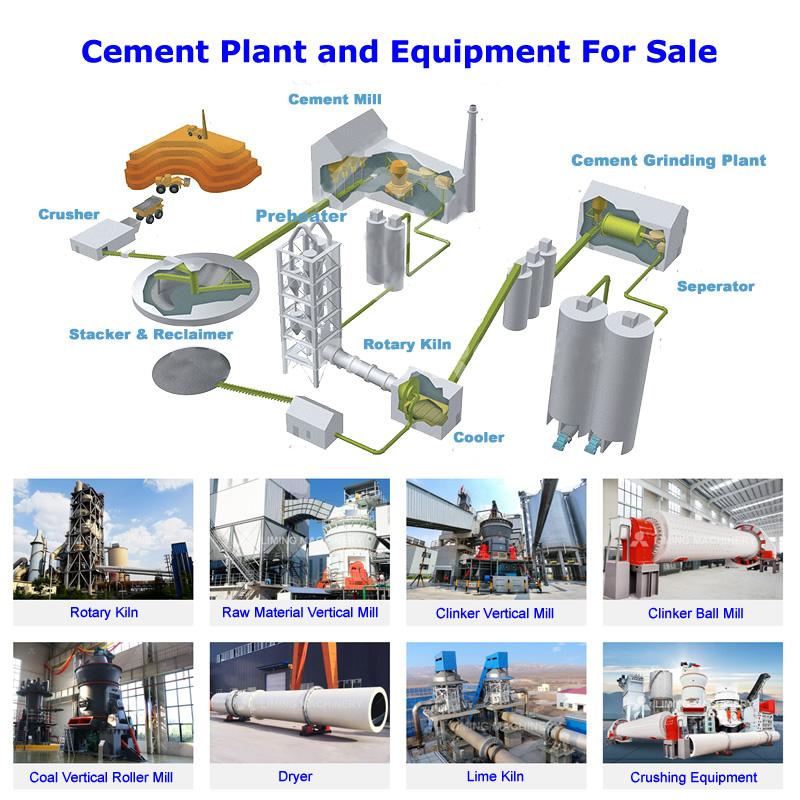
Final Cost and Configuration Recommendation
There is no single standard price for a cement raw mill in Indonesia. The realistic project cost depends on mill capacity, raw-material characteristics, moisture, fineness, grinding technology, gas circuit, auxiliary equipment, electrical scope, transportation, installation, commissioning, and spare parts.
For a new Indonesian cement plant, a vertical raw mill is generally a logical configuration to evaluate first when grinding, drying, and classification need to be integrated. The final model should be determined from the raw meal mass balance and actual material conditions rather than from the kiln capacity or a supplier's maximum nominal mill capacity.
The most useful way to compare cement raw mill suppliers is therefore to calculate total installed cost plus expected operating and maintenance requirements. A supplier offering a competitive initial quotation, complete process configuration, appropriate capacity, reliable local support, and a practical spare-parts strategy may provide better overall economics than a supplier selected solely because its equipment price is lower.