Calcium Carbonate Knowledge Hub
Calcite for Calcium Carbonate Production
2026-09-04 16:24:24
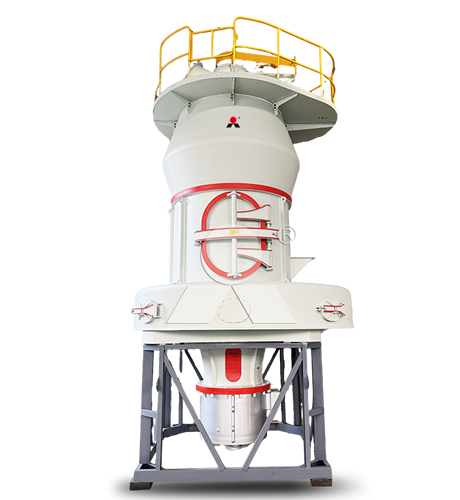
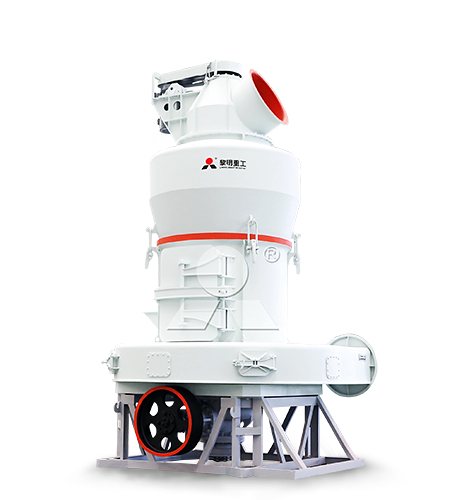
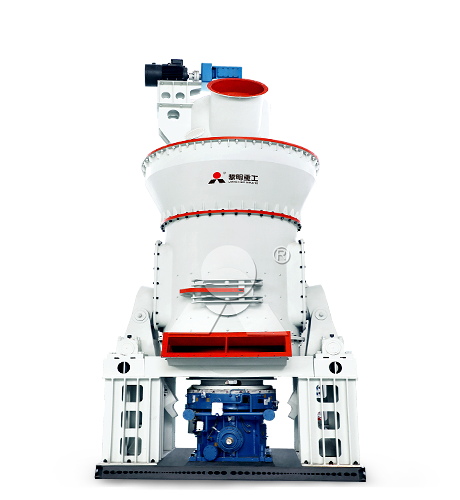
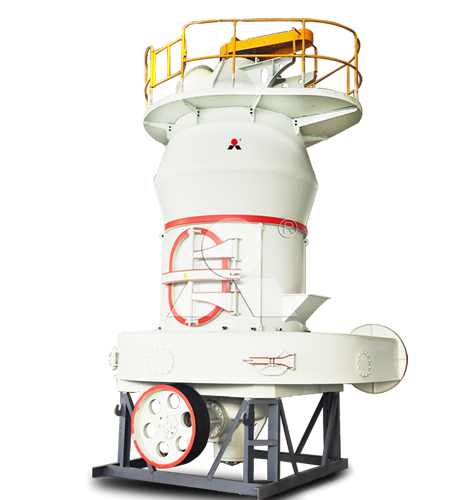
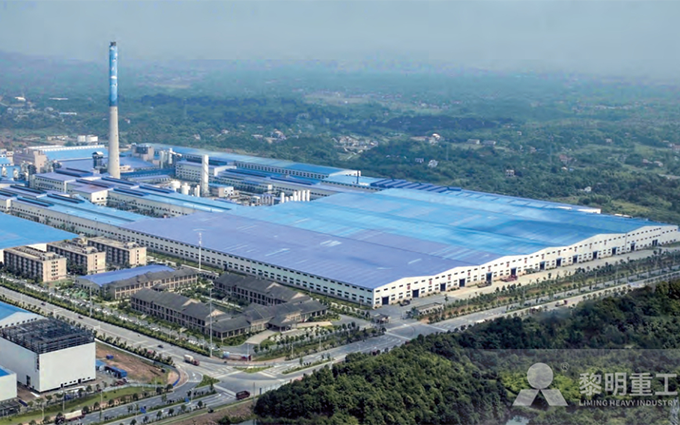
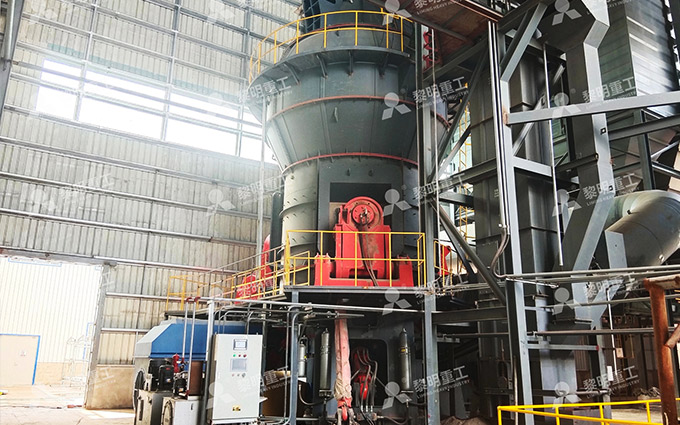
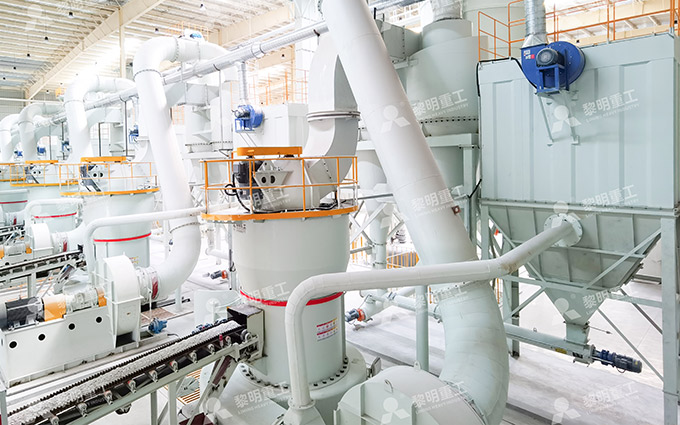
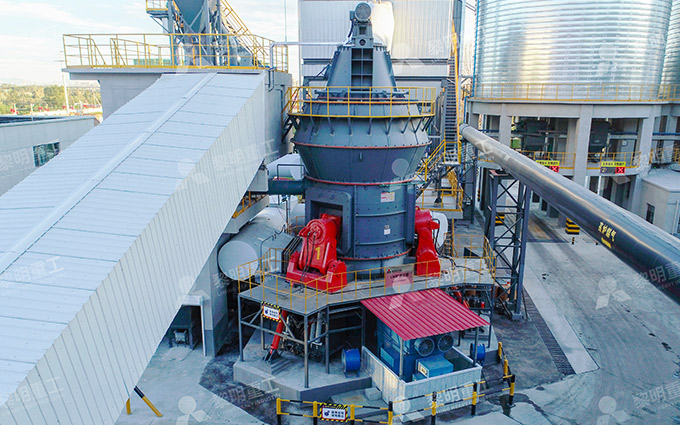
We are Liming Heavy Industry, a manufacturer of various types of industrial crushers, such as Raymond Mill, Trapezoidal Mill, Vertical Mill, Ultrafine Mill, Ball Mill, etc.
Our mills can process the following minerals:
limestone, quicklime, kaolin, talc, barite, bentonite, calcium carbonate, dolomite, coal, gypsum, clay, carbon black, slag, cement raw materials, cement clinker, etc.
If you need a mill to process stone or minerals into powder, please feel free to contact me (WhatsApp: +8615333807511). Thank you.
Calcite is one of the most direct and valuable natural raw materials for calcium carbonate production because it is itself calcium carbonate, CaCO3. Calcite-rich ore can be mined, crushed, ground, classified, and optionally surface-treated to produce ground calcium carbonate (GCC) for PVC, plastics, paper, paints, coatings, rubber, adhesives, sealants, and construction products.
For a GCC producer, the important question is not simply whether a deposit is called “calcite.” The deposit must consistently provide the required CaCO3 purity, low MgO, high whiteness, low silica and iron, suitable grindability, and stable mine-scale quality. High-purity limestone is commonly defined as carbonate rock containing more than 97% CaCO3, typically as calcite; the British Geological Survey further classifies material above 98.5% CaCO3 as very-high purity.
Why Calcite Is Used for GCC
Calcite is the most common natural mineral form of calcium carbonate. Its chemical formula is CaCO3, so a clean calcite deposit does not need chemical conversion before it can become GCC. The material is processed physically: rock is reduced in size, separated by particle size, and, when required, modified at the surface for compatibility with polymers and other formulations.
This makes calcite fundamentally different from PCC feed routes. PCC is manufactured through chemical steps that typically involve producing lime, slaking it to calcium hydroxide, and carbonating the resulting suspension. GCC from calcite retains the natural mineral source and is produced through mechanical mineral processing.
Commercial GCC production uses natural carbonate materials including calcite, marble, and limestone. The core technology is crushing, grinding, classification, and dust collection, with raw-material CaCO3 content serving as a central quality indicator.
Calcite Feedstock Requirements
Natural calcite deposits vary widely. Some consist of clean, white, massive calcite that can support premium GCC. Others contain dolomite, quartz, mica, feldspar, iron oxides, sulfides, clay, graphite, or weathered material that reduces product quality or increases processing cost.
A calcite source should therefore be qualified through representative chemical, mineralogical, optical, and pilot-processing tests. Field appearance is useful for initial prospecting, but it cannot establish whether the ore will meet a customer’s product specification after milling.
| Feedstock parameter | Preferred condition for high-quality GCC | Production and market effect |
|---|---|---|
| CaCO3 content | High and consistent across mineable zones | Supports high-calcium product grades and lowers non-carbonate residue |
| Calcite mineralogy | Calcite as the dominant mineral phase | Confirms that calcium is present mainly as CaCO3 rather than mixed carbonate or silicate minerals |
| MgO | Low for high-calcium calcite products | Limits dolomite-related magnesium and supports low-MgO customer requirements |
| SiO2 and insoluble residue | Low quartz, chert, mica, feldspar, and other hard silicates | Reduces mill wear, grit, and non-carbonate contamination |
| Fe2O3 and colored minerals | Low iron staining and low dark-mineral content | Improves whiteness and brightness for white plastics, paper, paint, and coatings |
| Moisture | Low or predictably manageable | Supports stable dry grinding, air classification, storage, and powder flow |
| Hardness and abrasion | Low hard-mineral contamination | Maintains mill capacity and reduces wear on crushing and grinding equipment |
| Reserve consistency | Stable quality across benches and quarry life | Protects long-term customer specifications and reduces blending complexity |
Calcite Quality: More Than CaCO3
High calcium carbonate content is essential, but it is not enough by itself. Two deposits can both report 98% CaCO3 and still behave differently in a GCC plant or in a customer’s formulation.
One material may contain fine, evenly distributed calcite with low iron and low abrasive residue. Another may contain the same average CaCO3 content but have localized quartz veins, dark specks, yellow staining, variable magnesium, or a broad range of crystal textures. The first may produce a stable premium powder; the second may cause unstable whiteness, high wear, coarse residue, or batch-to-batch variation.
Key impurity controls
| Component or feature | Likely mineral source | Why it matters |
|---|---|---|
| MgO | Dolomite or other magnesium-bearing minerals | Indicates a shift from high-calcium calcite toward magnesium-bearing carbonate |
| SiO2 | Quartz, chert, sand, silica veins | Raises abrasion, grit, acid-insoluble residue, and mill-maintenance cost |
| Al2O3 | Clay, feldspar, mica, aluminosilicate minerals | Can reduce purity and affect powder color, moisture behavior, and dispersion |
| Fe2O3 | Iron oxides, sulfides, staining, accessory minerals | May lower whiteness and create yellow, brown, gray, or red tones |
| Sulfur | Pyrite, sulfides, sulfate minerals | Can indicate unwanted mineral phases and create quality or process concerns |
| Dark particles | Graphite, sulfides, mica, iron minerals, mixed rock fragments | Can create visible defects in white PVC, paint, paper, coatings, and sealants |
Calcite ore should be characterized using chemical analysis, usually including CaO, MgO, SiO2, Al2O3, Fe2O3, sulfur, and loss on ignition, together with X-ray diffraction (XRD). XRD identifies the mineral phases carrying those elements and distinguishes calcite from dolomite, quartz, mica, feldspar, clay minerals, and other materials.
How Calcite Becomes Calcium Carbonate Powder
Calcite-based GCC is manufactured through a sequence of mechanical processing steps. The exact flow sheet depends on feed quality, product fineness, capacity, whether the final material is dry powder or slurry, and whether a coated grade is required.
Calcite ore → selective mining → crushing → screening and contaminant removal → drying if needed → fine grinding → air classification → optional surface coating → powder collection → quality control → packing or bulk delivery
Selective mining and ore preparation
Calcite ore bodies are rarely completely uniform. A deposit can contain high-purity white calcite beside dolomitic zones, stained fractures, silica-rich veins, wall-rock contamination, or weathered material. Selective mining separates these zones before they enter the plant.
After mining, approved ore is normally stockpiled and blended under controlled conditions. The purpose is to stabilize feed chemistry, whiteness, moisture, and grindability. A consistent feed protects mill performance and makes it easier to deliver a stable commercial grade.
Crushing and screening
Large calcite rock is reduced to a uniform mill feed using primary and secondary crushing. Jaw crushers, impact crushers, hammer crushers, and cone crushers may be used depending on feed size, capacity, and ore characteristics.
Screening controls top size and returns oversize material for more crushing. Magnetic separators remove tramp iron from drilling, blasting, loaders, crushers, or conveyors. This is particularly important for bright calcite grades because even small iron contamination can affect product color or damage downstream equipment.
Drying and moisture control
Dry GCC plants require stable low feed moisture. Excess moisture can cause storage buildup, block transfer points, reduce grinding efficiency, interfere with air classification, and increase finished-powder moisture.
Depending on the ore and climate, calcite may be dried in a dedicated dryer or in an air-swept grinding system. The goal is not necessarily zero moisture; it is a stable moisture level that supports efficient milling, classification, conveying, packaging, and customer use.
Fine grinding
Fine grinding produces the commercial powder. Common systems include pendulum mills, vertical roller mills, ball mills with air classifiers, ring roller mills, and ultrafine grinding mills. The optimal choice depends on target particle size, capacity, feed moisture, power cost, desired particle-size distribution, and required flexibility across product grades.
Calcite is relatively soft at Mohs hardness 3, which supports energy-efficient size reduction compared with hard silicate minerals. However, even a small amount of quartz or other hard contamination can change wear rates and reduce output. This is why ore sorting and impurity control are often more valuable than simply installing a larger mill.
Air classification
Grinding produces a range of particle sizes. Air classification separates the target fine fraction from oversized particles. Qualified powder goes to collection; coarse particles return to the mill in a closed circuit.
Classifier control determines the finished product’s D50, D97, top cut, and coarse residue. These values affect how the powder disperses, packs, flows, coats, and performs in downstream formulations. “800 mesh” or “1250 mesh” alone is not a complete GCC specification because different powders can have the same nominal mesh but different particle-size curves and coarse tails.
Surface treatment
Calcite-based GCC can be supplied uncoated or coated. Uncoated material is common in paper, paint, construction chemicals, and some rubber applications. Coated GCC is widely used in PVC, polyolefin compounds, masterbatch, cable compounds, rubber, adhesives, and sealants.
Stearic acid is a common surface-treatment agent. It makes GCC more hydrophobic and can improve compatibility with many non-polar polymer systems. Coating performance depends on the calcite powder’s particle size, surface area, moisture, treatment temperature, additive dosage, mixing intensity, and downstream resin system.
Dry GCC vs Wet-Ground Calcite
Calcite can be processed into either dry powder or wet slurry. The preferred route depends on the end market, required particle size, logistics, and raw-material condition.
| Factor | Dry-ground calcite GCC | Wet-ground calcite GCC |
|---|---|---|
| Finished form | Dry powder in bags, big bags, silos, or bulk tankers | Water-based slurry, or powder after later dewatering and drying |
| Typical markets | PVC, plastics, masterbatch, rubber, sealants, adhesives, dry construction products | Paper filler, paper coating, paint, coatings, and selected specialty applications |
| Primary controls | Moisture, particle-size classification, dust collection, coating performance | Solids content, viscosity, dispersant level, particle size, pH, sedimentation stability |
| Impurity removal | Mostly achieved through selective mining, dry sorting, screening, and rejection | Can support washing, desliming, flotation, and other wet beneficiation methods |
| Logistics | Well suited to long-distance shipment as powder | More practical where customers can receive slurry economically and reliably |
Calcite for Major End Uses
Calcite-based calcium carbonate is selected according to the combination of purity, color, particle size, surface area, surface treatment, and cost required by each market. The same ore deposit can often produce several grades, but not every grade should be sold to every application.
| End-use sector | Why calcite GCC is used | Priority specifications |
|---|---|---|
| Rigid PVC pipe and profile | Cost-effective filler with controlled particle size and potential surface treatment | Whiteness, CaCO3, low MgO, low moisture, fine PSD, coating quality, low dark specks |
| Masterbatch and polyolefin compounds | Supports filler loading and formulation economics when dispersion is controlled | Fine PSD, hydrophobic coating, surface area, moisture, bulk density, consistent color |
| Paper and paperboard | Contributes optical and surface properties as filler or coating pigment | Brightness, low grit, fine particle size, slurry stability, low abrasive residue |
| Paints and coatings | Functions as an extender mineral and can influence rheology and film structure | Whiteness, particle-size distribution, oil absorption, dispersion, low coarse residue |
| Rubber, adhesives, and sealants | Provides volume extension and affects rheology, hardness, and processing behavior | Particle size, surface treatment, moisture, purity, consistency, formulation compatibility |
| Construction chemicals | Used as a mineral filler in putty, mortar, tile adhesive, and related products | Fineness, moisture, color, powder flow, cost, and dependable supply |
In plastic production, ground calcium carbonate functions as a filler and can contribute to dimensional stability, processing characteristics, and surface finish. The actual effect depends on polymer type, filler grade, particle size, loading level, and surface treatment.
How to Qualify a Calcite Deposit
Calcite deposits should be evaluated across the full mineable resource, not only from one high-grade surface sample. The strongest project studies connect geological data to pilot plant results and customer performance requirements.
Map the deposit by calcite quality, color, weathering, veins, wall-rock contact, dolomitic zones, and silica-bearing zones.
Collect representative samples by bench, depth, lithology, and expected production sequence.
Analyze CaCO3, CaO, MgO, SiO2, Al2O3, Fe2O3, sulfur, loss on ignition, and acid-insoluble residue.
Use XRD to quantify calcite, dolomite, quartz, clay, mica, feldspar, sulfides, and other mineral phases.
Measure whiteness, brightness, Lab* values, and dark-speck content before and after grinding.
Conduct pilot crushing, grinding, classification, and, if relevant, coating tests at the planned product particle size.
Run end-use trials in the intended PVC compound, coating, paper slurry, rubber formulation, sealant, or adhesive system.
Model quarrying, beneficiation, energy, wear, packaging, transport, and customer-delivered cost over the expected mine life.
Key Takeaway
Calcite is a primary natural raw material for calcium carbonate production because it is the mineral form of CaCO3 most commonly used to make GCC. A clean, calcite-rich deposit can be converted into commercial powder through crushing, grinding, classification, and optional surface treatment.
For industrial success, prioritize deposit consistency over a single high assay. The best calcite feedstock combines high and stable CaCO3, low MgO, low silica and iron, high whiteness, manageable moisture, low abrasive contamination, efficient grinding behavior, and a cost-effective route to the customer’s required specification.