Calcium Carbonate Knowledge Hub
How to Produce Food Grade Calcium Carbonate?
2026-09-04 17:03:08
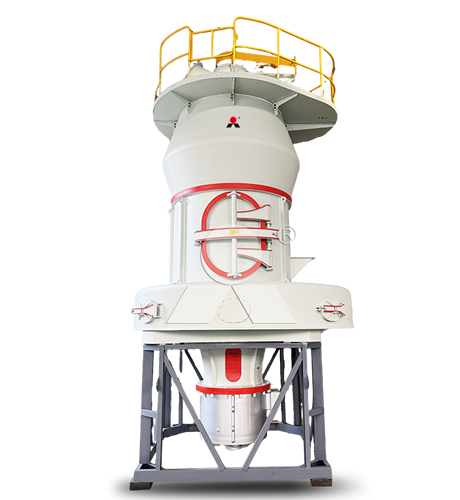
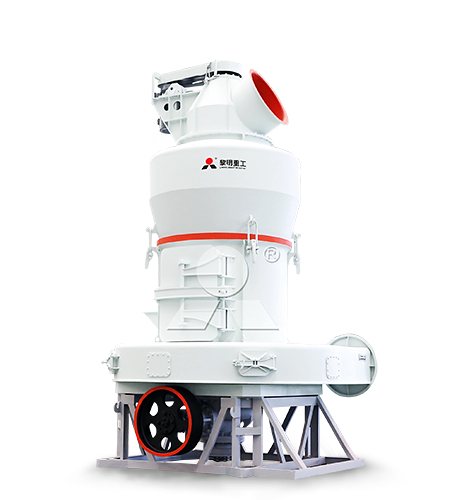
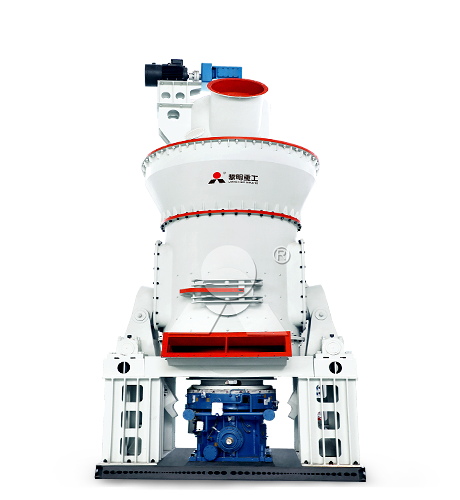
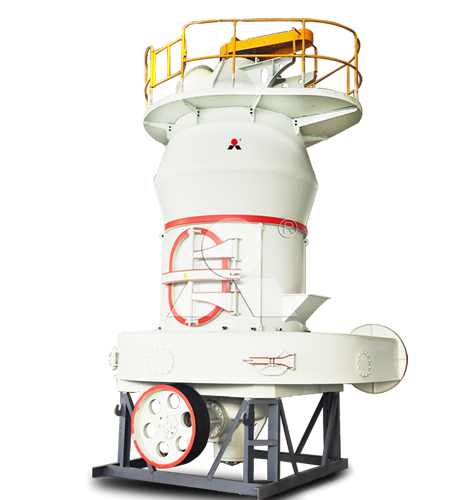
We are Liming Heavy Industry, a manufacturer of various types of industrial crushers, such as Raymond Mill, Trapezoidal Mill, Vertical Mill, Ultrafine Mill, Ball Mill, etc.
Our mills can process the following minerals:
limestone, quicklime, kaolin, talc, barite, bentonite, calcium carbonate, dolomite, coal, gypsum, clay, carbon black, slag, cement raw materials, cement clinker, etc.
If you need a mill to process stone or minerals into powder, please feel free to contact me (WhatsApp: +8615333807511). Thank you.
Food-grade calcium carbonate is produced either by mechanically processing carefully selected high-purity natural calcium carbonate or by chemically precipitating calcium carbonate under controlled conditions. In both routes, the essential requirement is not simply achieving a fine white powder: the producer must control raw-material origin, contamination, purity, particle size, heavy metals, hygiene, packaging, traceability, and compliance with the food regulations of the intended market.
For most high-volume food, supplement, confectionery, and oral-care applications, production starts with a quality system and an approved specification. Grinding or precipitation comes afterward. A powder that looks white and has high CaCO3 content is not automatically food grade unless it is manufactured and released against applicable food-quality requirements.
Choose the production route
There are two main routes for producing food-grade calcium carbonate: natural ground calcium carbonate (food-grade GCC) and precipitated calcium carbonate (food-grade PCC). The route should be selected according to required purity, particle-size distribution, particle morphology, cost, application, and regulatory documentation.
| Production route | Starting material | Main advantage | Typical applications |
|---|---|---|---|
| Food-grade GCC | Selected high-purity limestone, marble, calcite, or chalk. | Economical processing, broad availability, and practical use in many dry-food and supplement applications. | Dietary supplements, bakery products, confectionery, chewing gum, dry foods, food processing, and selected fortification uses. |
| Food-grade PCC | Purified calcium source converted to calcium hydroxide, then carbonated with carbon dioxide. | More controllable particle size, morphology, and physical properties. | Specialty food systems, oral care, high-value supplements, and applications requiring controlled texture or dispersibility. |
U.S. regulations describe three common calcium carbonate manufacturing routes: recovery as a lime-soda-process byproduct, precipitation from calcium hydroxide in a carbonation process, and mining followed by crushing and processing of naturally occurring calcite or aragonite.
Start with an approved raw material
Food-grade production begins with raw-material qualification. The quarry, mine, lime source, process water, carbon dioxide source, additives, processing aids, and packaging materials must all be assessed for food-safety risk.
For food-grade GCC, producers typically select a deposit with naturally high calcium carbonate content, high whiteness, and low levels of silica, iron-bearing minerals, magnesium minerals, dark particles, and toxic elements. For food-grade PCC, the producer must control the quality of limestone or another calcium source, quicklime, hydration water, carbon dioxide, and any processing aids.
Raw-material approval should include
Representative geological sampling across the quarry or source area.
CaCO3 assay and elemental-calcium analysis.
Heavy-metal and toxic-element testing, including lead, arsenic, cadmium, and mercury.
Acid-insoluble residue testing to identify silica, sand, clay, and other mineral contamination.
Whiteness, color, and visible foreign-particle evaluation.
Particle-size and mineralogical characterization where relevant.
Supplier qualification for carbon dioxide, water, processing aids, and packaging.
Traceability records linking each finished lot to its raw-material source and production batch.
For food use in the United States, ground limestone must consist essentially of at least 94% calcium carbonate and must be manufactured by crushing, grinding, and classifying natural limestone. Commercial food-grade specifications are often tighter than this regulatory minimum because applications such as supplements, confectionery, chewing gum, and toothpaste require strong control of impurities and physical consistency.
Food-grade GCC process
Food-grade GCC is produced through physical mineral processing. The objective is to preserve the natural calcium carbonate while removing contamination, reducing particle size, controlling the particle-size distribution, and preventing recontamination during production and packing.
1. Selective mining and receiving
Mining should follow a deposit-control plan that separates high-purity material from lower-grade rock, weathered zones, clay seams, silica-rich layers, or visibly contaminated material. At the plant, incoming stone is sampled, inspected, and released only if it meets the approved raw-material specification.
Food-grade operations should use documented lot identification from quarry block or mine face through crushing, milling, storage, and packaging. This traceability is essential for quality investigations and recall readiness.
2. Crushing and removal of oversize material
Approved stone is reduced through staged crushing. Primary crushing reduces quarry stone to manageable pieces, while secondary crushing prepares a consistent feed for milling. Screens, magnets, metal detectors, and controlled material flow help reduce the risk of oversized material and metallic contamination.
Dust-control equipment is important at this stage, but the collection system must be designed so that contaminated dust is not returned indiscriminately to a food-grade product stream. A food-grade production line should keep rejected material, maintenance debris, and non-food-grade dust separate from released product.
3. Washing or beneficiation when required
Some deposits require washing, wet screening, flotation, magnetic separation, or other beneficiation before fine grinding. The purpose is to reduce clay, silica, colored minerals, iron-bearing particles, or other impurities that could prevent the product from meeting food-grade requirements.
Beneficiation water must meet the plant’s approved quality standard. The process should also include controls for wastewater, cross-contamination, equipment cleanliness, and the handling of recovered material. Not every high-purity marble or calcite source needs wet beneficiation, but the decision should be based on source chemistry and risk assessment rather than assumed from appearance.
4. Fine grinding and classification
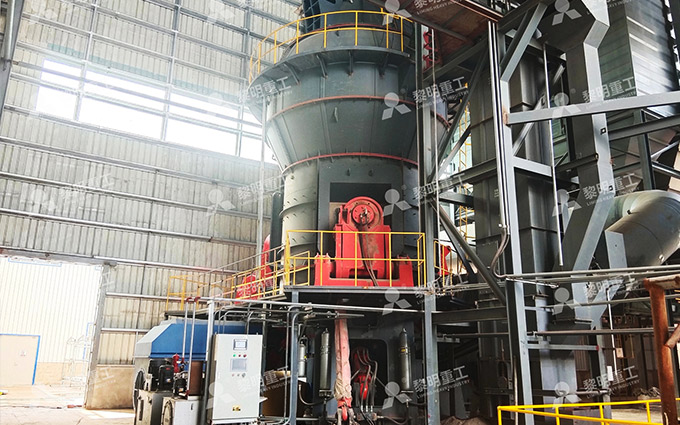
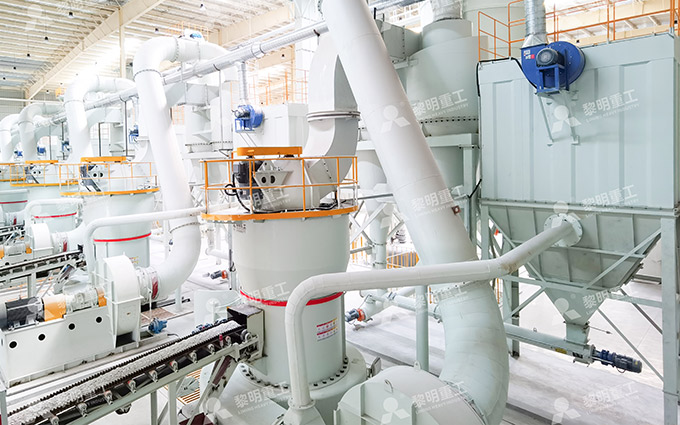
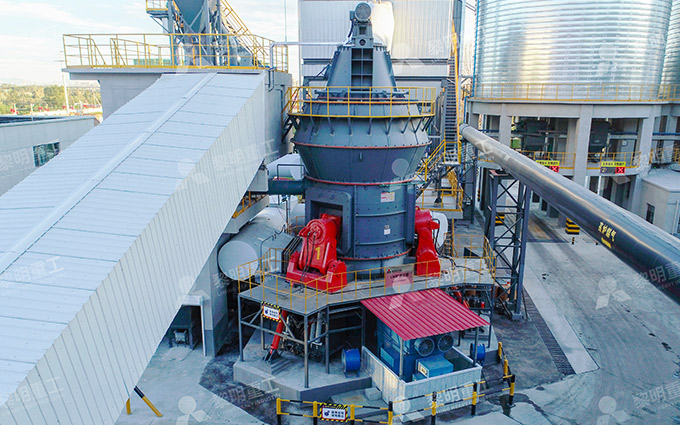
The purified mineral is milled to the target fineness using equipment such as roller mills, ball mills, vertical mills, or other food-compatible grinding systems. Air classification, screening, or wet classification separates coarse particles and helps create the specified particle-size distribution.
The required fineness depends on the end use. A supplement-tablet filler, confectionery whitening agent, chewing-gum ingredient, dry blend, or toothpaste abrasive can each require a different D50 and upper particle-size limit. Food-grade specifications should therefore use measured particle-size distribution data—such as D10, D50, D90, D97, or D98—rather than only a mesh designation.
5. Final purification and contamination control
After grinding, the powder should pass through appropriate contamination-control steps. These may include rare-earth magnets, metal detection, screening, dedusting, and controlled transfer through enclosed conveyors or pneumatic systems. The exact sequence depends on plant design and risk assessment.
Critical controls include worn grinding media, metal fragments, lubricant leaks, filter damage, foreign materials from maintenance, cross-contact with industrial grades, and contamination from open handling. Food-grade production should use hygienic zoning and validated cleaning procedures, particularly where the same site also produces industrial calcium carbonate grades.
6. Testing, release, and packaging
Every finished lot should be sampled according to a defined plan and tested before release. Once approved, it is packed into clean, food-contact-suitable bags, big bags, or other closed containers. Packaging must protect the powder from moisture, dust, pests, mix-ups, and damage during storage and transport.
The producer should issue a certificate of analysis showing the released lot’s critical results. A food-grade product should never be released merely because it meets a target mesh size or visual whiteness.
Food-grade PCC process
Food-grade PCC is produced by dissolving and rebuilding calcium carbonate through a controlled chemical route. Compared with GCC, this process allows tighter control over crystal formation, particle size, particle shape, surface area, and physical properties.
1. Calcination of approved limestone
High-purity calcium carbonate feedstock is heated in a kiln to produce quicklime, also called calcium oxide. Calcination releases carbon dioxide and leaves a reactive calcium oxide product.
The calcination stage must be managed carefully because fuel ash, refractory wear, kiln dust, and combustion-related contaminants can introduce impurities. Food-grade PCC operations therefore require controlled fuel selection, kiln maintenance, dust handling, and lot traceability.
2. Hydration to make calcium hydroxide
The quicklime is reacted with purified water to produce calcium hydroxide, commonly called hydrated lime or milk of lime when prepared as a slurry. The hydration process must use approved water and must be monitored to ensure complete and consistent conversion.
The slurry is commonly screened or otherwise purified to remove unreacted particles and insoluble contaminants before carbonation. This improves the purity and physical consistency of the final PCC.
3. Carbonation and controlled precipitation
Food-grade carbon dioxide is introduced into the calcium hydroxide slurry under controlled conditions. Calcium carbonate crystals precipitate from the liquid. By controlling the reaction conditions, producers can influence particle size, crystal form, surface area, and morphology.
In the standard carbonation route, calcium carbonate is precipitated from calcium hydroxide. This is one of the common manufacturing methods recognized in U.S. regulation. The process is valued because it can generate fine, uniform particles that are difficult to obtain through mechanical grinding alone.
4. Filtration, washing, drying, and finishing
After precipitation, the PCC slurry is filtered and may be washed to reduce soluble impurities. The wet cake is dried under controlled conditions, then milled or classified as needed to reach the final particle-size specification. Final screening, metal control, testing, and hygienic packaging follow the same general principles used in food-grade GCC production.
Food-grade PCC must be assessed not only for chemical purity but also for residual soluble salts, moisture, particle-size consistency, color, microbiological condition where relevant, and compatibility with the intended food formula.
Quality control and food safety
Food-grade calcium carbonate requires a risk-based food-safety and quality system. The manufacturer should establish specifications for raw materials, in-process material, finished product, packaging, sanitation, pest management, employee hygiene, traceability, and corrective action.
| Control area | Typical checks | Why it matters |
|---|---|---|
| Chemical identity and assay | CaCO3 content, elemental calcium, loss on drying, pH-related tests where applicable. | Confirms product identity, purity, and performance in fortification or processing applications. |
| Impurities | Acid-insoluble residue, magnesium salts, iron-related impurities, soluble salts, and other specified contaminants. | Controls mineral contamination, color, texture, and regulatory conformity. |
| Toxic elements | Lead, arsenic, cadmium, mercury, and any other elements required by the destination market. | Protects consumer safety and supports food-regulatory compliance. |
| Physical properties | Particle-size distribution, sieve residue, whiteness, bulk density, flowability, moisture. | Controls mouthfeel, opacity, dispersibility, blending, caking, and processing performance. |
| Microbiological control | Risk-based microbial testing, environmental monitoring, hygienic design, and packaging controls. | Protects food-safety quality for a directly used food ingredient. |
| Foreign-material control | Magnets, metal detectors, sieves, preventive maintenance, inspection, and cleaning validation. | Prevents metal fragments, hard particles, and maintenance-related contamination. |
| Traceability | Lot coding, retain samples, production records, supplier records, and change control. | Supports investigations, audits, recalls, and consistent product release. |
JECFA’s calcium carbonate specification requires not less than 98.0% assay after drying and includes identity and purity requirements. The specification was originally prepared by JECFA and later revised for metals and arsenic. Individual markets and customer specifications may require more restrictive limits, so producers should always use the current applicable standard.
Meet the applicable standard
Food-grade calcium carbonate must comply with the standard relevant to the destination market and use. The most common reference frameworks include the Food Chemicals Codex (FCC), JECFA specifications, Codex food-additive provisions, U.S. FDA regulations, EU E 170 requirements, and customer-specific food-safety standards.
In the United States, calcium carbonate used as a food ingredient under 21 CFR §184.1191 must meet the Food Chemicals Codex specification. In Codex terminology, calcium carbonate is INS 170(i), and JECFA maintains additive specifications for it.
Compliance must be assessed by the intended function. A grade used as a dietary-supplement calcium source may need different physical properties from a grade used as a confectionery color ingredient or a chewing-gum filler. If the same facility supplies food, oral care, pharmaceutical, and industrial markets, each product stream must be clearly segregated and released against its own specification.
Common production mistakes
Starting with the wrong deposit: Fine grinding cannot reliably remove every impurity from low-quality limestone or contaminated raw mineral.
Using only CaCO3 assay as a quality criterion: High assay does not prove acceptable heavy metals, microbiological quality, coarse-particle control, taste neutrality, or food-safety documentation.
Producing food grade on an uncontrolled industrial line: Shared equipment can introduce lubricant, metal, dust, foreign matter, or cross-contamination risks without hygienic zoning and validated cleaning.
Specifying only mesh: Food applications often need full PSD and coarse-particle control for mouthfeel, dispersibility, opacity, blending, or tablet performance.
Ignoring process-water and CO2 quality: PCC purity depends on the quality of every reaction input, not only the initial limestone.
Neglecting packaging controls: An approved powder can lose food-grade integrity through damaged packaging, moisture uptake, pest exposure, or poor traceability during storage and transport.
Claiming regulatory compliance without verification: Food-grade status depends on the market, intended use, specification, analytical methods, and current legal requirements.
FAQ
Can ordinary limestone powder be made into food-grade calcium carbonate?
Only if the limestone source is suitable and the finished material is processed, tested, documented, and released against the applicable food-grade specification. Ordinary industrial limestone powder cannot be relabeled as food grade without full source qualification, contamination control, quality testing, and regulatory verification.
Is food-grade calcium carbonate GCC or PCC?
It can be either. Food-grade GCC is mechanically processed from selected natural calcium carbonate. Food-grade PCC is chemically precipitated to provide more controlled particle characteristics. The appropriate option depends on the food application, required particle size, purity profile, and cost target.
What purity is required for food-grade calcium carbonate?
Requirements vary by standard and market. JECFA specifies not less than 98.0% calcium carbonate after drying, while U.S. rules for ground limestone specify not less than 94% calcium carbonate. Many customers require higher purity or tighter impurity limits for supplements, oral care, confectionery, and sensitive food applications.
Does food-grade calcium carbonate require microbiological testing?
It should be controlled under a risk-based food-safety program. The appropriate microbiological testing depends on the ingredient’s water activity, process, packaging, intended food use, storage conditions, and customer requirements. Food manufacturers commonly require a microbiological certificate or a documented control program as part of supplier approval.
Key takeaway
Food-grade calcium carbonate is produced by either carefully controlled natural grinding or controlled chemical precipitation, followed by strict testing and hygienic packaging. The central task is not merely grinding calcium carbonate finely; it is proving that each lot has the required purity, low contaminant profile, controlled particle size, food-safety integrity, traceability, and regulatory conformity for its intended food application.