Calcium Carbonate Knowledge Hub
Limestone for Calcium Carbonate Production
2026-09-04 16:19:01
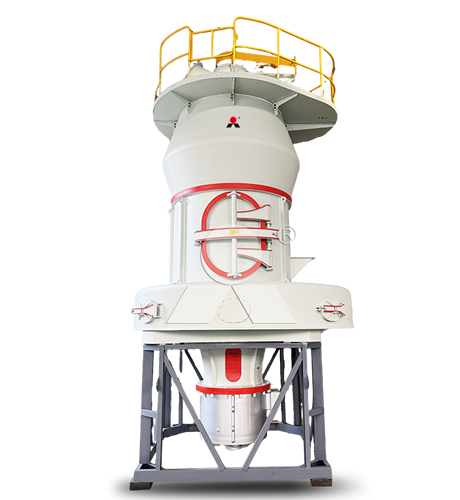
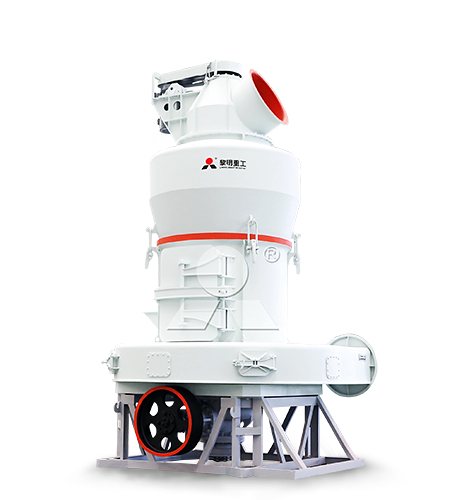
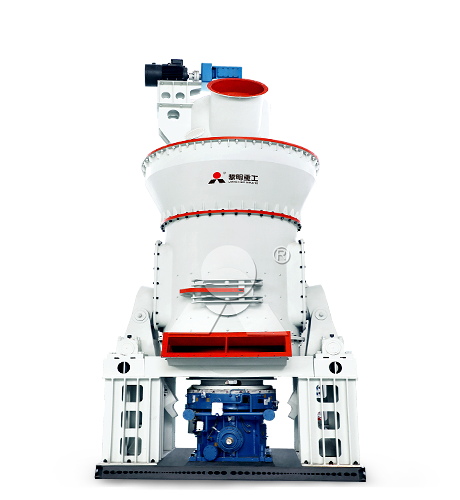
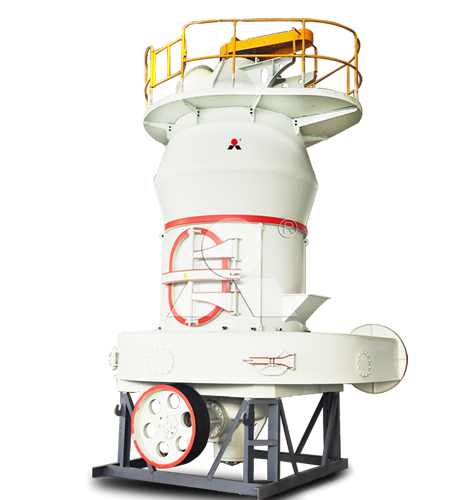
We are Liming Heavy Industry, a manufacturer of various types of industrial crushers, such as Raymond Mill, Trapezoidal Mill, Vertical Mill, Ultrafine Mill, Ball Mill, etc.
Our mills can process the following minerals:
limestone, quicklime, kaolin, talc, barite, bentonite, calcium carbonate, dolomite, coal, gypsum, clay, carbon black, slag, cement raw materials, cement clinker, etc.
If you need a mill to process stone or minerals into powder, please feel free to contact me (WhatsApp: +8615333807511). Thank you.
Limestone is the principal natural feedstock for ground calcium carbonate (GCC) production. A suitable deposit is quarried, selectively mined, crushed, ground, classified, and sometimes surface-treated to produce calcium carbonate powders or slurries for plastics, PVC, paper, coatings, rubber, adhesives, sealants, and other industrial applications.
However, not every limestone deposit is suitable for calcium carbonate production. The best source is not simply the one with abundant reserves: it must consistently provide the required calcium carbonate purity, whiteness, low contaminant levels, stable mineralogy, and processing behavior at the target particle size. Limestone is defined industrially as rock composed mostly of calcium carbonate, while the British Geological Survey classifies limestone as carbonate sedimentary rock containing more than 50% calcite and/or aragonite.
Limestone’s Role in GCC Production
Ground calcium carbonate is produced mechanically from natural carbonate rock rather than by chemical precipitation. Depending on the deposit and local geology, GCC producers may use limestone, marble, calcite, or chalk; limestone is among the most widely available and commercially important sources. The mined stone is processed into controlled powder grades, granules, or aqueous slurries.
The production route preserves the natural mineral origin of the calcium carbonate. Unlike precipitated calcium carbonate (PCC), which is made through a chemical process involving calcination, slaking, purification, carbonation, filtration, and drying, GCC is made by physical size reduction and separation of selected natural stone. Commercial calcium carbonate grades are commonly produced either by processing natural ores into GCC or by chemical precipitation into PCC.
| Raw material | Main carbonate mineral | Suitability for calcium carbonate production |
|---|---|---|
| High-calcium limestone | Primarily calcite | Common feedstock for GCC; particularly suitable where high CaCO3, low MgO, and good whiteness are available |
| Marble | Recrystallized calcite or dolomite | Can offer high whiteness and consistent mineralogy, although availability and mining economics vary |
| Chalk | Fine-grained calcite | Used in regions with suitable deposits; may be processed into fine powder or slurry products |
| Calcite ore | Calcite | Often selected for high-purity and bright GCC grades when deposit quality is strong |
| Dolomitic limestone | Calcite plus dolomite | May be useful for specific applications but is generally not interchangeable with high-calcium limestone for low-MgO GCC |
What Makes a Limestone Deposit Suitable?
The suitability of limestone for calcium carbonate production is determined by the interaction of geology, chemistry, mineralogy, mining conditions, and market requirements. A processor producing 10–20 µm filler for general rubber applications can accept a different raw-material profile from a producer targeting ultrafine, coated GCC for rigid PVC profile, wire and cable, high-gloss coatings, or paper coating.
High calcium carbonate content
High CaCO3 content is the central requirement. It indicates that a large share of the quarried material can become useful calcium carbonate product rather than non-carbonate residue. High-purity limestone is commercially important for paint, paper, plastics, rubber, adhesives, caulks, sealants, agricultural products, ceramics, glass, and other industrial uses.
For many premium GCC applications, producers favor calcite-rich limestone with CaCO3 content at or above roughly 97%. This is a useful industrial benchmark rather than a universal rule. Some applications accept lower purity, while premium white filler applications may require a more demanding combination of chemical purity, optical properties, mineralogical consistency, and low abrasive residue.
Low magnesium content
Magnesium is usually reported as MgO and commonly indicates the presence of dolomite, CaMg(CO3)2. Dolomite is a commercially useful carbonate mineral, but it has a different composition from calcite. As the dolomite proportion increases, the feed contains less pure calcium carbonate and more magnesium-bearing carbonate.
Low-MgO limestone is generally preferred for high-calcium GCC because it supports clearer product positioning, tighter chemical specifications, and better compatibility with customers that require primarily calcitic calcium carbonate. A pale, visually attractive stone can still be too dolomitic for a particular calcium carbonate grade, so MgO should always be verified by laboratory analysis.
Low silica, clay, and insoluble residue
Silica may occur as quartz, chert, sand, or siliceous bands within the limestone. Clay minerals may appear in bedding planes, weathered zones, cavities, or fine coatings. These materials reduce the usable carbonate fraction and can cause processing problems.
Quartz and chert are much harder than calcite and can increase wear in crushers, mills, classifiers, pipelines, and conveying systems.
Siliceous particles can create grit, raise acid-insoluble residue, and limit use in fine or premium filler grades.
Clay may reduce whiteness, complicate drying and wet processing, and affect the rheology of calcium carbonate slurries.
Variable impurity zones can lead to unstable product chemistry and inconsistent color from one production batch to another.
Whiteness and low iron contamination
For plastics, paper, coatings, sealants, and white rubber products, raw-stone color is commercially important. Whiteness is influenced by the purity and crystal characteristics of the carbonate, but it can be reduced by iron oxides, sulfide minerals, organic matter, weathering, clay, manganese-bearing phases, and dark non-carbonate inclusions.
Iron is often measured as Fe2O3. Even low iron-bearing contamination may cause yellow, beige, gray, brown, or reddish tones after grinding. This is especially important because a fine powder exposes far more surface area than quarry stone; subtle color variation in a block can become visible in a finished calcium carbonate powder or polymer compound.
From Quarry Stone to Calcium Carbonate
Limestone does not become saleable GCC immediately after blasting. It must pass through a controlled sequence of mining, preparation, comminution, separation, and quality-control operations. The exact flow sheet depends on required fineness, whether the product is dry powder or slurry, the amount of impurities, and whether surface treatment is needed.
1. Selective quarrying and stockpiling
Production begins with geological mapping and quarry planning. A limestone resource may contain multiple benches or layers with different CaCO3, MgO, silica, whiteness, hardness, and moisture characteristics. Selective extraction separates premium high-calcium stone from lower-grade, dolomitic, clay-rich, weathered, or siliceous material.
After extraction, material may be blended in controlled stockpiles. The purpose is not merely to create a large inventory; it is to stabilize feed quality. A well-designed stockpile system can reduce day-to-day variation in the chemistry and whiteness reaching the grinding plant.
2. Crushing and feed preparation
Run-of-quarry limestone is reduced through primary and secondary crushing. The goal is to create a stable feed size suitable for storage, drying if necessary, and fine grinding. Screening may remove oversize material, while magnets can remove tramp iron introduced during mining, crushing, or handling.
Where the deposit contains clay, loose surface contamination, or unwanted fine material, washing and sorting may be included. Industry guidance for natural calcium carbonate processing identifies washing, removal of undesirable contaminants, grinding, particle-size classification, and drying as typical treatment stages after quarrying.
3. Drying when required
Moisture control is essential for efficient dry grinding and air classification. Wet or highly variable limestone can reduce mill capacity, increase energy consumption, cause buildup, and interfere with particle separation. Depending on the process, drying may occur before, during, or after grinding.
Drying requirements are deposit-specific. Dense, dry limestone from a well-managed quarry may need limited thermal treatment, while chalky, weathered, washed, or moisture-sensitive material can require more robust drying capacity.
4. Fine grinding and classification
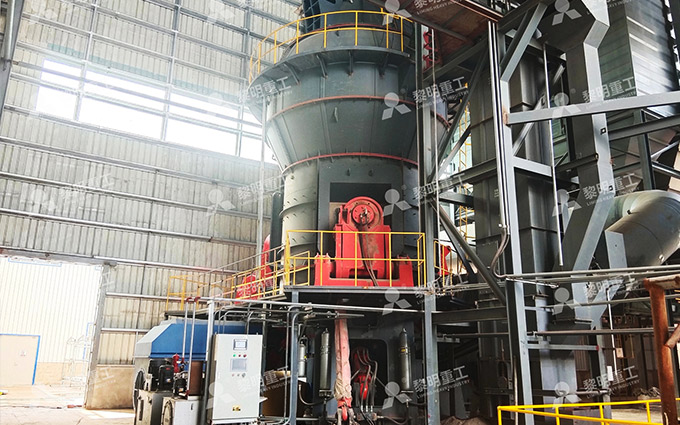
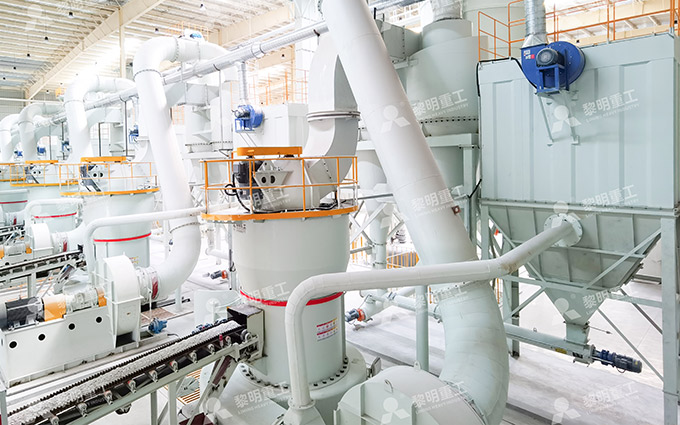
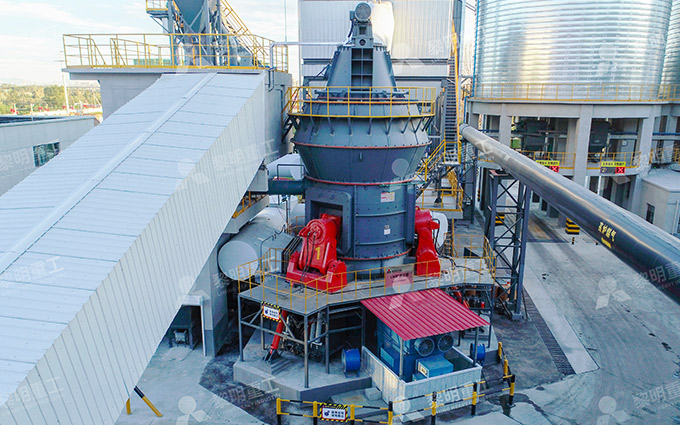
Fine grinding converts crushed limestone into GCC with a controlled particle-size distribution. Common equipment configurations include ball mills with air classifiers, roller mills, vertical mills, ring roller mills, and other fine-grinding systems. Classification is not a secondary detail: it determines which particles become final product and which particles return to the mill for further grinding.
For very fine GCC grades, wet grinding may be used to produce slurry products or to achieve narrow particle-size control. Industry equipment guidance notes that high-output, very fine calcium carbonate products can be produced using vertical wet-mill systems and supplied as paint or paper slurries, or subsequently dried, coated, and classifier-cleaned.
5. Optional surface treatment
Many GCC grades for plastics, rubber, adhesives, and sealants are surface-treated. Fatty acids such as stearic acid are widely used to make calcium carbonate more hydrophobic and more compatible with non-polar polymer systems. The objective is to improve dispersion, reduce moisture sensitivity, support processing, and help formulators achieve the desired balance of cost, viscosity, filler loading, and mechanical performance.
Surface treatment does not correct poor raw limestone. A coating can improve compatibility with a polymer matrix, but it cannot remove quartz, eliminate iron staining, turn dolomitic feed into high-calcium material, or solve inconsistent quarry chemistry.
Choosing Limestone by End Use
Limestone selection should begin with the buyer’s end-use requirements. This avoids over-specifying raw material where a standard grade is sufficient and under-specifying it where performance demands are high.
| Calcium carbonate application | Preferred limestone characteristics | Key production focus |
|---|---|---|
| Rigid PVC pipe, profile, and fittings | High CaCO3, high whiteness, low MgO, low iron, low abrasive residue | Fine particle-size control and, for many formulations, consistent stearic-acid coating |
| Wire and cable compounds | Clean, low-moisture, bright and consistent limestone feed | Reliable dispersion, controlled particle size, stable powder handling |
| Paper filler and paper coating | High brightness, low grit, low iron, low silica, consistent mineralogy | Fine or ultrafine grinding, slurry control, optical-property management |
| Paints and architectural coatings | White limestone with low discoloring impurities and suitable grindability | Particle-size distribution, oil absorption, dispersion, and gloss-related performance |
| Rubber, sealants, and adhesives | Consistent calcium carbonate content, manageable moisture, controlled contaminants | Appropriate particle size and optional surface treatment for formulation compatibility |
| General industrial filler | Reliable carbonate content and economical quarry-to-plant logistics | Efficient crushing, grinding, and grade separation at the required fineness |
Quarry Quality Is a Long-Term Issue
A single laboratory certificate does not prove that a limestone deposit will support a calcium carbonate plant for years or decades. The critical issue is consistency across the mineable reserve. Carbonate deposits can vary significantly from one bench to another because of dolomitization, chert seams, clay layers, weathering, fractures, groundwater movement, fossils, and localized mineral staining.
A robust raw-material qualification program should include representative samples from multiple locations and depths, rather than relying on one surface sample or one bulk delivery. Each important geological unit should be assessed for chemistry, mineralogy, whiteness, moisture, grinding response, acid-insoluble residue, and particle-size performance after pilot milling.
For a new GCC operation, it is also important to compare the quarry resource with the actual plant design. A deposit may have excellent calcium carbonate chemistry but require special crushing protection because of chert; it may have strong whiteness but high moisture that constrains a dry process; or it may have suitable average purity but excessive variation that requires selective mining and blending.
Economic Factors Beyond Chemistry
High-purity limestone has no value to a GCC plant if it cannot be mined, processed, and delivered competitively. Calcium carbonate is a high-volume industrial mineral, so transport distance, quarry stripping ratio, blasting conditions, energy consumption, grinding-media wear, drying demand, packaging format, and access to customers can strongly influence the final cost per tonne.
For this reason, the best limestone source is often the deposit that achieves the required grade with the lowest total delivered cost—not necessarily the deposit with the highest theoretical CaCO3 result. A slightly lower-purity but highly consistent, low-moisture, easily ground limestone located near a major PVC or coatings market may be more commercially attractive than a remote ultra-high-purity reserve with difficult logistics.
Key Takeaway
Limestone for calcium carbonate production must be evaluated as an industrial raw material with a defined performance role. High-calcium, calcite-rich, bright, low-contaminant limestone is the preferred basis for many GCC grades, particularly those used in white plastics, PVC, paper, coatings, rubber, and sealants.
Successful production depends on more than mining limestone and operating a mill. It requires selective quarrying, stable feed blending, contaminant control, suitable crushing and grinding technology, precise classification, and—when needed—surface treatment. When the limestone resource and process route are matched to the end market, the result is a consistent calcium carbonate product rather than simply finely ground stone.