Calcium Carbonate Knowledge Hub
Marble Powder Processing Guide
2026-09-04 16:23:04
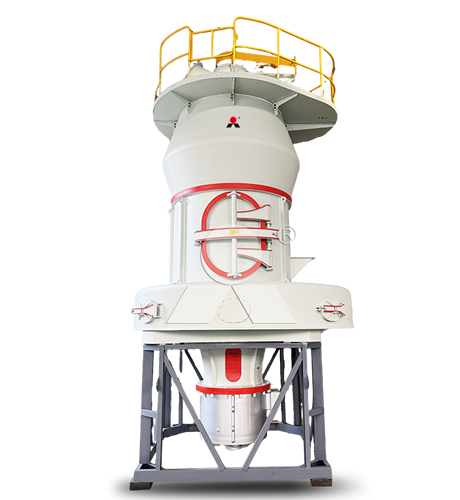
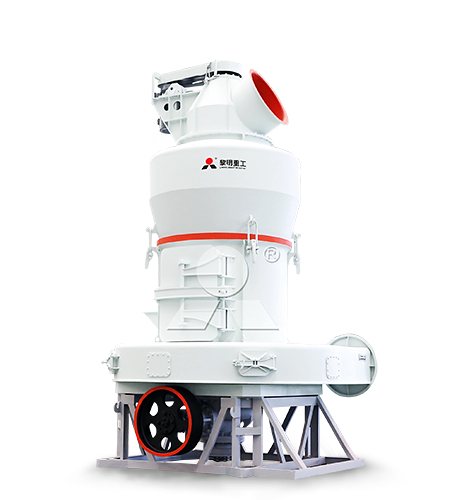
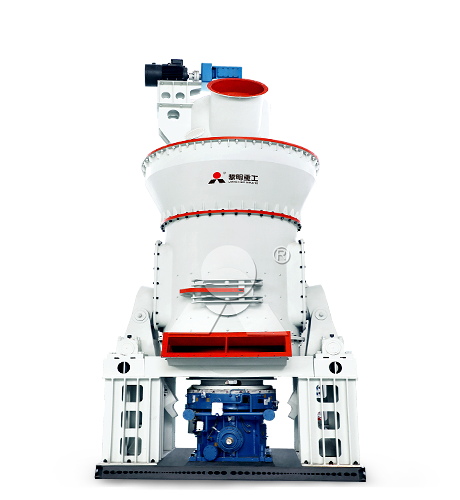
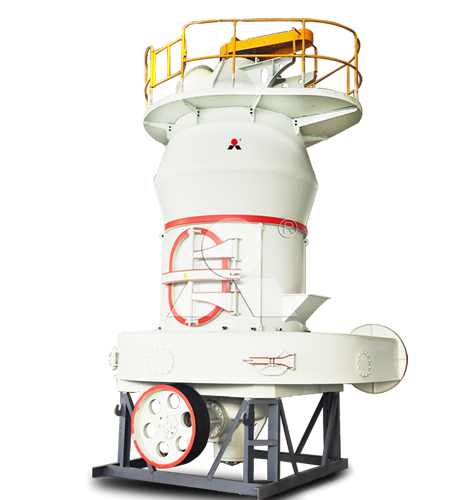
We are Liming Heavy Industry, a manufacturer of various types of industrial crushers, such as Raymond Mill, Trapezoidal Mill, Vertical Mill, Ultrafine Mill, Ball Mill, etc.
Our mills can process the following minerals:
limestone, quicklime, kaolin, talc, barite, bentonite, calcium carbonate, dolomite, coal, gypsum, clay, carbon black, slag, cement raw materials, cement clinker, etc.
If you need a mill to process stone or minerals into powder, please feel free to contact me (WhatsApp: +8615333807511). Thank you.
Marble powder processing converts calcitic marble, selected quarry by-products, or clean marble residues into controlled mineral powder for construction compounds, PVC, plastics, coatings, paper, rubber, adhesives, sealants, and other industrial uses. The core route is raw-material qualification, sorting, crushing, moisture control, grinding, classification, optional surface treatment, quality testing, and packing.
A successful marble powder plant does more than reduce stone to a chosen mesh size. It controls purity, whiteness, particle-size distribution, moisture, abrasive contamination, and consistency from quarry face or waste stream to final product. For GCC applications, the target is a stable calcium carbonate powder—not simply marble dust. Natural calcium carbonate is commonly referred to as ground calcium carbonate (GCC) in industry.
Choose the Right Processing Route
Marble powder can be produced from several feed types, and each requires a different level of control. Clean calcitic marble from a quarry is normally the best feed for high-purity GCC. Dimension-stone offcuts and chips can also be valuable if they are segregated and traceable. Marble sludge, sawing fines, tailings, and mixed fabrication waste require the most careful assessment because they may contain water, abrasives, metal, resins, pigments, mixed stone, or other contaminants.
| Feed source | Typical processing route | Best potential markets | Main risk |
|---|---|---|---|
| Calcitic quarry marble | Selective mining → crushing → dry or wet grinding → classification | High-purity GCC, PVC, coatings, plastics, paper, sealants | Color zones, dolomitic bands, silica veins, iron staining |
| Clean quarry offcuts and chips | Sorting → crushing → grinding → classification | GCC and general industrial mineral filler | Mixed grades, contamination during stockpiling and handling |
| Dimension-stone production offcuts | Segregation → crushing → metal removal → grinding → classification | Construction chemicals, fillers, selected GCC grades | Mixed colors, adhesives, resin treatment, tool wear contamination |
| Marble sludge or sawing fines | Dewatering → drying → crushing or deagglomeration → milling → sieving or classification | Putty, mortar, cementitious products, selected fillers after qualification | High moisture, metal fines, abrasive grit, process chemicals, inconsistent particle size |
| Marble tailings | Washing → screening → dewatering → grinding or beneficiation | Lower-to-mid-value filler, construction products, potential GCC feed after upgrade | Variable mineralogy, clay, silicates, colored impurities, logistics cost |
Processing should be designed around the final specification. A 100–200 mesh marble powder for wall putty has very different equipment, energy, and quality-control requirements from a 2–5 µm coated GCC for PVC masterbatch or a fine wet-ground slurry for paper coating.
Raw Material Qualification
Before selecting a crusher, mill, or classifier, qualify the marble source. Marble can be predominantly calcite and highly suitable for calcium carbonate powder, but it can also contain dolomite, quartz, mica, feldspar, graphite, pyrite, iron oxides, colored veins, and other non-carbonate minerals.
For industrial mineral production, a visual inspection of white stone is not enough. Fine grinding exposes impurities across a much larger surface area. A slight gray vein, iron-stained fracture, or silicate band that appears minor in a block can reduce powder whiteness, create dark specks, increase mill wear, or cause a product to fail a low-residue specification.
Core raw-material tests
| Test | What it reveals | Why it matters |
|---|---|---|
| CaCO3 and CaO | Calcium carbonate richness | Indicates usable carbonate content and supports product-grade positioning |
| MgO | Dolomite or magnesium-bearing phases | Distinguishes high-calcium calcitic marble from more dolomitic material |
| SiO2 and acid-insoluble residue | Quartz, mica, feldspar, chert, and other insoluble minerals | High values can reduce purity, create grit, and accelerate mill wear |
| Fe2O3 and color analysis | Iron staining and colored mineral contamination | Controls whiteness, brightness, and suitability for white formulations |
| X-ray diffraction | Calcite, dolomite, quartz, mica, clay, sulfides, and other phases | Explains bulk chemistry and identifies beneficiation needs |
| Moisture | Water content in feed, sludge, stockpiles, and seasonal conditions | Determines dryer duty, powder flow, grinding efficiency, and storage behavior |
| Pilot grindability test | Energy requirement, particle breakage, classifier response, and wear tendency | Supports realistic mill selection and operating-cost estimation |
For marble sludge, test for metallic particles, abrasive grit, resin residues, cutting oils, pigments, water-treatment chemicals, and mixed stone contamination. One study preparing marble powder from marble sludge used a sequence of air drying, crushing, oven drying, grinding, and sieving; the tested material was approximately 94.88% CaCO3, but that result should not be generalized to all sludge sources.
Standard Marble Powder Process
A standard dry-processing flow for marble powder is:
Approved marble feed → sorting and blending → primary crushing → secondary crushing and screening → metal removal → drying if needed → grinding → air classification → optional coating → powder collection → final testing → silo storage and packing
The line may be simplified for coarse construction powder or expanded with optical sorting, washing, flotation, wet milling, drying, and surface modification for premium GCC. The right process is determined by the starting material and the required powder performance.
1. Sort, clean, and homogenize feed
Separate calcitic white marble from colored, stained, dolomitic, silicate-rich, or contaminated material before crushing. Once mixed and finely ground, impurities become difficult or expensive to remove. Grade control should be established at the quarry, receiving yard, and stockpile—not only at final inspection.
For quarry material, selective mining and controlled stockpile blending stabilize CaCO3, MgO, color, moisture, and grindability. For dimension-stone waste, traceability is essential: clean white offcuts should be kept separate from resin-treated slabs, engineered stone, granite, ceramics, colored marble, and mixed demolition material.
2. Crush the marble
Primary crushing reduces large blocks or quarry fragments to manageable pieces. Jaw crushers are common for large, hard feed. Secondary reduction may use hammer crushers, impact crushers, or cone crushers to produce a controlled mill feed. Screening recirculates oversize material and prevents large fragments from entering the fine-grinding circuit.
Modern powder-processing lines commonly reduce marble blocks through primary crushing before feeding an intermediate storage and homogenization stage, followed by secondary crushing and fine grinding.
Use permanent magnets and, where necessary, metal detectors to remove tramp iron. This protects downstream equipment and helps preserve the whiteness of high-value powders. Good dust collection is also required at crushers, screens, and transfer points to reduce material loss and maintain a safe, clean plant.
3. Dry or dewater the feed
Dry marble chips may enter a dry grinding line with little or no pre-drying. Wet marble, washed feed, sludge, and tailings require moisture management. Excess water causes buildup in hoppers, reduces mill throughput, weakens air classification, and can lead to compacted powder or poor storage stability.
For sludge, begin with mechanical dewatering whenever possible. Filter presses, belt filters, centrifuges, settling systems, or thickening equipment can reduce the load on thermal dryers. Then use rotary, flash, fluidized-bed, or other suitable drying equipment to achieve stable moisture appropriate for the selected mill and product specification.
Drying should be designed for actual variability, not only average moisture. Rainfall, quarry conditions, washing, seasonal humidity, and recycled process water can significantly change the moisture entering the plant.
4. Grind to the target fineness
Grinding converts crushed marble into powder. The correct mill depends on production capacity, feed size, moisture, hardness, target particle-size distribution, energy cost, and whether the product is coarse powder, fine GCC, ultrafine GCC, or wet-ground slurry.
| Target product range | Typical processing approach | Common end uses |
|---|---|---|
| Coarse marble powder | Crushing, screening, and relatively simple milling | Mortar, wall putty, tile adhesive, terrazzo, construction fillers, agricultural uses |
| Fine industrial powder | Pendulum mill, vertical roller mill, or equivalent fine-grinding system with classification | Paint, rubber, selected PVC, sealants, adhesives, general industrial filler |
| Fine and ultrafine GCC | Ball mill plus air classifier, ring roller mill, ultrafine mill, or other closed-circuit system | PVC profile, PVC pipe, masterbatch, coatings, fine rubber, specialty compounds |
| Wet-ground marble slurry | Wet mill, dispersant system, slurry classification, thickening and storage | Paper, paint, coating, and nearby slurry-consuming industries |
Dry grinding generally uses a closed circuit. Marble enters the mill, fine particles are carried to a classifier, acceptable product is collected, and coarse material returns to the mill. This arrangement improves control over D50, D97, coarse residue, and overall particle-size distribution.
Do not select a mill using mesh alone. For example, a customer specification of “800 mesh” does not explain the acceptable coarse tail, median size, specific surface area, bulk density, or performance in PVC. Confirm whether the customer requires a defined D50, D97, residue limit, laser-diffraction curve, or formulation result.
5. Classify and collect the powder
Air classification separates product-size particles from coarse material. In dry GCC production, the classifier is the key device for controlling the final grade. It may be integrated into the mill or installed as a separate high-efficiency dynamic classifier.
The fine fraction is collected in cyclones, baghouse filters, or other dust-collection equipment. The coarse fraction returns for further grinding. Airflow, classifier rotor speed, feed rate, mill power, powder temperature, and circulating load must be balanced to maintain stable quality and capacity.
For coarse construction powders, screening may be sufficient. For fine and ultrafine powder, air classification normally provides tighter control than conventional sieving and avoids rapid screen blinding at micron-scale particle sizes.
6. Apply surface treatment when required
Uncoated marble powder is appropriate for many construction, paper, coating, and general filler applications. For PVC, polyolefins, masterbatch, rubber, silicone sealants, and many adhesives, coated GCC is often preferred.
Stearic acid is the most common treatment for hydrophobic GCC. It helps make the calcium carbonate surface more compatible with many non-polar polymer systems, improves dispersion, reduces moisture sensitivity, and can support higher filler loading. The coating process typically uses heated mixing or dedicated surface-modification equipment.
Coating must be optimized rather than assumed. The correct treatment level depends on powder surface area, particle size, resin type, filler loading, compounding equipment, and the target balance of viscosity, mechanical properties, and cost. Surface treatment cannot compensate for poor whiteness, excessive silica, high MgO, or an unstable particle-size distribution.
Dry, Wet, and Beneficiation Routes
Not every marble source should follow the same route. The table below compares the three main approaches.
| Route | When to use it | Main advantages | Main limitations |
|---|---|---|---|
| Dry grinding | Clean, relatively dry marble; powder products for bulk or bagged sale | Direct process, established equipment, efficient dry-product logistics | Moisture can reduce performance; embedded impurities remain unless removed upstream |
| Wet grinding | Fine slurry products or feeds needing wet processing | Suitable for fine particle control, slurry supply, and selected downstream processes | Requires water, dispersants, slurry handling, and more complex transport logistics |
| Beneficiation plus grinding | Marble contains separable colored minerals, silicates, or other impurities | Can upgrade feed quality and expand usable resource | Adds capital cost, reagents, water treatment, tailings management, and process risk |
Wet processing may include washing, desliming, flotation, thickening, filtration, and drying. It is most justified when the raw marble has impurities that are physically separable and the market value of upgraded GCC exceeds the added processing cost. Research and commercial processing routes also explore treatment of marble residues to reduce colored impurities and produce higher-whiteness calcium carbonate powder.
Control Quality at Every Stage
Quality control should begin with the incoming marble and continue through crushing, milling, classification, coating, storage, and shipment. Final-bag testing alone is too late to prevent large volumes of off-specification powder.
Key finished-powder tests
CaCO3, CaO, MgO, SiO2, Fe2O3, and acid-insoluble residue
Mineralogy by XRD when source composition or blending changes
Whiteness, brightness, Lab* values, and dark-speck control
Particle-size distribution: D10, D50, D97, top cut, and screen residue
Moisture, bulk density, tapped density, and flowability
Specific surface area and oil absorption for relevant coatings, rubber, adhesive, or sealant grades
Coating degree, activation rate, or hydrophobicity for stearic-acid-coated GCC
Slurry solids, viscosity, sedimentation, and pH for wet-ground products
Build a control plan around meaningful process points: quarry or incoming feed, crushed product, mill feed, classifier product, coated powder, silo discharge, and packed product. Record results by batch or shift so quality variation can be traced back to the raw-material source and operating settings.
Common Processing Problems
| Problem | Likely cause | Corrective action |
|---|---|---|
| Low whiteness or variable color | Mixed marble grades, iron staining, dark veins, graphite, contaminated equipment | Improve feed segregation, selective quarrying, optical sorting where suitable, and line cleaning |
| High coarse residue | Low mill energy, worn parts, incorrect classifier settings, variable feed size | Optimize classifier airflow and rotor speed, stabilize feed, inspect mill components, adjust circulating load |
| High silica or grit | Quartz, mica, feldspar, abrasive sludge, silicate-rich bands | Reject contaminated feed, tighten sorting, wash or beneficiate where viable, protect the mill from hard minerals |
| High moisture or powder caking | Inadequate dewatering, weak dryer performance, humid storage, air leakage | Improve mechanical dewatering, control dryer duty, seal transfer points, use dry storage and appropriate packaging |
| High mill wear | Abrasive minerals or metal contamination | Install magnets, inspect screens, improve raw-material control, isolate quartz- or mica-rich marble zones |
| Poor dispersion in PVC or polymer compounds | Inappropriate particle size, insufficient coating, excess moisture, agglomeration | Optimize milling, drying, surface treatment, and storage; validate in the customer’s compound formulation |
| Unstable production capacity | Variable feed moisture, feed size, mineralogy, or classifier loading | Use pre-homogenization, improve feed metering, monitor process data, and separate variable raw-material zones |
Plant Design Priorities
For a marble powder project, equipment selection should be based on total operating performance rather than mill purchase price. A reliable production line needs a matched system: quarry or feed preparation, crushers, buffer storage, dryers if required, mill, classifier, dust collection, coating equipment, silos, packing, laboratory, and automation.
The highest-value improvements are often upstream. Better quarry sorting, stable feed blending, effective tramp-metal removal, accurate feeder control, and moisture management can improve finished-powder consistency more than simply installing a larger mill. A modern plant setup typically integrates raw-material receiving and crushing, intermediate storage and pre-homogenization, grinding, classification and collection, optional surface modification, then packing or bulk dispatch.
Key Takeaway
Marble powder processing is a specification-driven mineral operation. Start by separating clean calcitic marble from unsuitable or contaminated feed, then control crushing, drying, grinding, classification, and optional coating to create a powder that meets the intended application.
For high-value GCC, focus on consistent CaCO3 purity, low MgO and silica, high whiteness, low coarse residue, reliable particle-size distribution, controlled moisture, and proven performance in the customer’s PVC, coating, paper, rubber, sealant, adhesive, or construction formulation. The mill creates fineness; disciplined raw-material control and process integration create a marketable product.