Calcium Carbonate Knowledge Hub
Stearic Acid Coated Calcium Carbonate
2026-09-04 16:34:14
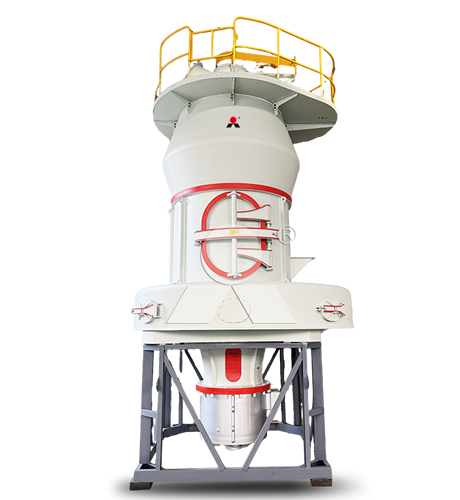
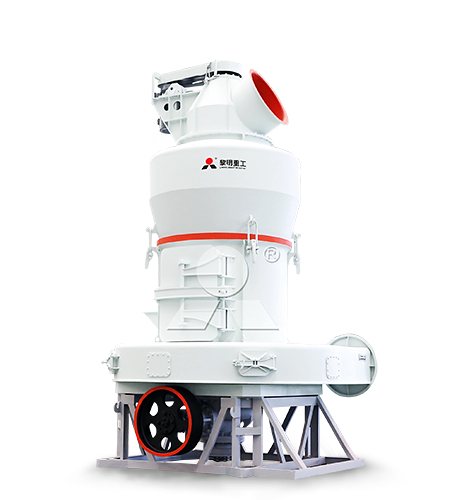
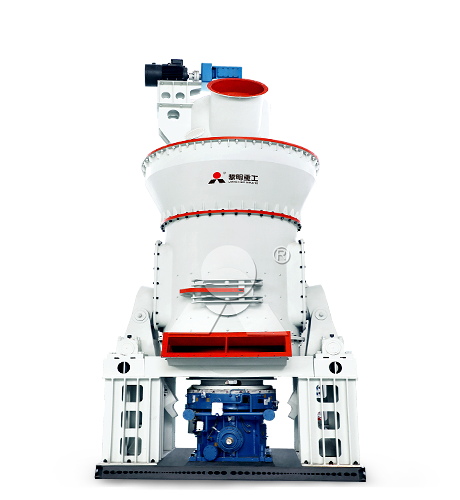
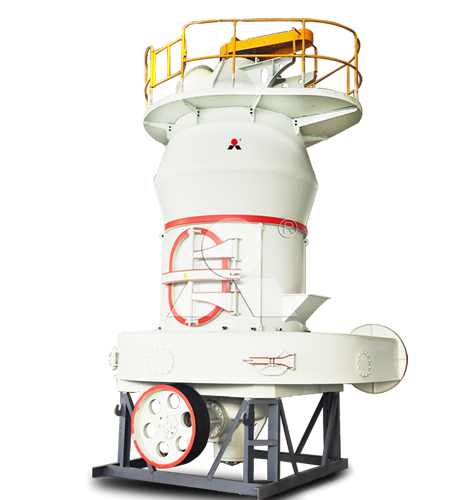
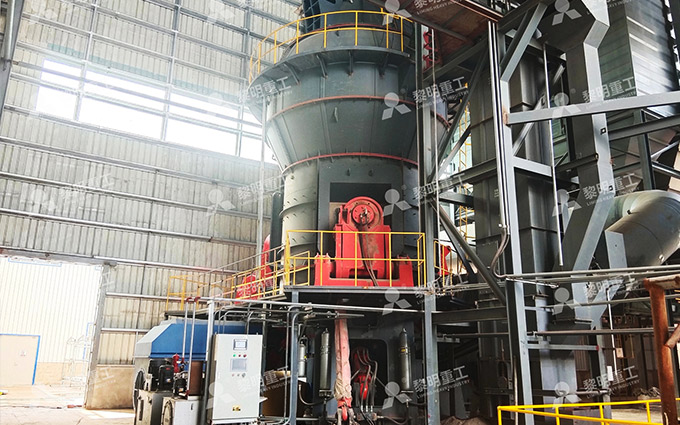
We are Liming Heavy Industry, a manufacturer of various types of industrial crushers, such as Raymond Mill, Trapezoidal Mill, Vertical Mill, Ultrafine Mill, Ball Mill, etc.
Our mills can process the following minerals:
limestone, quicklime, kaolin, talc, barite, bentonite, calcium carbonate, dolomite, coal, gypsum, clay, carbon black, slag, cement raw materials, cement clinker, etc.
If you need a mill to process stone or minerals into powder, please feel free to contact me (WhatsApp: +8615333807511). Thank you.
Stearic acid coated calcium carbonate is ground calcium carbonate (GCC) whose particle surface has been treated with stearic acid or a stearate. The treatment makes the naturally hydrophilic mineral surface more hydrophobic, helping the filler disperse in PVC, polyethylene, polypropylene, masterbatch, rubber, adhesives, sealants, and other organic systems.
Coated calcium carbonate is not a different mineral. Its core remains CaCO3, usually calcite-rich GCC from limestone, marble, chalk, or calcite ore. The difference is the engineered surface layer. When the coating is well matched to particle size, surface area, moisture, and the target resin, it can improve powder handling and compound consistency. Stearic acid is among the most commonly used surface modifiers for GCC.
What Stearic-Acid-Coated GCC Is
Ground calcium carbonate has a polar mineral surface. Untreated particles tend to interact with water and may disperse less easily in non-polar polymers. Stearic acid is a long-chain fatty acid. Its carboxylic end interacts with calcium carbonate surface sites, while its hydrocarbon chain creates a less polar outer surface.
The result is a calcium carbonate filler with lower surface polarity and better compatibility with many organic matrices. The treatment may involve adsorption, formation of calcium stearate at some surface sites, or both, depending on the process conditions and the material. This surface modification changes how the powder behaves; it does not change the underlying chemical identity of the calcium carbonate.
| Feature | Uncoated GCC | Stearic-acid-coated GCC |
|---|---|---|
| Core mineral | Natural calcium carbonate, typically calcite | Same natural calcium carbonate core |
| Surface character | More polar and hydrophilic | More hydrophobic and less polar |
| Water sensitivity | More likely to interact with moisture at the surface | Generally improved resistance to surface moisture when treatment is effective |
| Compatibility with PE and PP | Often more difficult to disperse in non-polar matrices | Usually improved compatibility and dispersion |
| Common applications | Paper, water-based coatings, paint, construction chemicals, selected fillers | PVC, PE, PP, masterbatch, cable compounds, rubber, sealants, adhesives |
| Key added quality controls | Purity, whiteness, PSD, moisture, residue | All base-powder controls plus coating level, activation rate, hydrophobicity, and dispersion |
Surface treatment with stearic acid is commonly used to improve calcium carbonate compatibility with polymer resins. In polyethylene and polypropylene applications, stearic acid treatment is used to increase hydrophobicity and improve dispersion in these non-polar polymers.
Why the Coating Matters
Calcium carbonate provides cost-effective filler loading, but the filler must be incorporated into a resin or binder without excessive agglomeration, viscosity increase, moisture-related defects, or surface-quality problems. Stearic acid coating helps manage the mineral–polymer interface.
Improved dispersion
When coated GCC disperses more uniformly, the compound is less likely to contain large filler agglomerates. Better dispersion can support smoother surfaces, more stable processing, and more consistent mechanical behavior. Research on calcium carbonate nanoparticles in polypropylene found that a single-layer stearic-acid modification improved distribution and dispersion in the PP matrix.
Reduced surface polarity
Stearic acid reduces the effective surface energy and polarity of calcium carbonate. This can make it easier for a non-polar polymer melt or organic binder to wet the filler surface. The practical result may be improved mixing, lower filler agglomeration, and more predictable rheology, although performance depends on the full formulation.
Better moisture resistance
Uncoated calcium carbonate can attract moisture at its surface. A well-applied stearic-acid coating reduces this tendency. This is important in moisture-sensitive compounding, especially where powder storage, pneumatic conveying, extrusion, or electrical applications require consistent low-moisture material.
Potential processing benefits
In polymer compounds, coated GCC can support easier feeding, improved melt dispersion, and more stable processing. The extent of improvement depends on resin type, particle size, filler loading, mixing equipment, plasticizer or additive package, and coating quality. Coating should therefore be validated in the customer’s actual formulation rather than assumed from activation rate alone.
How Coated Calcium Carbonate Is Made
Stearic acid coating is usually applied after GCC has been ground and classified to the target grade. The base powder must already be chemically clean, dry, bright enough, and correctly sized. Coating cannot correct poor limestone, high silica, high MgO, iron staining, broad particle-size distribution, or excessive coarse residue.
Qualified carbonate rock → crushing and grinding → air classification → dry base GCC → preheating → metered stearic acid addition → high-intensity mixing or pin-disc treatment → cooling → deagglomeration or final classification → quality testing → silo storage → packing or bulk loading
Base GCC requirements
| Base-powder property | Why it matters for coating |
|---|---|
| Stable D50 and D97 | Particle size controls surface area and therefore the required stearic-acid dose |
| Low moisture | Helps maintain powder flow and allows more consistent surface treatment |
| Controlled specific surface area | Supports repeatable coating coverage from batch to batch |
| Low silica and coarse residue | Reduces grit, equipment wear, and surface defects in polymer products |
| High whiteness and low dark specks | Coating does not improve raw mineral color or remove contamination |
| Stable chemistry | Maintains predictable interaction with the coating agent and customer formulation |
Dry coating process
Dry coating is the most common route for polymer-grade GCC. Classified powder enters a heated mixer, pin-disc mill, turbo modifier, or similar high-intensity treatment system. Molten stearic acid is accurately metered into the moving powder stream, and shear plus temperature help distribute the agent over the particle surface.
Important operating controls include GCC feed rate, powder moisture, powder temperature, stearic-acid temperature, dosing accuracy, mixer speed, residence time, cooling rate, and final powder deagglomeration. Any variation in the base powder’s surface area or throughput can change the effective coating level.
Wet coating process
Wet coating is used in some calcium carbonate slurry systems. The treatment agent is added to a water-based suspension, often in emulsified or dispersed form. The coated material may be sold as slurry or dewatered and dried to powder.
Wet methods can provide good particle–reagent contact, but they add requirements for water treatment, agitation, slurry stability, filtration, drying, and control of residual water. Technical literature recognizes both dry and wet methods as commercial approaches for coating calcium carbonate with stearic acid.
Stearic Acid Dosage
There is no universal stearic-acid dosage for coated calcium carbonate. The correct level depends primarily on available particle surface area, but it also depends on the mineral surface, powder moisture, treatment equipment, required hydrophobicity, resin system, filler loading, and target properties.
As a practical commercial starting range, coated GCC often uses approximately 0.5% to 1.5% stearic acid by weight. Around 1% is frequently discussed as a reference level for near-monolayer treatment of suitable calcium carbonate particles, but it must not be used as a fixed rule for all grades.
| Condition | Likely coating implication |
|---|---|
| Coarser GCC with lower surface area | Usually needs less stearic acid per tonne than an ultrafine grade |
| Finer or ultrafine GCC | Usually needs more treatment because the available surface area is higher |
| High moisture powder | May show poor or inconsistent coating performance even if dosage appears correct |
| High filler loading in PE or PP | Often needs consistent hydrophobic treatment and dispersion validation |
| PVC compounds | Requires coating to be optimized with the resin, plasticizer, stabilizer, lubricant, and process conditions |
| Sealants and adhesives | Requires evaluation of oil absorption, viscosity, extrusion behavior, and storage stability in the complete formulation |
Under-treatment can leave parts of the mineral surface too polar, increasing moisture sensitivity and reducing dispersion. Over-treatment can create excess free stearic acid, increase cost, alter flow or bulk density, and interfere with a resin or binder system. Measure and optimize rather than relying only on nominal additive dosage.
How to Specify Coated GCC
A coated calcium carbonate specification must include the underlying mineral quality and the surface-treatment performance. “Coated, 800 mesh” is not sufficient for an industrial purchase specification.
| Specification item | Why it should be included |
|---|---|
| CaCO3, CaO, MgO | Confirms high-calcium content and distinguishes calcitic from dolomitic material |
| SiO2, Fe2O3, acid-insoluble residue | Controls grit, abrasion, whiteness, and contamination risk |
| Whiteness, brightness, and Lab* values | Important for white PVC, masterbatch, coatings, and sealants |
| D10, D50, D97, and coarse residue | Defines actual particle-size distribution more reliably than mesh alone |
| Specific surface area | Helps interpret coating demand, oil absorption, and formulation behavior |
| Moisture | Affects storage, powder flow, extrusion, and coating effectiveness |
| Stearic-acid content | Confirms nominal treatment level and batch consistency |
| Activation rate or hydrophobicity | Indicates whether the treatment is functioning as intended |
| Bulk density and flowability | Important for storage, pneumatic conveying, bagging, and automated dosing |
| Application test result | Validates actual performance in the intended PVC, PE, PP, rubber, sealant, or adhesive formulation |
Applications of Stearic-Acid-Coated Calcium Carbonate
Coated GCC is most useful where the filler must interact effectively with an organic binder or polymer melt. The grade should be selected according to particle size, surface area, coating performance, purity, color, and end-use requirements.
| Application | Why coated GCC is used | Priority selection factors |
|---|---|---|
| Rigid PVC pipe and profile | Supports filler dispersion and compound processability | Whiteness, D50, D97, moisture, coating level, activation rate, extrusion performance |
| Polyethylene and polypropylene masterbatch | Improves compatibility with non-polar polymer matrices | Hydrophobicity, fine PSD, bulk density, low moisture, dispersion, melt-flow behavior |
| Wire and cable compounds | Helps maintain consistent filler distribution in polymer compounds | Low moisture, coating uniformity, PSD, electrical and mechanical compound requirements |
| Rubber | Supports filler incorporation and can influence processing and compound properties | Particle size, coating, moisture, surface area, dispersion, cure-system compatibility |
| Sealants | Controls density, rheology, extrusion behavior, and formulation economics | Oil absorption, moisture, PSD, surface treatment, flowability, storage stability |
| Adhesives | Acts as a mineral filler while helping manage viscosity and cost | Particle size, moisture, treatment compatibility, rheology, whiteness when required |
Coated vs Uncoated: When to Use Each
Coated GCC is not automatically the best choice. Use it when hydrophobicity and compatibility with an organic matrix are important. Uncoated GCC can be preferable when the system is water-based, mineral-based, or designed to interact with the natural polar calcium carbonate surface.
| Situation | Usually preferred option | Reason |
|---|---|---|
| PE and PP compounds | Stearic-acid-coated GCC | Non-polar polymers generally benefit from a more hydrophobic filler surface |
| High-filler PVC compounds | Often coated GCC | Can improve dispersion and processing when matched to the PVC formulation |
| Rubber compounds | Often coated GCC, subject to compound testing | Can improve filler incorporation and processing behavior |
| Solvent-based sealants and adhesives | Often coated GCC | Hydrophobic surface can help control wetting and rheology in organic systems |
| Water-based coatings | Often uncoated GCC, unless formulation testing supports coated material | Hydrophobic coating may reduce compatibility with aqueous systems |
| Paper filler and paper coating | Usually uncoated GCC or a paper-specific treated grade | Paper chemistry and aqueous slurry processing require application-specific surface design |
| Wall putty and cementitious products | Usually uncoated GCC | Cost, fineness, moisture, and mineral compatibility are often more important than hydrophobicity |
Common Quality Problems
| Problem | Likely cause | Practical response |
|---|---|---|
| Low activation rate | Insufficient additive, poor distribution, high powder moisture, low treatment temperature, short residence time | Verify dosing, improve drying and preheating, increase mixing efficiency, validate coating performance |
| Excess free stearic acid | Overdosing, low surface area, poor mixing, inaccurate pump calibration | Recalculate dosage from surface area, calibrate metering, improve additive distribution, confirm through analytical testing |
| Poor powder flow | Moisture pickup, hot storage, excess ultrafines, coating agglomerates, inadequate cooling | Control moisture and product temperature, improve deagglomeration, review PSD, improve silo and packaging conditions |
| Poor polymer dispersion | Inadequate coating, wrong PSD, broad coarse tail, high moisture, unsuitable treatment for the resin | Optimize coating and classification, reduce moisture, verify in formulation trials, consider alternative modifiers where needed |
| Variable batch performance | Unstable base powder, uncontrolled feed rate, temperature variation, inconsistent additive quality | Stabilize GCC production, link additive flow to powder mass flow, monitor temperatures, qualify stearic-acid supply |
| Dark specks or low whiteness | Raw-material impurities, steel contamination, dirty coating system, cross-grade dust return | Improve raw-material selection, install magnets, clean transfer systems, isolate premium grades |
Key Takeaway
Stearic acid coated calcium carbonate is a surface-engineered GCC designed mainly for hydrophobic polymer and organic-binder systems. The coating reduces surface polarity and can improve dispersion, moisture resistance, powder handling, and formulation consistency in PVC, PE, PP, masterbatch, rubber, sealants, and adhesives.
The best coated GCC is not defined by a nominal stearic-acid percentage alone. It requires a clean and consistent base powder, dosage matched to surface area, low moisture, uniform high-intensity treatment, proper cooling, and application-specific validation. Specify and test the full package: chemistry, whiteness, PSD, surface area, moisture, coating level, activation rate, flow, and real compound performance.