Calcium Carbonate Knowledge Hub
What Is Calcium Carbonate?
2026-09-03 16:08:48
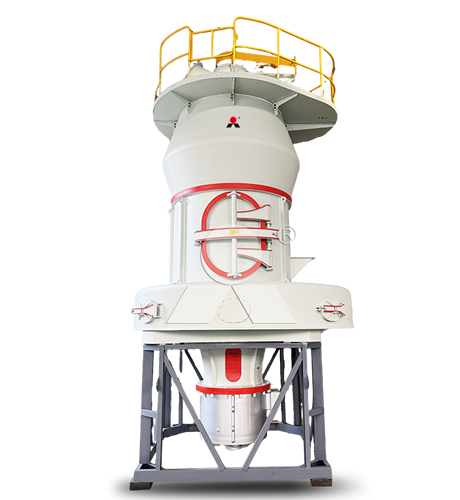
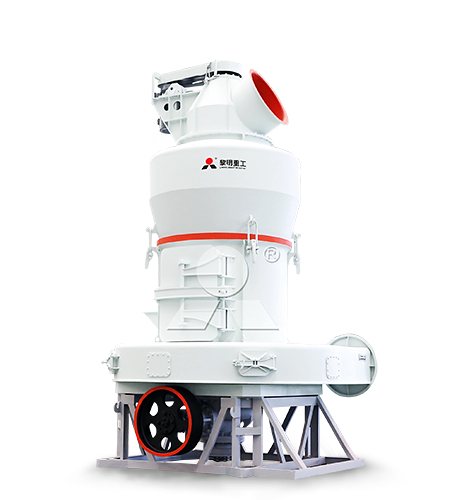
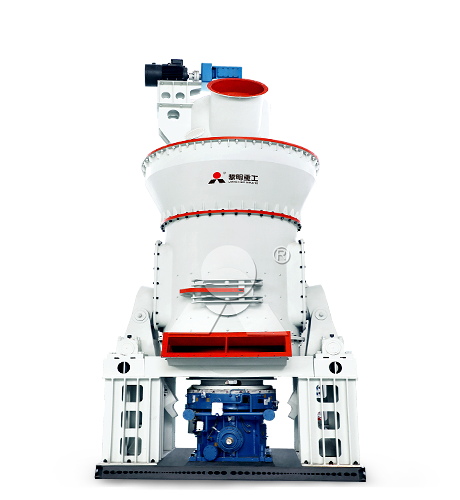
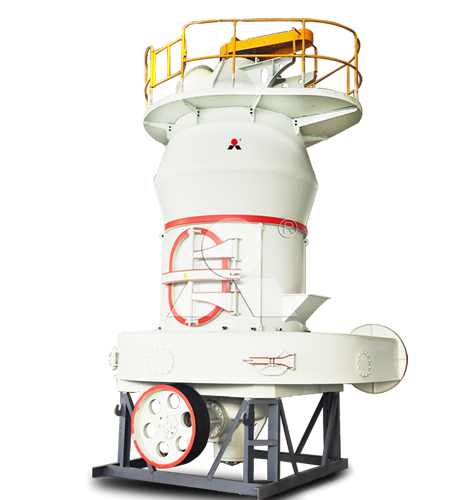
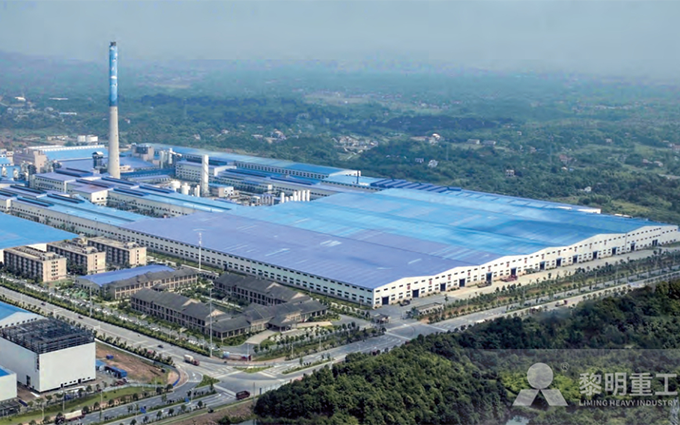
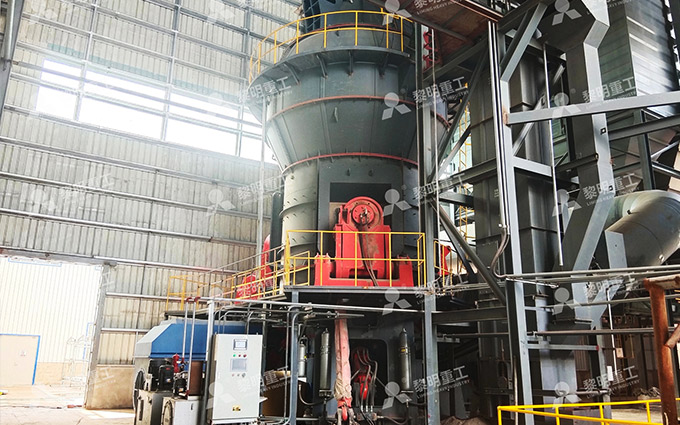
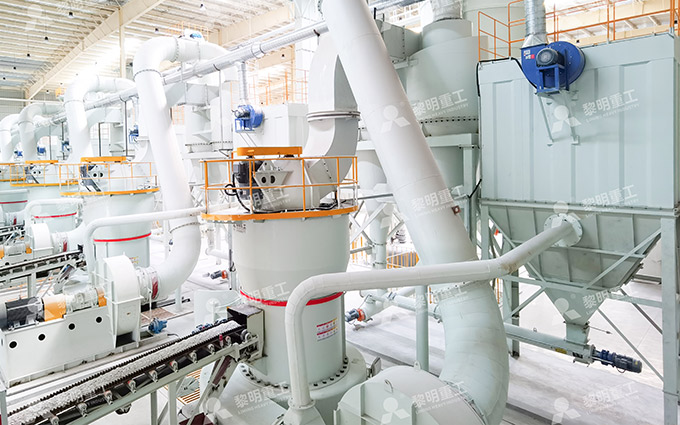
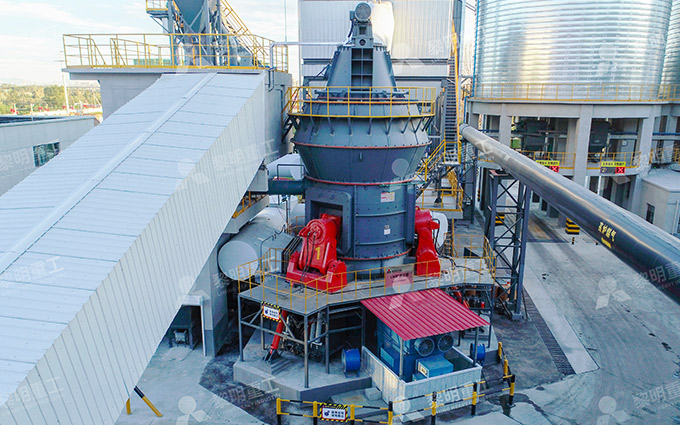
We are Liming Heavy Industry, a manufacturer of various types of industrial crushers, such as Raymond Mill, Trapezoidal Mill, Vertical Mill, Ultrafine Mill, Ball Mill, etc.
Our mills can process the following minerals:
limestone, quicklime, kaolin, talc, barite, bentonite, calcium carbonate, dolomite, coal, gypsum, clay, carbon black, slag, cement raw materials, cement clinker, etc.
If you need a mill to process stone or minerals into powder, please feel free to contact me (WhatsApp: +8615333807511). Thank you.
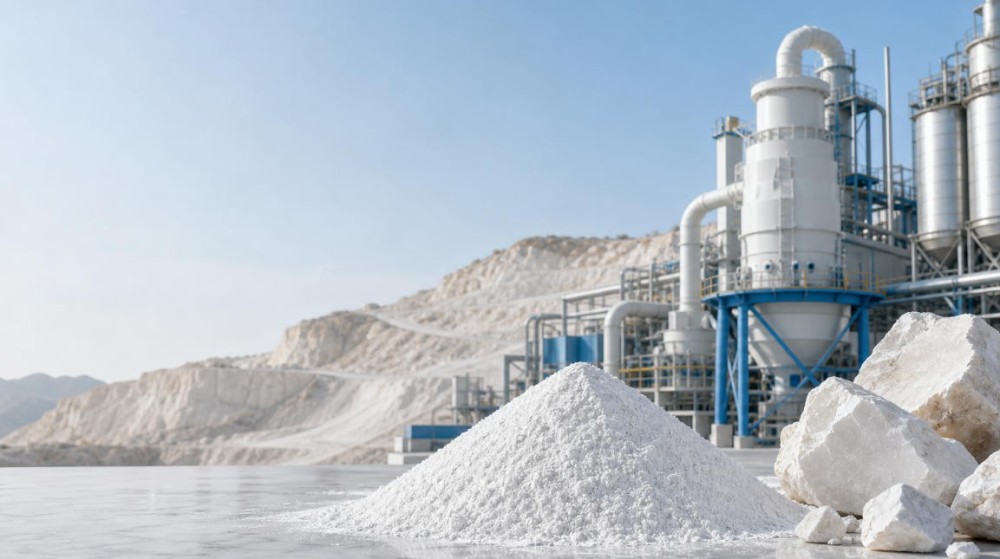
Calcium carbonate is a naturally occurring inorganic compound with the chemical formula CaCO3. It is made of calcium, carbon, and oxygen, and it is one of the most common mineral compounds on Earth. Calcium carbonate is the main component of limestone, marble, chalk, and many natural shells.
In industrial production, calcium carbonate is commonly processed into white powder and used as a mineral filler, extender, or functional raw material. It plays an important role in plastics, PVC, paper, paint, coatings, rubber, adhesives, sealants, construction materials, agriculture, and other industries.
Calcium Carbonate at a Glance
| Property | Description |
|---|---|
| Chemical name | Calcium carbonate |
| Chemical formula | CaCO3 |
| CAS number | 471-34-1 |
| Molecular weight | 100.09 g/mol |
| Common appearance | White powder, granules, crystals, or slurry |
| Main natural sources | Limestone, marble, chalk, calcite, shells, and coral |
| Main commercial types | Ground calcium carbonate (GCC) and precipitated calcium carbonate (PCC) |
Where Is Calcium Carbonate Found?
Calcium carbonate occurs naturally in rocks, minerals, and biological structures. It is particularly common in carbonate rock formations, where it may form through geological processes or from the accumulation of marine organisms over long periods.
The most important natural calcium carbonate sources include:
Limestone: A sedimentary rock composed mainly of calcium carbonate. It is the most widely used industrial raw material for producing calcium carbonate powder and lime-related products.
Marble: A metamorphic rock formed when limestone is exposed to heat and pressure. High-whiteness marble can be used for premium calcium carbonate products.
Chalk: A soft, fine-grained form of limestone. Pure chalk can contain up to 99% calcium carbonate, mainly as calcite.
Calcite: One of the most common mineral forms of calcium carbonate and an important feed material for high-purity powder production.
Shells and eggshells: Many marine shells, coral structures, and eggshells contain calcium carbonate.
What Are the Main Forms of Calcium Carbonate?
Calcium carbonate can occur in several mineral forms, called polymorphs. The most recognized forms are calcite, aragonite, and vaterite. These forms have the same chemical composition, CaCO3, but different crystal structures.
Calcite: The most stable and most common form. Calcite is widely found in limestone, marble, and chalk.
Aragonite: A naturally occurring crystal form commonly associated with shells, coral, and certain geological deposits.
Vaterite: A less stable and less common form of calcium carbonate.
For most industrial calcium carbonate powder applications, calcite-rich limestone, marble, or natural calcite is the preferred feed material.
What Are GCC and PCC?
Commercial calcium carbonate is generally supplied as either ground calcium carbonate (GCC) or precipitated calcium carbonate (PCC). Both are calcium carbonate, but they are produced in different ways and may have different particle characteristics.
Ground Calcium Carbonate (GCC)
Ground calcium carbonate is made by mechanically processing natural minerals such as limestone, marble, chalk, or calcite. The raw material is crushed, ground, classified, and collected as calcium carbonate powder.
GCC is widely used because it is cost-effective, available in many particle-size grades, and suitable for high-volume industrial applications. Depending on its fineness, whiteness, purity, and surface treatment, GCC can be used in PVC, plastic masterbatch, paper, paint, rubber, sealants, wall putty, and construction materials.
Precipitated Calcium Carbonate (PCC)
Precipitated calcium carbonate is produced through a controlled chemical process rather than direct mechanical grinding. This process allows manufacturers to create calcium carbonate particles with more controlled size, shape, and crystal structure.
PCC is often used when an application requires more specialized particle properties. It may be used in paper, coatings, plastics, pharmaceuticals, food-related products, and other technical applications.
What Is Coated Calcium Carbonate?
Coated calcium carbonate is calcium carbonate powder treated with a surface modifier. In polymer and rubber applications, stearic acid is a common coating material. Surface treatment helps improve the compatibility between calcium carbonate particles and hydrophobic resins or rubber compounds.
Coated calcium carbonate is commonly used in PVC products, plastic masterbatch, cable materials, flooring, films, rubber products, adhesives, and sealants. Compared with uncoated powder, an appropriately coated grade can provide better dispersion and more stable processing performance in many formulations.
How Is Calcium Carbonate Powder Produced?
Industrial calcium carbonate powder is usually produced from selected limestone, marble, chalk, or calcite deposits. The exact process depends on the raw-material quality, target powder fineness, production capacity, and final application.
A typical ground calcium carbonate process includes the following stages:
Raw-material selection and mining.
Crushing large stone into smaller feed material.
Grinding the material into fine or ultrafine powder.
Classifying the powder to control particle size.
Optional surface coating for polymer, rubber, adhesive, or sealant applications.
Collection, storage, packaging, or bulk transportation.
Manufacturers select the production line according to the desired product. For example, a coarse powder used in wall putty or dry mortar has different requirements from an ultrafine coated calcium carbonate used in PVC cable compounds, plastic film, or high-end coatings.
Key Properties of Calcium Carbonate
Calcium carbonate is selected not only for its chemical composition but also for its physical and processing properties. The most important specifications vary by industry and final product.
Purity: Higher CaCO3 content is generally preferred for high-value and white-product applications.
Whiteness: Important for paper, paint, coatings, plastics, artificial stone, and other visually sensitive products.
Particle size: Influences dispersion, smoothness, gloss, stiffness, viscosity, processing behavior, and final-product performance.
Particle-size distribution: A controlled distribution helps deliver stable and repeatable production results.
Moisture content: Low moisture is often important in plastic compounding and moisture-sensitive formulations.
Surface treatment: Relevant for coated calcium carbonate used in hydrophobic polymer and rubber systems.
Impurity level: Silica, iron, magnesium, and other impurities may affect whiteness, wear, processability, and product suitability.
What Is Calcium Carbonate Used For?
Calcium carbonate is one of the most versatile industrial minerals. It is used in many products as a filler, extender, pigment-supporting material, calcium source, pH-control material, or functional additive.
Plastics and PVC
Calcium carbonate is widely used in PVC pipes, PVC profiles, cable compounds, flooring, masterbatch, films, sheets, injection-molded products, and other plastic products. It can help control material cost while contributing to stiffness, dimensional stability, and processing performance.
Paints and Coatings
In paints and coatings, calcium carbonate is used as an extender pigment. It can influence viscosity, surface smoothness, gloss, film structure, and formulation cost. Fine and high-whiteness grades are often used in architectural coatings, industrial coatings, putty, and printing inks.
Paper and Paperboard
Paper manufacturers use calcium carbonate as a filler and coating pigment. It can help improve brightness, opacity, smoothness, printability, and bulk. Both GCC and PCC can be used, depending on the required paper grade and production process.
Rubber
Calcium carbonate is used in many rubber formulations, including footwear, hoses, mats, gaskets, cable compounds, and molded rubber parts. The selected grade can affect hardness, processing behavior, cost, and finished-product properties.
Adhesives and Sealants
Fine calcium carbonate powder is a common filler in silicone sealants, acrylic sealants, PVC sealants, construction adhesives, and other bonding materials. Particle size, surface treatment, oil absorption, and moisture level are especially relevant for these applications.
Construction Materials
Calcium carbonate and limestone are important raw materials for cement, concrete, dry-mix mortar, wall putty, gypsum-based products, artificial stone, building coatings, and other construction products. Their widespread use reflects the broad importance of carbonate minerals in modern building materials.
Agriculture and Environmental Applications
Calcium carbonate-rich materials are used in agriculture to help manage soil acidity. They can also be used in environmental and industrial processes involving acid neutralization, water treatment, and flue-gas treatment, depending on the process conditions and required chemical performance.
Why Is Calcium Carbonate Important?
Calcium carbonate matters because it is abundant, versatile, and adaptable to many formulations. It is available in different purity levels, particle-size ranges, whiteness grades, and surface-treatment options. This allows manufacturers to select products that balance cost, performance, appearance, processing efficiency, and material properties.
For industrial users, calcium carbonate is not simply a white powder. Its quality can influence product consistency, extrusion behavior, mechanical strength, surface finish, color, viscosity, and manufacturing cost. Selecting the right grade is therefore an important part of formulation design and production planning.
Frequently Asked Questions
Is calcium carbonate the same as limestone?
No. Calcium carbonate is the chemical compound CaCO3. Limestone is a natural rock composed mainly of calcium carbonate, often with varying levels of other minerals and impurities.
What is the difference between calcium carbonate and calcite?
Calcium carbonate is the chemical compound. Calcite is one naturally occurring mineral form of calcium carbonate. Calcite is the most common and stable polymorph of CaCO3.
What is the difference between GCC and PCC?
GCC is produced by grinding natural calcium carbonate minerals. PCC is made through a chemical precipitation process. PCC generally offers more control over particle size and crystal structure, while GCC is widely used as a cost-effective natural mineral filler.
Why is calcium carbonate coated?
Calcium carbonate is coated to improve its compatibility with polymers, rubber, adhesives, and sealants. Coating can support better dispersion and more stable processing in hydrophobic formulations.
Is calcium carbonate soluble in water?
Calcium carbonate has very low solubility in water. However, it reacts with acids, producing a calcium salt, water, and carbon dioxide gas.
Conclusion
Calcium carbonate, or CaCO3, is a widely available natural mineral found in limestone, marble, chalk, calcite, shells, and other materials. It is processed into different grades of powder for use across plastics, paper, paint, rubber, construction, adhesives, sealants, agriculture, and many other industries.
Its industrial value comes from its combination of availability, whiteness, controlled particle size, functional performance, and cost efficiency. Whether supplied as GCC, PCC, or coated calcium carbonate, the right grade depends on the specific product, formulation, and manufacturing process.