FAQ
What are the key components of a vertical roller mill and their functions?
2026-03-05 13:06:09
Summary:
A vertical roller mill (VRM) is widely used for grinding cement raw materials, coal, and industrial minerals. Understanding its key components helps operators improve efficiency, reduce maintenance costs, and ensure stable grinding performance.
Details:
Key Components of a Vertical Roller Mill and Their Functions
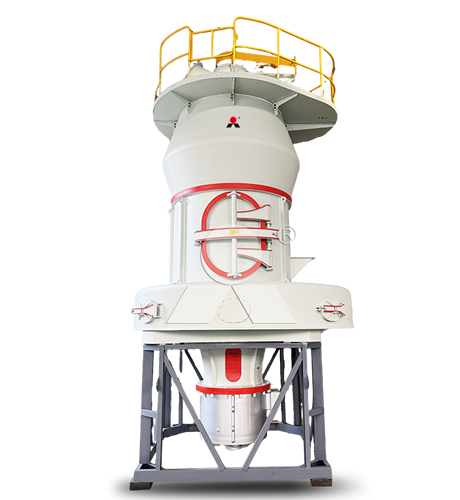
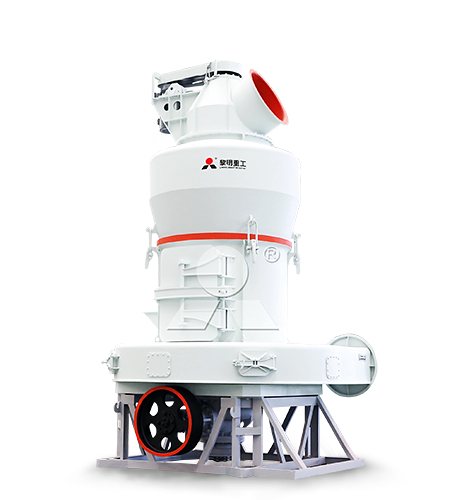
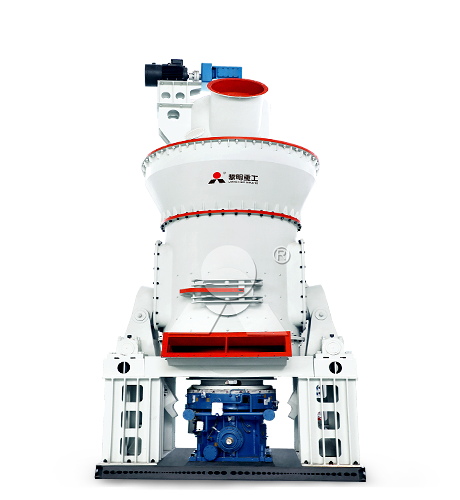
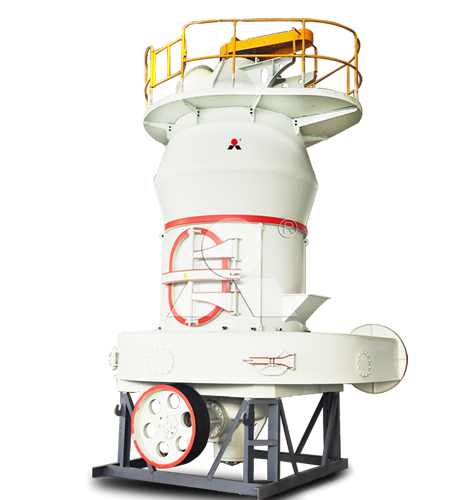
A vertical roller mill is a highly efficient grinding system commonly used in cement plants and mineral processing industries. It integrates crushing, drying, grinding, and classification in a single unit. The stable operation of the mill depends on several key components working together.
Grinding Table
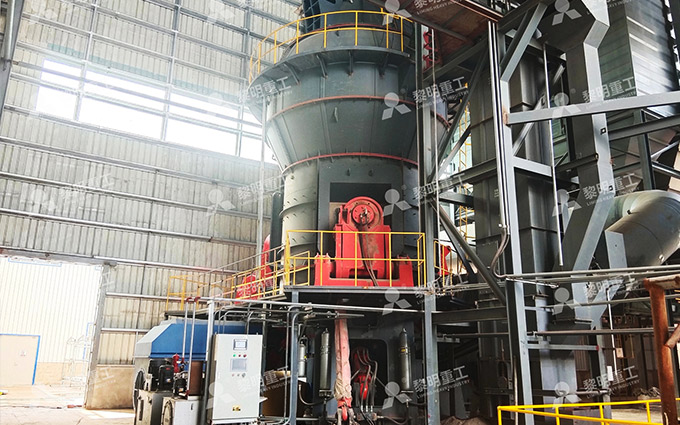
The grinding table is the central part of the mill where the grinding process takes place. Raw material is fed onto the rotating table and moves outward due to centrifugal force. As the material passes under the grinding rollers, it is crushed and ground into fine powder. The table is driven by a gearbox connected to the main motor.
Grinding Rollers
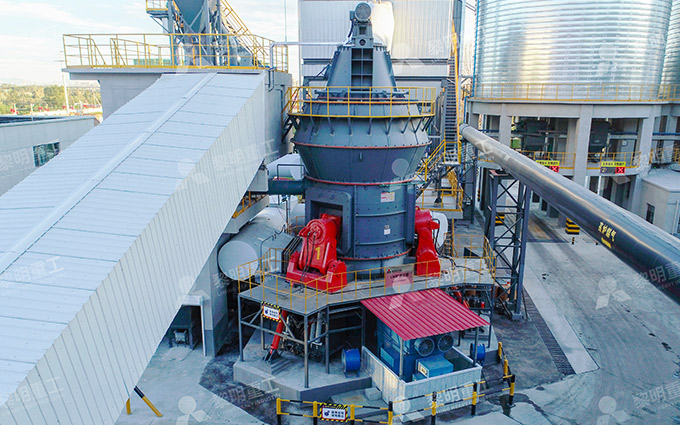
Grinding rollers apply pressure to the material on the grinding table. Typically, a vertical roller mill has three to six rollers. These rollers press the material layer against the table surface, generating the grinding force required for size reduction. Hydraulic systems control the pressure to maintain stable operation.
_1761355927035.jpg)
Hydraulic System
The hydraulic system provides the necessary grinding pressure for the rollers. It also allows the rollers to be lifted during maintenance or when the mill starts and stops. Proper hydraulic pressure ensures efficient grinding and protects the equipment from excessive vibration.
Separator (Classifier)
The separator is responsible for classifying the ground material. Fine particles are carried by airflow to the product collector, while coarse particles fall back onto the grinding table for further grinding. This process ensures that the final product meets the required fineness.
Mill Housing and Airflow System
The mill housing encloses the grinding area and guides the airflow through the system. Hot air is introduced to dry the material and transport the fine particles to the separator. This airflow also helps control the temperature and maintain efficient grinding conditions.
Together, these components allow the vertical roller mill to operate as a reliable and energy-efficient grinding solution for cement, limestone, slag, and other industrial minerals.