

FAQ
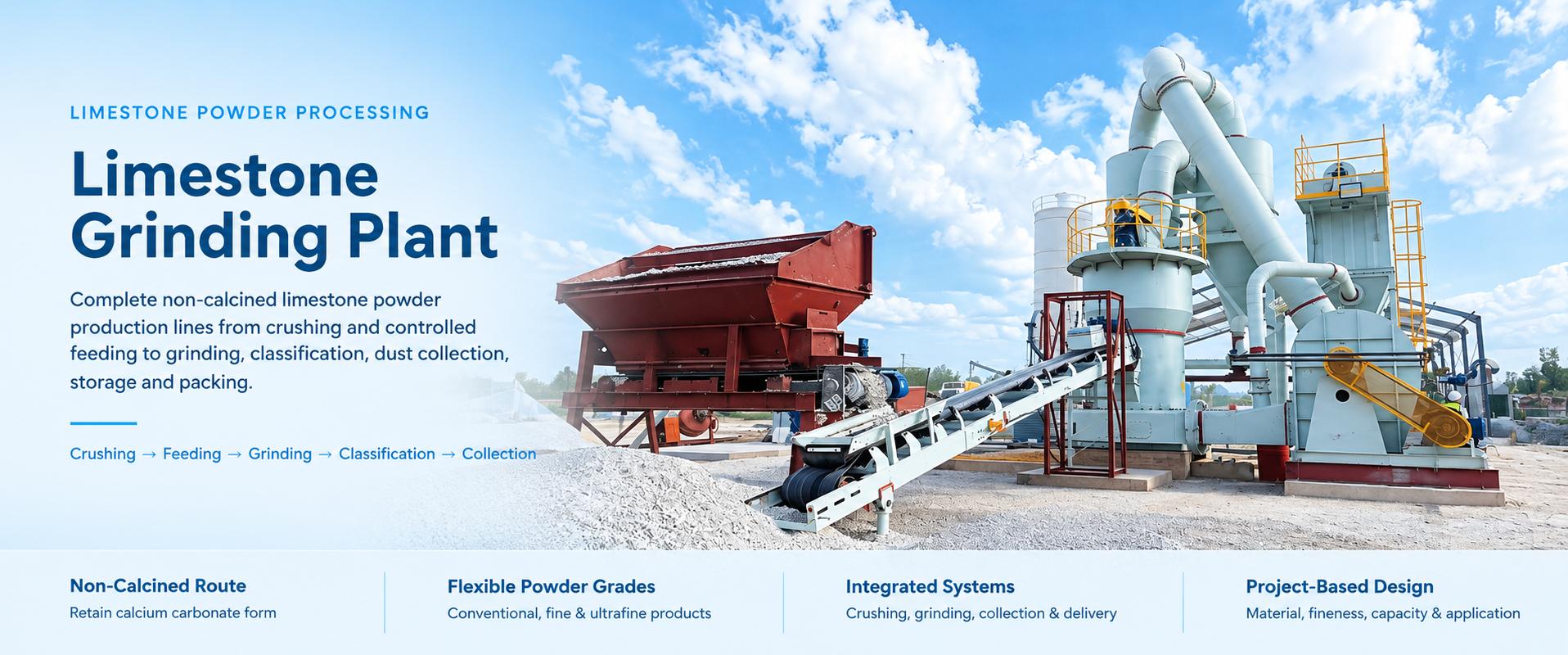
Limestone Grinding Plant
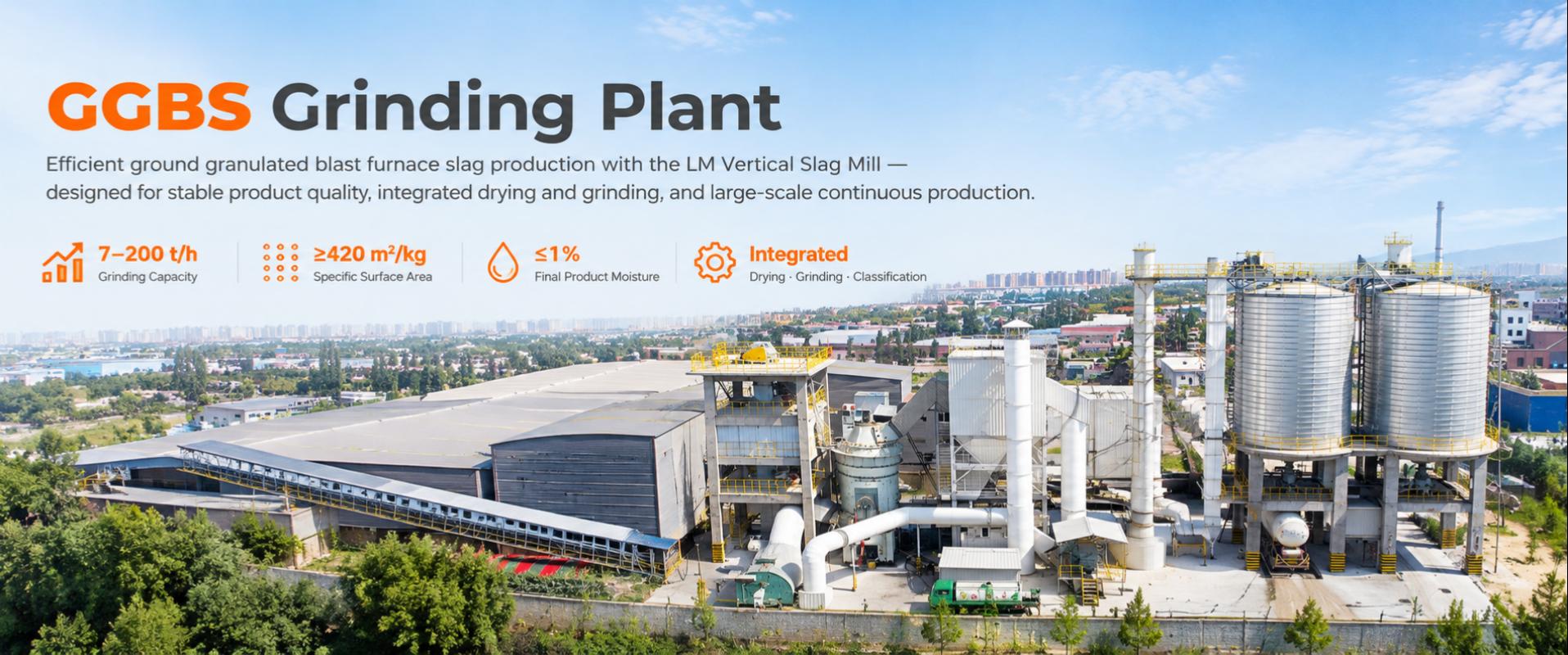
GGBS Grinding Plant
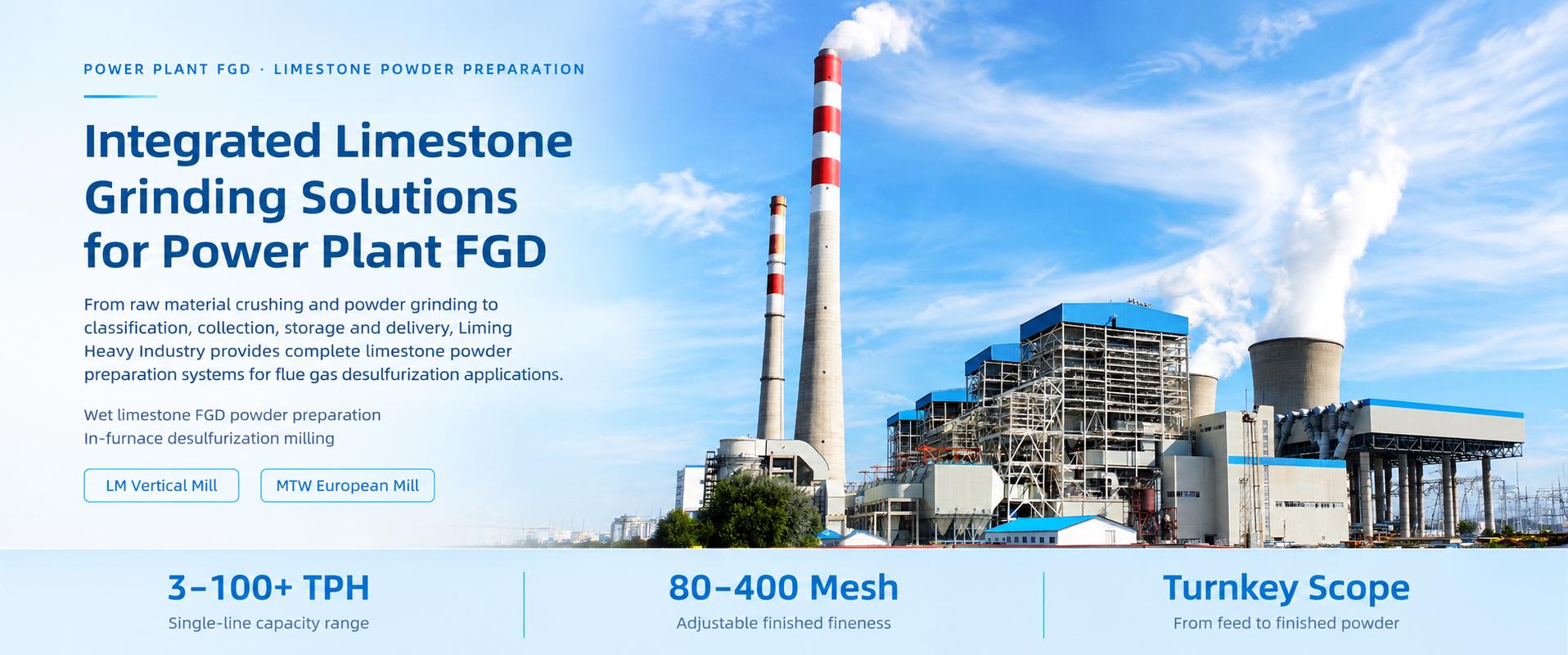
FGD Limestone Grinding Plant
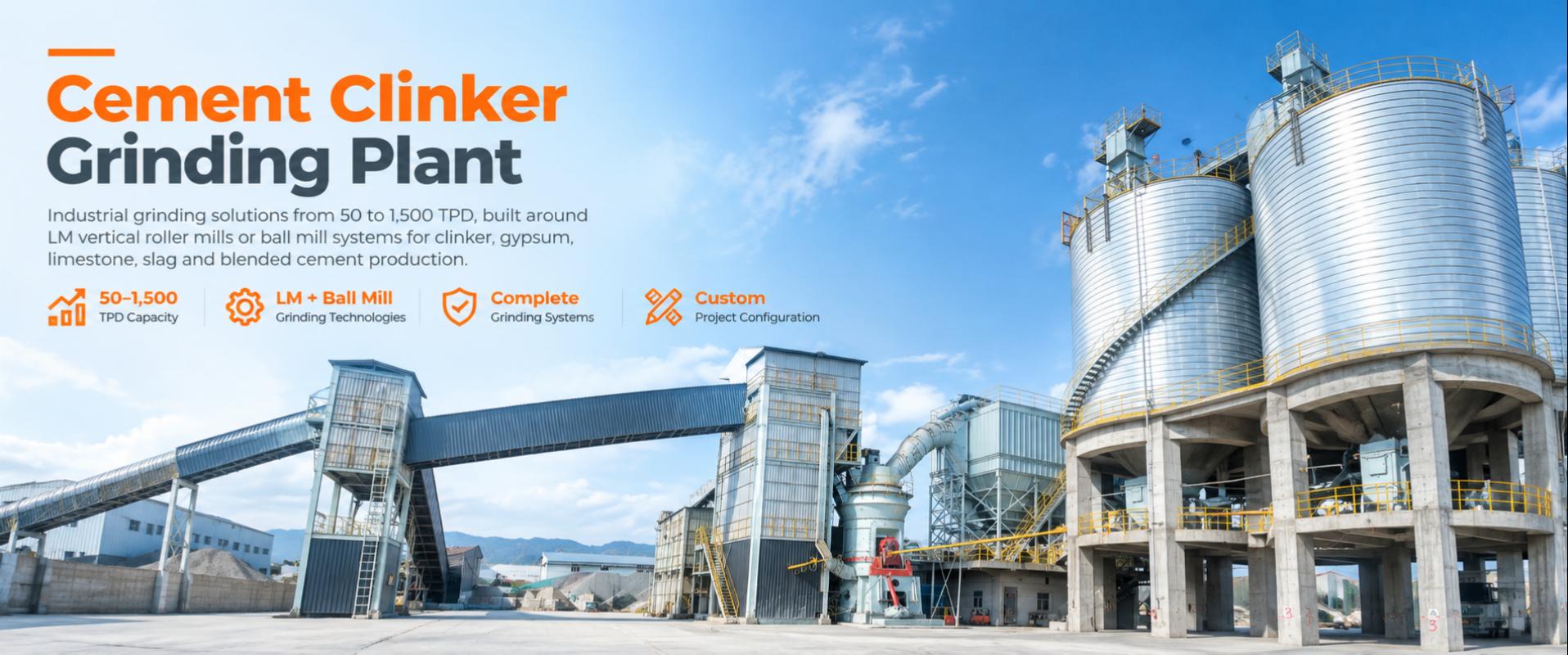
Cement Clinker Grinding Plant
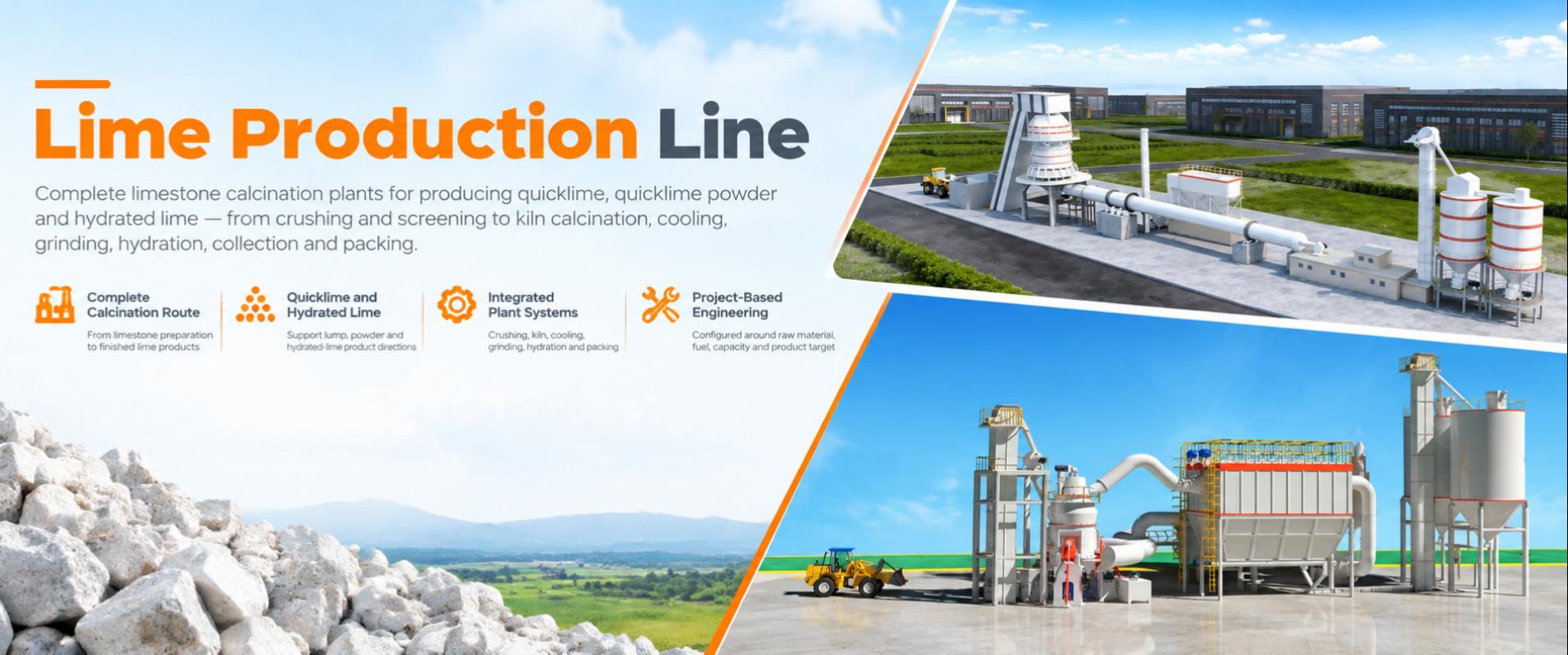
Lime Production Line
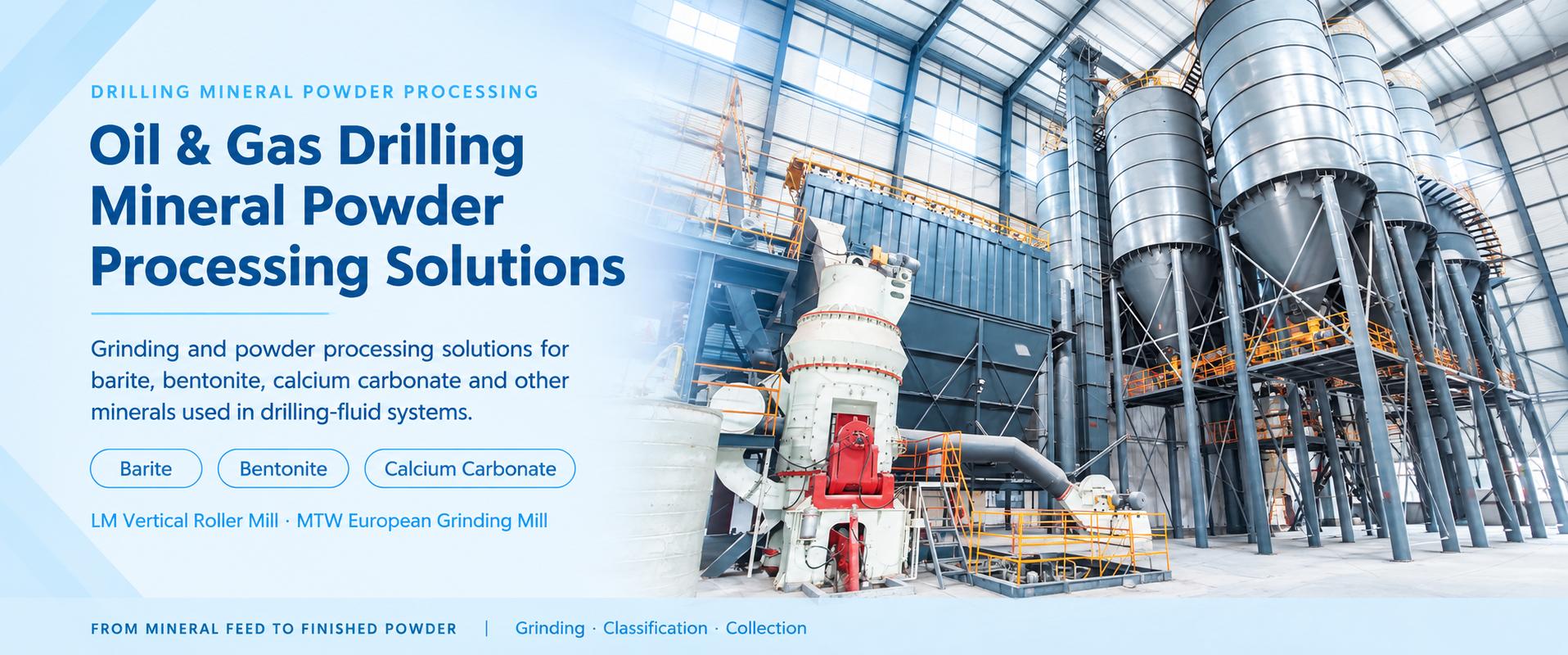
Oil & Gas Mineral Processing
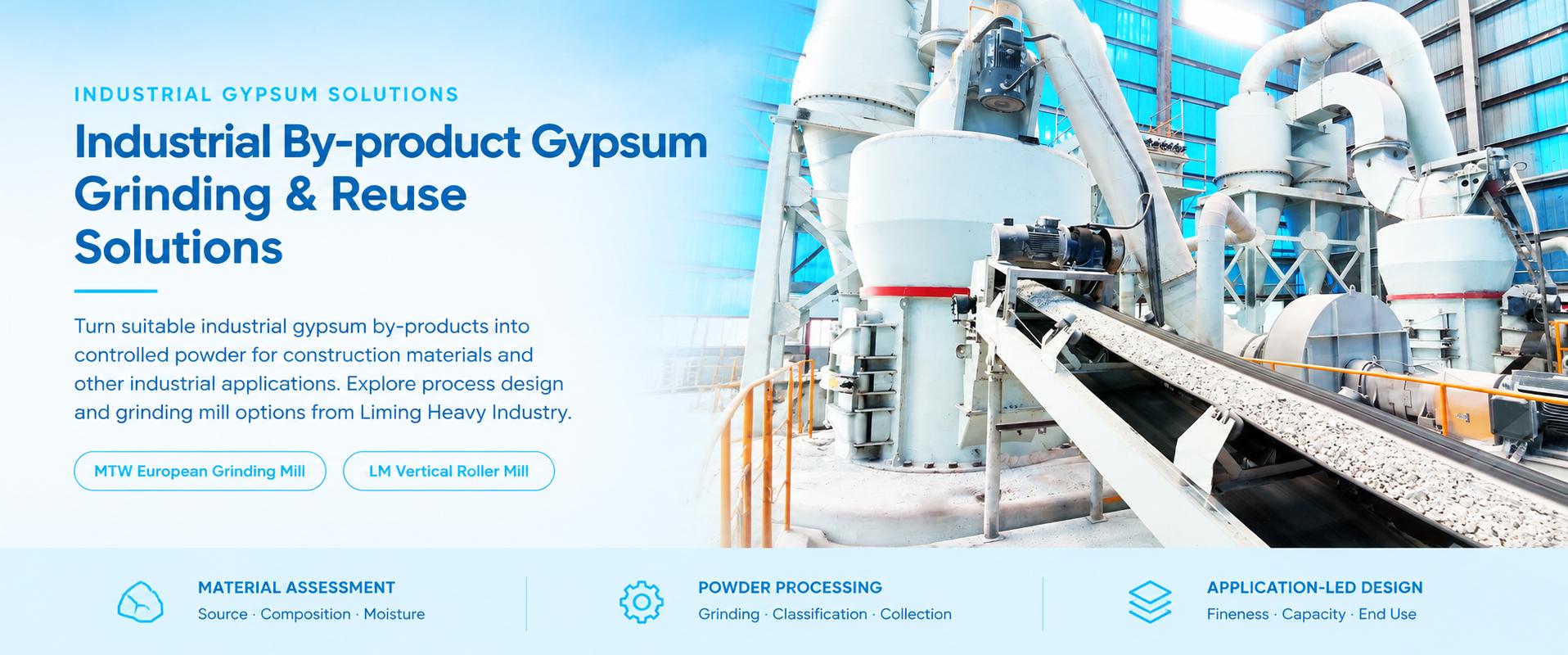
Industrial By-product Gypsum Solutions
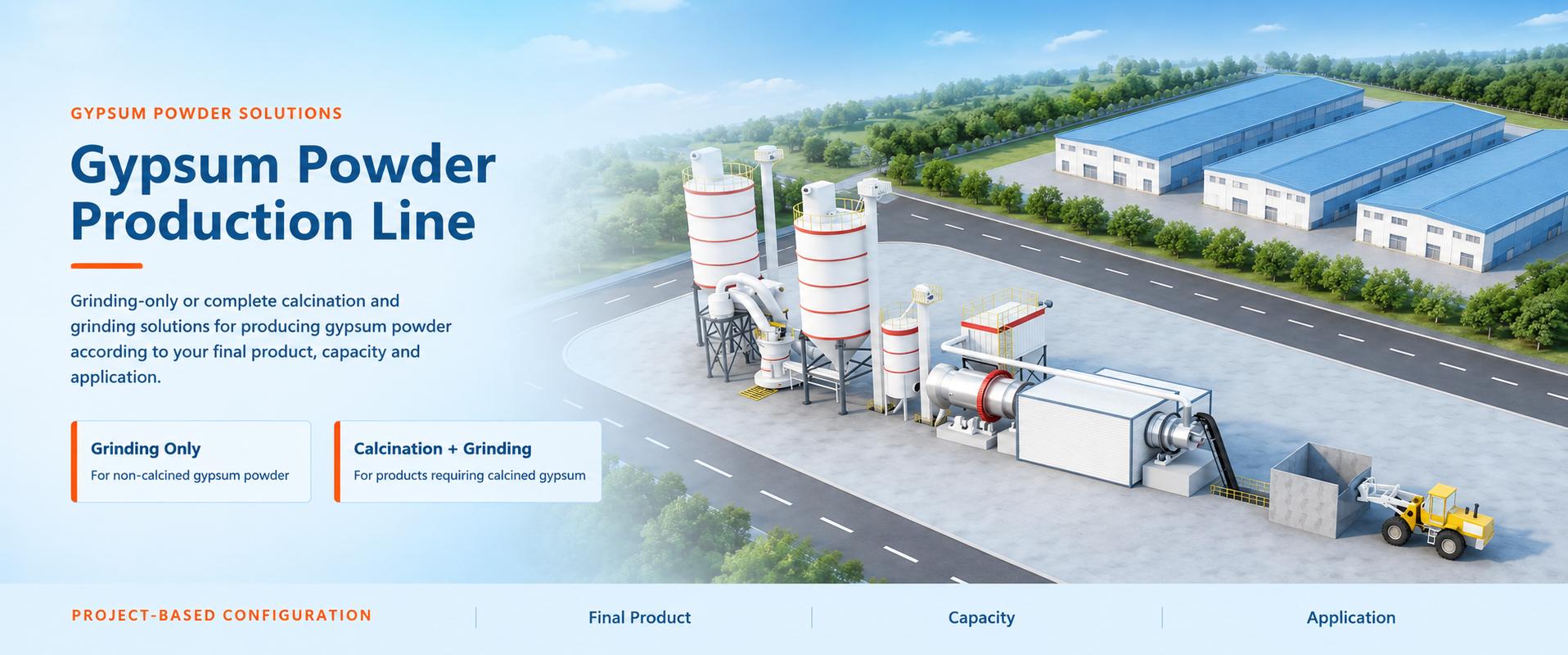
Gypsum Powder Production Line
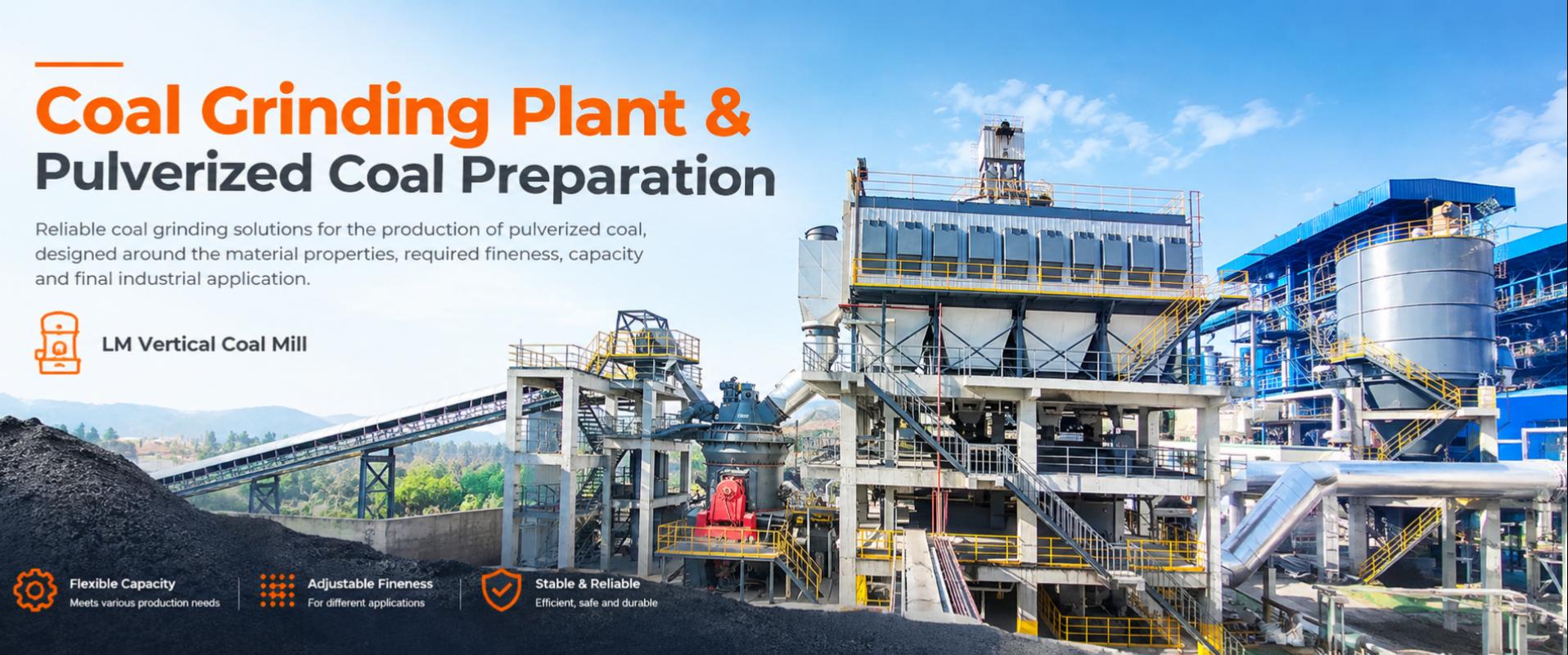
Coal Grinding Solutions
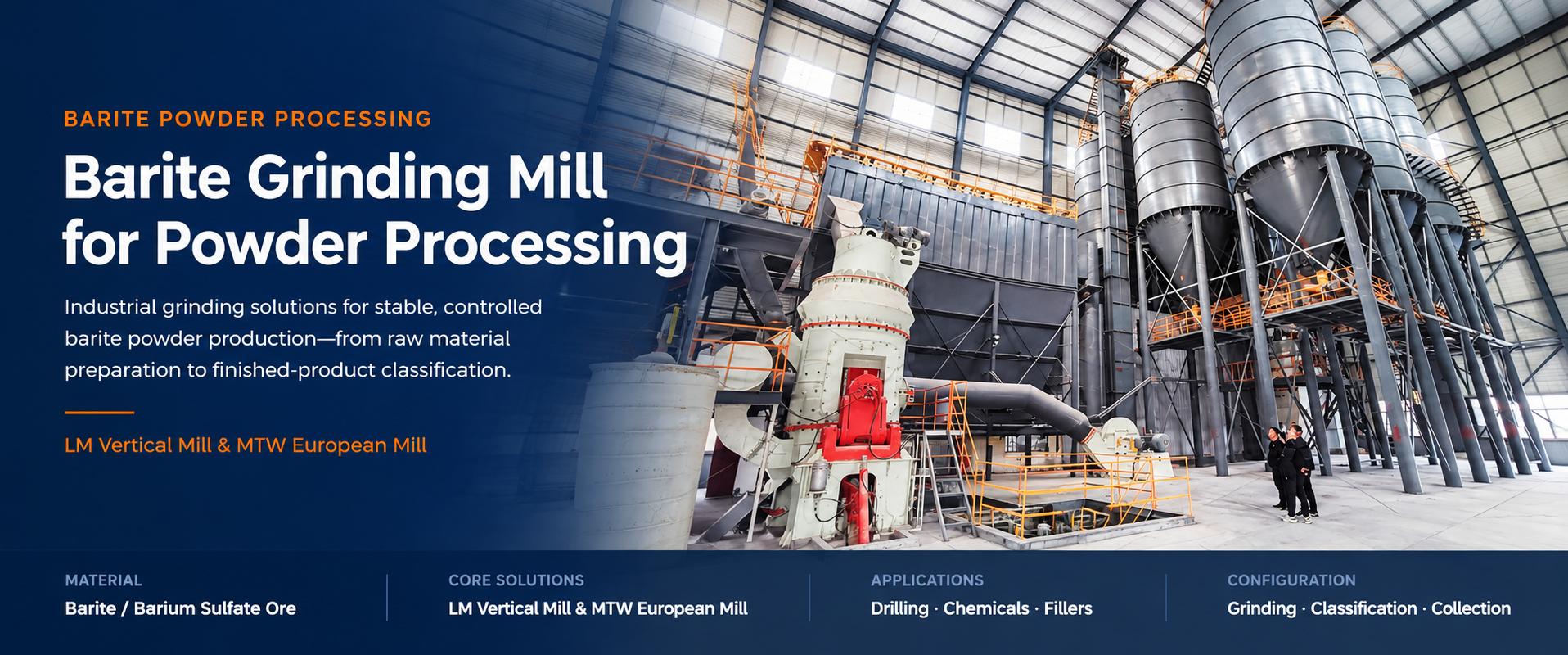
Barite Powder Processing
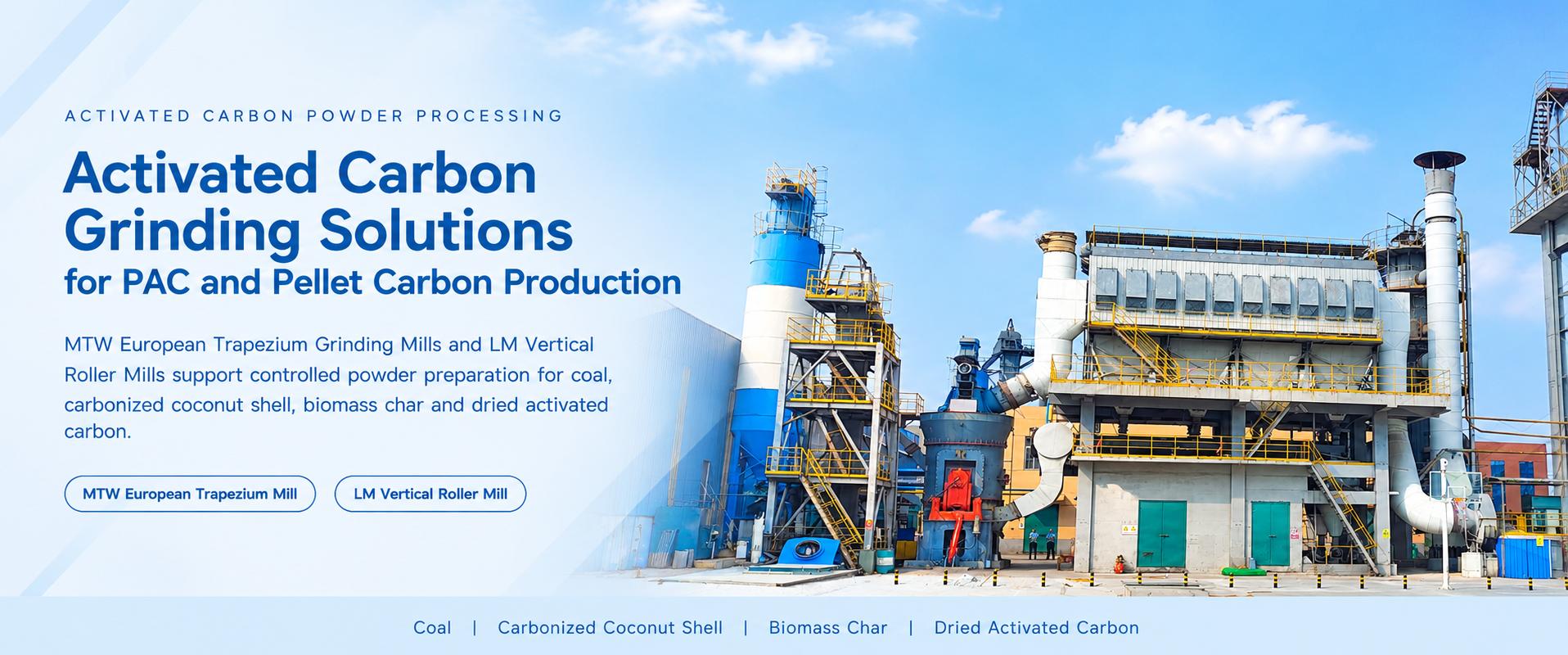
Powder Processing for Activated Carbon
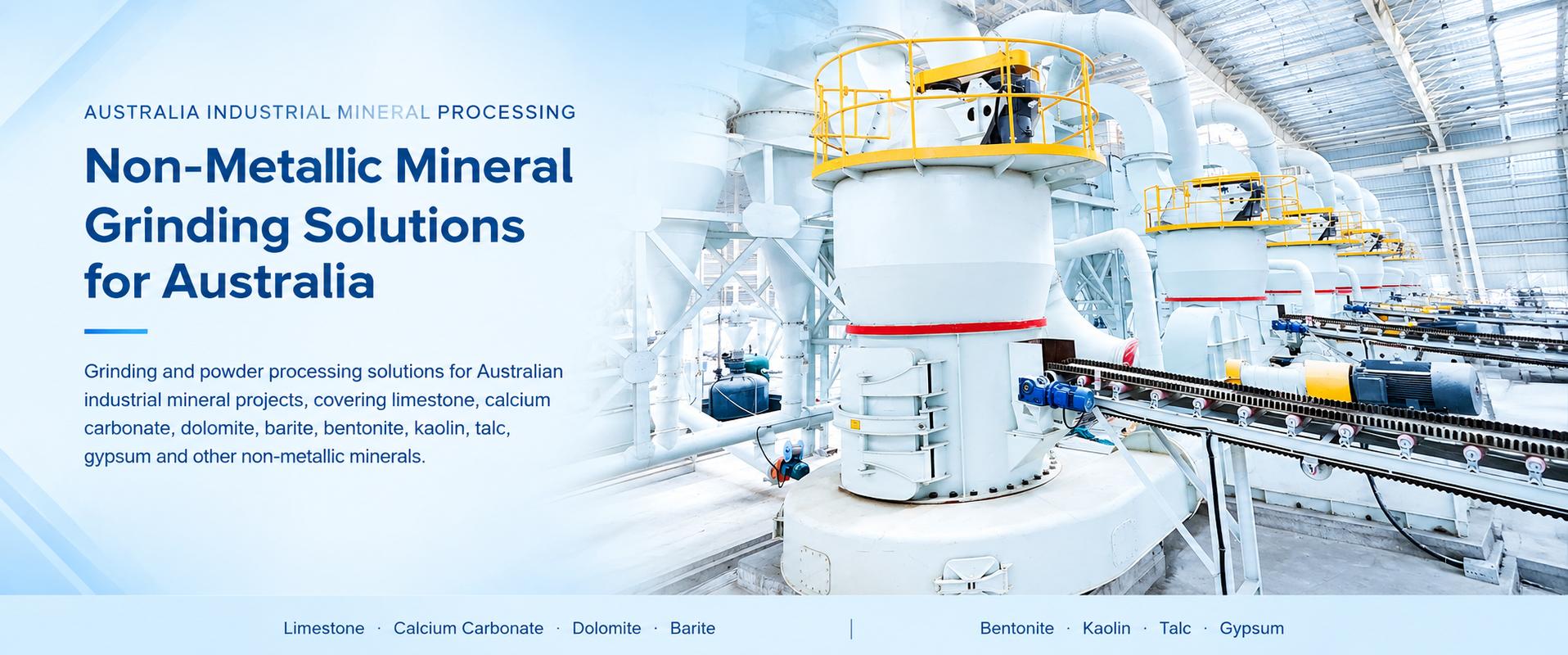
Australia Non-Metallic Mineral Grinding
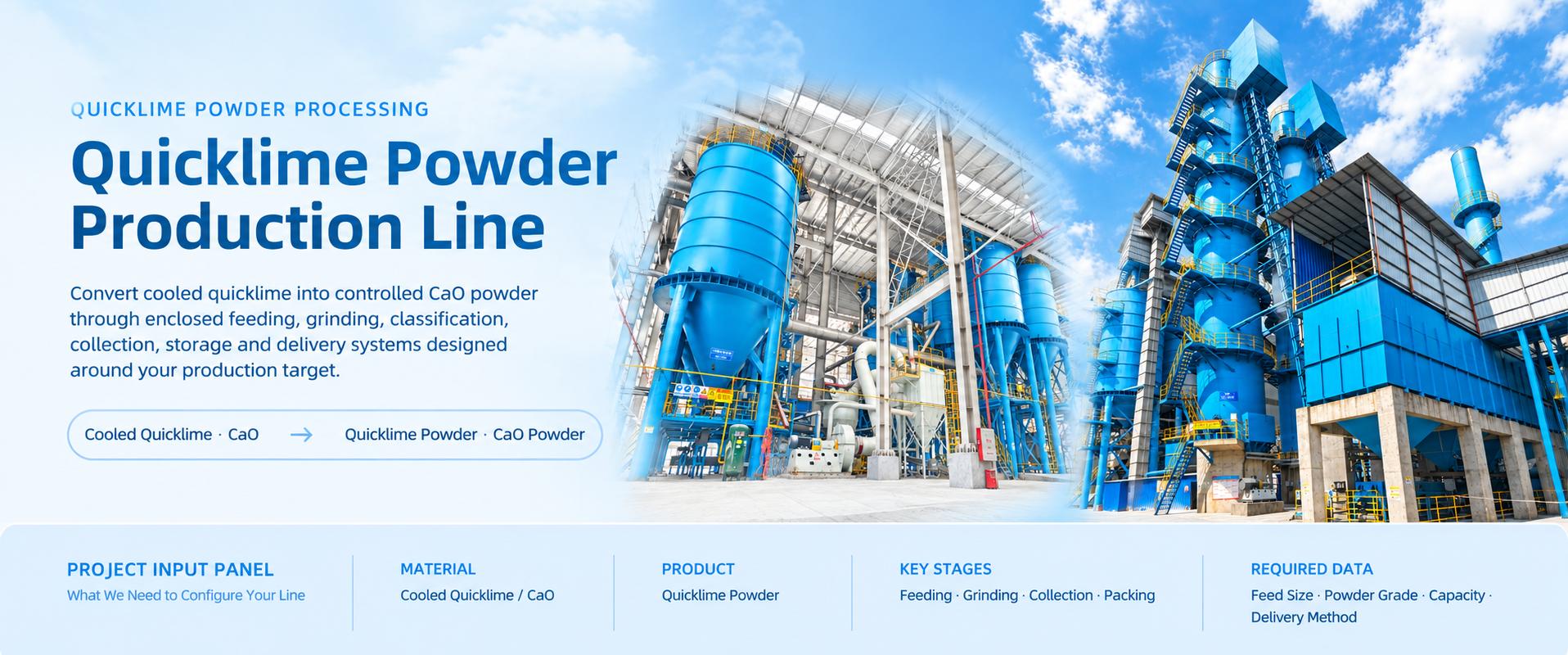
Quicklime Powder Production Line
2026-08-27
How to Maintain a Raw Mill in a Cement Plant in India?
Maintaining a raw mill in a cement plant requires more than replacing worn grinding components. Stable raw meal production depends on keeping the entire grinding system—feed preparation, grinding, drying, classification, airflow, dust collection, lubrication, and conveying—in balance.
More
2026-08-24
When Should You Upgrade a Raw Mill in a Cement Plant in Egypt?
A raw mill in an Egyptian cement plant should be considered for upgrading when it has become a persistent production bottleneck, consumes more energy than necessary, cannot maintain the required raw meal fineness, experiences repeated vibration or operational trips, or has insufficient drying and gas-handling capacity for the current raw materials.
More
2026-08-20
How to Choose a Raw Mill for a Cement Plant in Indonesia?
For a cement plant in Indonesia, the raw mill should be selected from the required raw meal capacity, raw material characteristics, target raw meal fineness, feed moisture, and overall plant operating conditions rather than from nominal mill capacity alone.
More
2026-08-19
How to Grind Marble Powder for Artificial Stone Manufacturing?
Marble powder for artificial stone manufacturing should be ground to a controlled particle-size distribution rather than simply made as fine as possible. For conventional calcium carbonate filler applications, a Raymond Mill or MTW European Grinding Mill may be suitable when the required fineness and capacity fall within their practical operating ranges.
More
2026-08-18
Which Grinding Mill Is Suitable for Clay Powder Production?
For most industrial clay powder production projects, the suitable grinding mill depends primarily on the required fineness, feed size, clay moisture, hardness, abrasiveness, and production capacity.
More
2026-08-17
How to Grind Calcium Carbonate for Plastic Filler Applications?
For grinding calcium carbonate into plastic filler masterbatch, the correct equipment is almost always an ultrafine milling system—typically a LUM Ultrafine Vertical Roller Mill, an MW Micro Powder Mill, or a stirred bead mill circuit—because the plastic industry requires narrow particle size distribution (PSD) with D50 values between 2 and 10 microns and tight control of the top cut (D97).
More
2026-08-16
Which Grinding Mill Is Used for Talc Powder in the Plastic Industry?
For plastic-grade talc powder, the recommended equipment is usually an MW Micro Powder Mill or LUM Ultrafine Vertical Roller Mill because most plastic compounds require fine, low-grit talc with controlled particle-size distribution rather than ordinary coarse mineral filler.
More
2026-08-14
Which Equipment Is Used for Dolomite Grinding?
Dolomite grinding normally uses a complete production line rather than one machine: a crusher prepares mill feed, an industrial grinding mill reduces the material to the required powder size, a classifier controls the final particle-size distribution, and a dust-collection system recovers fines.
More
2026-08-08
How to Produce Ultra-Fine Calcite Powder for Advanced Materials?
For ultra-fine calcite powder used in advanced materials—such as high-performance polymers, engineered coatings, functional fillers, and composite systems—you should target a product in roughly the 1250–3000 mesh range with D97 in the 3–10 µm window, produced by an industrial ultrafine grinding mill with precise dynamic classification.
More
2026-07-31
How to Grind Barite into 200–400 Mesh Powder?
For grinding barite into 200-400 mesh powder (roughly 74 to 38 microns), a Raymond Mill or MTW European Grinding Mill fitted with a matched cyclone and bag-type dust collector is the standard and most cost-effective solution.
More
2026-07-30
How to Produce 400 Mesh Calcite Powder for Paint Industry?
For 400 mesh calcite powder (roughly D97 around 38 microns, particle size approximately 30-40 microns) used as a filler and extender in paint formulations, a Raymond Mill or MTW European Grinding Mill with a matched cyclone-plus-bag dust collector is the most cost-effective production route.
More
2026-07-27
Which Mill Is Best for Grinding Calcite into Fine Powder?
For mainstream 80–325 mesh calcite powder, the MTW European Grinding Mill is usually the most balanced choice because it combines stable throughput, controlled classification, and moderate operating cost; for powder finer than 400 mesh, the LUM Ultrafine Vertical Roller Mill or MW Micro Powder Mill is generally more suitable.
More


