What limestone powder fineness is typically required for power plant FGD?
A common target range is 200–325 mesh, but required fineness, residue and particle-size distribution depend on the specific wet FGD, dry FGD or in-furnace desulfurization process. Confirm the final powder specification at the start of the project.
How do I choose between an LM Vertical Mill and an MTW European Mill?
LM vertical mills are commonly evaluated first for large, continuous and centralized powder supply projects. MTW European mills are often suitable for small-to-medium capacities, retrofit projects and flexible powder production. Feed moisture, capacity, site conditions, budget and maintenance plan should all be considered.
What feed size is needed before limestone enters the mill?
The feed size must be within the allowable range of the selected mill. The crushing stage should be chosen according to maximum raw-stone size and mill requirements, with screening, iron removal and buffer storage considered where needed.
How should the system be configured when limestone moisture is high?
Evaluate moisture variation, available hot gas and final product moisture requirements. LM vertical mill systems can combine drying and grinding functions; other systems may require pre-drying or adjusted air-system design depending on site conditions.
What equipment is included in an FGD limestone powder plant?
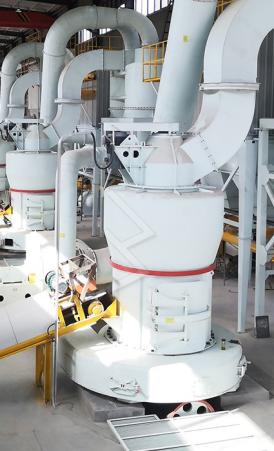
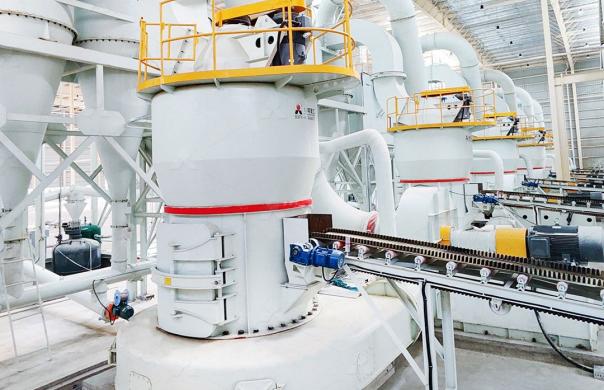
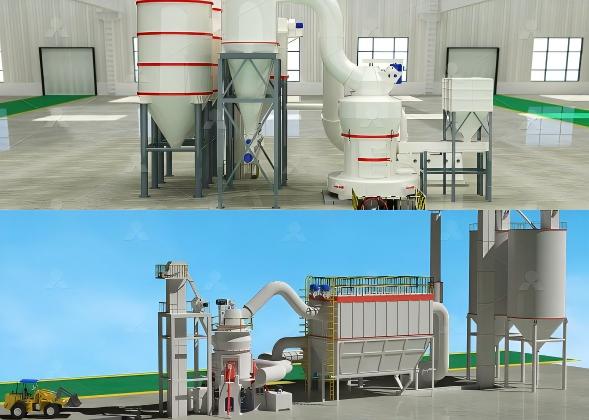
A complete line can include raw material receiving and feeding equipment, crushers, elevators and conveyors, storage silos, the grinding mill, classifier and dust collection system, fans, finished-powder silos, bulk loading or pneumatic conveying equipment and electrical controls.
How can finished limestone powder fineness remain stable?
Stable output depends on uniform feeding, appropriate grinding and classification settings, reliable air-volume control, regular wear-part inspection and management of feed-size and moisture variation.
Can the grinding line be automated?
Yes. Feeding, mill operation, fans, dust collection, material levels and finished-powder conveying can be integrated into interlocks, monitoring and data-collection functions for continuous operation and fault alerts.
How is finished powder stored and delivered to the FGD system?
Finished powder is generally stored in silos and transferred by bulk loading, screw conveying, bucket elevators or pneumatic conveying. Silo capacity, conveying distance, supply rhythm and anti-moisture or anti-bridging requirements should be clarified during design.
What information is needed for a preliminary quotation?
Please provide limestone type and test data, maximum feed size, moisture, target fineness, hourly or annual capacity, operating schedule, site layout or building dimensions, electrical conditions and required finished-powder storage and delivery method.


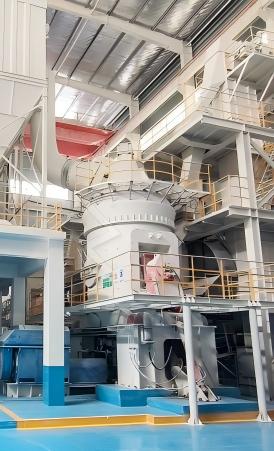 Large-scale production