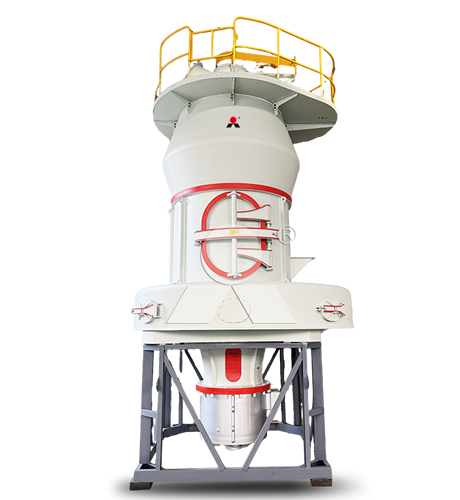
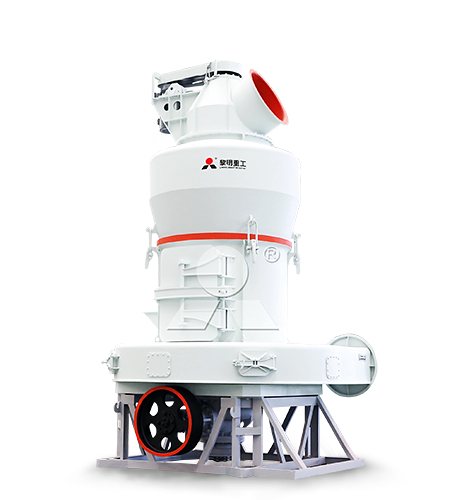
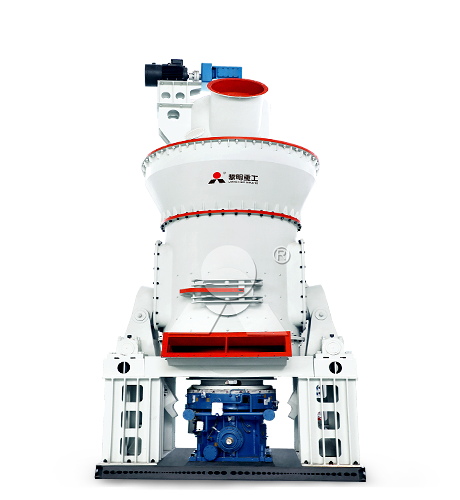
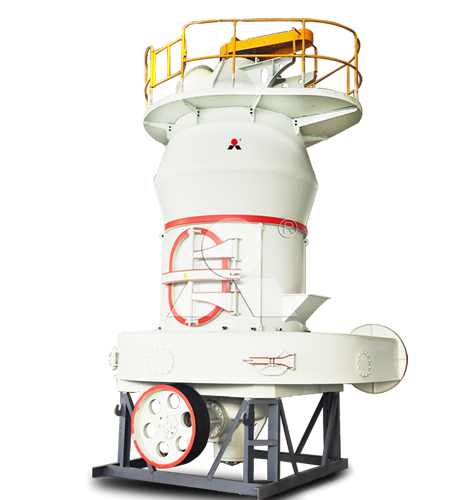
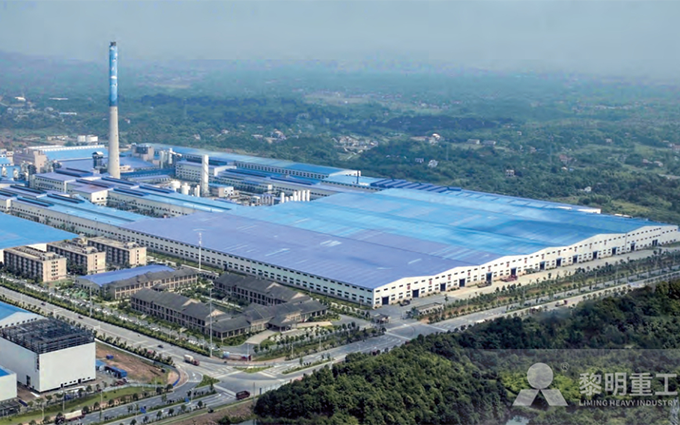
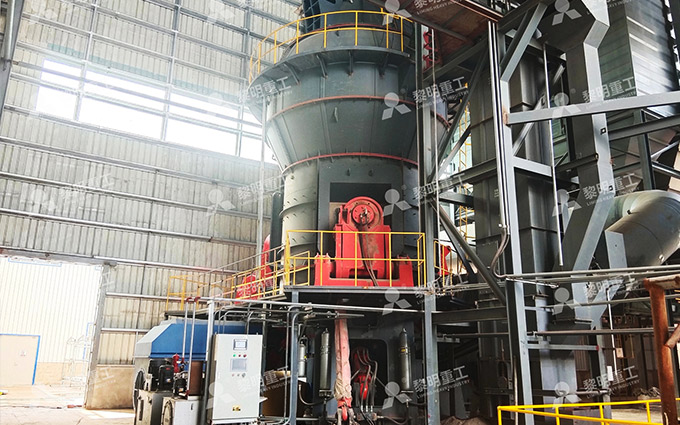
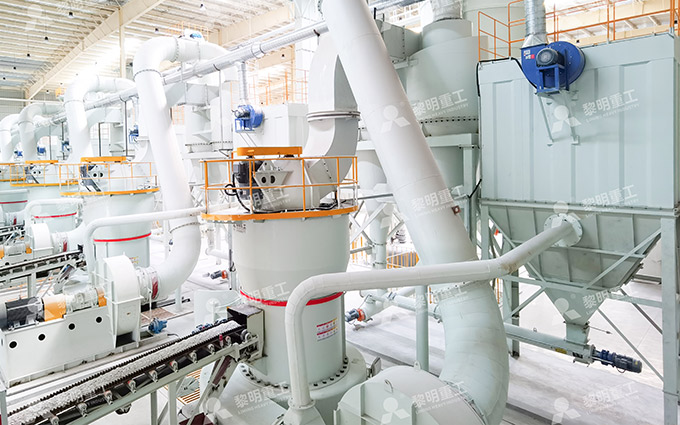
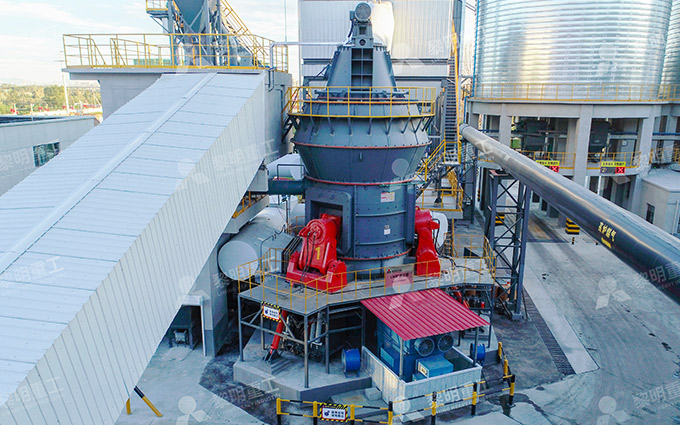
FGD Limestone Grinding Plant
FGD Grinding Plant Maintenance and Troubleshooting Guide
2026-09-19 10:36:54
We are Liming Heavy Industry, a manufacturer of various types of industrial crushers, such as Raymond Mill, Trapezoidal Mill, Vertical Mill, Ultrafine Mill, Ball Mill, etc.
Our mills can process the following minerals:
limestone, quicklime, kaolin, talc, barite, bentonite, calcium carbonate, dolomite, coal, gypsum, clay, carbon black, slag, cement raw materials, cement clinker, etc.
If you need a mill to process stone or minerals into powder, please feel free to contact me (WhatsApp: +8615333807511). Thank you.
Reliable FGD limestone preparation depends on stable grinding, accurate powder classification, dependable storage and conveying, and uninterrupted slurry supply. A preventive maintenance program should protect these four functions while using operating trends—rather than breakdowns alone—to identify problems early.
The most useful plant indicators are qualified powder output, kWh per tonne, particle-size distribution, mill vibration, differential pressure, fan current, bag-filter pressure drop, powder-silo inventory, slurry density, pump flow, and absorber reagent demand. FGD performance guidance emphasizes that consistent operation and maintenance practices are necessary to sustain high equipment performance.
Daily Operating Checks
| System | Daily Check | Normal Objective | Warning Sign |
|---|---|---|---|
| Raw limestone feed | Feed rate, feed size, moisture, feeder current, hopper level, tramp-metal removal | Stable, continuous feed within the mill’s specified size range | Fluctuating feed, large stones, clay lumps, feeder surging, or metal contamination |
| Grinding mill | Main motor current, mill vibration, bearing temperature, grinding pressure, differential pressure | Stable load with no abnormal noise, vibration, or sudden pressure changes | Rising vibration, unstable current, high differential pressure, or repeated alarms |
| Classifier | Rotor speed, motor current, material buildup, product fineness, coarse return | Stable particle-size distribution at the specified FGD fineness | High 325-mesh residue, excessive ultrafines, unstable fineness, or rising circulating load |
| Air and dust collection | Fan current, duct pressure, air leakage, bag-filter differential pressure, pulse-air pressure | Balanced airflow, low leakage, and stable powder collection | Dust escape, high filter pressure drop, low fan flow, or powder accumulation in ducts |
| Powder storage | Silo level, vent filter, aeration air, discharge condition, feeder load | Smooth powder flow with sufficient reserve inventory | Bridging, rat-holing, powder caking, irregular feeder output, or silo level not changing as expected |
| Slurry preparation | Tank level, agitator current, slurry density, water flow, powder dosing rate | Uniform, pumpable slurry at the required solids concentration | Density fluctuation, tank settlement, abnormal agitator load, or visible dry powder build-up |
| Slurry pumping | Pump flow, discharge pressure, vibration, seal leakage, bearing temperature, standby readiness | Stable flow to the absorber with no cavitation or severe wear indication | Pressure loss, falling flow, rising vibration, noise, leakage, or frequent pump trips |
Operators should record these values by shift and compare them with the same limestone source, required fineness, and production rate. A gradual increase in kWh per tonne or filter pressure drop is often more valuable as an early warning than a single alarm event.
Preventive Maintenance Plan
Maintenance intervals must follow actual duty, limestone hardness, silica content, moisture, and operating hours. The schedule below is a practical framework; it should be adjusted using inspection results and equipment-manufacturer requirements.
| Frequency | Main Work | Key Components |
|---|---|---|
| Every shift | Inspect for abnormal noise, vibration, leakage, dust emission, material buildup, high temperature, and unstable feed. | Feeders, mill, fan, classifier, bag filter, conveyors, silo, slurry tanks, pumps. |
| Weekly | Check lubrication condition, bolt tightness, belt or coupling condition, compressed-air supply, instrument signals, and feeder calibration. | Reducer, bearings, motors, pulse valves, level switches, density meters, belt scales, feeder drives. |
| Monthly | Inspect wear components, ductwork, air seals, classifier blades, fan impeller condition, filter performance, and silo discharge aids. | Grinding rollers, grinding ring or table, shovels, classifier rotor, ducts, expansion joints, bag filter, rotary valves. |
| Quarterly | Check alignment, vibration trends, bearing health, hydraulic or tensioning system condition, mill foundation fasteners, and electrical connections. | Main drive, gearbox, rollers, classifier drive, main fan, MCC, VFD, slurry-pump baseplate. |
| Planned annual shutdown | Complete internal inspection, measure wear, replace damaged components, clean ducts and collectors, test interlocks, and verify performance after restart. | Mill chamber, classifier, grinding parts, filter bags, fan, conveying line, silo internals, tank agitators, slurry pumps. |
For the LM Vertical Mill, particular attention should be given to grinding rollers, grinding table liners, hydraulic loading components, nozzle-ring passages, classifier rotor balance, and the material bed. For the MTW European Mill, inspect rollers, grinding rings, shovel blades, classifier components, fan system, and powder-collection equipment at the same disciplined intervals.
Mill Troubleshooting
| Problem | Likely Causes | Corrective Actions |
|---|---|---|
| Low or unstable output | Insufficient feed, unstable feed rate, oversized feed, high feed moisture, worn grinding parts, poor airflow, blocked return path, or inadequate classifier performance. | Check crusher product size and feeder calibration; stabilize feed; inspect rollers and grinding surfaces; verify airflow and fan condition; clean blocked ducts; inspect classifier and return system. |
| High mill vibration | Uneven or shallow grinding bed, oversized feed, tramp metal, worn rollers or table liners, unstable feed rate, incorrect grinding pressure, damaged bearings, or foundation looseness. | Reduce feed variation; verify material bed and grinding pressure; inspect upstream magnetic separation; stop and remove foreign material when indicated; inspect rollers, liners, bearings, and foundation bolts. |
| High differential pressure | Excessive feed rate, high moisture, internal buildup, inadequate airflow, blocked nozzle ring, duct restriction, poor separation, or excessive circulating load. | Reduce feed temporarily; check raw-material moisture; inspect nozzle ring and internal passages; verify main fan performance; clean ducts; inspect classifier efficiency and eliminate air leakage. |
| Finished powder too coarse | Classifier speed too low, worn or damaged classifier blades, high feed rate, insufficient grinding pressure, worn rollers or ring, excessive airflow, or coarse-particle bypass. | Verify particle-size data; adjust classifier speed gradually; inspect classifier wear and sealing; reduce excessive feed; inspect grinding parts; balance airflow; correct bypass routes. |
| Finished powder too fine | Classifier speed too high, feed rate too low, excessive grinding pressure, low airflow, or repeated regrinding of qualified material. | Reduce classifier speed within the required FGD specification; increase stable feed if mill is underloaded; optimize grinding pressure and airflow; verify coarse return path. |
| High power consumption | Overgrinding, worn components, high recirculating load, low production rate, excessive airflow resistance, poor lubrication, or harder limestone source. | Confirm required fineness; optimize classifier setting; inspect wear parts; remove system restrictions; clean filters; compare kWh/t against limestone hardness and moisture; avoid prolonged low-load operation. |
| Mill outlet temperature too high | Excess hot air, insufficient feed moisture, insufficient feed rate, incorrect damper setting, or reduced material flow. | Reduce hot-air input; confirm feed rate and moisture; adjust damper settings; inspect feeder and material flow; protect filter media from excessive temperature. |
| Mill outlet temperature too low | High feed moisture, insufficient hot air, excessive cold-air leakage, or wet buildup inside the system. | Check limestone moisture; increase drying capacity if appropriate; repair duct and mill leaks; clean accumulated wet material; improve raw-material storage conditions. |
For a vertical mill, high vibration is commonly linked to unstable feed, an uneven grinding bed, worn grinding surfaces, foreign metal, or incorrect grinding pressure. High differential pressure often indicates that material is entering or circulating faster than the airflow can transport it through the mill and separator.
Classifier and Filter Issues
Classification and powder collection determine whether the grinding plant produces useful FGD reagent or simply moves material through the system. A mill can appear mechanically healthy while still delivering unsuitable powder because of classifier wear, poor air balance, or filter restriction.
| Symptom | Likely Cause | Corrective Action |
|---|---|---|
| Frequent fineness variation | Variable feed rate, fluctuating air volume, worn classifier blades, material buildup, or inconsistent raw limestone hardness. | Stabilize feeder output; inspect fan and damper control; clean and balance classifier; inspect blade wear; separate or blend variable limestone sources. |
| Classifier motor current rises | Powder buildup, damaged bearings, rotor imbalance, excessive feed loading, or foreign material. | Reduce loading if necessary; stop for inspection; clean rotor; inspect bearings and blades; correct imbalance before restart. |
| Dust collector pressure drop rises continuously | Blocked bags, failed pulse cleaning, wet powder, insufficient compressed air, excessive air volume, or hopper discharge blockage. | Check pulse valves and compressed-air quality; inspect filter bags; remove wet buildup; verify airflow; ensure hopper and rotary valve discharge correctly. |
| Visible dust around collector or silo | Damaged filter bags, leaking doors, failed seals, overfilled hopper, poor duct connections, or excessive system pressure. | Inspect bags and cages; repair seals; empty hoppers; tighten access doors; check fan operating point and pressure-relief devices. |
| Poor powder recovery | Air velocity too high, damaged bags, collector bypass, leaking rotary valve, or material accumulation in the discharge system. | Verify airflow and duct balance; inspect bags and internal seals; repair airlock; clean discharge equipment; confirm silo conveying route is open. |
A classifier imbalance can create vibration at the separator running frequency, while buildup or damaged blades can reduce separation efficiency. In a vertical mill, material buildup, worn components, and unstable air conditions should be corrected before operating at higher speed or pressure.
Storage, Slurry, and Pump Issues
| Problem | Likely Causes | Corrective Actions |
|---|---|---|
| Powder does not discharge from silo | Moisture absorption, bridging, compacted powder, inadequate hopper angle, failed aeration, blocked rotary valve, or insufficient outlet size. | Confirm silo level; inspect vent filter and moisture entry points; restore aeration; clear blockage safely under isolation procedures; inspect feeder and review hopper design if recurring. |
| Powder feed rate surges | Rat-holing, irregular aeration, worn screw feeder, feeder speed variation, or fluctuating powder bulk density. | Improve silo mass flow; regulate aeration; calibrate feeder; inspect screw flights and drive; use gravimetric dosing where accuracy is critical. |
| Slurry density is too low | Insufficient powder feed, excessive water flow, feeder blockage, inaccurate density signal, or powder bridging. | Verify actual powder feed; calibrate water flow and density meter; inspect silo discharge; correct feeder settings; confirm agitator operation. |
| Slurry density is too high | Excess powder feed, insufficient dilution water, failed flow-control valve, poor mixing, or density-instrument error. | Reduce powder feed; verify water supply and control valve; inspect agitator; recalibrate density measurement; flush and inspect restricted lines. |
| Solids settle in slurry tank | Agitator failure, inadequate mixing energy, low tank level, prolonged shutdown, or high solids concentration. | Do not feed settled slurry blindly; restore agitation; inspect impeller and gearbox; recirculate or flush according to site procedure; review tank mixing design. |
| Slurry pump cavitation | Low tank level, blocked suction strainer, excessive suction lift, air ingress, high slurry density, or worn suction pipe. | Restore proper tank level; clean suction path; inspect valves and seals; reduce excessive solids concentration; verify net positive suction conditions. |
| Slurry pump flow or pressure falls | Worn impeller or liner, blocked discharge line, valve restriction, air ingress, reduced speed, or internal recirculation. | Check flow and pressure trend; inspect impeller, liners, and casing; clear pipeline blockage; inspect valves; verify motor speed and coupling condition. |
Slurry-pump reliability in wet FGD is strongly influenced by wear of impellers and liners. Trending vibration, flow, discharge pressure, and motor current helps identify gradual degradation before the pump can no longer meet absorber demand.
Maintenance Priorities by Mill
| Equipment | Priority Maintenance Areas | Key Operating Focus |
|---|---|---|
| LM Vertical Mill | Grinding rollers, table liners, hydraulic pressure system, accumulator condition, nozzle ring, classifier rotor, fan, reducer, and vibration monitoring. | Maintain a stable material bed, controlled feed rate, balanced airflow, correct grinding pressure, and stable classifier operation. |
| MTW European Mill | Grinding rollers, grinding rings, shovel blades, classifier, main fan, bearings, transmission system, pulse filter, and conveying equipment. | Maintain consistent feed size and moisture, prevent air leakage, control classifier speed, and replace worn parts before fineness and output deteriorate. |
For either mill type, protect the grinding chamber with reliable upstream crushing, screening, and magnetic separation. Tramp metal, oversized limestone, and sudden feed surges can cause severe wear, unstable output, and avoidable shutdowns.
Recommended Response Sequence
When performance deteriorates, avoid changing many operating settings at once. Use a controlled sequence so that the actual cause can be identified and corrected.
Confirm the symptom with operating data: output, fineness, kWh per tonne, differential pressure, vibration, airflow, and slurry density.
Check raw limestone feed size, moisture, feed rate, and recent changes in quarry source or chemical composition.
Inspect feeder operation, magnetic separator performance, hopper condition, and upstream crushing capacity.
Review mill load, vibration trend, grinding pressure, and wear condition before increasing power or feed rate.
Check main-fan performance, duct leakage, filter differential pressure, and classifier condition.
Verify finished-powder particle size using representative samples rather than relying only on operating settings.
Check silo discharge, powder dosing, slurry density, agitator condition, and pump flow to ensure the problem is not downstream of the mill.
Correct the verified root cause, return the line gradually to normal load, and conduct a sustained performance check.
A dependable FGD grinding plant is achieved through steady feed, controlled fineness, clean airflow, timely wear-part replacement, reliable powder storage, and continuous slurry supply. The LM Vertical Mill for large projects and the MTW European Mill for medium production lines should be maintained as part of this complete reagent-preparation system, not as isolated machines.