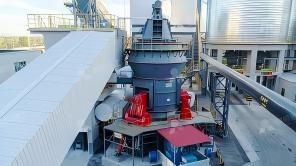
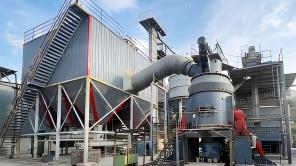
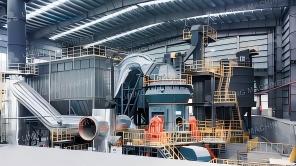
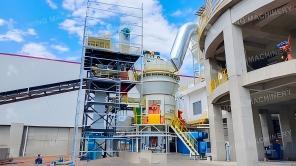
High Grinding Efficiency
Material-bed grinding provides an efficient route for continuous fine grinding of granulated blast furnace slag, supporting large-scale production.
Efficient ground granulated blast furnace slag production with the LM Vertical Slag Mill — designed for stable product quality, integrated drying and grinding, and large-scale continuous production.
GGBS, also known as ground granulated blast furnace slag or GGBFS, is a finely ground cementitious material produced from granulated blast furnace slag. Its quality depends strongly on controlled grinding, classification and moisture management.
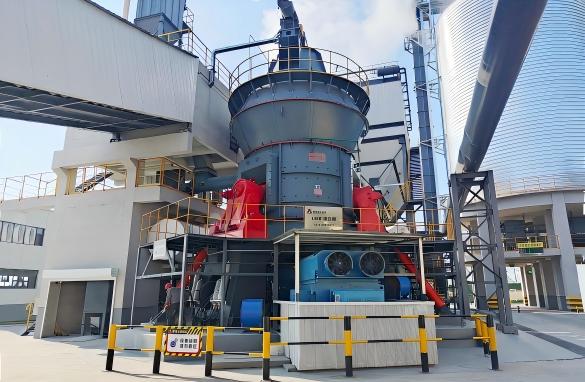
A well-designed GGBS grinding system coordinates feeding, drying, grinding, classification, dust collection and finished-product storage.
Granulated blast furnace slag is stored and supplied continuously to the grinding system.
A stable feed rate helps maintain consistent mill operation and product quality.
The LM vertical slag mill can combine hot-air drying with efficient material-bed grinding.
The integrated classifier separates qualified fine particles from coarse material for further grinding.
A dedicated dust collection system captures the finished powder and supports a clean production environment.
Finished GGBS is conveyed to silos for bulk handling or subsequent packing and dispatch.
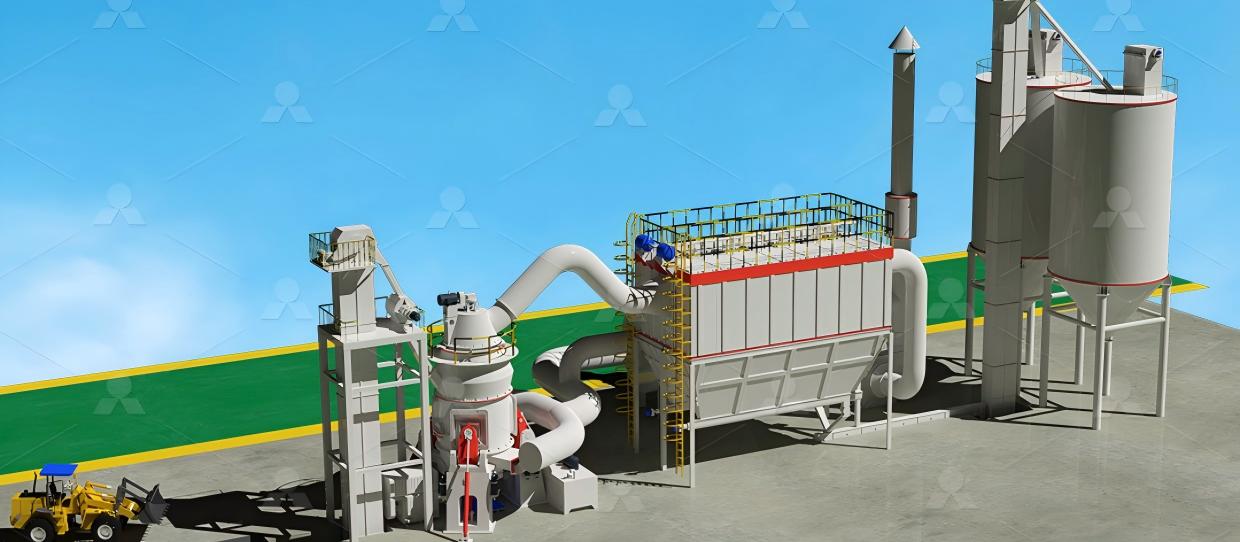
GGBS production requires efficient fine grinding, stable classification and controlled moisture. A vertical grinding system brings these functions together in a compact process configuration.
Material-bed grinding provides an efficient route for continuous fine grinding of granulated blast furnace slag, supporting large-scale production.
Hot air can be introduced into the grinding system so that drying and grinding can be carried out in an integrated process.
The classifier works with the mill to separate qualified particles and return coarse material for further grinding.
Grinding parameters and classification can be adjusted to meet the required fineness and specific surface area.
The LM Vertical Slag Mill range covers approximately 7–200 t/h for different GGBS production requirements.
An integrated process reduces the number of separate grinding and classification units and supports centralized control.
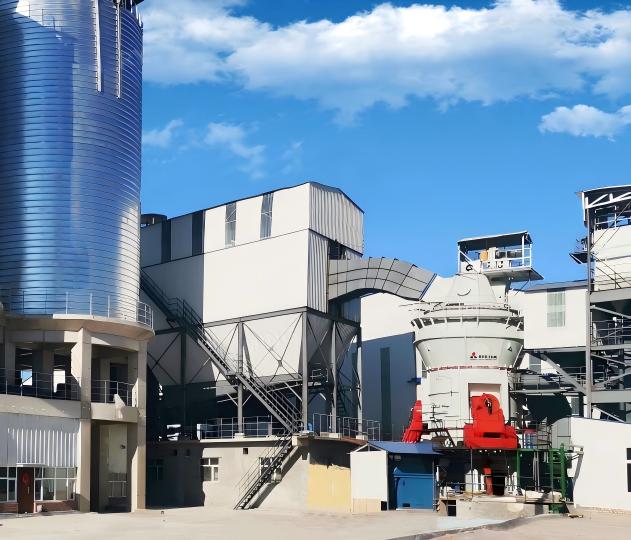
The LM Vertical Slag Mill is developed for efficient grinding of granulated blast furnace slag. Its process configuration combines grinding, classification and drying functions to support reliable GGBS production.
| Model | Approx. Capacity | Typical Role |
|---|---|---|
| LM19-2N | 7–15 t/h | Small-scale GGBS production |
| LM24-2N | 11–25 t/h | Small to medium plants |
| LM34-3N | 22–55 t/h | Medium to large plants |
| LM44-4N | 75–135 t/h | Large-scale production |
| LM58-4N | 130–200 t/h | Large-scale GGBS plants |
*Final equipment selection depends on raw material characteristics, operating conditions, required product quality and actual production requirements.
A complete plant is configured around the required capacity, raw slag condition, product specification, storage requirements and site conditions.
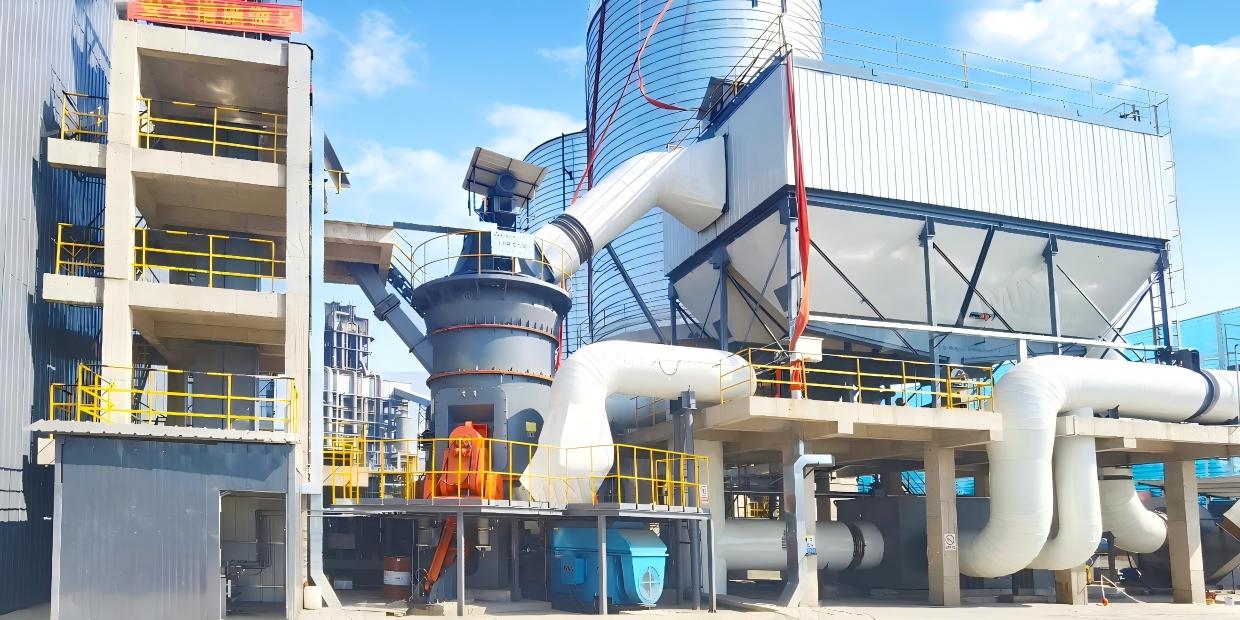
The final product specification should be established before equipment selection. Fineness, specific surface area, moisture and particle-size distribution all influence the grinding system configuration.
| Specific Surface Area | Can be controlled according to the required product specification |
| Final Moisture | ≤1% under the applicable reference condition* |
| Product Fineness | Adjusted through grinding and classification parameters |
| Particle Distribution | Managed by the integrated classifier and grinding system |
| Product Grade | S95 / other grades according to applicable standards and project requirements |
A large-scale slag grinding project demonstrating the application of the LM Vertical Slag Mill for GGBS production.
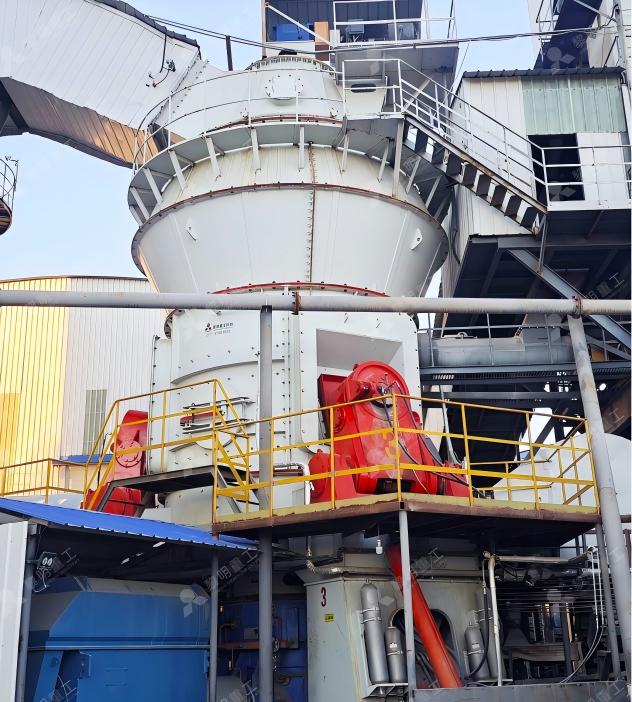
This project was designed for high-volume GGBS production using an LM Vertical Slag Mill. The grinding system provides a continuous route from granulated blast furnace slag to finished GGBS for use as a concrete mineral additive.
The project illustrates how a vertical slag grinding system can be configured for large-scale production while maintaining controlled product quality and an integrated process flow.
Practical information covering GGBS production, grinding technology, product quality, plant design and equipment selection.
Answers to common questions about GGBS production, slag grinding equipment and plant planning.
GGBS, or Ground Granulated Blast Furnace Slag, is a finely ground cementitious material produced from granulated blast furnace slag. It is widely used as a supplementary cementitious material in cement and concrete applications.
GGBS is produced through controlled handling, drying when required, grinding and classification of granulated blast furnace slag, followed by dust collection and finished-product storage.
GGBS and GGBFS are commonly used terms for ground granulated blast furnace slag. GGBS is widely used internationally, while GGBFS is also common in technical and North American contexts.
Vertical roller mills are widely used for large-scale slag grinding because grinding, drying and classification can be integrated into one system. Liming Heavy Industry offers the LM Vertical Slag Mill for GGBS production.
The LM Vertical Slag Mill range covers approximately 7–200 t/h. The final model is selected according to capacity, raw material characteristics, product requirements and operating conditions.
Yes. The grinding system can introduce hot air to support drying while grinding and classification take place in the integrated system.
Fineness and specific surface area depend on the required GGBS grade, application and applicable standard. These requirements should be confirmed before the mill and classifier are selected.
Capacity, required product quality, raw slag moisture, mill model, drying and hot-air requirements, dust collection, storage, automation, civil works and installation conditions can all affect the total plant cost.
Share your required capacity, GGBS fineness or specific surface area, raw slag condition and project location. Our team can help you evaluate a suitable LM vertical slag grinding system.
* Reference technical figures. Actual performance depends on raw material characteristics, operating conditions, product requirements and final system configuration.