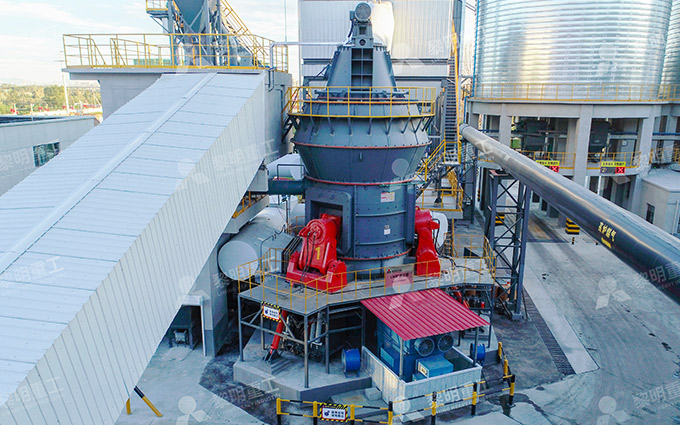
GGBS Grinding Plant
GGBS Grinding Plant Cost: What Factors Affect the Price?
2026-09-10 11:03:36
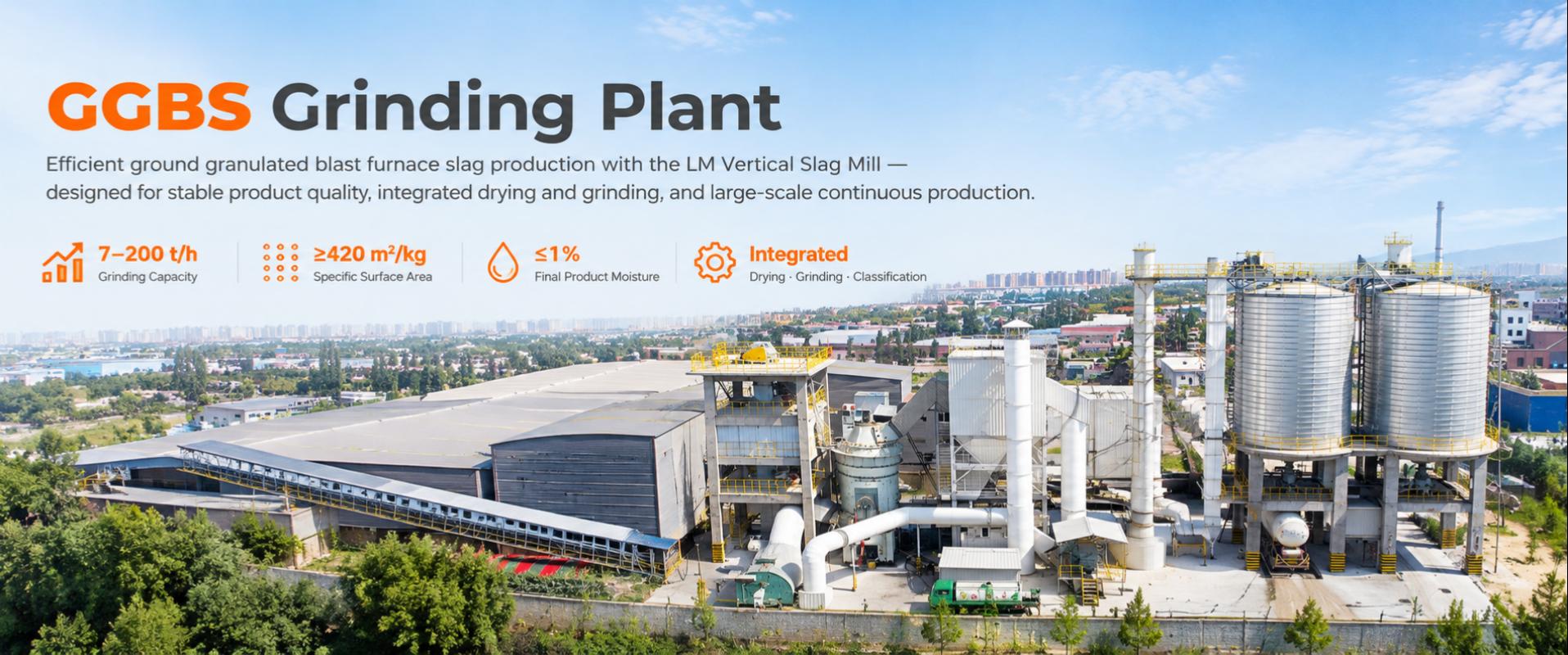
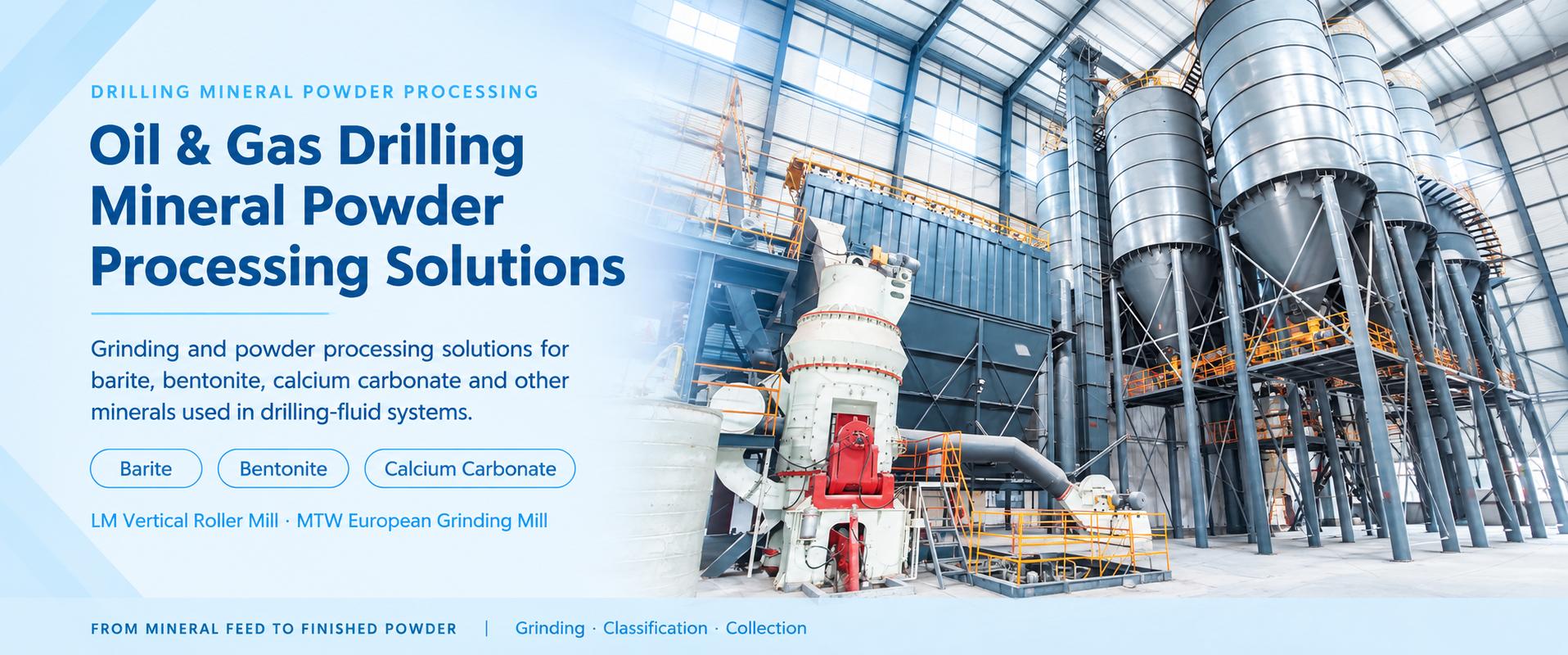
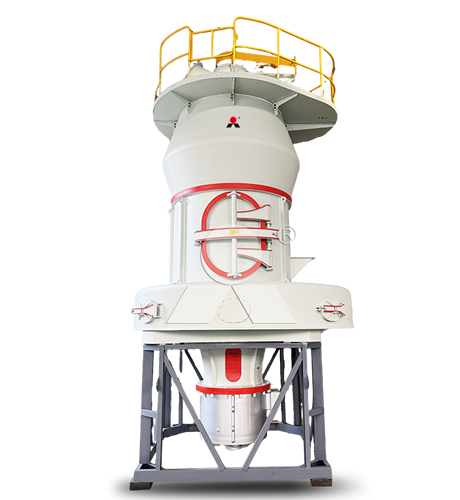
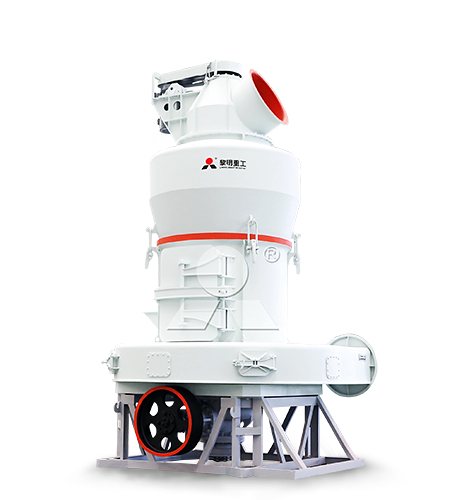
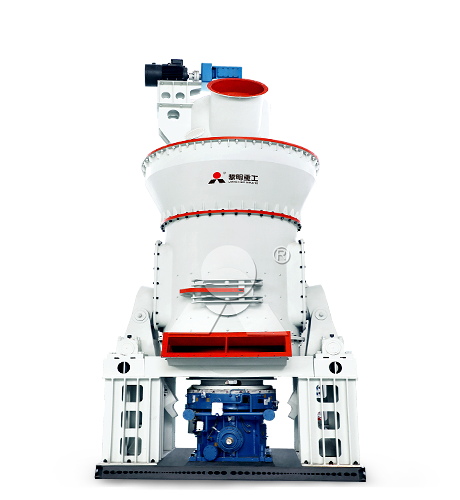
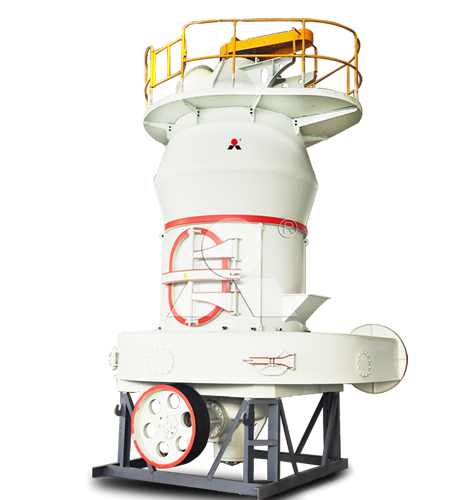
The cost of a GGBS grinding plant is determined by much more than the grinding mill itself. The final project price depends on annual capacity, slag moisture, finished-powder fineness, plant layout, heat source, automation level, civil works, storage and loading requirements, and the scope of supply around the LM Vertical Slag Mill from Liming Heavy Industry.
A useful way to evaluate a project is to separate the initial investment from the lifetime cost of producing each accepted tonne of GGBS. A lower initial equipment price can become more expensive over time if the line has insufficient drying capacity, excessive power demand, frequent stoppages, limited product flexibility, or inadequate storage and dispatch capability.
Where the Investment Goes
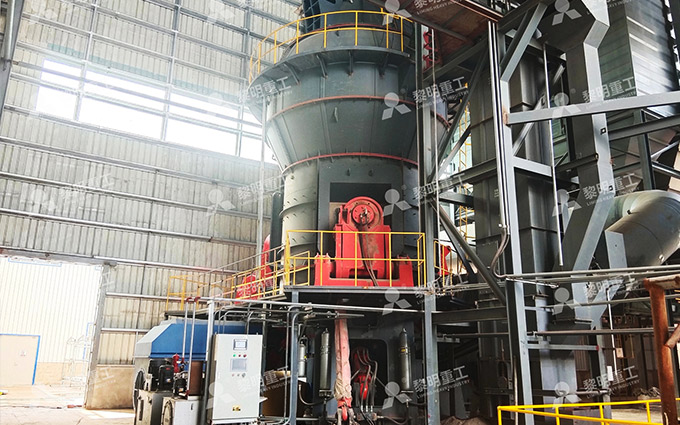
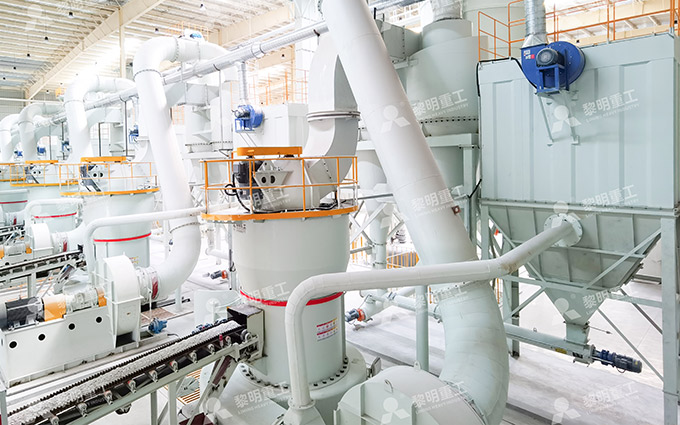
A complete GGBS plant includes raw-material handling, feed preparation, drying, grinding, gas treatment, finished-product storage, dispatch, utilities, civil works, installation, and commissioning. The LM Vertical Slag Mill is the core processing machine, but it must work with a properly sized supporting system.
| Cost Area | Typical Scope | Main Price Drivers |
|---|---|---|
| Raw-slag receiving and storage | Unloading hopper, conveyors, covered yard or shed, stacker, reclaimer, drainage, dust collection | Delivery method, storage days required, site rainfall, land availability, enclosure level, and automation |
| Feed preparation | Screens, magnetic separators, metal detectors, buffer bin, weigh feeder, conveyors | Slag contamination level, feed size, conveying distance, and required flow stability |
| Drying system | Hot-gas generator or waste-heat connection, ducts, dampers, insulation, temperature controls | Maximum feed moisture, available heat source, fuel type, gas temperature, and duct length |
| Grinding section | LM Vertical Slag Mill, drive, classifier, hydraulic system, lubrication, electrical controls | Required t/h, target Blaine fineness, slag grindability, wear resistance, and product-grade flexibility |
| Gas treatment | Bag filter, process fan, ducts, stack, instruments, emissions-monitoring equipment | Process gas volume, pressure loss, environmental requirements, and dust-collection efficiency |
| Finished-product handling | Air slides, screw conveyors, elevators, GGBS silos, aeration, bulk loading, bagging or big-bag filling | Daily dispatch volume, storage days, delivery format, loading rate, and number of loading positions |
| Electrical and automation | Substation, MCC, variable-speed drives, PLC/DCS, control room, field instruments, laboratory equipment | Mill power, automation level, grid conditions, remote-operation needs, and quality-control requirements |
| Civil and installation works | Foundations, grinding building, steel structure, roads, drainage, erection, cranes, commissioning | Ground conditions, seismic or wind requirements, local labor cost, building height, and site access |
Capacity Has the Largest Effect
Annual capacity is usually the first cost driver because it determines the size of almost every major system. A 100,000 t/y plant and a 600,000 t/y plant require different mill sizes, drive power, feeders, fans, filters, storage silos, loading stations, electrical infrastructure, and civil structures.
However, plant cost does not increase in a perfectly straight line with annual output. A larger line generally benefits from scale: one high-capacity mill, one control system, and one core gas-treatment train may process more material without multiplying every cost item by the same factor. At the same time, large projects often require more robust logistics, larger covered storage, higher-power electrical infrastructure, bigger silos, and greater redundancy for critical equipment.
| Capacity Range | Typical Cost Characteristics | Primary Planning Question |
|---|---|---|
| 100,000–200,000 t/y | Compact line, lower total investment, but fewer economies of scale and less downtime tolerance | Can one LM Vertical Slag Mill line meet local demand with enough storage and maintenance margin? |
| 200,000–300,000 t/y | Balanced investment range with stronger potential for efficient bulk dispatch and automated control | Is slag supply stable enough to justify a medium-capacity continuous grinding line? |
| 300,000–400,000 t/y | Higher mill, fan, thermal-system, silo, and electrical cost, with better unit-cost potential at steady utilization | Can the site maintain reliable raw-slag flow and sufficient finished-product dispatch? |
| 400,000–600,000 t/y | Large-scale infrastructure, high-capacity drying and loading systems, and stronger need for maintenance planning or redundancy | Is one large line or two smaller lines the better balance of investment, availability, and product flexibility? |
The correct design capacity should be calculated from annual demand, scheduled operating hours, realistic availability, product grade mix, and expected seasonal moisture. Oversizing creates unnecessary capital cost; undersizing can lead to overtime, missed delivery commitments, and premature expansion.
Moisture Drives Drying Cost
Water-granulated blast-furnace slag often reaches the plant with significant moisture. This directly affects both initial investment and operating cost because the plant needs enough thermal capacity to evaporate water before stable fine grinding and classification can occur.
Higher feed moisture can increase the cost of:
Hot-gas generation or waste-heat recovery equipment
Fuel supply, burners, ducts, dampers, insulation, and temperature controls
Process fans and dust-collection equipment handling higher gas volumes
Covered raw-slag storage, drainage, and reclaiming equipment
Electrical and thermal energy consumed for every tonne of finished GGBS
Covered storage can add to initial construction cost, but it may reduce rain-related moisture pickup and lower the continuous thermal burden on the grinding line. Technical guidance on slag and pozzolan grinding notes that undercover storage can reduce moisture before grinding, and that vertical roller mills are more suitable than ball-mill circuits for drying wet feed. It also notes that a VRM can grind and dry materials with moisture of about 15%, subject to the actual process configuration.
The design basis should specify average, seasonal high, and maximum feed moisture. The hot-gas system should be sized for the maximum defined condition, not the annual average. Otherwise, the plant may achieve its stated capacity only during dry periods.
Fineness and Product Grade
Finer GGBS costs more to produce because it requires additional grinding work and tighter classification. This affects the size and specification of the LM Vertical Slag Mill, drive system, separator, process fan, dust collector, and electrical infrastructure.
For example, an S105 product generally requires finer grinding than S95. Producing a higher-Blaine powder often means lower hourly output, higher specific power consumption, greater roller and table wear, and a larger circulating load inside the mill. If the plant is expected to produce several grades, the equipment should be selected from the most demanding product condition or from a weighted production plan that includes adequate capacity margin.
| Product Requirement | Effect on Project Cost | Effect on Operating Cost |
|---|---|---|
| Moderate fineness, single grade | Lower grinding and classification capacity requirement | Generally higher throughput and lower specific grinding power |
| S95 or comparable standard high-activity grade | Requires controlled fine grinding and reliable product testing | Balanced energy and output profile when the mill is correctly sized |
| S105 or finer product | May require larger mill margin, stronger classifier capability, and higher installed power | Higher energy and wear per tonne; lower potential hourly output |
| Multiple grades | May increase silo, automation, laboratory, and production-control requirements | More frequent operating adjustments and potential changeover losses |
Do not define the equipment requirement from a nominal fineness alone. Include Blaine specific surface area, sieve residue, particle-size distribution, finished-powder moisture, and strength-activity requirements in the technical specification.
Plant Layout and Site Conditions
Site conditions can change a similar equipment package into a very different total project cost. The same LM Vertical Slag Mill may require substantially different civil works and material-handling systems depending on whether the site is next to a steelworks, a cement plant, a port, or an inland truck-receiving terminal.
Adjacent steelworks: Direct conveyors may reduce raw-material transport cost, but the plant may need to fit into a constrained industrial site with complex utility and safety interfaces.
Port or riverside terminal: Barge unloading and large storage can support efficient logistics, but marine civil works, corrosion protection, and environmental controls can increase investment.
Truck-supplied inland site: Requires larger unloading capacity, vehicle circulation, weighbridges, dust-controlled receiving, and enough storage to manage delivery variation.
Existing cement plant: May offer available power, heat, laboratory facilities, and dispatch infrastructure, but integration with existing operations may require modifications and shutdown planning.
Foundation requirements, soil bearing capacity, groundwater level, drainage, local wind and seismic design criteria, building height restrictions, and crane access all influence civil and installation costs. Long conveyors, tall transfer towers, and extended ducts increase both capital expense and future maintenance demand.
What Affects Lifetime Cost?
Purchase price should be evaluated alongside the operating cost per tonne of accepted GGBS. The largest recurring cost categories are typically electricity, drying fuel or heat, grinding wear parts, labor, maintenance, dust-filter consumables, and logistics.
Vertical roller mills are often selected for wet slag because they integrate drying and grinding. Industry guidance reports that VRMs can reduce energy use by up to 40% compared with ball-mill systems in suitable applications, while also accepting higher-moisture feed; real performance depends on material characteristics, moisture, required fineness, and total system design.
| Lifetime-Cost Factor | How It Changes Cost per Tonne | Design Response |
|---|---|---|
| Electricity consumption | Higher grinding and fan power increases variable cost | Match mill size to product target; avoid unnecessary overgrinding and excess air leakage |
| Drying energy | High moisture raises fuel or waste-heat demand | Use covered storage, drainage, insulation, short ducts, and a properly sized heat source |
| Wear parts | Abrasive slag can increase roller, table, classifier, and conveying-equipment cost | Specify suitable wear protection; remove tramp metal; provide planned maintenance access |
| Availability | Unplanned stoppages reduce annual output and increase fixed cost per tonne | Provide critical spares, condition monitoring, reliable feed handling, and maintenance lifting systems |
| Product consistency | Off-specification powder creates rework, downgrade, or disposal risk | Use stable feeding, process automation, laboratory testing, and clear product-release procedures |
| Logistics efficiency | Slow dispatch can force silo congestion and mill curtailment | Size silos and bulk-loading stations for average and peak shipping demand |
Inline vertical roller mills can combine raw-material drying and grinding, reducing the need for separate processing equipment. The degree of savings, however, depends on the thermal system and the moisture actually delivered to the plant.
Request Comparable Proposals
To compare quotations fairly, issue the same technical design basis to every supplier. A quote that includes only the mill cannot be compared directly with a complete plant offer containing storage, hot-gas generation, filters, silos, installation, and commissioning support.
A complete request should state:
Required annual production and minimum guaranteed hourly output
Scheduled operating hours and assumed availability
Target GGBS grades, Blaine fineness, residue, moisture, and activity requirements
Representative raw-slag test data, including normal and maximum moisture
Available heat source, fuel type, power supply, and utility limitations
Raw-slag delivery mode, storage days, and finished-product dispatch method
Site layout, land boundaries, building restrictions, and civil conditions
Required environmental-control and automation scope
Scope boundary for equipment, engineering, civil works, erection, commissioning, training, and spare parts
Guaranteed output, energy consumption, finished-powder quality, and emissions conditions
Ask each supplier to show its exclusions clearly. Typical exclusions may include civil works, local permits, electrical-grid upgrades, fuel systems, cranes, taxes, freight, installation labor, foundations, or customer-supplied utilities. The lowest quoted equipment price may not represent the lowest installed plant cost.
Cost Decisions That Matter Most
The greatest cost impact usually comes from four choices: selecting the right production capacity, designing enough drying capacity for actual moisture, choosing the required product fineness without overgrinding, and matching storage and dispatch systems to production volume.
An LM Vertical Slag Mill from Liming Heavy Industry provides the core drying, grinding, classification, and conveying functions for a GGBS line. The final investment should be optimized around the complete process: stable slag supply, moisture management, hot-gas availability, reliable material flow, product-quality control, finished-powder storage, and efficient loading. A complete technical proposal based on representative slag data is the most reliable way to establish a project-specific price.