

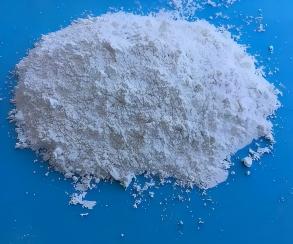
Primary Focus
Barite
Grinding solutions for mineral powder used as a weighting material in drilling fluids.
Grinding and powder processing solutions for barite, bentonite, calcium carbonate and other minerals used in drilling-fluid systems.
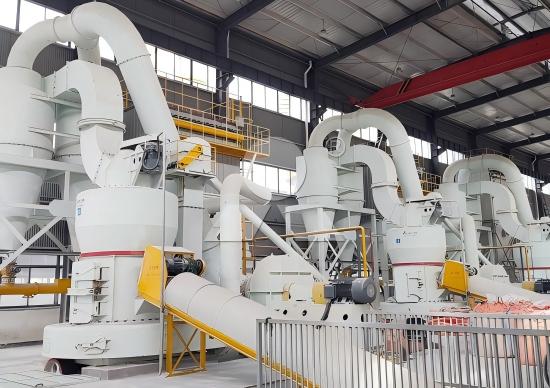
Mineral powders used in oil and gas drilling require controlled particle characteristics, stable operation and a process configuration matched to the raw material and target product.
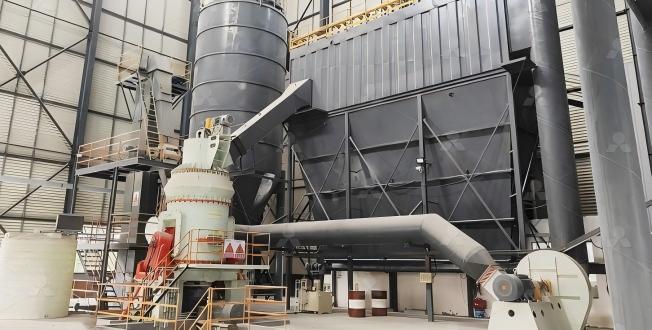
Liming Heavy Industry provides grinding and powder-processing equipment for these mineral applications, with process selection based on the material properties, required fineness, production capacity and overall plant configuration.
A focused mineral portfolio keeps the processing solution practical while covering the major powder materials used in drilling-fluid systems.
Grinding solutions for mineral powder used as a weighting material in drilling fluids.
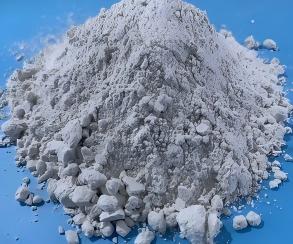
Processing solutions for drilling-grade clay requiring controlled powder characteristics.
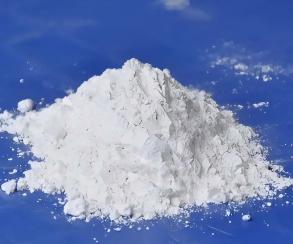
Grinding and classification for particle-size-controlled drilling-fluid applications.
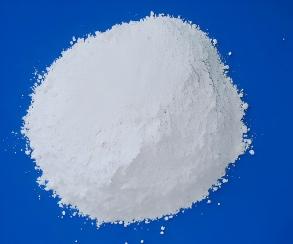
Hematite and other mineral powders can be considered for specific project requirements.
The process is configured around the feed condition, target particle size, required capacity and downstream drilling-fluid application.
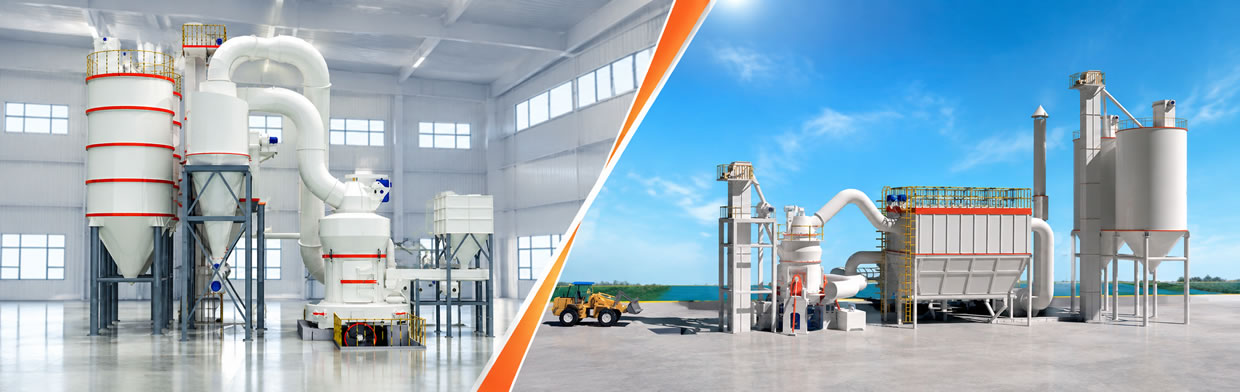
The upstream section can include crushing and feeding equipment to prepare the mineral for stable mill operation.
The grinding system reduces the mineral to the required powder range, while classification separates product according to the process design.
Select the grinding system according to production scale, material properties, target fineness and the overall plant configuration.
Designed for efficient large-scale mineral powder production with an integrated grinding and classification system.
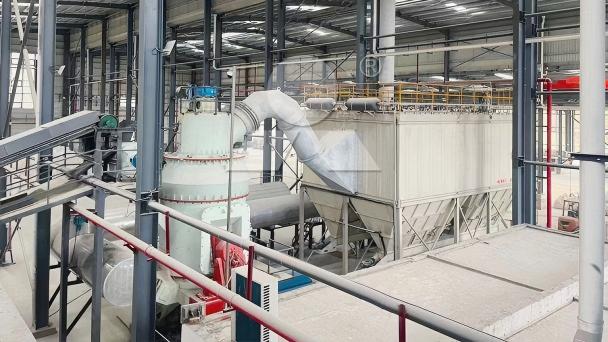
Suitable for efficient processing of barite, bentonite, calcium carbonate and other non-metallic minerals in flexible plant configurations.
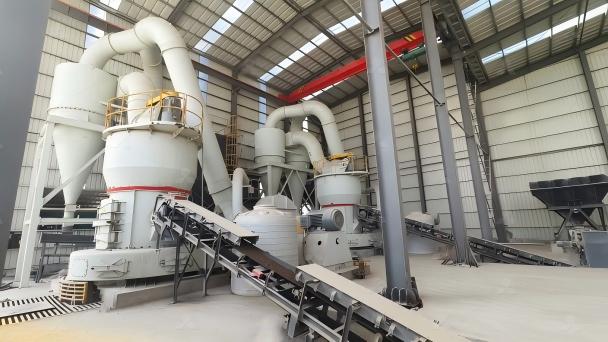
| Project Consideration | LM Vertical Roller Mill | MTW European Grinding Mill |
|---|---|---|
| Typical positioning | Large-scale industrial powder production | Flexible and efficient mineral powder production |
| Process integration | Strong integration of grinding, classification and optional drying | Grinding and classification in a flexible plant configuration |
| Best suited when | High throughput and compact layout are priorities | Flexible capacity and product fineness are priorities |
| Typical materials | Barite, limestone, calcium carbonate and other minerals | Barite, bentonite, calcium carbonate and other non-metallic minerals |
A complete solution may include feeding, crushing, grinding, classification, dust collection, conveying, storage and packing. The final configuration is determined by the raw material and production target.
Discuss Your Plant →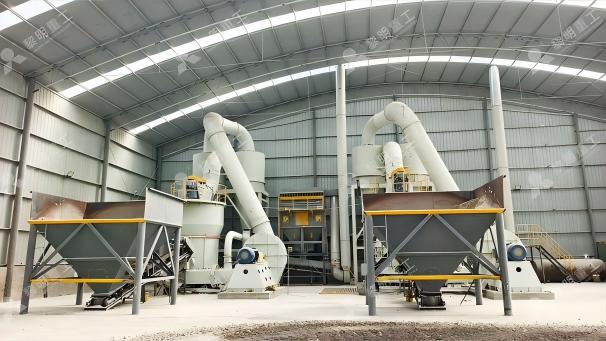
Real project experience helps us understand how different drilling minerals behave in industrial grinding systems.
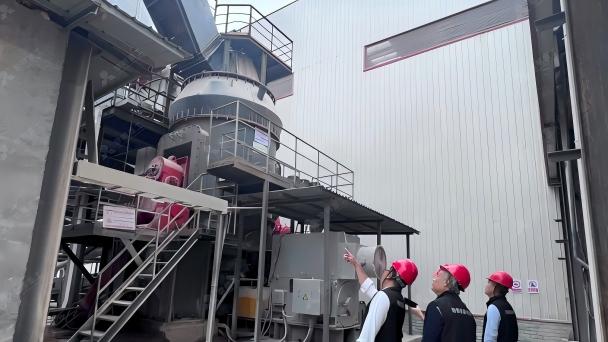
This bentonite grinding project uses an LM22-2K Vertical Mill for continuous industrial powder production. The published project configuration delivers 30 tph of bentonite at 150–200 mesh.
The case is listed in Liming Heavy Industry's bentonite grinding portfolio. Final equipment selection for a new project should be based on actual material properties and product requirements.
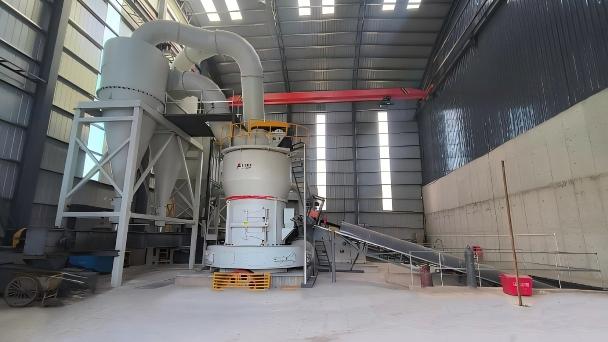
This barite project uses the MTW European Trapezium Grinding Mill as the core grinding equipment. The process integrates crushing, grinding, classification and conveying in a closed-loop configuration for controlled barite powder production.
The project experience demonstrates MTW's application in barite powder processing. Product specifications should be confirmed according to the intended drilling-fluid application.
Practical guides covering mineral selection, grinding equipment, process configuration and plant design.
Processing considerations for barite powder used in drilling-fluid systems.
Read guide →How grinding and classification fit into a drilling mineral powder plant.
Read guide →Key factors for selecting equipment for oilfield mineral powder production.
Read guide →Where an LM vertical mill fits in large-scale mineral powder plants.
Read guide →Flexible grinding configurations for barite and other non-metallic minerals.
Read guide →Plant sections and equipment considerations for a complete solution.
Read guide →Important processing considerations for drilling-grade bentonite.
Read guide →Particle-size-controlled calcium carbonate processing for drilling applications.
Read guide →A brief guide to processing hematite for specialized weighting applications.
Read guide →Why particle-size control matters for drilling-fluid mineral powders.
Read guide →A practical comparison of two mineral weighting materials.
Read guide →Compare different mineral functions and processing considerations.
Read guide →Overview of a complete mineral powder production configuration.
Read guide →How classification supports consistent powder production.
Read guide →Dust collection considerations for cleaner and more controlled plants.
Read guide →Plant design considerations for high-capacity production.
Read guide →From raw mineral preparation to finished powder handling.
Read guide →How to match capacity, material and equipment configuration.
Read guide →Barite is the primary mineral associated with drilling-fluid weighting. Bentonite is widely used in drilling-fluid systems, while calcium carbonate and other minerals may be selected for specific formulation requirements.
The suitable mill depends on the required capacity, feed size, target fineness, material properties and plant configuration. Liming Heavy Industry can evaluate the project and recommend an LM or MTW-based solution.
Yes. The LM Vertical Roller Mill can be configured for industrial processing of suitable non-metallic minerals such as barite, limestone and calcium carbonate, subject to material and process requirements.
Yes. MTW is designed for efficient processing of many non-metallic minerals and can be considered for barite, calcium carbonate and related mineral powder applications.
Bentonite can be processed in suitable grinding systems, but its moisture, clay characteristics, feed condition and required product properties should be evaluated before final equipment selection.
The target particle-size distribution depends on the drilling-fluid formulation, application, product specification and downstream use. The grinding and classification system should therefore be designed around the customer's actual product requirement.
Yes. A complete configuration can combine material preparation, grinding, classification, dust collection, conveying, storage and packing according to the project scope.
LM is generally positioned for larger-scale industrial production and integrated process layouts, while MTW provides a flexible option for efficient mineral powder production. The final choice should be based on capacity, material properties, fineness and plant requirements.
Send us your mineral type, required capacity, feed size and target powder fineness. Our team can help evaluate a suitable grinding and processing configuration.


