Oil & Gas Mineral Processing
Barite Processing Plant Design for Drilling Applications
2026-09-14 17:25:13
We are Liming Heavy Industry, a manufacturer of various types of industrial crushers, such as Raymond Mill, Trapezoidal Mill, Vertical Mill, Ultrafine Mill, Ball Mill, etc.
Our mills can process the following minerals:
limestone, quicklime, kaolin, talc, barite, bentonite, calcium carbonate, dolomite, coal, gypsum, clay, carbon black, slag, cement raw materials, cement clinker, etc.
If you need a mill to process stone or minerals into powder, please feel free to contact me (WhatsApp: +8615333807511). Thank you.
A barite processing plant for drilling applications should be designed around finished powder quality, not grinding capacity alone. The line must consistently convert raw barite ore into a dense, dry, clean, and tightly controlled powder suitable for use as a drilling-fluid weighting material.
For conventional drilling-grade barite, the processing target commonly includes a minimum specific gravity of 4.20 g/mL, controlled soluble salts, a limited coarse fraction above 75 μm, and a limited ultrafine fraction below 6 μm. These requirements make crushing, drying, grinding, classification, powder collection, storage, and laboratory testing equally important parts of the plant.
Design Starts with Product Requirements
Barite is added to drilling fluid to increase mud density and help balance underground formation pressure. The mineral has high density because it is primarily barium sulfate, but the finished powder must also disperse properly and remain sufficiently stable in the circulating fluid system.
A plant design should therefore begin by confirming the intended barite grade, customer requirements, raw-material quality, planned annual output, and delivery method. The process arrangement for a bulk-supply operation serving drilling-fluid companies may differ significantly from a smaller plant supplying bagged barite to regional distributors.
| Design Input | Information Required | Effect on Plant Design |
|---|---|---|
| Raw barite quality | Specific gravity, BaSO4 content, impurities, hardness, abrasiveness, and moisture. | Determines whether beneficiation is needed, identifies wear requirements, and confirms whether the ore can meet the required finished-product density. |
| Feed size | Maximum lump size, average particle size, and variation in mine supply. | Determines crusher type, crushing stages, storage-hopper design, and mill-feed preparation. |
| Finished powder target | Required particle-size distribution, density grade, moisture, chemical limits, and packing specification. | Determines grinding settings, classifier performance, laboratory equipment, storage, and loading arrangement. |
| Production capacity | Hourly output, annual tonnage, operating hours, peak demand, and future expansion plan. | Determines mill model, silo volume, conveying capacity, dust-collection size, and redundancy requirements. |
| Feed moisture | Average moisture, maximum seasonal moisture, and material-storage conditions. | Determines whether integrated drying or additional drying equipment is required. |
| Delivery method | Bulk tanker, big bag, valve bag, or containerized bag shipment. | Determines finished-product silos, weighing equipment, loading systems, and packing equipment. |
The most important principle is simple: grinding cannot improve the inherent density of the ore. If the mine feed does not have sufficient specific gravity, a high-quality grinding line cannot turn it into 4.2-grade drilling barite. Representative ore testing should therefore be completed before selecting equipment and finalizing the process flow.
Recommended Plant Flow
A dry-process barite grinding plant for drilling applications usually includes raw ore receiving, crushing, optional drying, fine grinding, air classification, dust collection, finished-product storage, and packing or bulk loading. The final flow sheet should be adjusted according to the feed condition and required output.
Raw ore receiving and grade separation. Barite from different pits, mine benches, or suppliers should be inspected and stored separately where possible. Ore density, moisture, and impurity content can vary substantially. Separate stockpiles allow the operator to maintain traceability and blend material in a controlled way rather than relying on uncontrolled variation in the mill feed.
Crushing and screening. Large barite lumps are reduced to a size suitable for the grinding mill. The crushing section may include a primary crusher, secondary crushing stage where needed, vibrating screen, belt conveyor, and transfer chute. The objective is to create stable feed with limited oversize material, not merely to reduce rock size as much as possible.
Feed buffering and metering. A buffer hopper between crushing and grinding protects the mill from interruptions in upstream feeding. A controlled feeder then supplies the mill at a stable rate. Consistent feed is essential for stable grinding pressure, airflow, classification efficiency, power consumption, and finished-powder fineness.
Drying. When moisture is low and stable, the grinding system may operate without significant additional drying capacity. When barite feed is wet, especially during rainy periods or after outdoor stockpiling, the process should include a hot-air system or a separate dryer. Excess moisture can cause material buildup, reduce powder separation efficiency, and interfere with finished-product storage and loading.
Grinding and classification. The core of the plant produces fine barite powder and separates qualified product from coarse material. Fine powder enters the collection system, while coarse powder returns to the mill for further grinding. This closed-circuit arrangement is necessary to control the upper particle-size limit without overgrinding all material.
Dust collection and air circulation. A pulse dust collector separates fine barite powder from the process air. Collected powder returns to the product stream, while clean air is discharged or recirculated according to the plant configuration. A properly sized collection system protects the working environment, limits powder loss, and helps maintain stable system pressure.
Finished-powder storage and dispatch. Qualified barite powder is conveyed to finished-product silos. From there, it can be loaded into bulk tankers, filled into big bags, or packed into smaller bags. The storage system should remain dry, enclosed, and clearly identified by product grade and batch number.
Grinding Equipment Selection
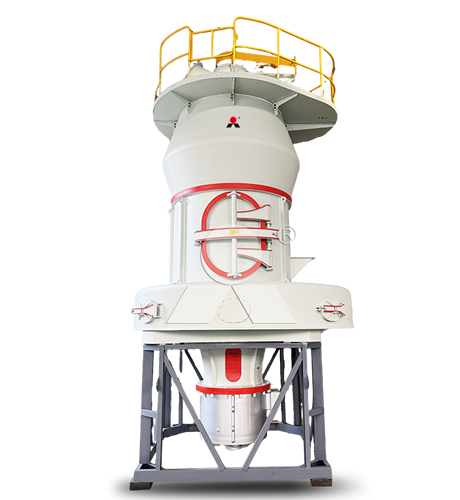
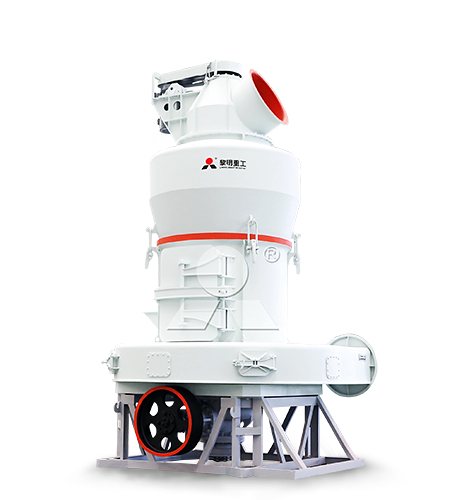
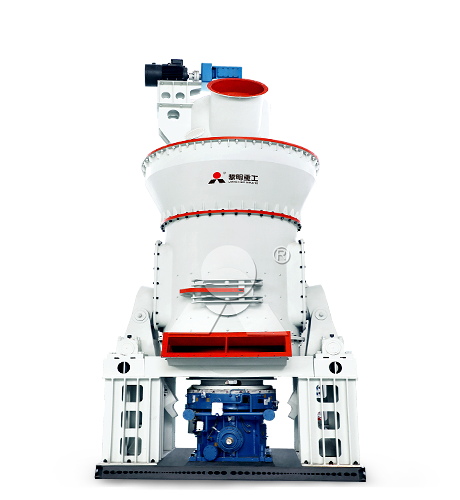
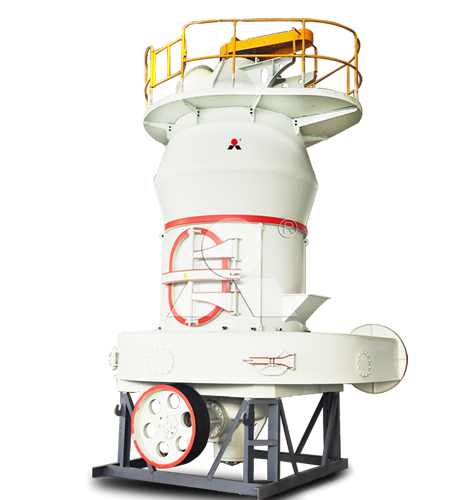
For this type of plant, the grinding system should be selected according to capacity, feed moisture, site layout, and the level of process integration required. For drilling barite, Liming Heavy Industry’s LM Vertical Roller Mill and MTW European Trapezium Grinding Mill are suitable options for different project scales.
| Selection Factor | LM Vertical Roller Mill | MTW European Trapezium Grinding Mill |
|---|---|---|
| Best-fit project type | Large-capacity, centralized barite powder production. | Flexible-capacity barite plants serving regional drilling-fluid markets. |
| Core process functions | Grinding, drying, classification, and pneumatic conveying in one integrated system. | Roller-and-ring grinding with air classification, powder collection, and coarse-powder recirculation. |
| Feed moisture adaptability | Suitable for material requiring simultaneous drying and grinding. | Suitable for dry or properly prepared feed; a hot-air system can be added when required. |
| Output planning | Suitable for high-throughput, continuous production with bulk storage and dispatch. | Suitable for moderate output and phased capacity development. |
| Process layout | Integrated arrangement can reduce intermediate handling stages. | Practical arrangement with crusher, feeder, mill, classifier, collector, silo, and packing equipment. |
| Main operating focus | Thermal balance, stable mill loading, internal classification, and continuous production. | Feed consistency, roller-and-ring condition, airflow control, and separator adjustment. |
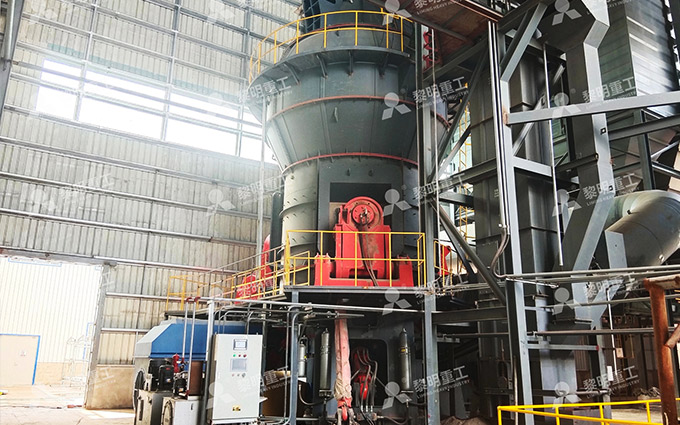
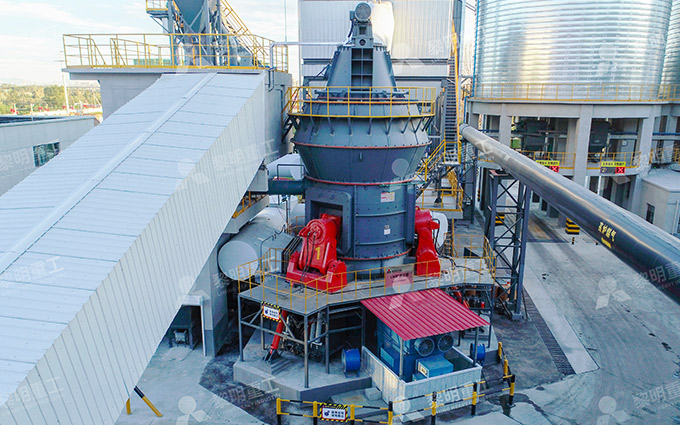
The LM Vertical Roller Mill is appropriate for a large drilling-barite project requiring substantial daily output and integrated drying. Barite enters the vertical mill, where rollers grind it on the grinding table. Airflow carries the powder to an internal separator; qualified powder proceeds to collection, while coarse particles return to the grinding zone. The integrated system can combine crushing, grinding, drying, classification, and conveying functions.
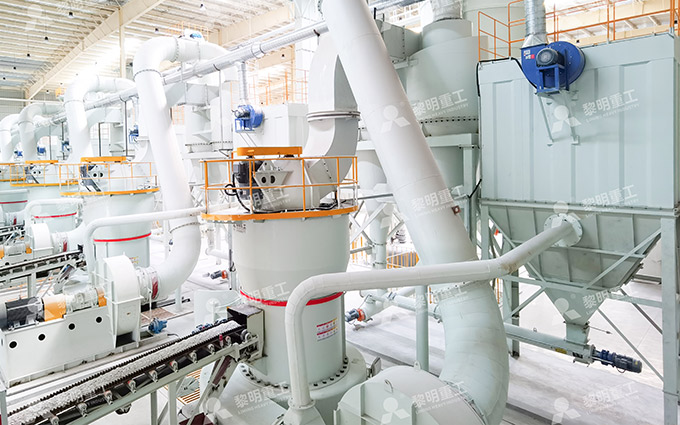
The MTW European Trapezium Grinding Mill is suitable for barite plants requiring flexible capacity and controlled fine-powder production. In a typical MTW barite line, raw material is fed to the crusher, lifted to the mill by an elevator, ground between rollers and the grinding ring, carried to the powder separator by airflow, and collected after classification. Coarse particles return to the mill, forming a closed grinding circuit.
Liming Heavy Industry describes an MTW barite process in which material is classified into 200–325 mesh finished powder, collected by a pulse dust collector, transferred to finished-product storage, and returned for regrinding when it does not meet the required powder specification.
Particle-Size Control Strategy
Particle-size distribution is the central control target in a drilling-barite grinding plant. An average mesh value alone is not sufficient because drilling-fluid performance can be affected by both oversized particles and excessive ultrafines.
For conventional 4.2-grade drilling barite, the required upper and lower particle-size limits provide a practical design framework. Material larger than 75 μm must be controlled, while the fraction below 6 μm must also remain within the applicable limit. The plant should therefore use a grinding and classification arrangement that can reject coarse particles efficiently without creating unnecessary ultrafine powder.
| Production Issue | Possible Cause | Recommended Check |
|---|---|---|
| High residue above 75 μm | Insufficient grinding, worn grinding parts, poor classification, excessive feed, or oversized mill feed. | Inspect crusher discharge size, mill load, roller condition, airflow, classifier setting, and coarse-material return path. |
| Excessive particles below 6 μm | Overgrinding, high grinding pressure, excessive circulation time, or unsuitable separator adjustment. | Review separator operation, mill loading, feed rate, airflow, and grinding intensity. |
| Unstable product fineness | Variable raw feed, fluctuating moisture, inconsistent feeder performance, or changing system pressure. | Stabilize ore blending, monitor moisture, calibrate feeding equipment, and inspect ducts and dust collection. |
| Powder storage problems | High product moisture, air leakage, poor silo design, or insufficient conveying capacity. | Check drying conditions, silo sealing, powder temperature, aeration arrangements, and conveying system performance. |
Plant operators should adjust grinding and classification based on laboratory results rather than visual judgment. If coarse residue rises, the first response should not always be to increase grinding force. The operator should also verify feed size, classifier condition, air volume, and coarse-powder circulation. Likewise, if the ultrafine fraction becomes too high, reducing classifier efficiency is not necessarily the answer; a balanced review of grinding pressure, material residence time, airflow, and feed rate is needed.
Quality-Control and Laboratory Area
A drilling-barite processing plant should include a dedicated sampling and testing area. Quality checks should begin with the incoming ore and continue through crushing, grinding, finished-product storage, and delivery. Routine testing provides the data needed to stabilize the process and verify product conformity before dispatch.
Specific gravity testing: Confirms that the raw ore and finished barite powder meet the required density grade.
Moisture testing: Supports stable grinding, powder storage, weight control, and packing performance.
Screen residue testing: Measures the mass fraction of coarse particles, including material retained above the specified upper size limit.
Particle-size distribution testing: Verifies both the coarse fraction and the proportion of ultrafine particles.
Chemical analysis: Checks barium sulfate content and monitors soluble alkaline-earth metals and other relevant impurities.
Batch sampling and records: Links each finished-product shipment to a production date, raw-material source, test result, and storage silo.
API documentation identifies drilling-fluid materials as products requiring defined physical-property specifications and test procedures. A plant should therefore use documented sampling procedures, calibrated instruments, retained samples, and batch records rather than relying only on occasional finished-product checks.
Plant Design Priorities
A reliable barite processing plant for drilling applications is built around stable raw material, controlled grinding, precise classification, dry powder handling, and traceable quality assurance. The recommended process should be confirmed using representative ore samples rather than generic assumptions about barite properties.
For high-capacity projects with moisture-bearing feed and a need for integrated drying and grinding, the LM Vertical Roller Mill provides a compact central process unit. For flexible production capacity, 200–325 mesh barite processing, and a conventional closed-circuit grinding layout, the MTW European Trapezium Grinding Mill offers a suitable solution.
The final plant configuration should be based on actual ore density, moisture, hardness, feed size, required powder distribution, desired output, available site utilities, and product-delivery format. When these factors are addressed at the design stage, the plant can provide stable barite powder for drilling-fluid preparation over long production cycles.