

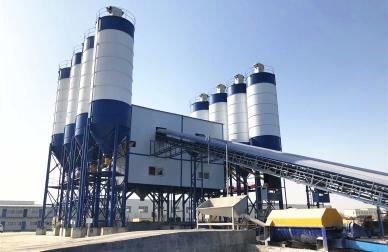
Construction Materials
For dry-mix mortar, concrete-related products, wall materials and other mineral-based building applications.
Limestone Powder Processing
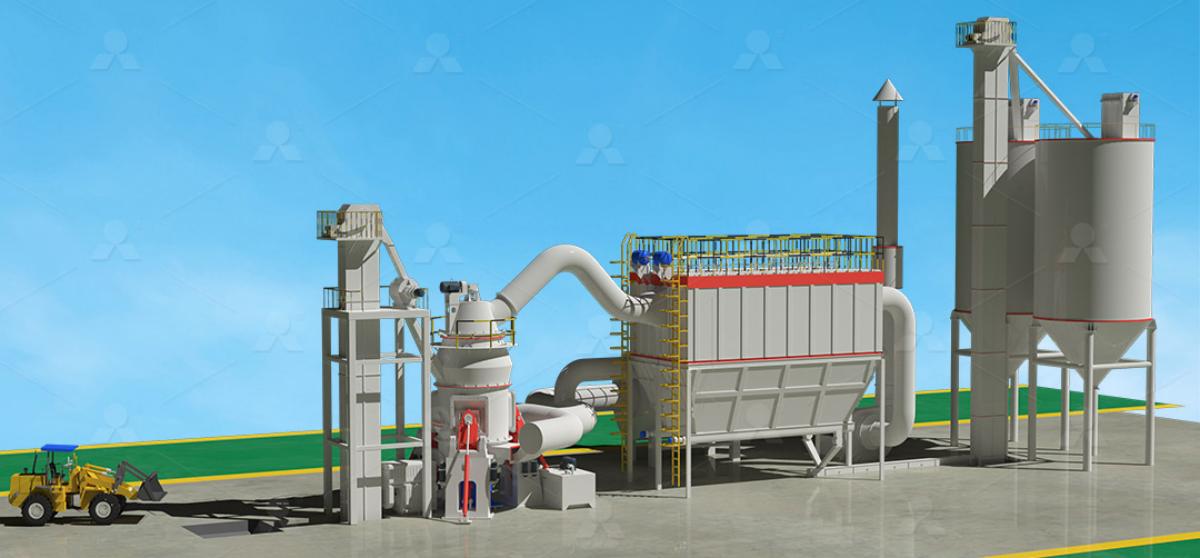
Complete non-calcined limestone powder production lines from crushing and controlled feeding to grinding, classification, dust collection, storage and packing.
Complete Plant Scope
This solution is designed for limestone powder production without calcination. It combines raw-material preparation, controlled grinding and finished-powder handling into one coordinated plant configuration.
Powder Applications
The required powder grade depends on the downstream process. A suitable grinding line is designed around the application, expected capacity, powder consistency and finished-product handling method.
For dry-mix mortar, concrete-related products, wall materials and other mineral-based building applications.
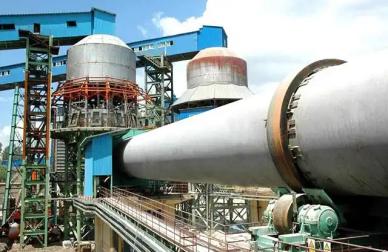
For stable bulk powder supply in cement-related processes and blended mineral material applications.
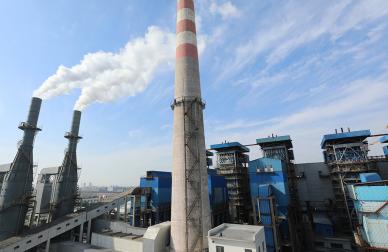
For limestone sorbent preparation where controlled fineness and stable material supply are required.
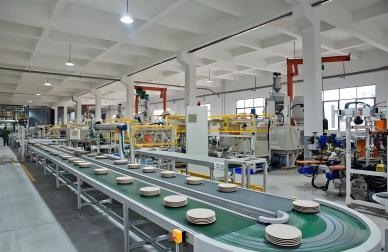
For mineral raw-material preparation requiring consistent powder quality and controlled particle distribution.
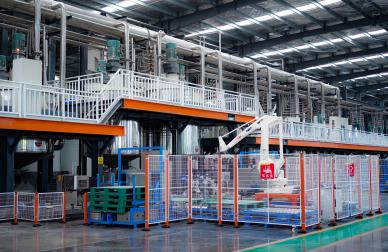
For fine or ultrafine calcium carbonate powder used in filler and formulation applications.
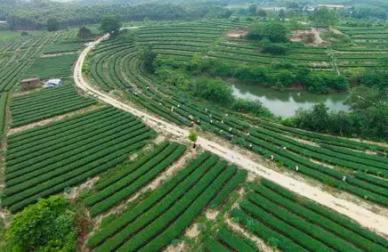
For application-specific powder grades used in soil treatment, neutralization and related processes.
Process Flow
The process can be adjusted to suit raw-material conditions and final-product requirements. The key objective is to maintain stable feeding, efficient grinding, controlled classification and clean powder recovery.
Material analysis, maximum lump size and moisture are confirmed before plant design.
Large stone is reduced to a controlled feed size suitable for the selected grinding system.
Buffer storage and controlled dosing support a stable, continuous material flow.
The mill produces the target powder range according to application and capacity requirements.
Fine powder is separated from coarse particles to maintain the required product grade.
Collected powder is recovered while enclosed handling supports clean plant operation.
Finished product is stored and delivered by bulk loading, valve bags or jumbo bags.
Equipment Selection
A limestone grinding plant should be selected from the finished powder backward: define the product grade, capacity and downstream application first, then configure the grinding equipment and supporting systems.
| Project Direction | Typical Requirement | Recommended Equipment | Configuration Focus |
|---|---|---|---|
| Conventional Limestone Powder | Reliable production for general industrial and construction applications | R Raymond Mill or MTW European Mill | Practical grinding, stable feeding and dependable finished-product handling |
| Fine Powder Production | Higher output with stable powder consistency | MTW European Mill or LM Vertical Mill | Continuous operation, classification efficiency and system integration |
| Large-Scale Centralized Production | High-capacity plant with integrated layout and control | LM Vertical Mill | Large throughput, compact process arrangement and centralized operation |
| Ultrafine Limestone Powder | Finer powder and more precise particle-size control | MW Micro Powder Mill or LUM Ultrafine Vertical Mill | Fine grinding, efficient classification and controlled powder collection |
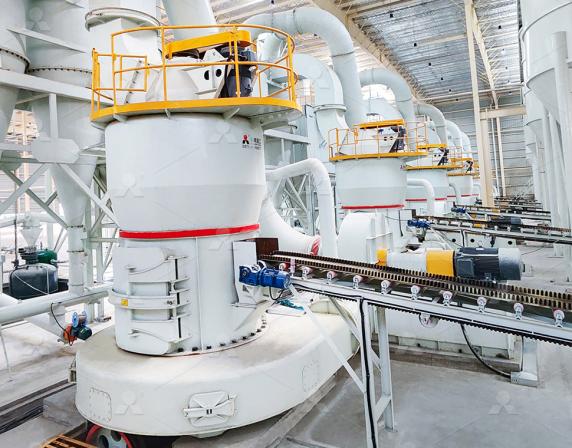
For fine limestone powder projects requiring stable operation, flexible powder adjustment and integrated plant configuration.
Discuss MTW Configuration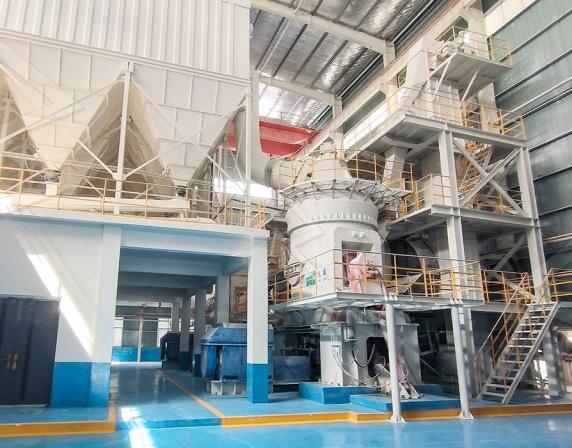
For large-scale limestone grinding plants that require high capacity, integrated processing and centralized operation.
Discuss LM Configuration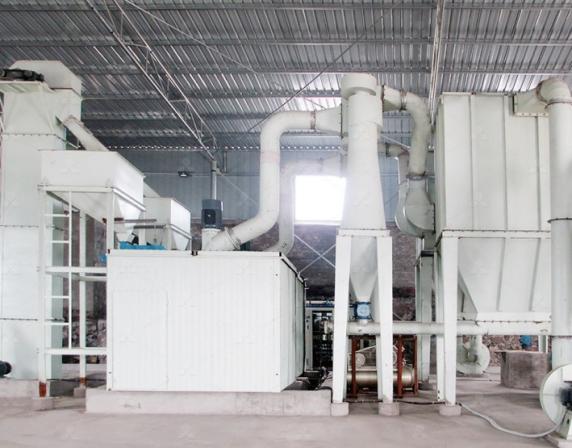
For ultrafine limestone powder projects where fine particle size and controlled classification are important.
Discuss MW Configuration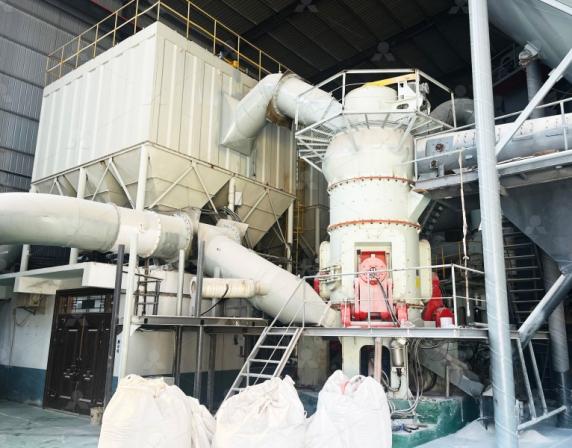
For higher-value ultrafine powder production with a focus on capacity, fine grinding and integrated operation.
Discuss LUM ConfigurationSupporting Systems
Stable limestone powder production depends on the coordination of the complete system—not the grinding mill alone.
Prepare limestone at a controlled feed size and remove oversize material where required.
Maintain steady material flow with feeders, elevators and conveying equipment.
Separate qualified powder from coarse particles to support consistent finished-product quality.
Recover powder at key collection points and support enclosed, clean material handling.
Use finished-product silos and transfer equipment matched to bulk or packed delivery.
Configure valve-bag, jumbo-bag or bulk-loading systems according to market requirements.
Project References
The examples below illustrate common configuration directions. Replace each card with confirmed public project information, authentic equipment photos and verified operating data when available.
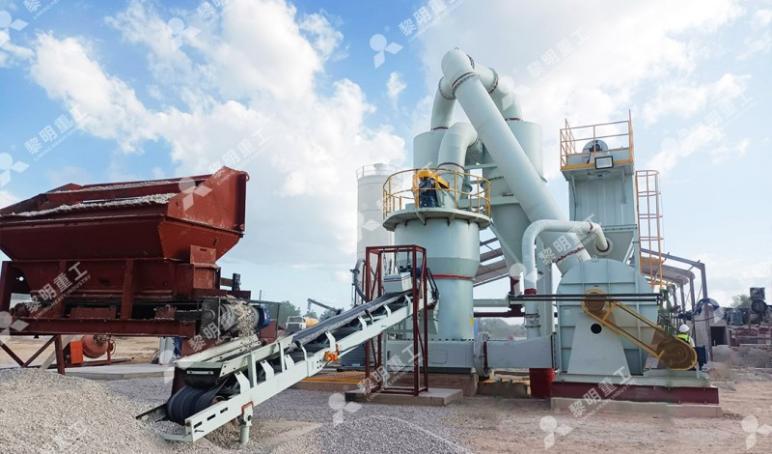 Fine Powder Line
A complete line for customers seeking stable fine limestone powder production with coordinated crushing, grinding, classification and finished-powder storage.
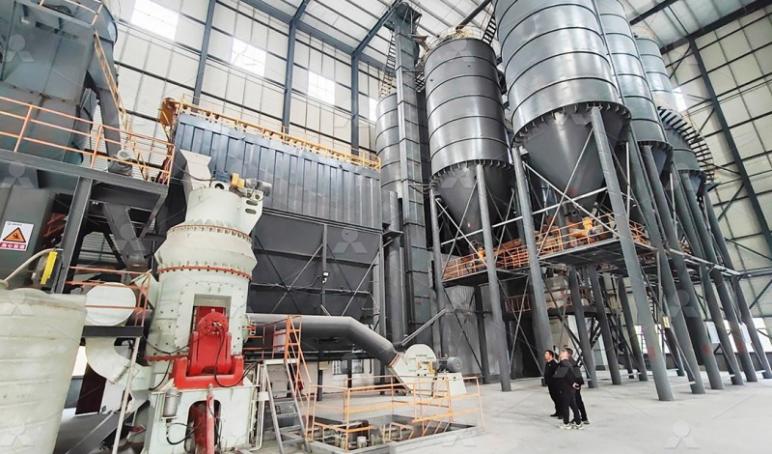 Large Capacity
A centralized configuration designed for high-throughput limestone processing, with integrated raw-material handling, grinding, collection and bulk-storage sections.
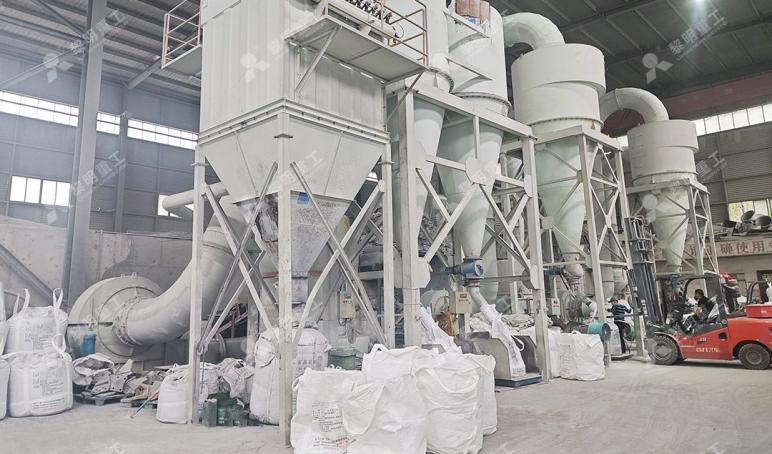 Ultrafine Powder
A fine-powder configuration for applications that require tighter particle-size control, efficient classification and enclosed product collection.
Plant Selection
Confirm the target application, required powder grade, particle-size distribution and finished-product delivery method.
Review limestone composition, impurities, maximum feed size, moisture content and material-handling conditions.
Select crushing, grinding, classification, collection, storage and packing systems around the actual project target.
Limestone Grinding Articles
The following article pages are planned as supporting resources for material preparation, mill selection, powder applications and plant operation.
Related Processing Routes
FAQ
Start Your Project
Send your limestone information and production target by WhatsApp. Our engineers can recommend a suitable process route, grinding equipment and supporting system configuration for your project.


