Limestone Grinding Plant
Limestone Powder for Flue Gas Desulfurization: Processing Requirements and Plant Design
2026-09-25 14:43:19
We are Liming Heavy Industry, a manufacturer of various types of industrial crushers, such as Raymond Mill, Trapezoidal Mill, Vertical Mill, Ultrafine Mill, Ball Mill, etc.
Our mills can process the following minerals:
limestone, quicklime, kaolin, talc, barite, bentonite, calcium carbonate, dolomite, coal, gypsum, clay, carbon black, slag, cement raw materials, cement clinker, etc.
If you need a mill to process stone or minerals into powder, please feel free to contact me (WhatsApp: +8615333807511). Thank you.
Limestone powder is widely used as a reagent in wet flue gas desulfurization (FGD) systems at coal-fired power plants and other industrial facilities. In a limestone-based FGD process, the limestone is prepared as a fine slurry and reacts with sulfur dioxide in the flue gas. The quality and consistency of the limestone powder can therefore have a direct influence on reagent preparation and overall desulfurization operation.
A limestone grinding plant for FGD has different requirements from a conventional limestone powder plant. The objective is not simply to produce fine powder, but to provide a stable limestone product with suitable fineness, consistent feeding, and reliable continuous operation.
Why Limestone Powder Is Used for FGD
Flue gases from combustion processes can contain sulfur dioxide (SO₂). In a wet limestone FGD system, ground limestone is mixed with water to form a slurry. The slurry is brought into contact with the flue gas, where the limestone participates in reactions that remove sulfur dioxide from the gas stream.
The resulting process produces calcium-containing reaction products, commonly including gypsum in wet limestone FGD systems. The exact process configuration and product characteristics depend on the plant design and operating conditions.
Because limestone is consumed during this process, the FGD system needs a continuous and dependable supply of suitably prepared limestone.
What Fineness Does FGD Limestone Require?
FGD limestone generally needs to be ground much finer than quarry limestone or ordinary construction aggregate. Fine particles provide a larger reactive surface area and can improve the preparation of limestone slurry.
The exact fineness requirement varies between FGD systems. Many projects specify limestone powder in a fine range such as 200 mesh or similar particle-size requirements, while some plants use other specifications based on their absorber design and operating conditions.
For this reason, the actual specification should be confirmed from the FGD process design rather than assuming one universal limestone fineness.
Important Limestone Feed Characteristics
The grinding system should be designed according to the actual limestone supplied to the plant. Important raw-material parameters include:
Maximum feed particle size
Moisture content
Calcium carbonate content
Hardness and grindability
Required finished powder fineness
Required production capacity
Feed size is especially important when the limestone is delivered directly from a quarry. Oversized material normally needs to be crushed before entering the grinding system.
A Typical FGD Limestone Grinding Process
A limestone preparation system for wet FGD can generally be arranged around the following process:
Raw Limestone → Crushing → Feeding → Grinding → Classification → Dust Collection → Limestone Powder Storage → Slurry Preparation
The grinding section prepares the limestone powder, while the downstream slurry preparation system mixes the powder with water before the reagent is supplied to the FGD absorber.
The exact equipment arrangement depends on the plant capacity, limestone feed condition, required powder specification, and the configuration of the FGD system.
Why Stable Fineness Matters in FGD Limestone Preparation
FGD limestone is not simply a bulk filler material. The powder becomes part of a chemical absorption process, so consistent particle size is important for stable reagent preparation.
If the limestone powder contains excessive coarse particles, the slurry preparation and reaction process may be affected. On the other hand, producing powder significantly finer than necessary can increase grinding requirements without necessarily providing a corresponding process benefit.
The grinding plant should therefore target the fineness specified by the FGD process rather than automatically pursuing the finest possible product.
Choosing a Grinding Mill for FGD Limestone
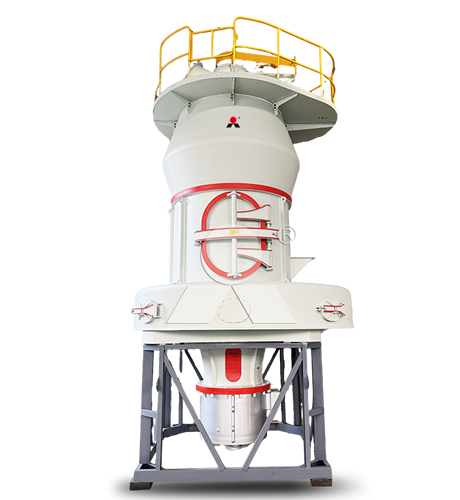
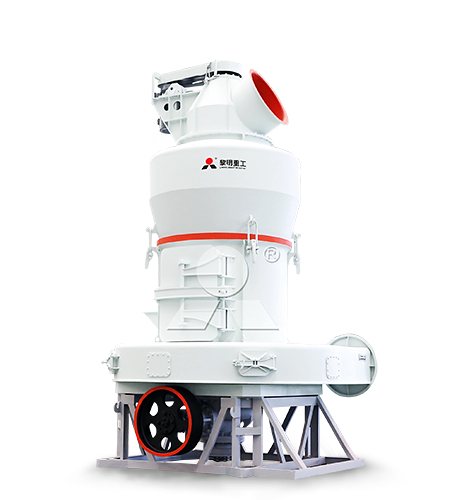
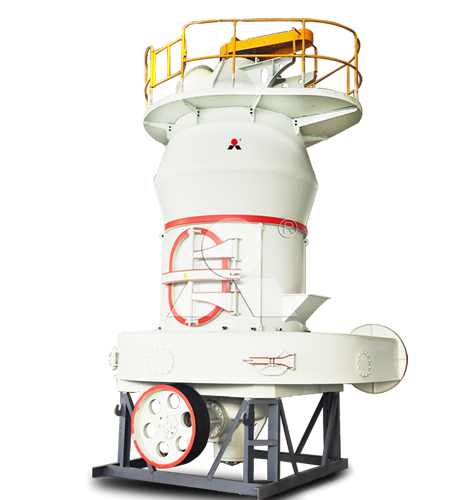
The grinding mill should provide the required fineness and capacity while maintaining stable continuous operation. Liming Heavy Industry offers several grinding mill options that can be considered for limestone processing.
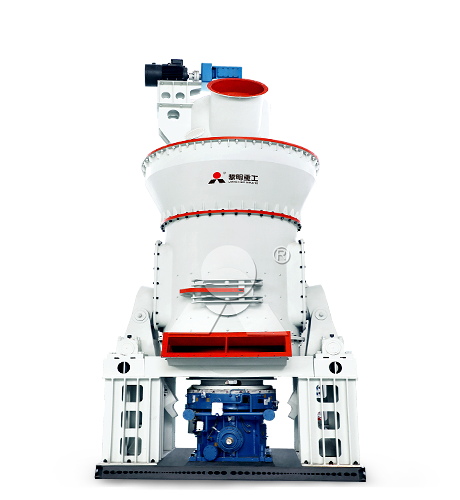
LM Vertical Grinding Mill
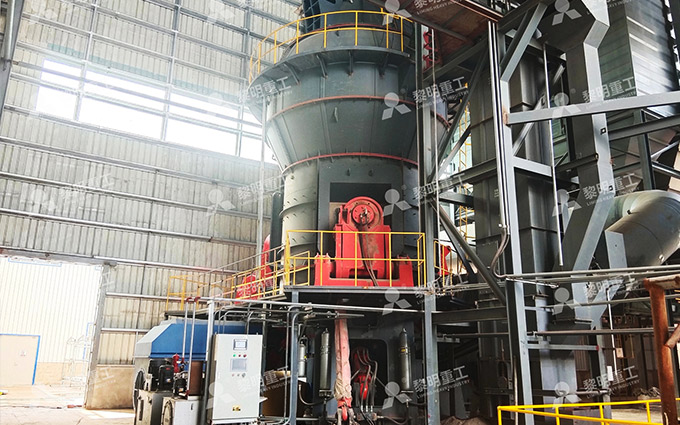
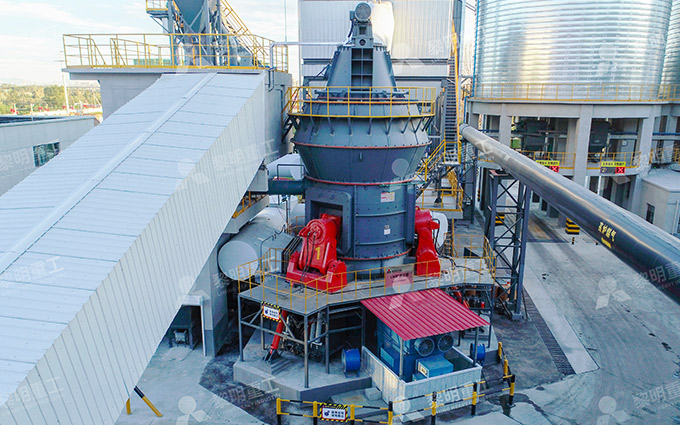
The Liming Heavy Industry LM Vertical Grinding Mill is suitable for large-scale limestone grinding projects. It integrates grinding, classification, drying, and conveying functions, which can help simplify the layout of a high-capacity limestone powder preparation system.
For large FGD projects requiring continuous limestone preparation, the LM mill can be considered according to the required capacity and product specification.
MTW European Grinding Mill
The Liming Heavy Industry MTW European Grinding Mill is suitable for fine limestone powder production across a broad range of capacities. It can be used when the FGD project requires a conventional fine limestone grinding system with controlled classification.
The choice between different MTW configurations depends on the required limestone feed size, capacity, and finished powder specification.
Does FGD Limestone Need Drying?
Not every limestone grinding plant requires a separate drying system. The need for drying depends mainly on the moisture content of the raw limestone and the operating requirements of the grinding process.
When the limestone contains relatively high moisture, drying may be incorporated into the grinding process. The integrated drying capability of an appropriate grinding system can help maintain stable material flow and powder separation.
For low-moisture limestone, a dedicated drying stage may not be necessary.
Crushing Before FGD Limestone Grinding
Limestone delivered from a quarry can contain large rocks that are unsuitable for direct grinding. A crushing stage is therefore commonly installed upstream of the mill.
The crusher reduces the limestone to a size that can be continuously fed into the grinding system. The crushing arrangement can range from a simple single-stage process to a more complete multi-stage system depending on the original rock size.
There is no need to use more crushing stages than required. The objective is to provide a stable feed suitable for the selected grinding mill.
Capacity Planning for an FGD Limestone Plant
The required limestone grinding capacity should be linked to the consumption of the downstream FGD system. The plant should have sufficient capacity to supply the absorber continuously under normal operating conditions.
Capacity planning should consider:
Flue gas treatment capacity
Expected sulfur dioxide loading
Limestone consumption
Required limestone powder fineness
Daily operating hours
Required storage capacity
Standby or backup arrangements
The grinding system should not be selected solely according to the nominal output of the mill. The complete material-handling system must also be able to transport, store, and feed the required amount of limestone powder.
Limestone Powder Storage and Slurry Preparation
After grinding and dust collection, the limestone powder can be transferred to a storage silo. From the silo, controlled feeding equipment supplies the powder to the slurry preparation system.
The slurry preparation section combines limestone powder with water under controlled conditions. The resulting slurry is then supplied to the FGD absorber according to the operating requirements of the desulfurization system.
Reliable powder conveying and storage are important because interruptions in limestone supply can affect continuous FGD operation.
Dust Collection Is an Essential Part of the Plant
Fine limestone powder can become airborne during crushing, grinding, classification, conveying, and storage. A suitable dust collection system should therefore be incorporated into the plant design.
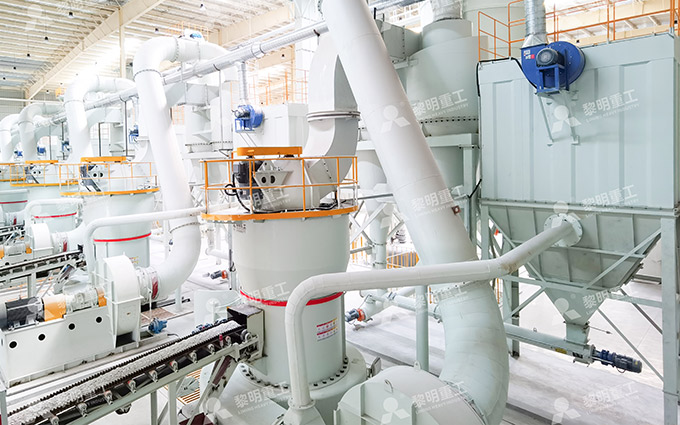
The grinding system normally works together with a powder separator and dust collector so that finished limestone powder can be efficiently collected while the surrounding working environment is kept under control.
Sealed conveying and transfer points can further reduce powder loss and dust emissions.
FGD Limestone Grinding Compared With Ordinary Limestone Grinding
| Item | FGD Limestone Grinding | General Limestone Powder Production |
|---|---|---|
| Main purpose | Preparation of limestone reagent for flue gas desulfurization | Production of limestone powder for different industrial applications |
| Product requirement | Fine and consistent powder suitable for the FGD process | Depends on the final application |
| Downstream process | Slurry preparation and absorber feeding | May include packaging, storage, mixing, or direct use |
| Capacity consideration | Linked to limestone consumption in the FGD system | Determined by market or production requirements |
The comparison shows why an FGD limestone grinding system should be designed together with the downstream desulfurization process.
Plant Design Considerations
A practical FGD limestone grinding plant should provide a continuous material path from raw limestone receiving to finished powder storage. The main equipment may include a raw-material hopper, feeder, crusher, conveyor, grinding mill, classifier, dust collector, bucket elevator or other conveying equipment, and limestone powder silo.
The layout should also allow convenient maintenance access and provide appropriate separation between the raw-material handling area and the fine-powder section.
For larger projects, automatic control can be used to coordinate feeding, grinding, classification, dust collection, and finished-product conveying.
When to Choose LM or MTW for FGD Limestone
The choice between the Liming Heavy Industry LM Vertical Grinding Mill and MTW European Grinding Mill depends primarily on the required capacity, fineness, raw-material condition, and overall plant configuration.
The LM mill is particularly applicable to large-scale integrated grinding systems where high continuous production is required. The MTW mill can be considered for a broad range of fine limestone grinding applications with different capacity requirements.
The final equipment configuration should be determined after confirming the FGD limestone specification and the required production capacity.
Information Required for an FGD Limestone Grinding Project
Before designing the plant, the following information should be confirmed:
Raw limestone source and material characteristics
Maximum feed size
Limestone moisture content
Required limestone powder fineness
Required grinding capacity
FGD system type and absorber requirements
Required limestone powder storage capacity
Whether the limestone will be received as quarry rock or pre-crushed material
Local electrical and environmental requirements
These parameters provide the basis for selecting the crushing equipment, grinding mill, classifier, dust collection system, conveying equipment, and storage arrangement.
Conclusion
Limestone powder preparation is an important part of a limestone-based flue gas desulfurization system. The grinding plant needs to produce a consistent fine limestone powder at a capacity that matches the requirements of the downstream FGD process.
A complete system may include crushing, feeding, grinding, classification, dust collection, conveying, storage, and slurry preparation. Liming Heavy Industry LM Vertical Grinding Mill and MTW European Grinding Mill can be considered for different FGD limestone grinding requirements, with the final selection based on feed size, moisture, required fineness, capacity, and plant conditions.
For a new FGD limestone grinding project, the most important starting information is the limestone feed condition, required powder specification, required capacity, and the operating requirements of the downstream desulfurization system.