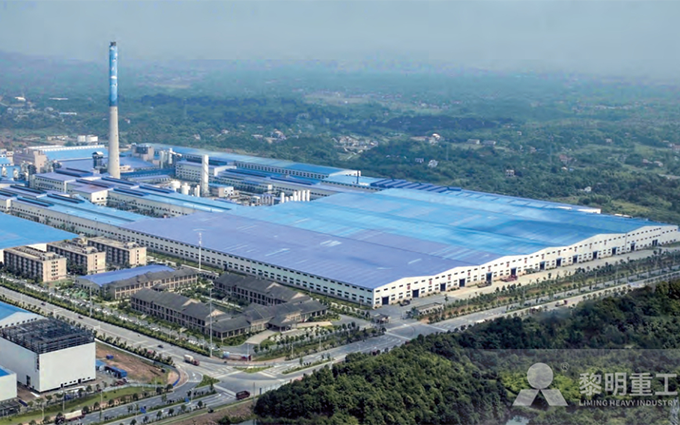
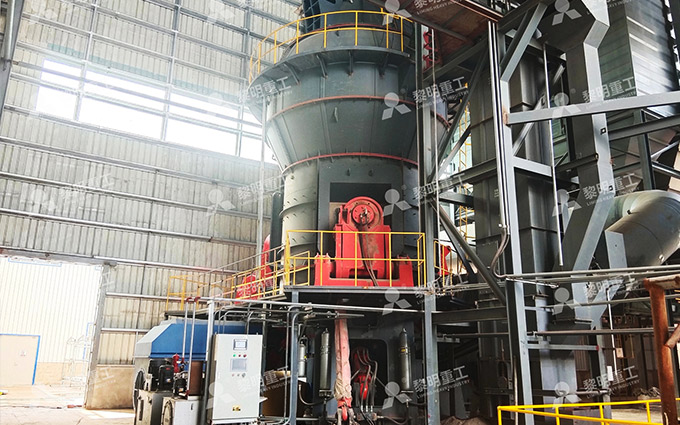
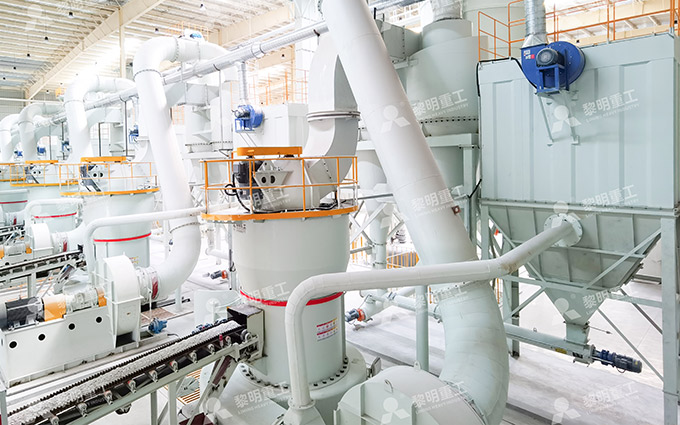
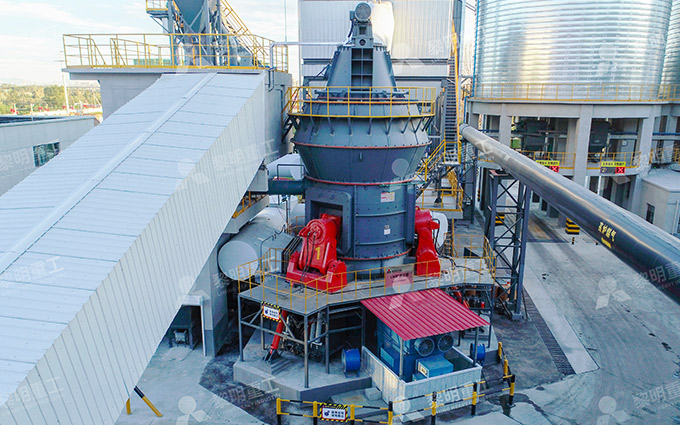
Limestone Grinding Plant
Limestone Powder Applications in Construction Materials and Dry-Mix Mortar
2026-09-25 14:42:46
We are Liming Heavy Industry, a manufacturer of various types of industrial crushers, such as Raymond Mill, Trapezoidal Mill, Vertical Mill, Ultrafine Mill, Ball Mill, etc.
Our mills can process the following minerals:
limestone, quicklime, kaolin, talc, barite, bentonite, calcium carbonate, dolomite, coal, gypsum, clay, carbon black, slag, cement raw materials, cement clinker, etc.
If you need a mill to process stone or minerals into powder, please feel free to contact me (WhatsApp: +8615333807511). Thank you.
Limestone powder is an important mineral material used in many construction products. Its relatively stable chemical composition, adjustable particle size, and compatibility with cementitious and other mineral-based materials make it useful in dry-mix mortar, plaster, tile adhesive, concrete-related products, putty, and other building materials.
The required limestone powder specification is not the same for every application. Particle size, particle-size distribution, purity, moisture, and consistency can all affect how the powder performs in a finished construction product. For producers, this means that limestone grinding should be designed around the intended application rather than simply producing the finest possible powder.
Why Limestone Powder Is Used in Construction Materials
Finely ground limestone can serve different functions in construction materials depending on the formulation. It can act as a mineral filler, contribute to the particle-size distribution of a dry mixture, improve packing between larger particles, and provide a consistent mineral component in various formulations.
Its relatively low cost and widespread availability in many regions also make limestone an important raw material for construction-material manufacturers.
However, the performance of limestone powder depends strongly on its particle size and quality. A powder intended for dry-mix mortar may have different requirements from limestone powder used in a specialty filler or other industrial product.
Limestone Powder in Dry-Mix Mortar
Dry-mix mortar is manufactured by combining carefully prepared dry raw materials in controlled proportions. Depending on the product, typical components may include cement, sand, mineral fillers, gypsum, additives, and other functional materials.
Limestone powder can be incorporated into selected dry-mix formulations as a fine mineral component. Its particle size helps fill spaces between larger particles and can contribute to the overall grading of the dry mixture.
The exact role and required amount depend on the formulation developed by the manufacturer.
Common Construction Products Using Limestone Powder
Limestone powder can be found in a variety of construction-related products, although the exact formulation varies between manufacturers and applications.
Dry-Mix Mortar
In dry-mix mortar, limestone powder can be used as a mineral filler or fine component. The required fineness depends on the type of mortar and the desired properties of the final mixture.
Plaster and Rendering Materials
Plaster and rendering products require controlled particle-size distributions to achieve suitable workability and surface characteristics. Finely processed limestone can be included as part of the mineral fraction in appropriate formulations.
Tile Adhesive
Tile adhesive formulations commonly contain cementitious materials, graded aggregates, fillers, and chemical additives. Limestone powder can be used as a fine mineral component when its characteristics are compatible with the formulation.
Wall Putty
Wall putty requires a fine and consistent mineral powder to produce a smooth material that can be applied to walls and other surfaces. Limestone powder is commonly considered for this type of application because its fineness can be controlled through grinding and classification.
Other Building Materials
Ground limestone may also be used in selected grouts, repair materials, flooring products, precast products, and other mineral-based construction materials. The appropriate specification depends on the individual product formulation.
Why Limestone Fineness Matters
The particle size of limestone powder affects how it behaves when mixed with other dry materials. Coarser particles and very fine particles can have different effects on packing, surface area, water demand, workability, and the texture of the finished product.
For this reason, a manufacturer should establish the required powder specification before selecting the grinding equipment.
A general limestone powder specification may include:
Target fineness
Particle-size distribution
Brightness or color requirements where applicable
Calcium carbonate content
Moisture content
Feed size
Required production capacity
From Limestone Rock to Construction-Grade Powder
When the limestone is supplied as quarry rock, it normally needs to be crushed before grinding. The crushed material is then fed into a grinding system where it is reduced to the required powder size.
A typical process can include:
Limestone → Crushing → Feeding → Grinding → Classification → Dust Collection → Finished Powder Storage
For some projects, the limestone may already be supplied in a relatively small size. In this case, the crushing section can be simplified according to the actual feed conditions.
Grinding Equipment for Limestone Used in Construction Materials
The grinding mill should be selected according to the required fineness and production capacity rather than the application name alone. Liming Heavy Industry provides several grinding mill options for limestone powder production.
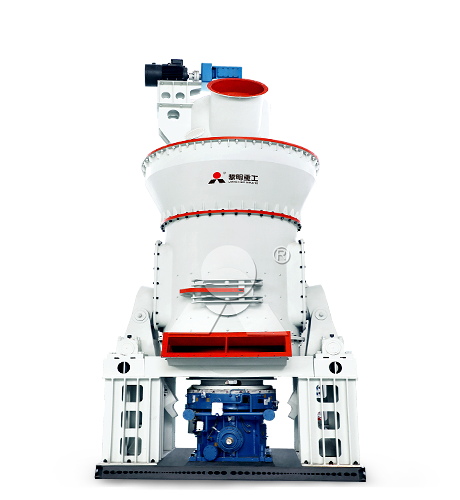
LM Vertical Grinding Mill
The Liming Heavy Industry LM Vertical Grinding Mill is suitable for large-scale limestone powder production. Its integrated grinding, classification, drying, and conveying functions can simplify the process layout for larger construction-material projects.
It can be considered when the plant requires continuous production and relatively high capacity.
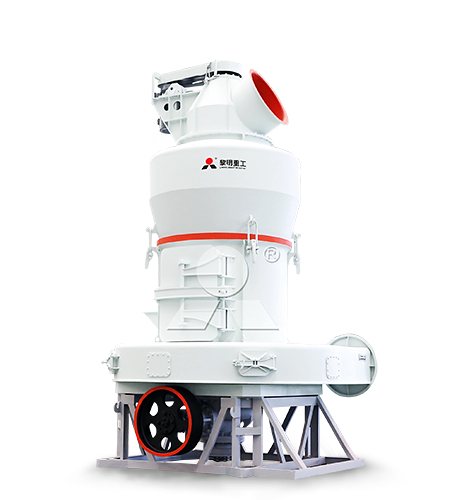
MTW European Grinding Mill
The Liming Heavy Industry MTW European Grinding Mill is suitable for many conventional limestone powder applications. It can produce fine limestone powder for dry-mix products and other construction-material applications with different capacity requirements.
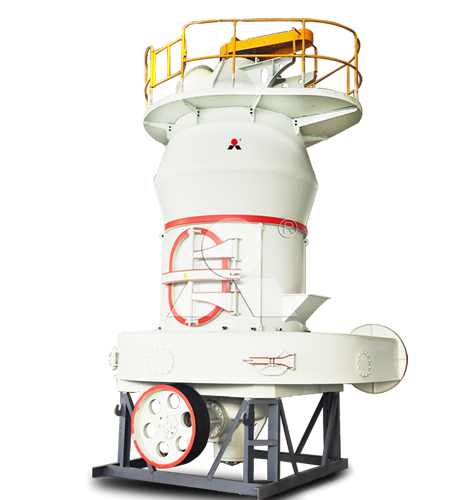
MW Micro Powder Mill
For applications requiring much finer limestone powder, the Liming Heavy Industry MW Micro Powder Mill can be considered. It is designed for ultrafine powder processing and controlled classification.
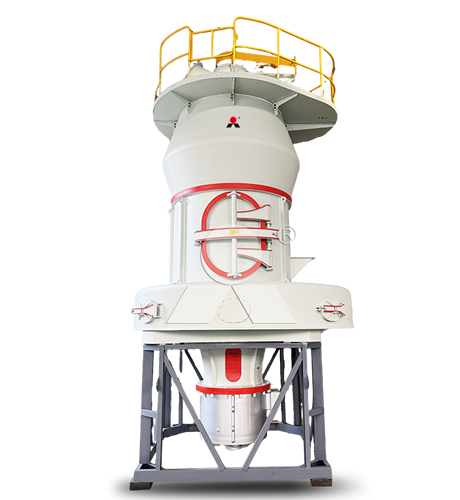
LUM Ultrafine Vertical Grinding Mill
The Liming Heavy Industry LUM Ultrafine Vertical Grinding Mill is intended for high-fineness powder production. It can be considered when the limestone powder specification requires very fine particles and more precise classification.
Limestone Powder and Dry-Mix Mortar Production
A dry-mix mortar plant does more than simply grind limestone. If limestone is supplied as rock, the grinding section prepares the mineral powder, while the mortar production system subsequently handles storage, weighing, dosing, mixing, and packaging.
This creates two related but distinct production stages:
Limestone powder preparation: crushing, grinding, classification, collection, and storage.
Dry-mix mortar production: batching, mixing, finished-product handling, and packaging.
Some manufacturers purchase ready-made limestone powder and therefore do not need their own grinding section. Others process locally available limestone and integrate powder production with the downstream dry-mix plant.
When Should a Dry-Mix Plant Include a Limestone Grinding Section?
The answer depends on how the raw materials are purchased and prepared.
If the plant receives limestone powder that already meets the required specification, an additional grinding mill may not be necessary. If the plant receives limestone lumps or crushed limestone, an integrated crushing and grinding section can provide the required powder before it enters the dry-mix production process.
Producing limestone powder on site can also be considered when local limestone is readily available and the required powder specification is stable.
Controlling Moisture Before Mixing
Moisture control is particularly important for dry-mix products. Excess moisture in limestone or other mineral raw materials can affect conveying, storage, dosing, and mixing.
Where the limestone contains significant moisture, the grinding system may need to account for drying. The actual solution depends on the raw material condition and the requirements of the finished powder.
Keeping the finished limestone powder dry also helps maintain stable storage and feeding conditions in the downstream dry-mix plant.
Matching Powder Quality to the Final Product
There is no single limestone powder specification suitable for every construction material.
A producer of wall putty may require a finer and more uniform powder than a producer using limestone as a mineral component in another dry-mix formulation. Similarly, a tile adhesive formulation may have different requirements from a general-purpose mortar.
Instead of selecting the grinding mill based only on a commonly used mesh value, it is better to define the actual requirements of the finished construction product and then establish the corresponding limestone powder specification.
Example: Limestone Powder Preparation for a Dry-Mix Plant
Suppose a construction-material producer has access to limestone in quarry form and wants to manufacture several dry-mix products.
The limestone first enters the crushing section and is reduced to a suitable size for grinding. A controlled feeding system transfers the crushed limestone to the selected Liming Heavy Industry grinding mill. The mill produces the required fine powder, while the classifier separates particles according to the specified product size.
The finished limestone powder is collected and stored in a silo. It can then be transferred to the batching system of the dry-mix plant, where it is combined with cement, sand, additives, and other raw materials according to the product formulation.
This arrangement allows the limestone powder specification to be controlled before the material reaches the final mixing stage.
What Should Be Specified for a Limestone Powder Project?
Before designing a limestone grinding system for construction materials, it is useful to define:
The final product, such as dry-mix mortar, tile adhesive, plaster, or wall putty
Required limestone powder fineness
Required production capacity
Raw limestone feed size
Limestone moisture content
Required powder quality
Whether the powder will be used internally or sold as a finished product
Whether bagging or bulk storage is required
These details help determine the grinding mill, classifier, dust collection system, conveying equipment, storage arrangement, and possible drying requirements.
Conclusion
Limestone powder has many potential applications in construction materials and dry-mix mortar. It can serve as a fine mineral component in products such as mortar, plaster, tile adhesive, wall putty, and other building materials. The required powder characteristics vary according to the final formulation.
For projects that process limestone rock into construction-grade powder, Liming Heavy Industry LM Vertical Grinding Mill, MTW European Grinding Mill, MW Micro Powder Mill, and LUM Ultrafine Vertical Grinding Mill provide different directions according to capacity and fineness requirements.
The most practical starting point is to define the final construction product, required limestone powder specification, production capacity, and raw-material condition. These parameters determine whether the project needs only a grinding system or a more complete limestone crushing, grinding, classification, storage, and material-handling line.