Limestone Grinding Plant
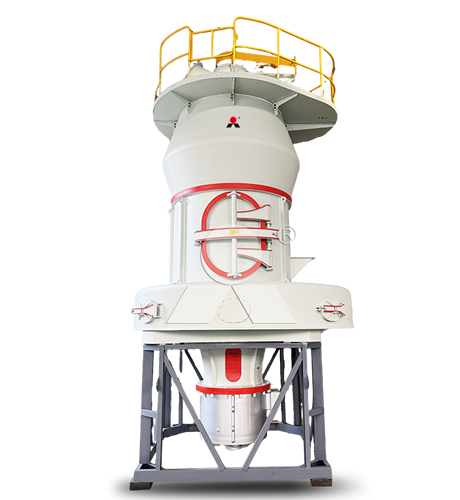
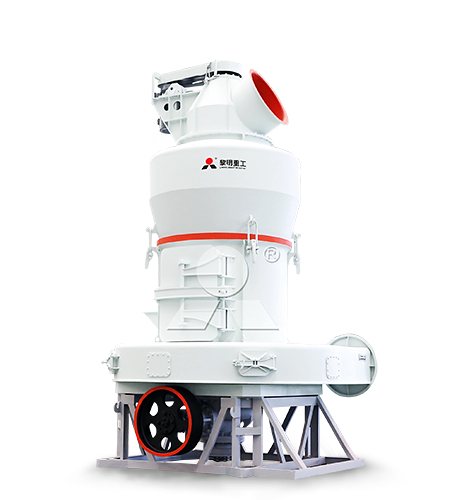
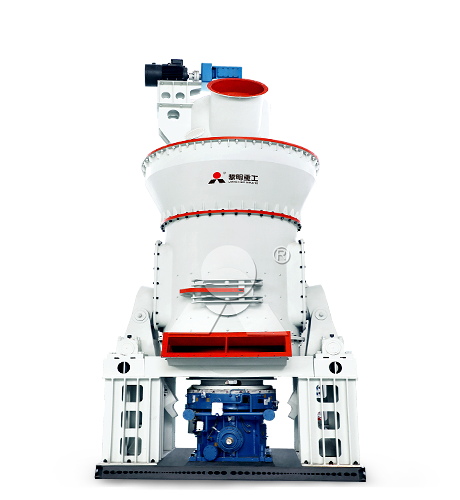
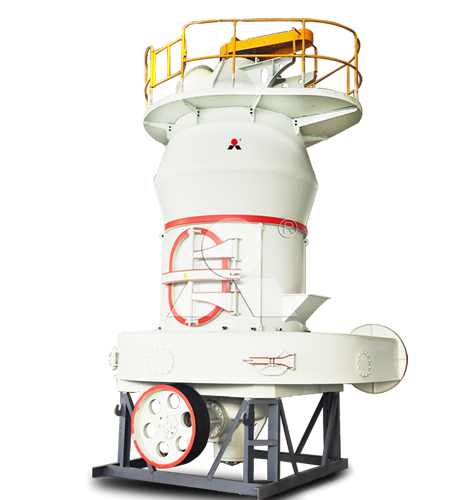
MTW European Mill for Limestone Powder Production
2026-09-25 14:44:22
We are Liming Heavy Industry, a manufacturer of various types of industrial crushers, such as Raymond Mill, Trapezoidal Mill, Vertical Mill, Ultrafine Mill, Ball Mill, etc.
Our mills can process the following minerals:
limestone, quicklime, kaolin, talc, barite, bentonite, calcium carbonate, dolomite, coal, gypsum, clay, carbon black, slag, cement raw materials, cement clinker, etc.
If you need a mill to process stone or minerals into powder, please feel free to contact me (WhatsApp: +8615333807511). Thank you.
For limestone powder projects requiring reliable fine grinding, stable production, and flexible product fineness, the MTW European Grinding Mill is a practical solution for a wide range of industrial applications. Liming Heavy Industry's MTW series is designed for non-metallic mineral powder production and is widely used for limestone processing.
The equipment is particularly suitable when a limestone producer needs continuous powder production rather than simple crushing or coarse pulverization. A complete system can combine crushing, feeding, grinding, classification, powder collection, conveying, and finished-product storage into one coordinated process.
Why Limestone Is Suitable for the MTW European Mill
Limestone is relatively easy to grind compared with many harder minerals, but commercial powder production still requires control of feed size, fineness, capacity, moisture, and particle-size distribution.
The MTW European Grinding Mill is designed for non-flammable and non-explosive materials with suitable hardness and moisture characteristics. Limestone is one of its typical applications, together with other non-metallic minerals.
For limestone projects, the mill can be configured according to the required production capacity and finished powder specification rather than using the same equipment configuration for every application.
Typical Limestone Powder Production Process
A typical MTW limestone grinding plant follows a relatively straightforward process:
Limestone → Crushing → Feeding → Grinding → Classification → Powder Collection → Finished Product
Large limestone blocks are first reduced to a suitable feed size. The crushed material is then conveyed to a storage hopper and fed continuously into the MTW mill.
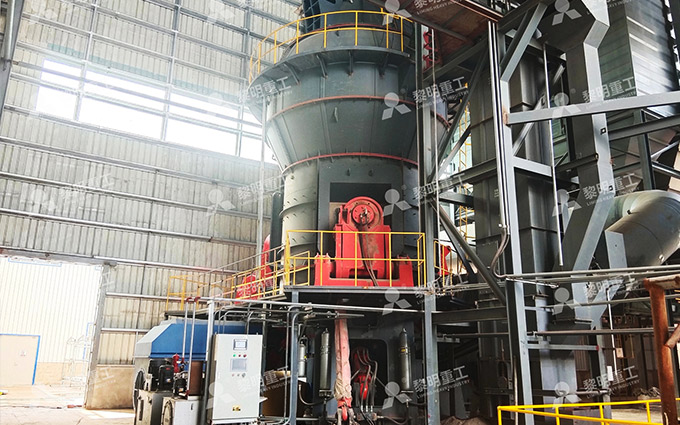
Inside the grinding system, the limestone is ground between the grinding rollers and grinding ring. Airflow carries the ground material upward toward the classifier. Coarser particles that do not meet the required fineness are returned for additional grinding, while qualified powder proceeds to the collection system.
MTW Mill Feed Size and Production Capacity
The MTW European Type Trapezium Mill has an input-size range of approximately 30–50 mm depending on the model, with listed capacities ranging from about 3 to 55 t/h. The actual production rate depends on the selected model, limestone characteristics, and required product fineness.
This makes the MTW series suitable for projects ranging from medium-scale limestone powder production to larger industrial grinding plants.
When the quarry limestone is substantially larger than the mill's allowable feed size, a crusher should be installed upstream. Stable feed preparation is especially important for maintaining consistent grinding conditions.
What Fineness Can the MTW European Mill Produce?
The MTW European Type Trapezium Mill has an adjustable finished-product range of approximately 1.6 mm to 0.045 mm, with the finest setting reaching about 0.038 mm, or roughly 400 mesh.
This range covers many conventional limestone powder applications, including construction materials, chemical products, fillers, and limestone powder used in flue gas desulfurization.
When a project requires substantially finer limestone powder beyond the normal MTW range, a dedicated ultrafine grinding system should be considered instead of forcing a conventional fine-grinding mill to produce an unsuitable product.
MTW Limestone Grinding for Different Applications
Limestone Powder for Construction Materials
Fine limestone powder can be used as a mineral component in construction products and dry-mix materials. The required fineness depends on the formulation and the role of the limestone powder in the final product.
The MTW system can provide continuous production with controlled classification, making it suitable for commercial limestone powder plants serving construction-material manufacturers.
Limestone Powder for Flue Gas Desulfurization
Limestone powder is widely used as a desulfurization material in power and industrial applications. The required fineness depends on the specific desulfurization process, but 250–325 mesh is commonly encountered in limestone desulfurization projects. Liming Heavy Industry has applied MTW mills to limestone desulfurization projects requiring fine, controlled powder.
Limestone Powder for Chemical and Industrial Applications
Limestone powder is also used as a raw material or process additive in various chemical and industrial processes. In these applications, the appropriate fineness should be determined from the downstream process rather than simply selecting the finest possible powder.
For example, a recent Liming Heavy Industry project used two MTW European Trapezium Mills to produce limestone powder for hydrochloric-acid neutralization and resource-utilization processes.
A 50 TPH Limestone Grinding Example
A practical reference is the limestone powder production line in Aktau, Kazakhstan. The project uses MTW European version mills to process limestone at a capacity of 50 t/h, producing powder with several specified particle sizes, including 50, 70, 100, and 150 microns.
This type of project illustrates why capacity and product fineness should be considered together. A grinding system designed for one limestone specification should not automatically be expected to deliver the same throughput when the target product becomes substantially finer.
Another MTW Limestone Project in Vietnam
Liming Heavy Industry also has a limestone grinding project in Vietnam using six MTW European version grinding mills. The reported production capacity is 60 t/h, with a finished product specification of 325 mesh D90.
Multiple mills can be used when a project requires high overall production capacity, production redundancy, or a flexible operating arrangement.
Important MTW Features for Limestone Grinding
Integrated Bevel Gear Drive
The MTW European Grinding Mill uses an integrated bevel-gear transmission system. This arrangement provides direct power transmission and a compact drive structure, supporting stable operation in continuous grinding applications.
Efficient Classification
The classifier separates qualified fine powder from coarse particles. Its adjustable operating conditions allow the finished-product fineness to be controlled according to the requirements of the limestone application.
Negative-Pressure Production System
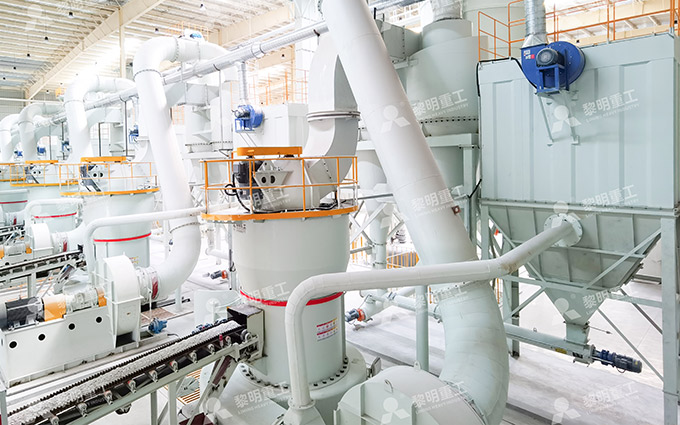
The complete grinding system operates under negative pressure, with the airflow carrying fine particles through the classification and collection stages. A pulse dust collector can be integrated into the system to collect fine powder and control dust around the production line.
Thin-Oil Lubrication
The MTW design incorporates a thin-oil lubrication system for key transmission and bearing components. This is intended to support stable operation and reduce lubrication-related maintenance requirements.
When Should a Limestone Plant Include Drying?
Limestone moisture should be checked before selecting the grinding system. Excessive moisture can affect feeding, grinding, classification, and powder collection.
When the raw material requires drying, the process design can incorporate drying into the grinding system. The appropriate arrangement depends on the actual limestone moisture and the required finished product.
For the standard MTW European Type Grinding Mill, Liming lists suitable material moisture below 6%.
How to Design a Complete MTW Limestone Grinding Line
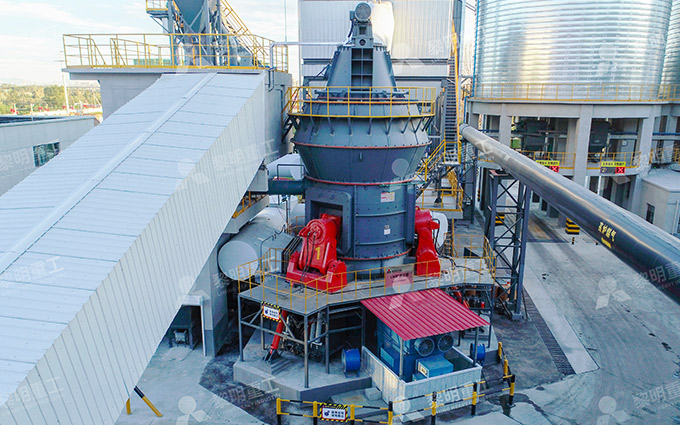
A commercial limestone powder plant normally requires more than the grinding mill itself. Depending on the raw material and production requirements, the system may include:
Primary and secondary crushing equipment
Raw-material hopper
Vibrating feeder or belt feeder
MTW European Grinding Mill
Classifier
Blower and air circulation system
Dust collector
Powder conveying equipment
Finished-product silo
Automatic packing or bulk-loading equipment
The actual equipment configuration should be determined from the limestone feed size, required capacity, product fineness, moisture, site conditions, and final application.
MTW European Mill Selection: What Should Customers Provide?
Before selecting a specific MTW model, a limestone powder project should define several basic parameters:
Material: limestone
Feed size: maximum size of limestone entering the grinding system
Capacity: required tons per hour
Fineness: required mesh or micron size
Moisture: actual raw-material moisture
Application: construction, filler, FGD, chemical processing, or another use
Operating schedule: expected daily or annual production
These parameters allow the grinding system to be matched to the actual production requirement instead of selecting equipment based only on the name of the material.
MTW European Mill for Your Limestone Powder Project
The MTW European Grinding Mill is designed for conventional fine limestone powder production, with models covering different production capacities and adjustable product fineness. Its combination of grinding, classification, airflow, lubrication, and dust collection technologies makes it suitable for continuous limestone powder production.
For a new limestone grinding plant, the most important starting point is the finished powder specification. Once the required fineness, capacity, feed size, moisture, and application are defined, Liming Heavy Industry can determine the appropriate MTW grinding system and supporting equipment for the project.