Limestone Grinding Plant
LM Vertical Mill for Large-Scale Limestone Grinding Plants
2026-09-25 14:44:54
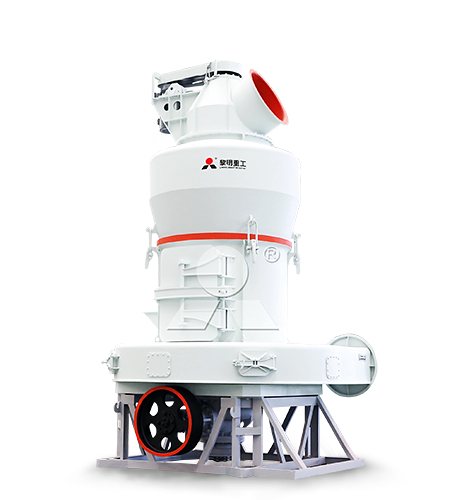
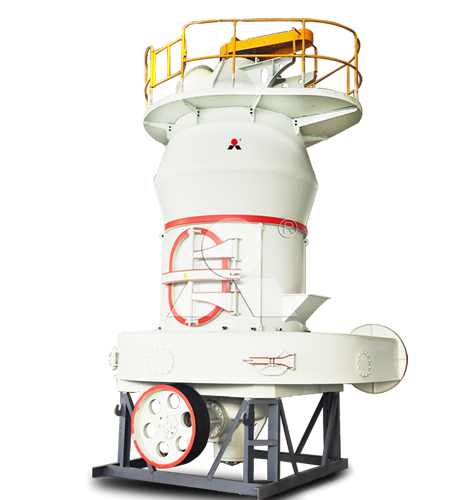
We are Liming Heavy Industry, a manufacturer of various types of industrial crushers, such as Raymond Mill, Trapezoidal Mill, Vertical Mill, Ultrafine Mill, Ball Mill, etc.
Our mills can process the following minerals:
limestone, quicklime, kaolin, talc, barite, bentonite, calcium carbonate, dolomite, coal, gypsum, clay, carbon black, slag, cement raw materials, cement clinker, etc.
If you need a mill to process stone or minerals into powder, please feel free to contact me (WhatsApp: +8615333807511). Thank you.
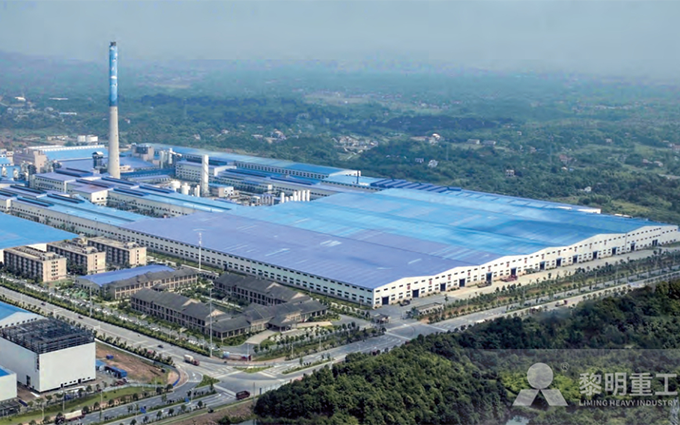
Large-scale limestone grinding plants require stable production, efficient grinding, controlled powder classification, and a practical process layout. As production capacity increases, the grinding system must be designed as part of the complete plant rather than treated as an individual piece of equipment.
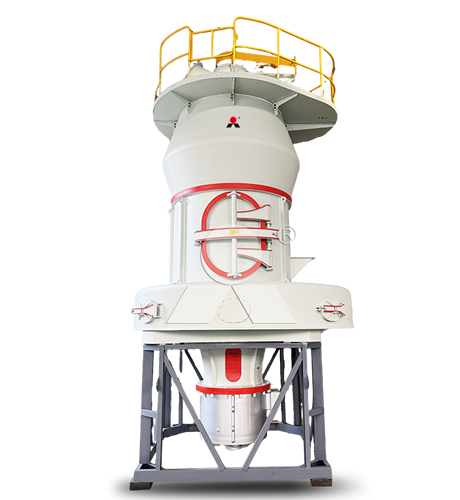
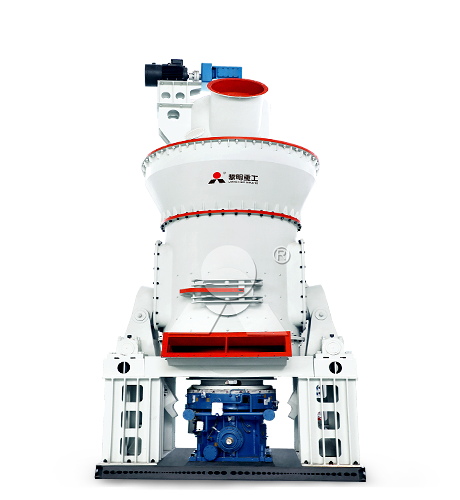
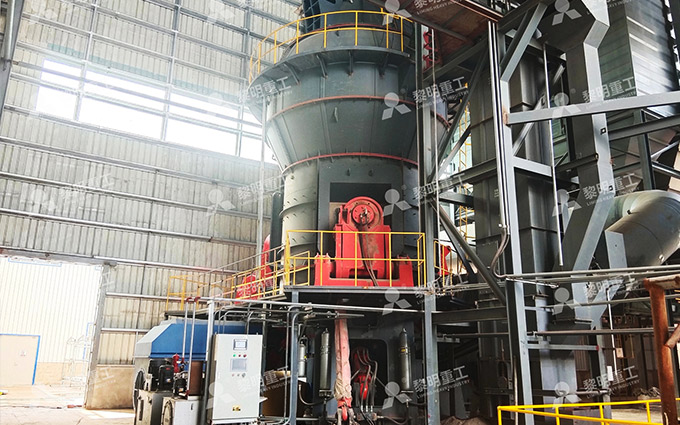
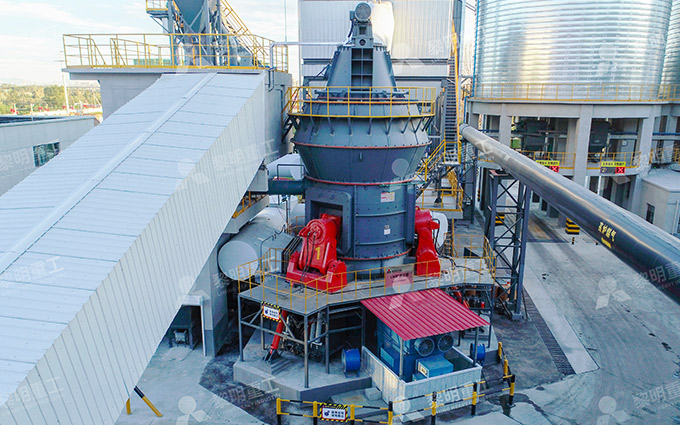
The Liming Heavy Industry LM Vertical Grinding Mill is designed for large-scale mineral grinding and is well suited to limestone powder production. It integrates grinding, classification, drying, and conveying functions into a compact system, making it suitable for continuous industrial production.
Why Choose a Vertical Mill for Large-Scale Limestone Grinding?
Limestone is widely available, but producing commercial-grade limestone powder at a large scale requires consistent control of feed size, capacity, fineness, moisture, and product quality.
For a high-capacity plant, using an integrated vertical grinding system can simplify the process layout. Grinding and classification are performed within the same main system, while drying and conveying can also be incorporated according to the characteristics of the raw material.
The LM Vertical Grinding Mill covers a broad production range, with different models available for different limestone capacity requirements. This makes it possible to configure the grinding section according to the actual production target rather than using the same equipment arrangement for every project.
Typical LM Limestone Grinding Plant Process
A large-scale limestone powder plant using an LM Vertical Mill can follow this general process:
Limestone → Crushing → Screening → Raw Material Storage → Feeding → LM Vertical Mill → Classification → Dust Collection → Finished Powder Storage → Packing or Bulk Loading
Quarried limestone is first crushed to a suitable feed size. The prepared material is then stored in a raw-material hopper and continuously fed into the LM Vertical Mill.
Inside the mill, the limestone is ground under pressure between the grinding rollers and grinding table. The airflow carries ground particles toward the classifier. Fine particles meeting the required specification leave the grinding system, while coarser particles return to the grinding zone for further processing.
Large Capacity for Industrial Limestone Production
Production capacity is one of the most important factors when selecting a grinding mill for a large limestone plant.
The LM series provides multiple models covering different production requirements. Depending on the model and operating conditions, the LM Vertical Grinding Mill can be used for production capacities from several tons per hour to several hundred tons per hour.
The actual capacity of a limestone grinding system depends on factors such as:
Required finished-product fineness
Limestone hardness and grindability
Raw-material feed size
Moisture content
Required production rate
Operating conditions
Therefore, the model should be selected according to the complete production requirement rather than capacity alone.
LM Vertical Mill for Fine Limestone Powder
The LM Vertical Grinding Mill is primarily intended for conventional fine powder production. It can be considered for limestone applications where the finished product falls within the normal fine-grinding range.
Typical applications include limestone powder for construction materials, dry-mix products, industrial fillers, flue gas desulfurization, and other industrial processes.
For applications requiring substantially finer limestone powder, a dedicated ultrafine grinding system should be considered. The grinding equipment should always be matched to the actual finished-product specification.
Why Feed Size Control Matters
A high-capacity vertical mill still requires properly prepared raw material. Quarry limestone is normally much larger than the acceptable feed size of the grinding mill, so crushing is required upstream.
The crushing stage should produce a stable and suitable feed for the LM Vertical Mill. Consistent feed size helps maintain stable grinding conditions and reduces unnecessary fluctuations in the grinding system.
A typical large limestone plant may therefore include primary crushing, secondary crushing, screening, and raw-material storage before the grinding stage.
Integrated Grinding and Classification
One of the main advantages of the LM Vertical Mill is its integrated grinding and classification process.
After limestone is ground, an internal classifier separates fine particles from coarse particles. Qualified powder is carried out of the grinding system, while oversized particles return to the grinding area.
This continuous circulation allows the finished product to be controlled according to the required fineness without requiring a separate grinding machine for each particle-size fraction.
For large-scale plants, stable classification is particularly important because the plant may need to produce hundreds of tons of limestone powder while maintaining consistent product specifications.
Drying Capability for Limestone with Moisture
Raw limestone may contain moisture depending on the quarry, weather conditions, storage method, and geological characteristics. Excessive moisture can affect feeding, grinding, classification, and powder collection.
When the raw material requires drying, the LM Vertical Grinding Mill can integrate drying into the grinding process according to the project conditions.
The need for drying should be determined from the actual moisture content of the limestone and the required finished-product conditions. A dry limestone feed generally provides more stable conditions for fine powder production.
Compact Process Layout
Large grinding plants can require considerable space when grinding, classification, drying, and conveying are arranged as completely independent processes.
The vertical configuration of the LM system allows several process functions to be integrated into one grinding system. This can help reduce the footprint of the grinding section and simplify connections between the main process equipment.
A compact layout can be particularly useful when the project has limited available land or when the grinding plant needs to be integrated into an existing limestone processing facility.
Dust Collection for Large Limestone Grinding Plants
Fine limestone powder is easily carried by air during grinding and conveying. An effective dust collection system is therefore an essential part of a commercial grinding plant.
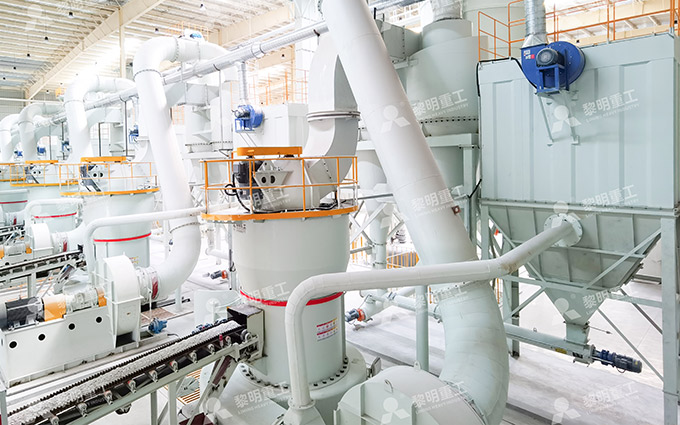
The LM grinding system can operate together with a dedicated dust collection system. The airflow transports the fine material through the classification and collection process, while the dust collector captures the finished powder.
The dust collection system should be designed according to the mill capacity, airflow requirements, powder characteristics, and applicable environmental requirements.
Maintenance Considerations for Continuous Production
Large-scale limestone plants often operate for long periods, so maintenance access should be considered during equipment selection and plant design.
The LM Vertical Mill is designed with maintenance access for its grinding components. The grinding rollers can be moved out of the grinding chamber during maintenance, providing access for inspection and replacement of wear parts.
This type of design is useful for industrial plants where planned maintenance needs to be performed efficiently without unnecessarily extending equipment downtime.
Applications of Large-Scale Limestone Powder
Construction Materials
Limestone powder is widely used as a mineral component in construction products. Depending on the formulation, it may be used in dry-mix mortar, plaster, tile adhesive, concrete-related products, and other construction materials.
The required fineness depends on the specific product and formulation, so the grinding system should be selected according to the customer's finished-product specification.
Flue Gas Desulfurization
Limestone is an important desulfurization material for power plants and other industrial facilities. Large facilities may require a continuous supply of finely ground limestone for slurry preparation.
For these projects, the grinding system must provide sufficient capacity while maintaining stable powder fineness over long operating periods.
Industrial Fillers
Fine limestone powder is also used as a mineral filler in different industrial products. In these applications, particle size and consistency can directly affect downstream processing.
The LM Vertical Mill can be considered when the required product falls within its suitable fine-grinding range and the project requires relatively large production capacity.
Other Limestone Powder Applications
Limestone powder is also processed for chemical, agricultural, environmental, and other industrial applications. The correct grinding system depends on the required final powder rather than simply the name of the application.
One Large Mill or Multiple Mills?
A large limestone project does not necessarily need to use a single oversized grinding mill.
For some projects, one appropriately selected LM Vertical Mill can meet the required production capacity. For larger production targets, multiple LM systems can be arranged to achieve the total required output.
Using multiple grinding systems may also provide greater operating flexibility. For example, individual units can be stopped for maintenance while other production lines remain in operation, depending on the plant configuration.
The final arrangement should consider production capacity, operating hours, maintenance requirements, investment planning, and the desired level of production redundancy.
LM Vertical Mill Selection for Limestone
The following factors should be defined before selecting the LM model:
Raw material: Limestone
Maximum feed size: Largest limestone particle entering the grinding system
Capacity: Required tons per hour or tons per day
Fineness: Required mesh or micron specification
Moisture: Actual raw-material moisture content
Application: Construction, FGD, filler, chemical processing, or another use
Operating schedule: Expected operating hours and production target
Site conditions: Available space, power supply, and environmental requirements
These parameters provide the basis for selecting the appropriate LM model and determining the supporting equipment required for the complete limestone grinding plant.
Complete Equipment for an LM Limestone Grinding Plant
The grinding mill is only one part of a complete large-scale limestone powder production line. Depending on the project, the plant may include:
Limestone crushers
Vibrating screens
Raw-material storage bins
Feeding equipment
LM Vertical Grinding Mill
Classification system
Dust collection system
Powder conveying equipment
Finished-product silos
Automatic packing equipment
Bulk loading system
The exact configuration depends on the limestone source, feed size, production capacity, product fineness, moisture, and final application.
LM Vertical Mill for Your Limestone Grinding Project
The Liming Heavy Industry LM Vertical Grinding Mill is designed for large-scale limestone grinding where continuous production, integrated processing, and stable fine-powder output are important. Its vertical configuration and integrated grinding system make it suitable for industrial limestone plants with substantial production requirements.
For a new project, the most important information is the combination of required capacity and finished-product fineness. Once the limestone feed size, moisture, application, and production target are defined, the appropriate LM grinding system and supporting equipment can be selected for the complete plant.