Limestone Grinding Plant
How to Improve Stability and Output in a Limestone Grinding Plant
2026-09-25 14:46:30
We are Liming Heavy Industry, a manufacturer of various types of industrial crushers, such as Raymond Mill, Trapezoidal Mill, Vertical Mill, Ultrafine Mill, Ball Mill, etc.
Our mills can process the following minerals:
limestone, quicklime, kaolin, talc, barite, bentonite, calcium carbonate, dolomite, coal, gypsum, clay, carbon black, slag, cement raw materials, cement clinker, etc.
If you need a mill to process stone or minerals into powder, please feel free to contact me (WhatsApp: +8615333807511). Thank you.
A limestone grinding plant needs more than a high-capacity grinding mill to achieve stable production. Actual output depends on the complete process, including limestone preparation, feeding, grinding, classification, dust collection, conveying, and finished powder handling.
When a plant experiences unstable output, frequent blockages, excessive circulating load, high power consumption, or inconsistent powder fineness, the problem is often related to process coordination rather than the mill alone. A properly matched system can improve both production stability and effective output.
1. Keep Limestone Feed Conditions Consistent
One of the most important factors affecting grinding stability is the consistency of the feed material. Limestone can vary considerably in hardness, moisture, lump size, and composition depending on the quarry and source.
Large variations in feed conditions can cause fluctuations in mill loading and product fineness. Before grinding, the limestone should therefore be prepared to a suitable and reasonably consistent feed size.
For larger lumps, a crushing stage can be installed before the grinding mill. The crusher should be selected according to the incoming limestone size and the required mill feed size.
2. Control the Feed Rate to the Grinding Mill
Overfeeding and underfeeding can both reduce plant stability.
Overfeeding: The grinding system may become overloaded, reducing classification efficiency and increasing circulating material.
Underfeeding: The mill may operate below its economical working range, reducing effective production.
Fluctuating feeding: Irregular feed can cause changes in grinding load and make it difficult to maintain consistent product fineness.
A stable feeding system should provide a continuous and controllable flow of limestone to the mill. The feeder capacity should also be matched with the actual capacity of the grinding system.
3. Choose the Grinding Mill According to Required Output
Different limestone projects have very different production requirements. A small plant does not necessarily benefit from installing a large grinding system, while a large commercial powder plant may require a high-capacity vertical mill or multiple grinding lines.
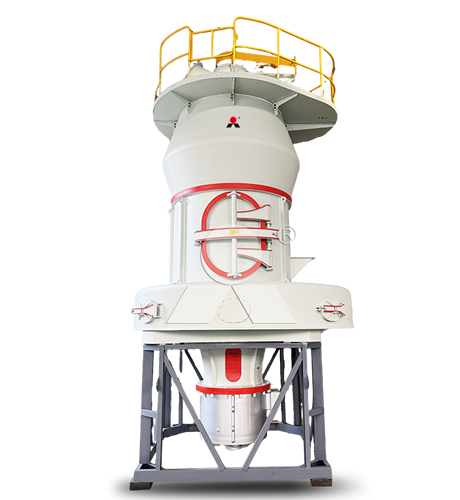
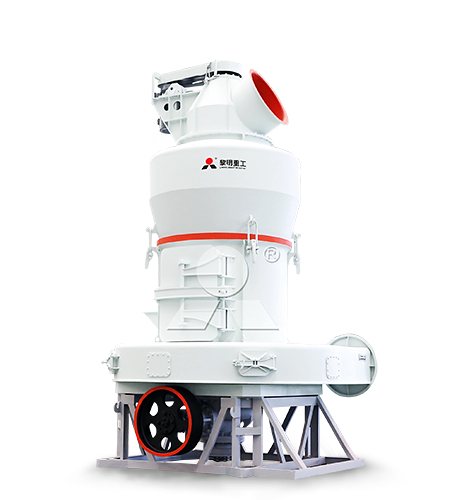
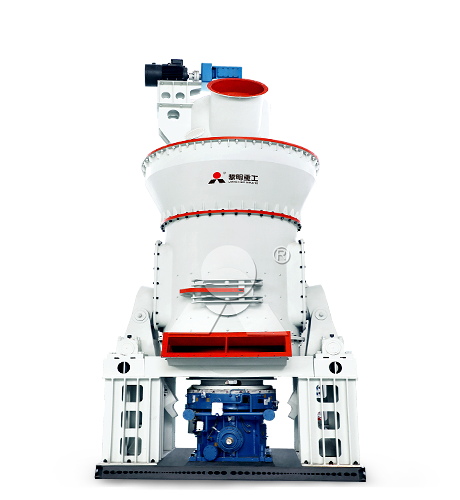
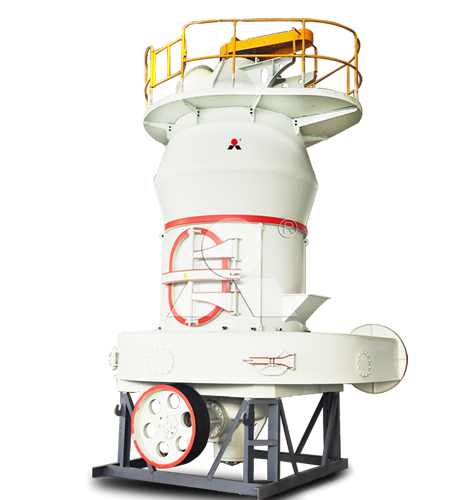
Liming Heavy Industry offers several grinding mill configurations for limestone processing.
| Mill | Typical Application | Suitable Fineness | Capacity Range |
|---|---|---|---|
| MTW European Mill | General limestone powder production | 12–400 mesh | 3–55 t/h |
| LM Vertical Mill | Large-scale limestone grinding | 20–400 mesh | 7–340 t/h |
| MW Micro Powder Mill | Fine and ultrafine limestone powder | 325–3250 mesh | 0.5–25 t/h |
| LUM Ultrafine Vertical Mill | High-fineness limestone powder | 625–3250 mesh and finer applications | 5–18 t/h |
The correct selection should consider capacity and required fineness together. A mill designed for a specific production range can generally operate more consistently than a system that is significantly oversized or undersized.
4. Match Fineness With Required Production Capacity
Limestone grinding becomes more demanding as the required powder becomes finer. Producing 100-mesh powder and producing several-thousand-mesh ultrafine powder are fundamentally different grinding tasks.
If the plant is required to produce very fine limestone powder, simply increasing the feed rate may cause the classifier and grinding circuit to lose control of the target particle size.
For this reason, plant capacity should always be evaluated together with the required final fineness.
5. Maintain Stable Classification
The classifier has a major influence on the actual output of a limestone grinding plant. It separates qualified fine powder from coarser material that needs to return to the grinding zone.
If classification is unstable, the plant may experience:
Fluctuating product fineness
Excessive circulating load
Reduced effective output
Higher energy consumption
Increased wear on grinding components
A properly matched classifier allows qualified limestone powder to leave the system efficiently while returning oversized particles for further grinding.
6. Pay Attention to Limestone Moisture
Moisture can affect material flow, grinding efficiency, classification, and powder collection. Excessively wet limestone may cause feeding problems or material accumulation in parts of the system.
For plants processing limestone with variable moisture, the process design should consider whether drying is required before or during grinding.
Liming grinding systems can integrate drying with grinding when the material and process conditions require it. This can help simplify the process while maintaining stable material flow.
7. Keep the Dust Collection System Properly Matched
The dust collection system is not simply an environmental protection component. It also affects the material flow and operating stability of the grinding plant.
An appropriately designed dust collection system helps transport fine limestone powder through the process and supports efficient separation and collection of finished product.
If the dust collector or air system is undersized, airflow may become insufficient. If the system is improperly matched, excessive airflow can also disturb the grinding and classification process.
The fan, dust collector, ducts, classifier, and grinding mill should therefore be considered as one integrated system.
8. Reduce Material Blockages and Accumulation
Material accumulation can gradually reduce plant output and may eventually cause an unexpected shutdown. Common locations that require attention include feeders, transfer points, conveying equipment, ducts, dust collectors, and powder discharge systems.
Good plant design should minimize unnecessary changes in material flow direction and provide suitable access for inspection and cleaning.
Stable material movement is particularly important for fine limestone powder because fine particles can easily accumulate if conveying and collection conditions are not properly matched.
9. Maintain the Grinding Mill and Wear Parts
Grinding components gradually wear during continuous limestone production. As wear increases, grinding efficiency and product stability can change.
Regular inspection should cover the major grinding and classification components as well as the feeding and conveying equipment.
Maintenance should focus not only on replacing worn parts after a failure but also on identifying gradual changes in vibration, power consumption, output, product fineness, and material flow.
10. Use a Stable Production Strategy Instead of Chasing Maximum Instantaneous Output
The highest instantaneous feed rate is not necessarily the highest effective production rate over a full operating period.
For example, operating beyond the stable range may temporarily increase feed, but it can also lead to unstable classification, increased circulating load, inconsistent product fineness, and more frequent stoppages.
A better approach is to maintain the grinding system within a stable operating range and optimize the entire production circuit.
11. Coordinate the Complete Limestone Grinding Process
A typical limestone powder production line may include:
Limestone feeding
Primary or secondary crushing when required
Feeding and metering
Grinding
Classification
Dust collection
Finished powder conveying
Storage and packaging
The capacity of these sections should be reasonably matched. Increasing the grinding mill capacity without improving downstream powder collection or conveying can simply move the bottleneck to another part of the plant.
12. Select the Grinding System According to the Application
The final application of limestone powder determines the required fineness and therefore has a direct influence on equipment selection and plant capacity.
Construction materials: Often require controlled fine powder for use in cementitious and building material applications.
Dry-mix mortar: Requires stable particle size and reliable continuous production.
Flue gas desulfurization: Requires limestone powder with suitable fineness and consistent quality.
Industrial fillers: May require finer and more closely controlled powder.
Ultrafine applications: Require specialized grinding and classification systems.
The plant should therefore be designed around the required finished product rather than selecting a mill based only on its maximum nominal capacity.
13. One Large Mill or Multiple Grinding Lines?
For large limestone powder projects, the choice between one large grinding line and multiple smaller lines depends on the required production capacity, product specifications, operating strategy, and maintenance requirements.
A large LM vertical mill can be suitable for high-capacity production. Multiple grinding lines can provide greater flexibility when a plant needs to produce different grades of limestone powder or maintain production while one line is under maintenance.
The final arrangement should be determined from the required hourly capacity, annual production, fineness, operating schedule, and number of product grades.
14. Monitor the Right Production Indicators
To improve a limestone grinding plant systematically, operators should monitor changes rather than relying only on final output.
Useful operating indicators include:
Feed rate
Mill power consumption
Product fineness
Mill vibration
Airflow and system pressure
Dust collector operation
Material circulation
Grinding component wear
Finished powder output
Comparing these indicators over time can help identify whether declining output is caused by feed conditions, grinding efficiency, classification, airflow, material handling, or equipment wear.
15. Build the Plant Around Stable Continuous Production
A reliable limestone grinding plant should be designed as a complete process rather than as a standalone grinding mill.
Stable output depends on consistent limestone preparation, controlled feeding, appropriate grinding equipment, efficient classification, suitable dust collection, reliable conveying, and regular maintenance.
For general fine limestone powder production, MTW and LM grinding mills can cover a wide range of capacity requirements. For fine and ultrafine limestone powder, MW and LUM systems can be considered according to the required fineness and production capacity.
The most effective way to improve plant output is to identify the actual bottleneck in the complete production circuit and then match each section of the process accordingly. A balanced grinding system can provide more consistent production, stable powder quality, and better long-term operating efficiency.