GGBS Grinding Plant
GGBS Grinding Process: How to Produce High-Quality Slag Powder
2026-09-10 10:57:47
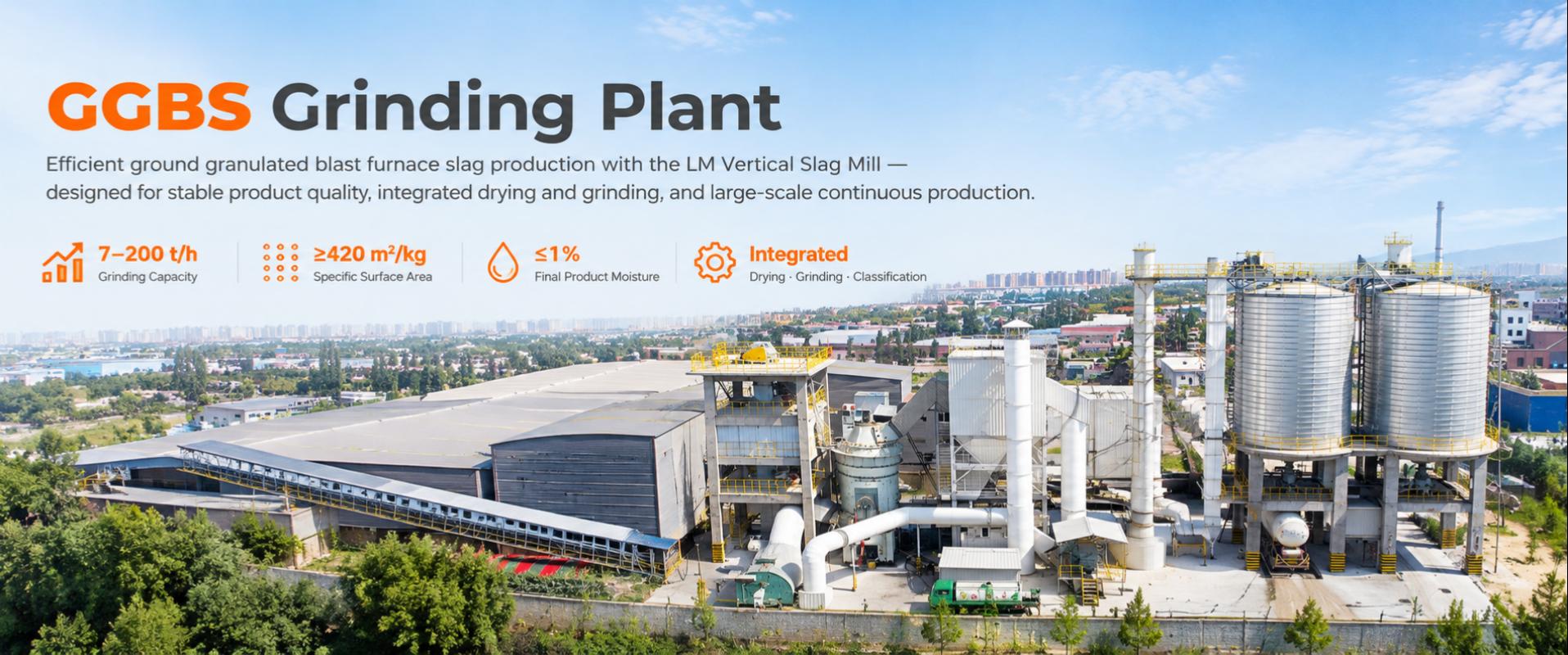
High-quality ground granulated blast-furnace slag (GGBS) is produced by drying, grinding, classifying, and collecting water-granulated blast-furnace slag under stable operating conditions. The aim is not simply to make a finer powder; it is to achieve a consistent combination of moisture, specific surface area, particle-size distribution, and activity suitable for cement and concrete applications.
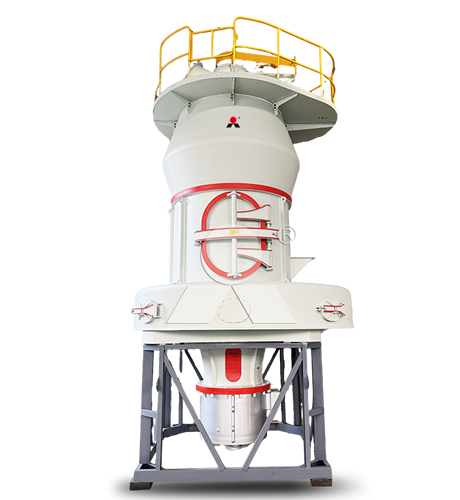
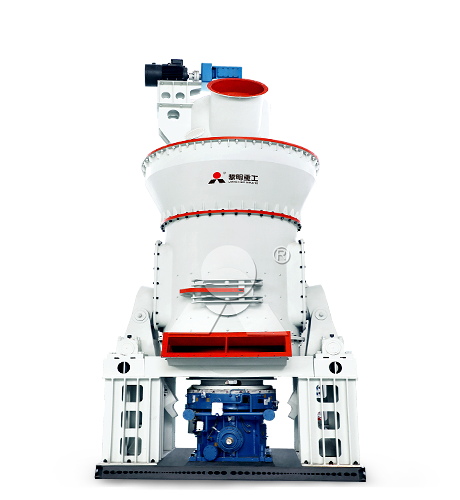
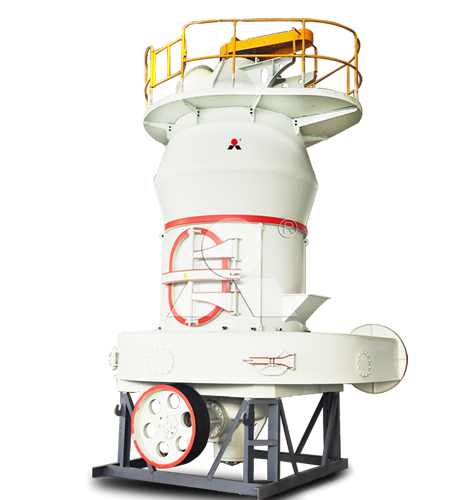
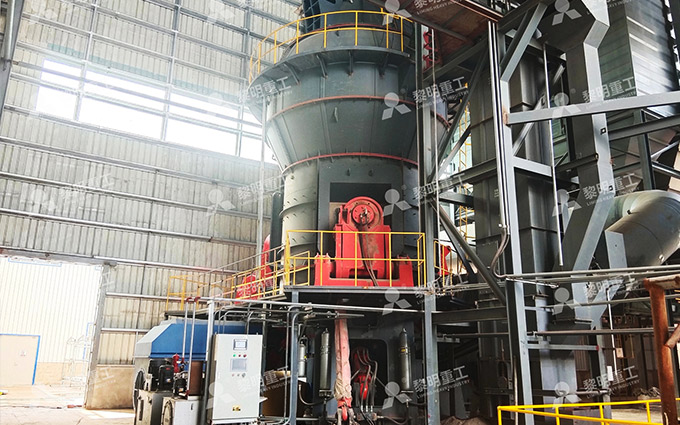
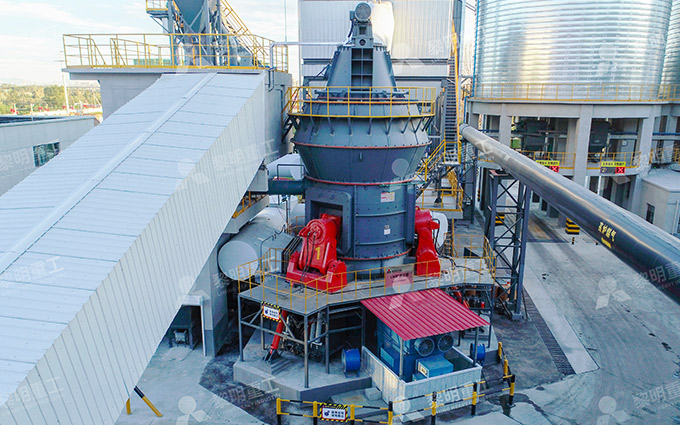
For a modern GGBS plant, the grinding circuit is the point at which raw granulated slag becomes a controlled finished material. An LM Vertical Slag Mill from Liming Heavy Industry provides an integrated route for drying moist slag, grinding it under pressure, separating fine particles, and conveying qualified powder to collection equipment.
What Makes Slag Powder High Quality?
Finished GGBS should be evaluated as a complete material rather than by one test result alone. Fineness is important, but it must be balanced with stable product moisture, a suitable particle-size distribution, and consistent performance in the target binder system.
Stable chemical composition of incoming granulated blast-furnace slag
A high proportion of glassy slag created through rapid quenching
Low and consistent moisture in the finished powder
Controlled specific surface area and sieve residue
A particle-size distribution matched to the intended application
Reliable strength activity under the applicable product standard
Minimal contamination from metallic iron, oversized material, and foreign matter
Water-quenched blast-furnace slag is generally the preferred feedstock because rapid cooling produces a predominantly glassy material. The granulation, dewatering, drying, crushing, grinding, and silo-storage stages form the basic production chain for GGBS.
Before the Mill: Prepare the Feed Correctly
A stable grinding process starts with a stable feed. Granulated slag from the steelworks often carries significant moisture because it has been quenched with water. Its moisture content can vary with season, drainage efficiency, storage time, weather exposure, and transport conditions.
Before the material reaches the mill, the preparation system should perform four functions:
Receive and buffer the slag to reduce sudden changes in feed rate from the slag yard or conveying system.
Remove tramp metal through magnetic separation and metal detection to protect the grinding table, rollers, feeders, and conveyors.
Screen oversized material so that large foreign objects do not enter the mill.
Meter the feed continuously to maintain an even loading condition in the grinding zone.
Unstable feed is a common cause of fluctuating mill vibration, product fineness variation, excessive pressure drop, and reduced hourly output. A well-designed feeding system should therefore be treated as part of the grinding circuit, not merely as a transfer point.
Integrated Drying and Grinding
Granulated slag must be dried before it can be milled efficiently into fine powder. Moisture can cause poor material flow, reduce separator efficiency, increase the risk of buildup, and make pneumatic conveying more difficult. The drying requirement is especially important when slag is stored outdoors or received directly after wet granulation.
The LM Vertical Slag Mill uses hot gas to dry wet slag during grinding. The material enters the mill and falls onto the rotating grinding table. Centrifugal force distributes the feed across the table, where hydraulic grinding rollers compress the slag bed. At the same time, hot airflow passes through the mill, evaporating moisture and carrying fine material upward toward the classifier.
This combined operation replaces a separate drying-and-grinding arrangement with one coordinated process. The LM Vertical Slag Mill is designed to process feed slag with moisture up to approximately 15%, provided that sufficient hot-air temperature and volume are available for the actual feed condition.
How the LM Vertical Slag Mill Works
The LM Vertical Slag Mill operates as a closed internal grinding and separation system. Its working sequence can be summarized as follows:
Wet slag feeding → hot-air drying → grinding-table distribution → roller-pressure grinding → upward air transport → dynamic classification → coarse return → fine-powder collection
Material Bed Grinding
Unlike impact-dominant milling methods, vertical slag grinding relies primarily on compression within a material bed. The grinding rollers apply controlled pressure to the slag on the rotating table. This mechanism supports efficient size reduction while allowing the mill to handle the abrasive character of granulated slag.
Dynamic Classification
Fine particles are lifted by the gas stream into the internal classifier. Separator speed and airflow determine the cut point: particles that meet the required fineness leave the mill with the gas, while oversized particles fall back to the grinding table for further reduction.
Accurate classification is essential because GGBS performance is influenced by particle-size distribution, not only by average fineness. Research on GGBS particle distribution also shows that the width of the distribution can be described through distribution parameters; in practical operation, the objective is to avoid excessive coarse material while maintaining an efficient, stable grinding circuit.
Powder Collection
Qualified slag powder is separated from the process gas in a high-efficiency collector and conveyed to finished-product silos. The final handling system should protect the powder from moisture pickup and maintain a clean, uninterrupted route to bulk loading or packaging.
Setting the Right Fineness
GGBS is normally ground to a cement-like or finer particle size. The selected fineness depends on the intended grade, local standard, clinker replacement ratio, concrete strength-development requirements, and the needs of the final user. Grinding reduces the size of granulated slag so that it can be used as a hydraulic cementitious material.
For GGBS applications, a common operating target is expressed as Blaine specific surface area. The LM Vertical Slag Mill is designed to produce adjustable slag powder within approximately 4,200–4,800 cm²/g, equivalent to 420–480 m²/kg, according to the stated product configuration and material conditions.
| Operating Adjustment | Primary Effect on Product | Practical Consideration |
|---|---|---|
| Higher separator speed | Finer finished powder | May reduce mill output and increase circulating load |
| Lower separator speed | Coarser finished powder | Can increase output but may raise sieve residue |
| Higher grinding pressure | More intensive particle breakage | Must remain within the stable vibration range |
| Higher hot-gas volume | Stronger drying and powder transport | Requires coordination with mill temperature and separator operation |
| Higher feed rate | Potentially higher throughput | May lower fineness if grinding capacity becomes insufficient |
The best setting is not necessarily the finest possible powder. Excessive fineness can raise power consumption, reduce output, increase wear, and create a particle-size distribution that does not match the intended product requirement. The correct target is the one that consistently meets quality specifications at an acceptable operating cost.
Operating Controls That Influence Quality
A high-quality GGBS line depends on coordinated control of several variables. Operators should evaluate trends rather than react to a single measurement in isolation.
Feed moisture: Higher moisture increases the drying load and may require more hot gas or a lower feed rate.
Mill outlet temperature: A stable outlet temperature helps indicate that drying is proceeding consistently without overheating the system.
Grinding pressure: Roller pressure must be sufficient for effective grinding while avoiding unstable vibration or unnecessary wear.
Separator speed: This is one of the main controls for final powder fineness and coarse-particle residue.
Airflow: Airflow influences drying, material transport, classifier performance, and pressure drop across the mill.
Differential pressure: Sudden changes can indicate material accumulation, airflow imbalance, excessive feed, or unstable internal circulation.
Mill vibration: Stable vibration supports reliable roller-table contact and helps prevent mechanical stress.
As an example, if incoming slag moisture rises after heavy rain, keeping all other settings unchanged can overload the drying system. A more controlled response may include increasing available hot-gas heat, adjusting the feed rate, and monitoring outlet temperature and mill differential pressure until a new stable operating condition is reached.
Recommended Quality-Control Routine
Laboratory testing and process monitoring should work together. Finished-product tests confirm whether the powder meets specification, while in-process measurements allow corrections before a large volume of off-specification material is produced.
Check incoming slag moisture at a defined frequency.
Inspect granulated slag for metallic contamination and oversized debris.
Measure product specific surface area and sieve residue.
Track particle-size distribution when product consistency is critical.
Verify finished-powder moisture before silo transfer and dispatch.
Monitor chemical consistency of the slag source.
Conduct strength-activity testing according to the applicable cement or GGBS standard.
Record mill feed rate, separator speed, grinding pressure, airflow, temperature, vibration, and power consumption for each production period.
The LM Vertical Slag Mill is available across a range of capacities, with published configurations covering approximately 7–200 t/h and finished-product moisture of no more than 1% under stated conditions. Final model selection should be based on required output, target specific surface area, raw-slag moisture, available hot-gas source, and local installation requirements.
From Wet Granules to Consistent GGBS
Producing high-quality slag powder requires more than installing a grinding machine. The plant must receive a suitable water-granulated slag, control moisture and contaminants, maintain a stable grinding bed, classify the material accurately, and verify product quality continuously.
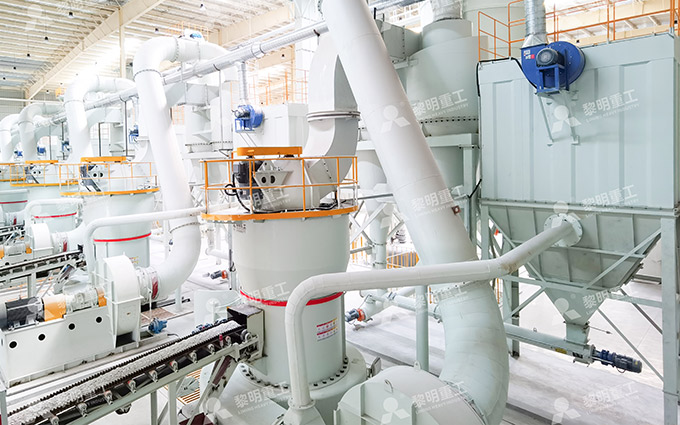
With an LM Vertical Slag Mill from Liming Heavy Industry, drying, grinding, classification, and pneumatic conveying can be integrated into one process system. When feed preparation and operating controls are properly managed, the line can produce consistent GGBS powder for demanding cement and concrete applications.