GGBS Grinding Plant
How to Improve GGBS Grinding Efficiency and Reduce Energy Consumption
2026-09-10 11:01:48
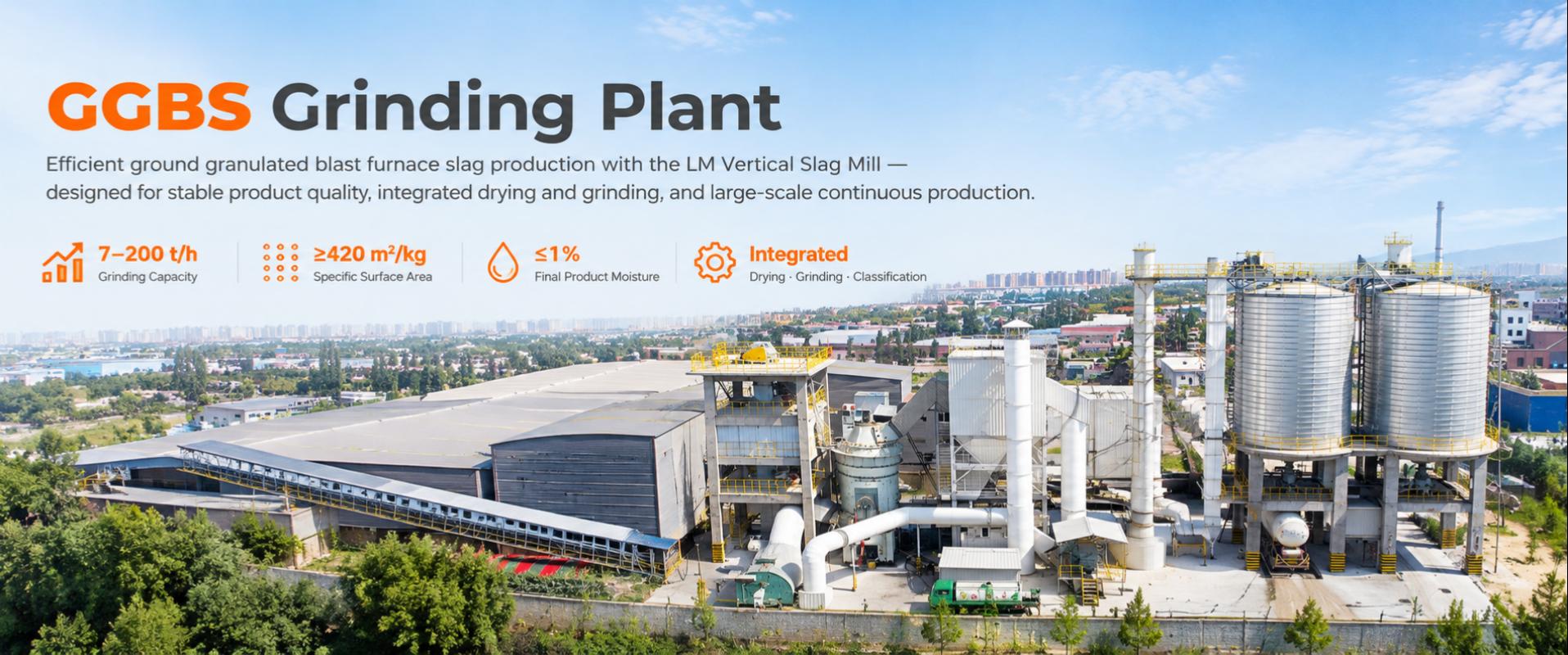
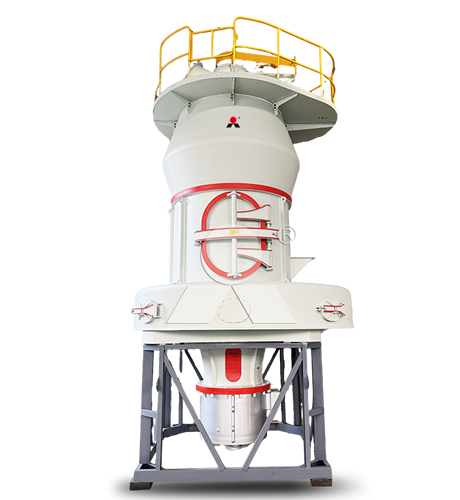
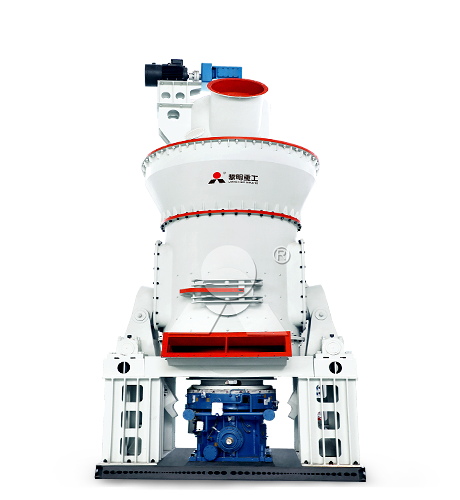
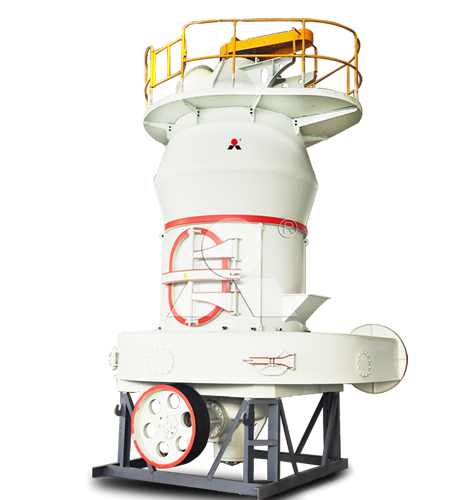
Improving GGBS grinding efficiency means producing the required slag-powder quality with the lowest stable combination of electrical power, drying heat, wear, and lost production time. The most effective approach is to stabilize the feed, avoid unnecessary overgrinding, balance drying with grinding, and operate the LM Vertical Slag Mill within a controlled operating window rather than maximizing any single parameter.
For wet granulated blast-furnace slag, an integrated vertical grinding system is especially useful because drying, material-bed grinding, classification, and powder transport occur in one circuit. Vertical roller mills combine these operations in a single unit, which can reduce transfer losses and avoid the need for a separate drying stage when the heat balance is properly designed.
Measure the Right Indicators
Energy improvement begins with reliable measurements. A plant should calculate performance using tonnes of accepted GGBS, not simply mill feed or gross output. If a high-output operating point produces excessive sieve residue, unstable moisture, or off-specification Blaine results, it is not an efficient production condition.
| Indicator | Calculation or Check | What It Reveals |
|---|---|---|
| Specific grinding power | Mill drive kWh ÷ tonnes of accepted GGBS | Electrical efficiency of the grinding section |
| Total specific energy | Electrical energy plus drying-fuel energy ÷ tonnes of accepted GGBS | True energy cost of the full drying-and-grinding process |
| Mill throughput | Tonnes of on-specification GGBS per operating hour | Whether grinding and drying capacity are being used effectively |
| Product fineness stability | Blaine, sieve residue, and particle-size distribution trend | Whether the classifier and grinding circuit are producing a consistent grade |
| Finished-powder moisture | Routine sample testing at mill outlet or finished silo | Whether thermal energy is sufficient but not excessive |
| Availability | Running time ÷ scheduled production time | Impact of stoppages, blockages, wear, and maintenance delays |
| Wear rate | Grinding-part consumption per tonne of GGBS | Whether abrasive feed, operating pressure, or maintenance practice is increasing cost |
Track these indicators by slag source, product grade, moisture range, and shift. A single monthly average can conceal the fact that the mill performs well with one slag condition but loses efficiency sharply when feed moisture rises or a finer product grade is produced.
Control the Feed Before Grinding
The lowest-cost tonne of GGBS is often created before the material reaches the mill. Wet, inconsistent, contaminated feed creates instability that operators later try to correct with higher grinding pressure, more hot gas, or slower feed—all of which can increase specific energy.
Keep Moisture Stable
Water-granulated slag naturally contains moisture, and outdoor storage can add substantial variation through rainfall and drainage. Moisture is not only a handling issue; it is a heat-load issue. Every additional percentage point of water must be evaporated, requiring thermal energy and potentially reducing grinding output.
Use covered storage or a well-drained slag yard where practical.
Separate freshly received, wetter slag from older material that has drained longer.
Measure moisture frequently and adjust feed rate and hot-gas conditions before the mill becomes unstable.
Maintain a raw-material buffer so the plant can blend wetter and drier slag instead of feeding large moisture swings directly to the mill.
Design the hot-gas system around maximum expected moisture, not annual average moisture.
Drying energy can become the dominant energy penalty once moisture rises above the plant’s practical threshold. In vertical-mill circuits, hot gas is used to remove feed moisture during milling and classification, so the available heat balance directly affects both capacity and total specific energy.
Remove Metal and Oversize Material
Tramp iron, refractory fragments, and oversized pieces cause unnecessary wear, poor material flow, vibration, and equipment stops. Install magnetic separators and metal detectors before the mill feed point, and maintain screening equipment so that foreign material is removed consistently.
Reducing contamination does not merely protect the LM Vertical Slag Mill. It also helps maintain the correct material-bed condition, lowers the risk of sudden vibration, and extends the service life of rollers, table liners, and conveying equipment.
Maintain Consistent Feed Rate
A vertical mill performs best with a stable grinding bed. Large feed-rate fluctuations can alternately starve and overload the mill, causing variation in vibration, differential pressure, product fineness, and power draw. Use a calibrated weigh feeder and control the feed rate against real-time mill load, temperature, and product-quality information.
Optimize the LM Vertical Slag Mill
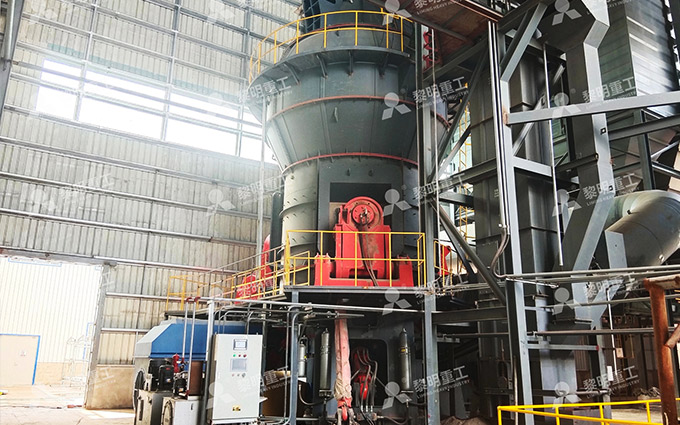
The LM Vertical Slag Mill should be operated as one integrated drying, grinding, and classification circuit. Adjusting one variable without considering the others often moves the problem elsewhere—for example, increasing classifier speed may improve Blaine fineness but reduce throughput and raise internal circulation.
Do Not Overgrind
Producing more surface area than the customer specification requires wastes energy. A higher Blaine value can increase reactivity, but it also increases grinding work, wear, and the likelihood of reduced production rate. The right target is the lowest stable fineness that meets the agreed specification for Blaine, residue, particle-size distribution, activity, and moisture.
For instance, if an S95 product consistently meets activity and coarse-residue limits at 430 m²/kg, operating at 470 m²/kg simply because the mill can achieve it may increase specific power without creating equivalent value. Maintain a clear product target and use laboratory results to prevent gradual fineness drift.
Set Separator Speed Precisely
The classifier is the main fineness-control device. Higher separator speed usually rejects more coarse particles to the table, producing a finer powder. However, excessive separator speed can increase the internal circulating load, raise mill differential pressure, reduce throughput, and increase energy use per tonne.
Use small, controlled adjustments and verify the result with Blaine, residue, particle-size data, mill power, and output. Fineness does not always change linearly with classifier speed, particularly when feed moisture or grinding-bed stability changes. Continuous monitoring of fineness, separator speed, airflow, grinding force, and power consumption is a recognized approach to maintaining vertical-mill efficiency.
Use the Lowest Stable Grinding Pressure
Roller pressure must be high enough to break slag particles efficiently, but higher pressure is not automatically better. Excessive pressure can increase vibration, power consumption, and wear without proportionate fineness improvement.
Establish the lowest hydraulic pressure that maintains the required product fineness and stable material-bed grinding at the selected feed rate. When feed hardness, moisture, or target Blaine changes, reassess the pressure instead of retaining the previous setting by default.
Balance Airflow and Temperature
Airflow performs several jobs in an LM Vertical Slag Mill: it dries the feed, lifts fine particles, supports classifier operation, and transports powder to the collector. Too little airflow can leave excess moisture, reduce transport efficiency, and increase material buildup. Too much airflow can disturb classification, increase fan power, and carry overly coarse particles into the product stream.
Maintain the lowest gas volume that provides complete drying, stable powder transport, and the required separation efficiency. At the same time, control inlet and outlet temperatures so that the finished powder reaches its moisture target without wasting heat. The correct gas setting should be based on current feed moisture, not a fixed value used under all weather and storage conditions.
Keep the Material Bed Stable
Material-bed thickness is central to vertical-mill performance. A bed that is too thin can result in roller-table contact, high vibration, and unstable grinding. A bed that is too thick can reduce effective pressure transfer, increase internal circulation, and raise differential pressure.
Monitor vibration, mill differential pressure, feed rate, grinding pressure, and power together. If vibration rises suddenly, first check feed consistency, moisture, foreign material, airflow, and bed condition before increasing roller pressure. Published operating guidance for vertical mills similarly emphasizes grinding-bed condition, feed rate, classifier speed, airflow, and grinding force as interdependent efficiency controls.
Reduce Drying and Auxiliary Energy
The mill drive is not the only energy user in a GGBS plant. Fans, hot-gas generation, conveyors, elevators, compressed air, dust collection, and packing equipment can contribute materially to total plant consumption.
Use available waste heat: Where a suitable nearby heat source exists, evaluate its use for slag drying after confirming temperature, gas cleanliness, controllability, and process compatibility.
Insulate ducts and hot surfaces: Heat loss between the hot-gas source and mill increases fuel demand and makes temperature control less stable.
Minimize air leakage: Leaks increase fan demand, disrupt the thermal balance, and introduce uncontrolled cold air into the circuit.
Maintain fan and filter performance: Excessive filter differential pressure, worn fan components, or poorly controlled dampers can increase electrical consumption.
Use variable-speed control where appropriate: Drives on fans, feeders, and conveying equipment can reduce unnecessary power use during lower-output operation.
Shorten material routes: A compact layout reduces conveying equipment, transfer points, dust leakage, and auxiliary electrical load.
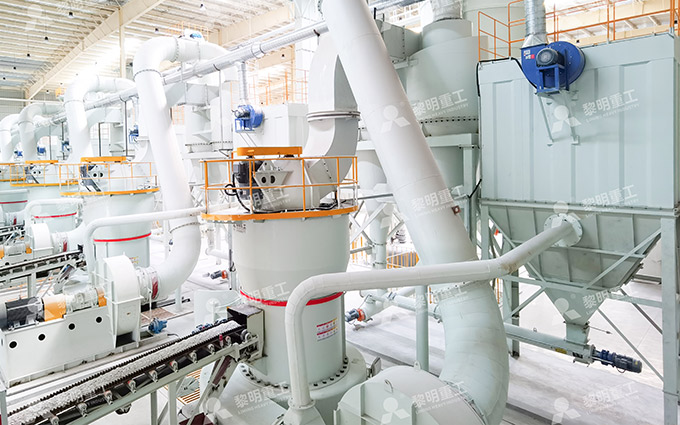
Integrated vertical mill systems are designed to combine grinding, classification, drying, and material conveyance. This arrangement can lower system complexity and energy demand compared with separate-unit layouts, but the actual result depends strongly on slag moisture and the energy source used for drying.
Protect Availability and Wear Life
Energy efficiency falls whenever the line stops, restarts, or produces off-specification material. A maintenance program should focus on the components that most directly affect grinding quality and power demand: rollers, table liners, classifier blades, nozzle-ring areas, hydraulic components, fan impellers, filters, feeders, and conveyor drives.
Practical reliability actions include:
Trend mill vibration, bearing temperature, hydraulic pressure, motor current, and differential pressure.
Inspect rollers and table liners before wear changes the grinding profile and increases specific power.
Maintain classifier rotor balance and replace worn components before separation efficiency declines.
Check and seal ducts, expansion joints, inspection doors, and collector connections to control false-air ingress.
Schedule maintenance during planned production windows and keep critical spares available.
Investigate every major mill stop by root cause, including feed blockage, metal contamination, high moisture, electrical trips, and vibration events.
Modern data-driven optimization methods for vertical roller mills use real-time data acquisition and predictive models to improve both energy efficiency and operating stability. Even without advanced software, a disciplined historical database of feed moisture, output, fineness, power, pressure, temperature, vibration, and stoppages provides the foundation for effective optimization.
A Practical Improvement Sequence
Start with changes that improve stability before pursuing aggressive production increases:
Establish a baseline for accepted tonnes, specific power, fuel use, Blaine, residue, moisture, and downtime.
Separate results by feed-moisture range and product grade to identify the real source of energy variation.
Stabilize slag storage, drainage, metal removal, and weigh-feeder performance.
Set the product fineness target according to actual customer requirements and eliminate unnecessary overgrinding.
Optimize separator speed, airflow, and grinding pressure through controlled trials—changing one primary variable at a time.
Check duct leakage, filter pressure drop, fan efficiency, insulation, and hot-gas heat loss.
Use trend data to create standard operating windows for dry, normal, and high-moisture slag conditions.
Review wear and unplanned stoppages monthly, then convert recurring failures into preventive-maintenance tasks.
The key is to improve the balance of the entire system. With an LM Vertical Slag Mill, stable feed preparation, correct hot-gas control, efficient classification, moderate grinding pressure, and disciplined maintenance work together to reduce energy per tonne while maintaining consistent GGBS quality.