FGD Limestone Grinding Plant
5–55 TPH Continuous FGD Limestone Powder Production Line
2026-09-20 10:17:30
We are Liming Heavy Industry, a manufacturer of various types of industrial crushers, such as Raymond Mill, Trapezoidal Mill, Vertical Mill, Ultrafine Mill, Ball Mill, etc.
Our mills can process the following minerals:
limestone, quicklime, kaolin, talc, barite, bentonite, calcium carbonate, dolomite, coal, gypsum, clay, carbon black, slag, cement raw materials, cement clinker, etc.
If you need a mill to process stone or minerals into powder, please feel free to contact me (WhatsApp: +8615333807511). Thank you.
For medium-scale wet FGD projects, multi-boiler facilities, and regional limestone powder supply stations, the grinding plant must do more than reach a specified hourly output. It must maintain continuous production, stable powder quality, controlled dust collection, sufficient finished-product inventory, and dependable delivery to one or more slurry preparation systems.
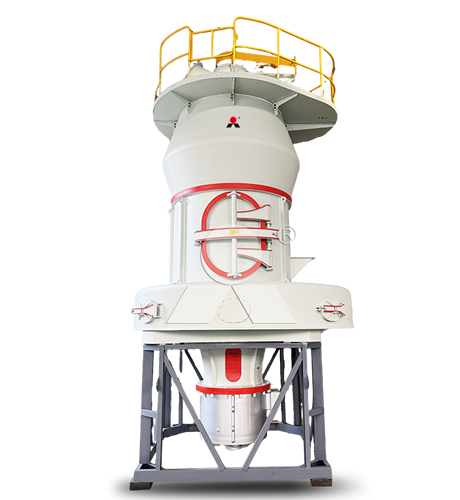
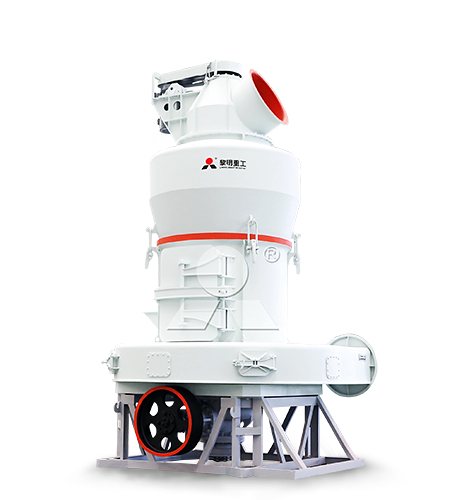
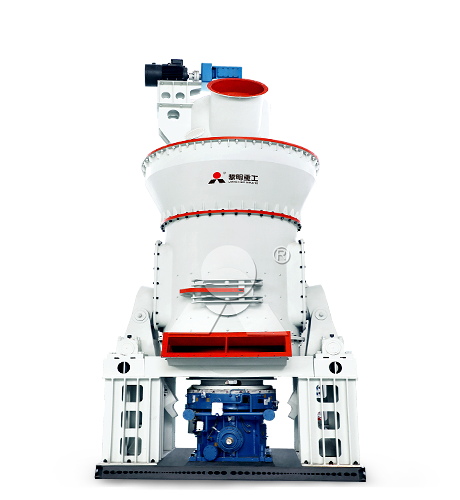
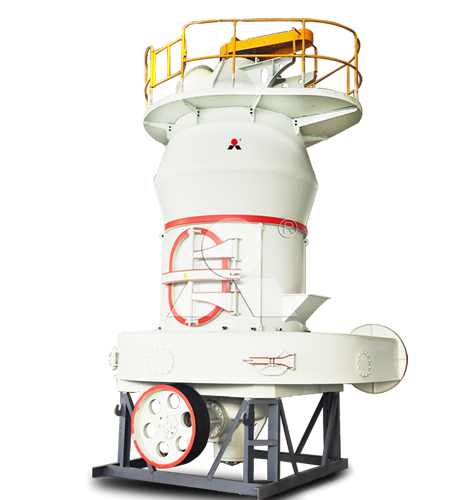
A 5–55 TPH limestone powder line built around the MTW European Mill from Liming Heavy Industry provides a practical solution for this operating range. The system can be configured for continuous limestone grinding, classification, powder collection, silo storage, and controlled downstream supply. Published MTW capacity ranges extend from approximately 3 to 55 t/h, with finished powder available down to about 0.038 mm, depending on the selected model and material conditions.
Designed for Continuous Supply
In a medium-capacity FGD application, short interruptions in powder supply can quickly affect slurry preparation and absorber operation. The line should therefore be designed around material buffering and controlled transfer at every stage:
Raw limestone stockpile → Crushing → Crushed limestone buffer bin → Controlled mill feeding → MTW European Mill → Internal classification → Negative-pressure powder collection → Finished-powder silo → Metered conveying → Slurry preparation or bulk dispatch
This arrangement separates the operating rhythm of the quarry, crushing system, grinding mill, powder storage silo, and FGD absorber. Each stage has a buffer capacity, allowing the complete line to maintain stable output even when upstream supply or downstream consumption changes over short periods.
Production Range and Typical Applications
| Required Output | Typical Application | Recommended Operating Focus |
|---|---|---|
| 5–10 TPH | Industrial boiler FGD, captive power units, and medium retrofit desulfurization projects. | Compact layout, stable 200–325 mesh output, finished-powder buffer storage, and direct connection to one slurry preparation system. |
| 10–25 TPH | Medium thermal power plants, multiple industrial boilers, and centralized powder preparation for several FGD units. | Continuous crushing and feeding, automated fineness control, larger powder silo capacity, and duty-and-standby slurry pumps. |
| 25–40 TPH | Regional limestone powder supply, large industrial complexes, or multi-absorber FGD systems. | Higher raw-material buffering, reliable dust collection, multiple powder silos or distribution points, and coordinated dispatch management. |
| 40–55 TPH | High-demand regional supply stations, larger centralized FGD reagent plants, and projects requiring continuous bulk powder delivery. | High-capacity crushing and conveying, robust storage reserve, fully automated process control, and planned redundancy for critical equipment. |
For limestone powder supplied to wet FGD systems, the final fineness is commonly selected around 250–325 mesh. The exact target should be determined from limestone reactivity, absorber residence time, slurry chemistry, required SO2 removal rate, and the allowable residual limestone level in the gypsum stream.
Feed Buffering Before Grinding
Continuous output begins with stable mill feed. A medium-capacity line should not rely on direct, uncontrolled transfer from a crusher to the mill. Crushing capacity, belt-conveyor flow, and stockpile reclaiming conditions can fluctuate, while the MTW European Mill performs best when feed size and feed rate remain stable.
The feed buffering section normally includes a covered raw limestone stockpile or storage shed, a crushing line, an intermediate crushed-stone bin, level measurement, and a controlled feeder. This arrangement provides several operational benefits:
It separates intermittent quarry or truck delivery from continuous grinding operation.
It reduces the risk of sudden feed interruption when crushing equipment is being inspected or serviced.
It allows oversized limestone to be removed before the mill feed point.
It supports stable mill loading and consistent grinding pressure.
It reduces variation in powder fineness caused by fluctuating feed rate.
It gives operators time to respond to upstream material-handling problems before finished-powder inventory becomes critical.
For projects with rainy-season conditions or variable quarry moisture, covered storage is especially important. Wet limestone can stick in hoppers, reduce feeder accuracy, increase mill differential pressure, and create buildup in transfer chutes. A well-designed buffer section should therefore include suitable hopper angles, access doors, inspection points, and flow-assistance devices where required.
MTW European Mill Configuration
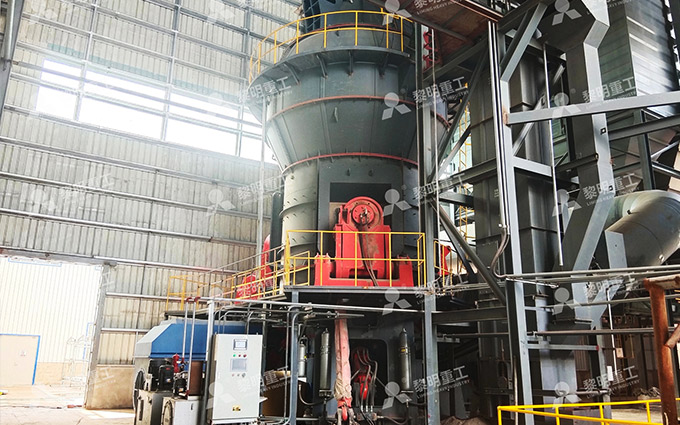
The MTW European Mill is suited to medium-capacity limestone powder production where controlled grinding and continuous classification are required. Crushed limestone enters the grinding chamber through a regulated feeder. The grinding rollers apply pressure to the material on the grinding ring, while the air stream carries ground particles to the classifier.
Fine particles that meet the target specification pass through the classifier and enter the collection system. Coarse particles are returned to the grinding chamber automatically. This internal circulation supports a stable product size distribution and avoids sending oversized particles into finished-powder storage.
| MTW Model Range | Typical Feed Size | Indicative Capacity Range | Suitable FGD Duty |
|---|---|---|---|
| MTW110 / MTW138 | Generally below 30–35 mm | Approximately 3–17 TPH | Lower end of the medium-capacity range, local FGD reagent preparation, and smaller continuous powder supply systems. [150] |
| MTW175 | Generally below 40 mm | Approximately 9.5–25 TPH | Medium power and industrial FGD plants requiring stable continuous limestone powder production. [150] |
| MTW215 | Generally below 50 mm | Approximately 15–45 TPH; selected configurations can extend toward the upper MTW range | Higher-demand medium systems, centralized FGD powder preparation, and regional supply projects. [148][150] |
Actual output must be confirmed using representative limestone samples. Hardness, moisture, feed size, CaCO3 content, silica content, target fineness, and operating hours can all affect the guaranteed production rate.
Negative-Pressure Dust Control
Dust control is a central part of a continuous limestone powder line. Fine powder must be collected efficiently, but the air system must also remain balanced so that grinding, classification, and conveying operate consistently.
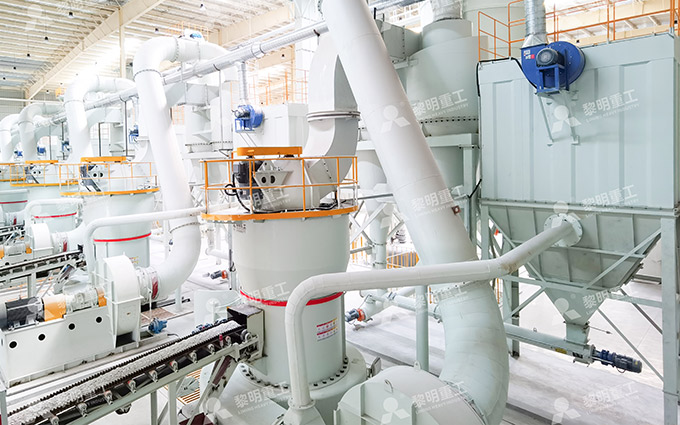
The line normally operates under negative pressure from the mill through the classifier, ductwork, collector, and fan. This arrangement helps prevent powder from escaping through inspection doors, transfer points, and small air leaks. Qualified powder is captured by a pulse bag filter and discharged through a rotary valve, screw conveyor, or another sealed device into the finished-powder conveying system.
A complete negative-pressure dust-control system typically includes:
Main air fan with suitable capacity and variable-speed control where required.
Sealed mill housing, classifier connections, ducts, and access doors.
Pulse bag filter sized for air volume, powder loading, and required collection performance.
Compressed-air system for pulse cleaning.
Filter differential-pressure monitoring.
Rotary airlock or other sealed powder discharge equipment.
Dust collection at raw-material transfer points where crushing and feeding generate dust.
Silo-top vent filter to manage displaced air during powder filling.
The bag filter should be monitored continuously. A rising pressure drop can indicate blocked bags, failed pulse cleaning, wet powder accumulation, or hopper discharge problems. If it is ignored, fan power rises, powder recovery declines, airflow becomes unstable, and mill output can fall.
Finished-Powder Storage Strategy
For continuous powder production, the finished-product silo is not simply a storage vessel. It is the main operating buffer between the grinding line and the FGD slurry system or regional bulk delivery point.
The required usable storage capacity should be based on the maximum expected powder consumption and the required period of independent operation:
Usable silo capacity (t) = Maximum powder demand (t/h) × required backup time (h)
For example, a regional supply line producing 30 TPH may require 16 hours of operating reserve:
30 TPH × 16 hours = 480 tonnes of usable finished-powder storage
The final physical silo capacity must also include freeboard, low-level dead stock, hopper volume, powder bulk-density variation, and operating limitations. For larger installations, two or more finished-powder silos may be preferable to one large silo because they provide maintenance flexibility, separate inventory management, and the ability to supply different slurry preparation points or bulk loading stations.
| Storage Requirement | Recommended Arrangement |
|---|---|
| Single FGD absorber with steady consumption | One finished-powder silo with adequate reserve inventory, aeration, vent filtration, high and low level alarms, and controlled discharge. |
| Multiple FGD absorbers or boiler units | Central powder silo with separate controlled discharge lines, or multiple silos assigned to individual slurry preparation systems. |
| Regional powder dispatch | Multiple silos with separate loading and internal-consumption outlets, allowing powder supply to continue during truck or bulk tanker loading. |
| High availability requirement | Parallel silos, duplicate discharge feeders, separate vent filters, and bypass arrangements for critical powder transfer equipment. |
The silo should be designed for limestone powder flow characteristics rather than generic bulk-material assumptions. Fine powder can absorb moisture, bridge over the outlet, form rat-holes, or compact during long storage. Hopper angle, outlet diameter, aeration arrangement, and feeder type should be selected from actual powder bulk-density and flowability data.
Continuous Delivery to FGD or Bulk Users
After storage, limestone powder can be delivered to an on-site slurry preparation system or loaded for regional distribution. The delivery method must match the required output, transfer distance, number of receiving points, and continuity requirement.
| Delivery Route | Typical Equipment | Key Design Requirement |
|---|---|---|
| Powder to on-site slurry preparation | Rotary valve, screw feeder, loss-in-weight feeder, enclosed screw conveyor, slurry tank, agitator, and density meter | Stable and accurate powder dosing into process water to maintain the required slurry concentration. |
| Powder to remote slurry station | Pneumatic conveying line, blower or compressed-air system, receiving silo, vent filter, and discharge feeder | Sealed powder transfer with suitable line velocity, low air leakage, and wear protection at bends. |
| Powder to bulk tanker loading | Loading silo, loading spout, dust collection hood, weigh scale, and loading control system | Accurate inventory control, low dust release, and uninterrupted mill operation during loading cycles. |
| Powder to several consumption points | Distribution conveyors, diverter valves, multiple silos, or controlled pneumatic transport lines | Clear delivery priority logic and isolation capability for maintenance without stopping the entire line. |
Where powder is mixed with water on site, the slurry preparation section should include a controlled feeder, process-water flow measurement, agitated preparation tank, density monitoring, slurry storage tank, and duty-and-standby pumps. The finished powder must enter the tank at a controlled rate so that the slurry remains uniform and pumpable.
Automation for Stable Output
A 5–55 TPH continuous line benefits from centralized control because material flow, powder quality, and storage inventory are closely connected. The main operating objective is to maintain qualified output while avoiding frequent manual adjustment.
The control system should coordinate:
Crusher and feeder operation according to the crushed-limestone buffer-bin level.
Mill feed rate according to mill load, finished-powder silo level, and required production target.
Classifier speed according to the required finished-powder fineness.
Main fan airflow according to feed rate, moisture, and system pressure.
Bag-filter cleaning according to differential pressure.
Finished-powder conveying according to silo level and downstream demand.
Powder dosing according to slurry density, slurry tank level, and absorber reagent demand.
Automatic protection for high silo level, low powder inventory, feeder blockage, fan trip, filter alarm, or slurry-pump failure.
For regional supply operations, the control system should also track finished-powder inventory, daily production, batch quality, bulk loading quantity, and the availability of each delivery route.
Continuous-Line Operating Priorities
The MTW European Mill performs most effectively when the supporting equipment is sized as one system. The following operating principles help maintain continuous production:
Keep crushed limestone feed size and moisture stable before the mill.
Maintain sufficient raw-material and crushed-material buffer inventory.
Use a controlled feeder to avoid mill overload and frequent output fluctuations.
Confirm finished-powder fineness through routine sieve or particle-size analysis.
Maintain negative pressure throughout the grinding and collection system.
Inspect dust collector differential pressure, compressed-air supply, and hopper discharge condition every shift.
Keep the finished-powder silo dry and maintain reliable aeration and discharge equipment.
Provide adequate powder inventory before scheduled mill maintenance.
Use duty-and-standby slurry pumps and critical feeders when continuous FGD reagent supply is required.
Track qualified output, kWh per tonne, powder fineness, and unplanned downtime as core operating indicators.
Reliable Medium-Capacity Limestone Supply
A 5–55 TPH continuous FGD limestone powder line requires more than a correctly selected grinding mill. It requires feed buffering before grinding, controlled classification, negative-pressure dust collection, sufficient finished-powder storage, and a delivery system that continues to serve the FGD process without interruption.
With an MTW European Mill from Liming Heavy Industry as the grinding core, the line can be configured for medium-scale wet FGD systems and regional limestone powder supply. When crushing, storage, dust control, conveying, slurry preparation, and automation are coordinated correctly, the plant can provide stable limestone powder output for continuous desulfurization operation.