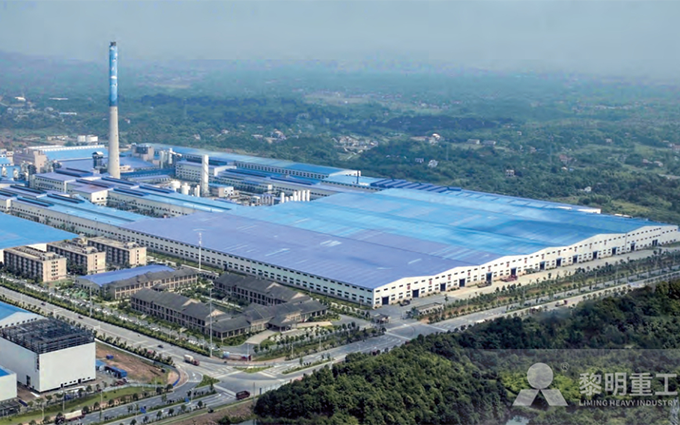
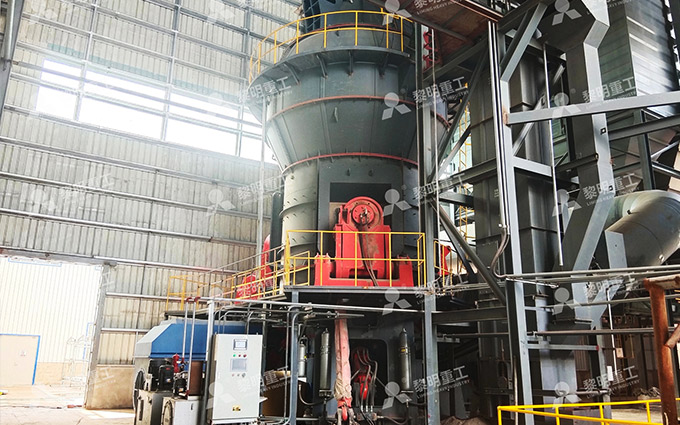
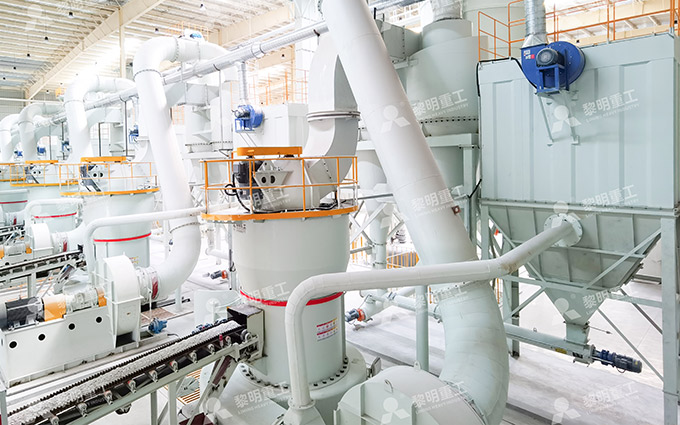
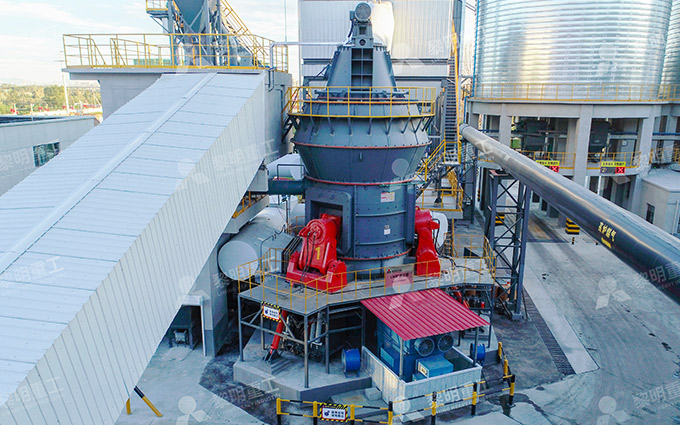
FGD Limestone Grinding Plant
LM Vertical Mill for Large FGD Limestone Powder Projects
2026-09-19 10:31:39
We are Liming Heavy Industry, a manufacturer of various types of industrial crushers, such as Raymond Mill, Trapezoidal Mill, Vertical Mill, Ultrafine Mill, Ball Mill, etc.
Our mills can process the following minerals:
limestone, quicklime, kaolin, talc, barite, bentonite, calcium carbonate, dolomite, coal, gypsum, clay, carbon black, slag, cement raw materials, cement clinker, etc.
If you need a mill to process stone or minerals into powder, please feel free to contact me (WhatsApp: +8615333807511). Thank you.
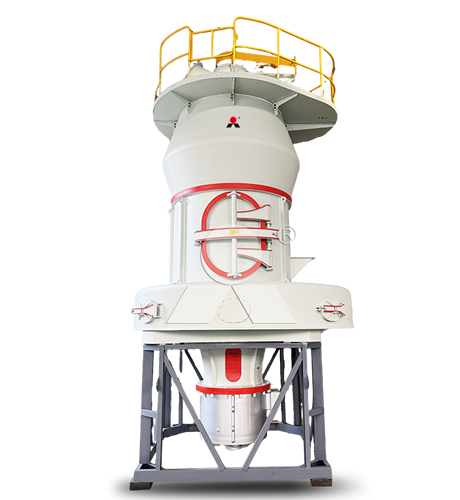
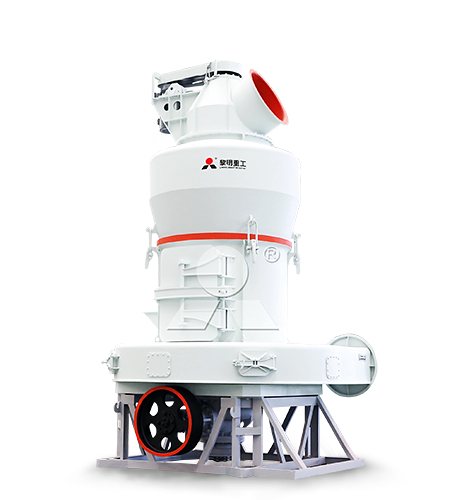
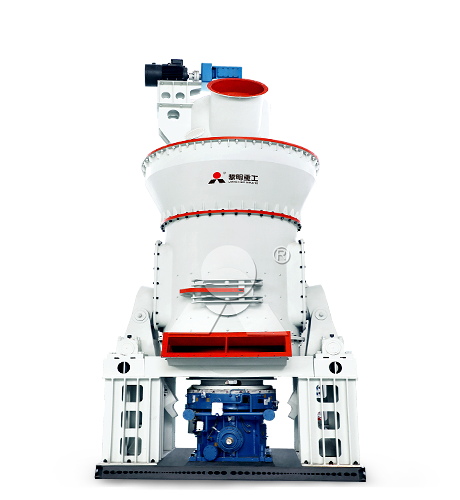
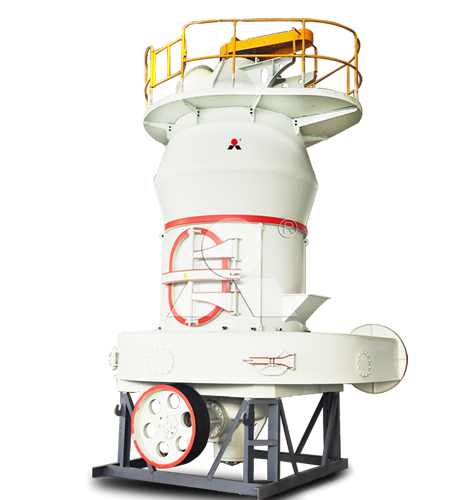
Large wet FGD systems need more than fine limestone powder: they need a dependable, continuous reagent supply that remains stable during changes in boiler load, coal sulfur content, and absorber demand. For high-throughput limestone grinding projects, the LM Vertical Mill from Liming Heavy Industry provides an integrated solution for producing controlled limestone powder for slurry preparation.
The mill combines grinding, classification, drying, and pneumatic conveying in one process unit. This configuration is particularly suitable for large power-plant desulfurization projects where a compact layout, stable powder quality, centralized operation, and continuous output are required. The LM series is designed for limestone and other non-metallic mineral applications, with product fineness commonly adjustable within 80–325 mesh, or approximately 170–45 μm.
Why Large FGD Projects Need a Vertical Mill
Wet limestone FGD removes sulfur dioxide by bringing flue gas into contact with a circulating alkaline limestone slurry. The limestone must dissolve rapidly enough to maintain absorber pH and support the required SO2 removal efficiency. Powder that is too coarse may dissolve slowly and can increase unreacted limestone in the gypsum product. Powder that is excessively fine may increase grinding energy use without delivering a proportional process benefit.
Many FGD systems specify limestone in the range of 90% or more passing 325 mesh, while some projects require a finer product depending on absorber design, slurry residence time, limestone reactivity, and emissions targets. A 3 × 660 MW FGD limestone grinding specification, for example, requires 90% or higher passing through 325 mesh at a design grinding capacity of 50 tonnes per hour for each wet ball mill.
For dry limestone powder preparation, an LM Vertical Mill provides a practical route to this controlled particle-size range. Instead of operating separate units for grinding, powder separation, drying, and material transfer, the vertical-mill system brings these functions together in a single coordinated process.
Integrated Grinding Process
The basic process flow for an LM Vertical Mill limestone grinding plant is:
Limestone receiving → crushing → raw-material storage → controlled feeding → LM Vertical Mill → dynamic classification → dust collection → finished-powder silo → slurry preparation tank → wet FGD absorber
Crushed limestone is stored in a feed bin and delivered evenly to the mill through a controlled feeding system. Inside the mill, the rotating grinding table moves limestone outward beneath the grinding rollers. Grinding pressure reduces the material, while the air stream lifts fine particles toward the classifier.
Fine limestone powder meeting the target specification passes through the classifier and moves to the dust collection system. Coarser material is separated and returned to the grinding zone automatically. The collected powder is stored in a sealed finished-product silo before it is mixed with water in the slurry preparation tank.
This closed internal circulation helps the plant maintain a stable finished-powder quality. It also reduces dependence on repeated external handling of partially ground material.
LM Vertical Mill Advantages
| Plant Requirement | LM Vertical Mill Contribution |
|---|---|
| High limestone consumption | Suitable for continuous large-scale powder production, with published LM configurations covering approximately 10–128 t/h for listed models and broader LM product ranges for higher-capacity projects. |
| Controlled FGD fineness | The internal classifier allows adjustment of the finished powder, supporting limestone products in the commonly used 80–325 mesh range. |
| Compact plant arrangement | Grinding, classification, drying, and conveying are integrated, reducing the number of separate process stages. |
| Variable raw-material moisture | Hot air can be introduced to remove moisture during grinding, helping maintain dry finished powder before storage and slurry preparation. |
| Stable operation | Continuous internal circulation returns coarse particles for further grinding and helps keep the product distribution consistent. |
| Centralized plant control | Mill feed, classifier speed, grinding pressure, air volume, outlet temperature, and finished-powder inventory can be coordinated through an automated control system. |
| Reduced transfer points | Integrated pneumatic conveying moves qualified powder to the collection system, reducing intermediate conveyors and open handling points. |
Matching Capacity to FGD Demand
The grinding plant should be sized according to peak limestone consumption rather than average daily consumption alone. Important design inputs include boiler capacity, design coal sulfur level, target sulfur dioxide removal rate, limestone purity, mill availability, slurry concentration, and required standby capacity.
A large FGD project normally uses one of the following arrangements:
One LM Vertical Mill sized for normal continuous demand, with an adequate finished-powder storage silo for short maintenance periods.
Two LM Vertical Mills operating in parallel, allowing each unit to share load and providing production flexibility.
One duty mill and one standby grinding line for applications where uninterrupted reagent supply is critical.
A central limestone grinding plant supplying several boilers or absorbers through separate powder silos and slurry preparation systems.
The best configuration depends on the plant’s required availability and the allowable duration of mill shutdown. Finished-powder silo capacity should be designed as an operating buffer, not merely as a storage vessel. During a planned maintenance stop, stored powder can continue supplying the slurry preparation system and protect absorber operation.
Recommended Process Parameters
The final operating targets should be confirmed by the FGD process supplier and the limestone test results. The following values are commonly used for initial engineering evaluation of a large dry-grinding system supplying a wet limestone FGD unit.
| Item | Typical Design Consideration |
|---|---|
| Raw material | High-calcium limestone with stable CaCO3 content, commonly above 90%. |
| Mill feed size | Normally controlled below 40–50 mm, depending on the selected LM model and upstream crushing arrangement. Listed LM models accept maximum feed sizes from below 38 mm to below 55 mm. |
| Feed moisture | Low moisture is preferred; published LM data identify best feed moisture below 4% for listed models, while hot air can assist drying where site conditions require it. |
| Finished powder fineness | Often selected around 325 mesh for wet FGD slurry preparation; project specifications may use 90% or more passing 325 mesh. |
| Finished-powder moisture | Kept low to support smooth silo discharge, accurate dosing, and reliable slurry preparation. |
| Powder storage | Sized to maintain limestone supply during short variations in mill output or planned service work. |
| Slurry concentration | Adjusted to the absorber and pumping system; approximately 30 wt% slurry is a common specification reference in wet limestone grinding systems. |
From Powder to Absorber Slurry
After collection, limestone powder enters the finished-product silo. A controlled dosing device transfers powder into an agitated slurry preparation tank containing process water. The agitator keeps the solids suspended and ensures that limestone is evenly dispersed before the slurry is pumped to the absorber reaction tank.
The slurry-feed system should include density monitoring, flow measurement, duty-and-standby pumps, tank-level control, pipeline flushing connections, and automatic adjustment based on absorber operating conditions. Maintaining stable slurry density is important because a sudden change in solids concentration can affect absorber pH, recirculation chemistry, and limestone utilization.
In forced-oxidation wet FGD systems, limestone reacts with absorbed sulfur dioxide and oxygen to form gypsum:
CaCO3 + SO2 + ½O2 + 2H2O → CaSO4·2H2O + CO2
For this reaction to proceed efficiently, the limestone powder supplied from the LM Vertical Mill must remain consistent in fineness, chemical quality, and flowability.
Operating Focus for Long-Term Reliability
For large FGD limestone powder projects, mill performance should be evaluated as part of the complete reagent supply chain. A high-output mill alone cannot guarantee stable FGD operation if crushing, storage, powder conveying, slurry mixing, or feed control are undersized.
Maintain stable crushed-limestone feed size and avoid excessive oversized material.
Monitor raw limestone CaCO3 content, silica, magnesium, moisture, and other impurities before grinding.
Keep mill feed rate consistent to stabilize grinding pressure, airflow, classifier performance, and product fineness.
Set classifier conditions according to the actual absorber requirement rather than grinding to the finest possible powder.
Maintain sufficient powder-silo inventory to protect FGD operation during short mill interruptions.
Use reliable dust collection and sealed conveying to minimize powder loss and maintain a clean operating environment.
Coordinate mill output with slurry density, absorber pH, inlet SO2 concentration, and boiler load.
The LM Vertical Mill is well suited to large FGD limestone powder projects when the plant requires a high-capacity, integrated dry-grinding process and controlled powder fineness. With correctly matched crushing, feeding, classification, storage, and slurry preparation equipment, it can provide a stable limestone supply for continuous wet FGD operation. Liming Heavy Industry identifies the LM Vertical Mill as a system integrating crushing, drying, grinding, powder selection, and conveying for large-scale limestone processing.