

FAQ
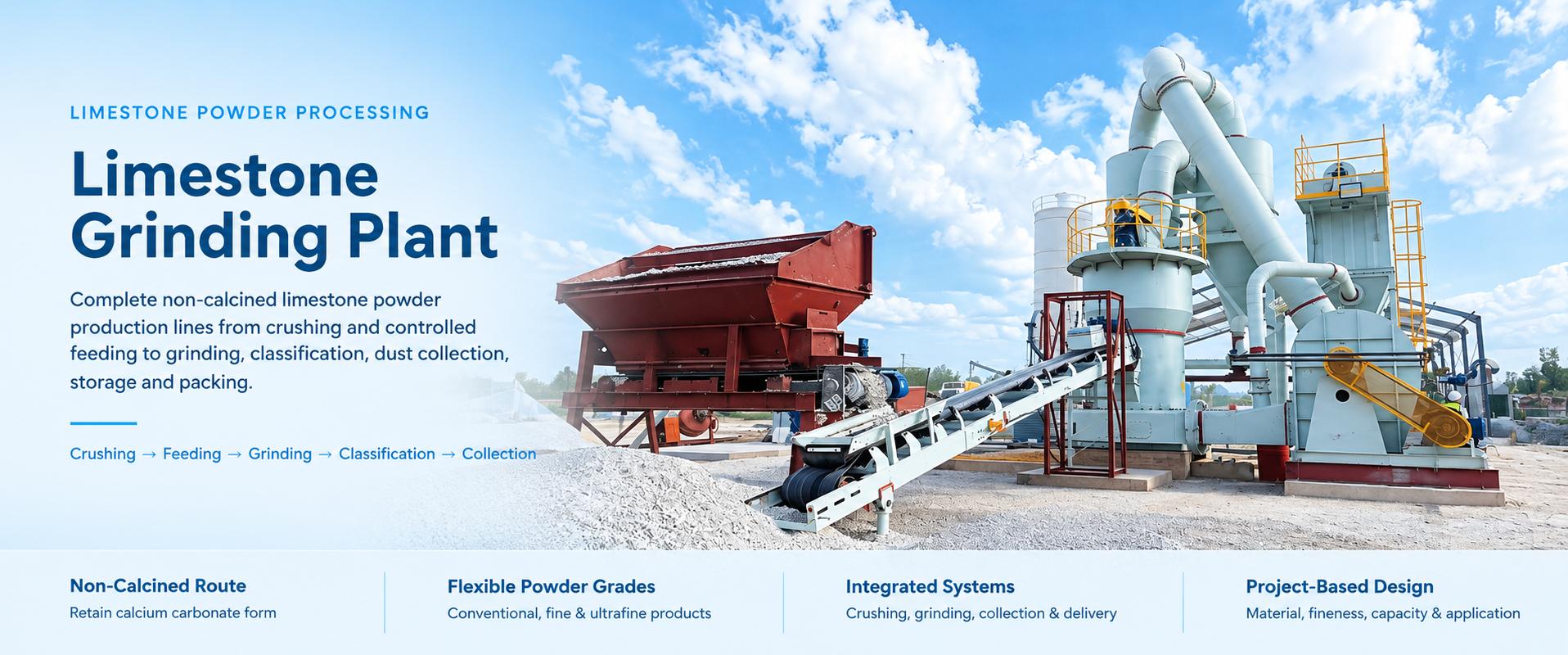
Limestone Grinding Plant
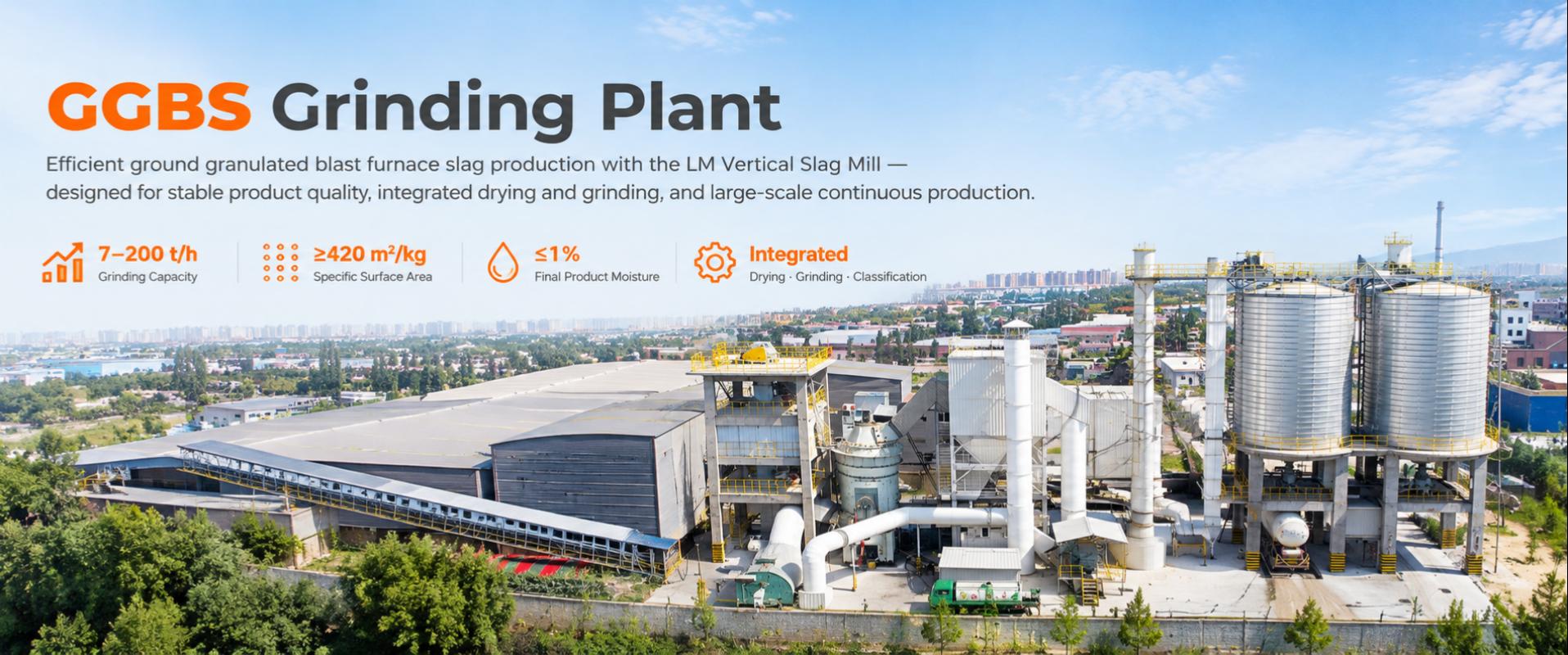
GGBS Grinding Plant
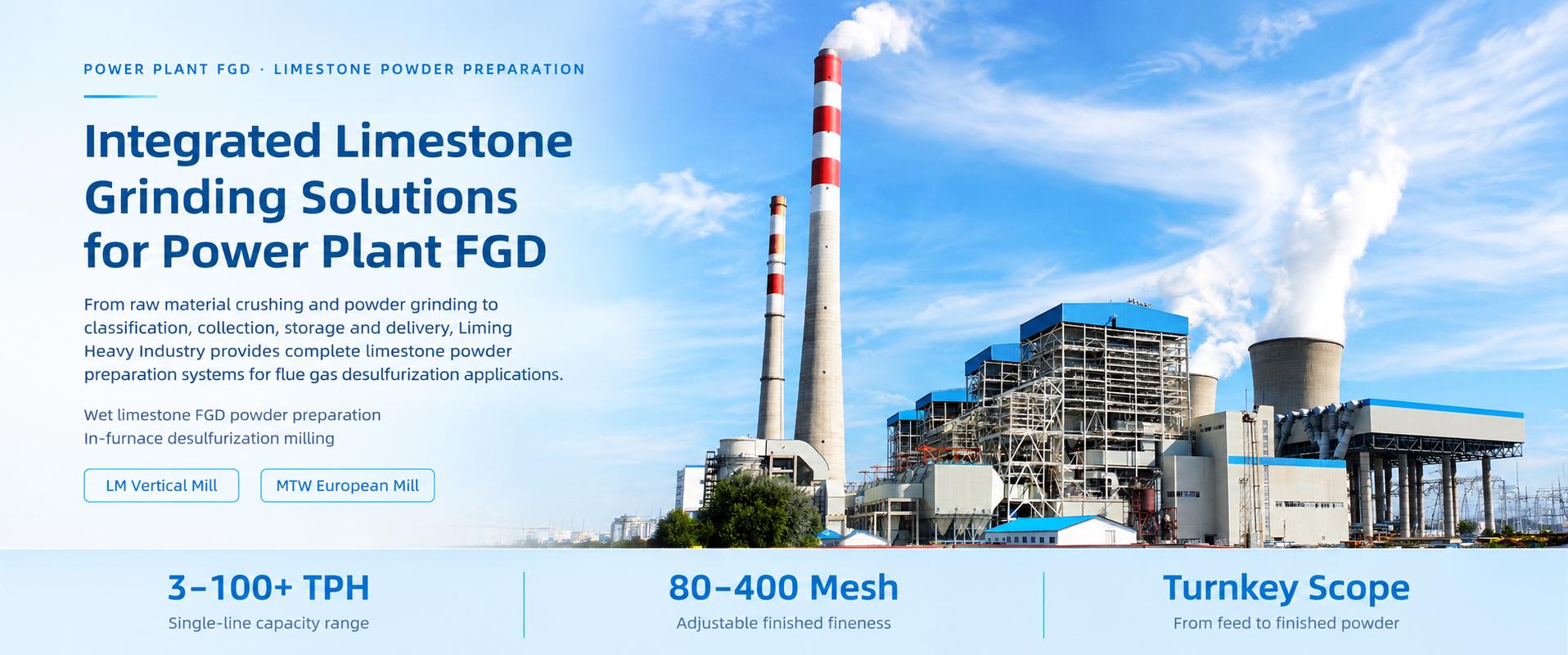
FGD Limestone Grinding Plant
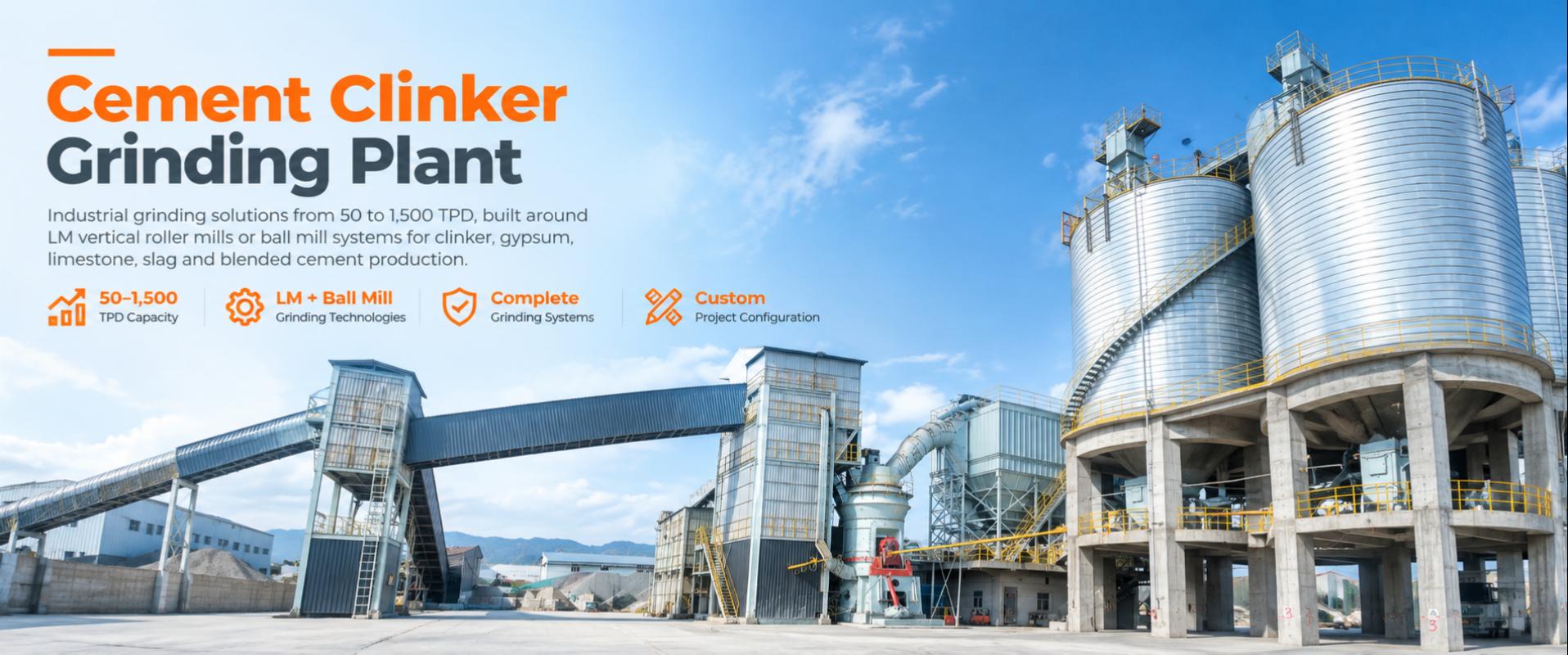
Cement Clinker Grinding Plant
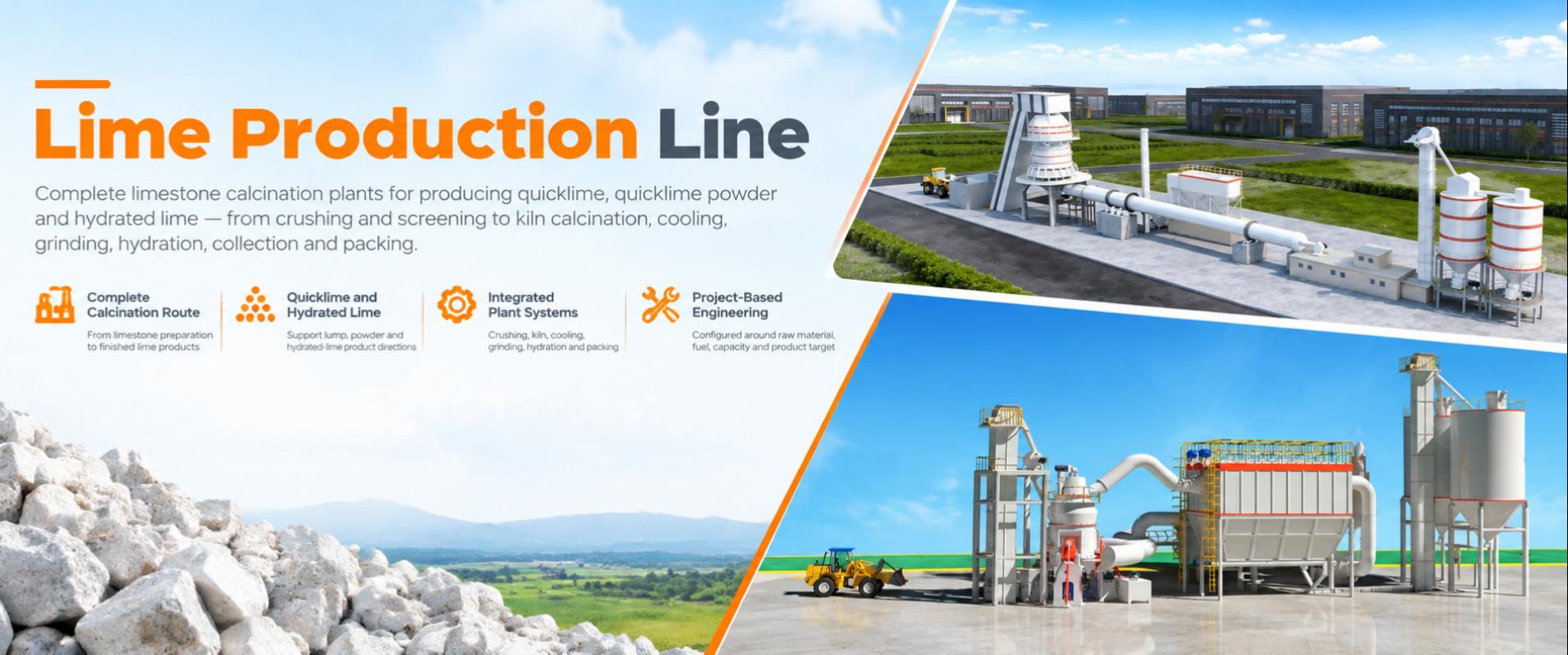
Lime Production Line
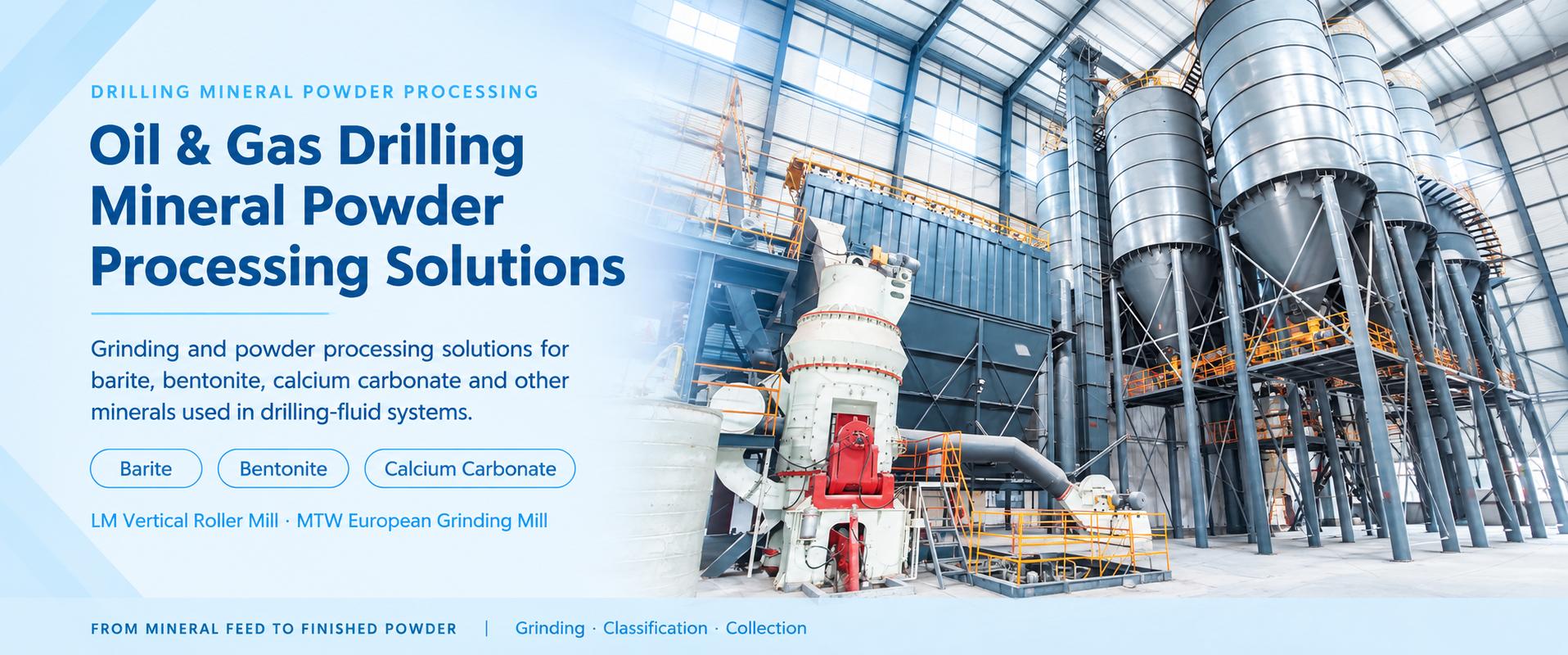
Oil & Gas Mineral Processing
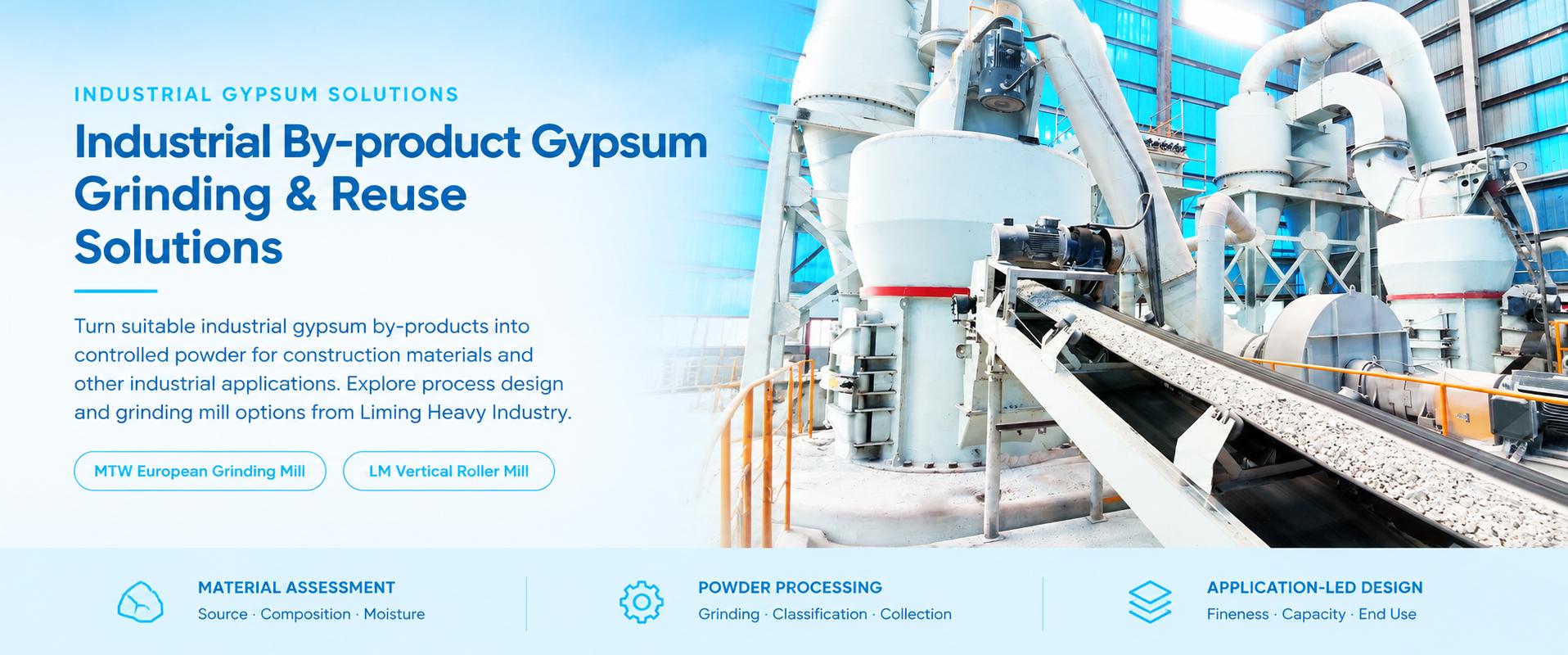
Industrial By-product Gypsum Solutions
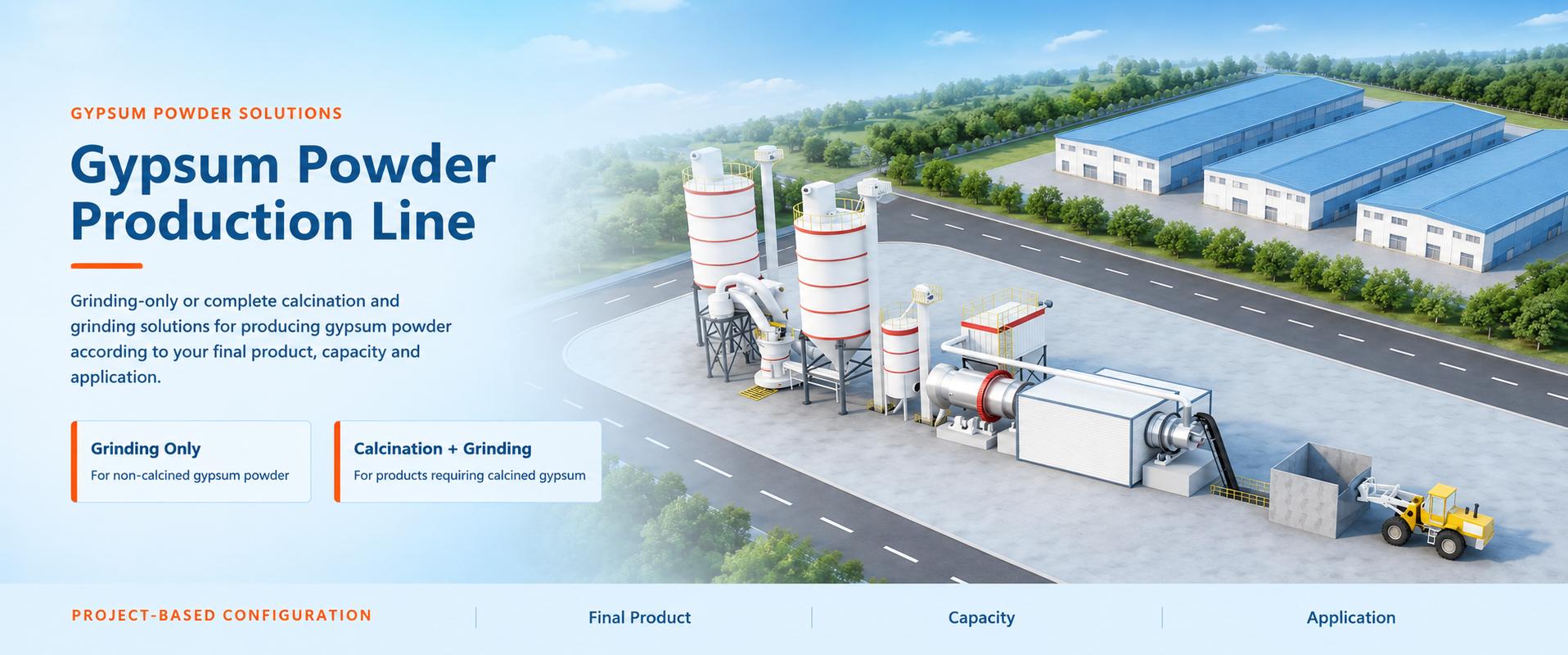
Gypsum Powder Production Line
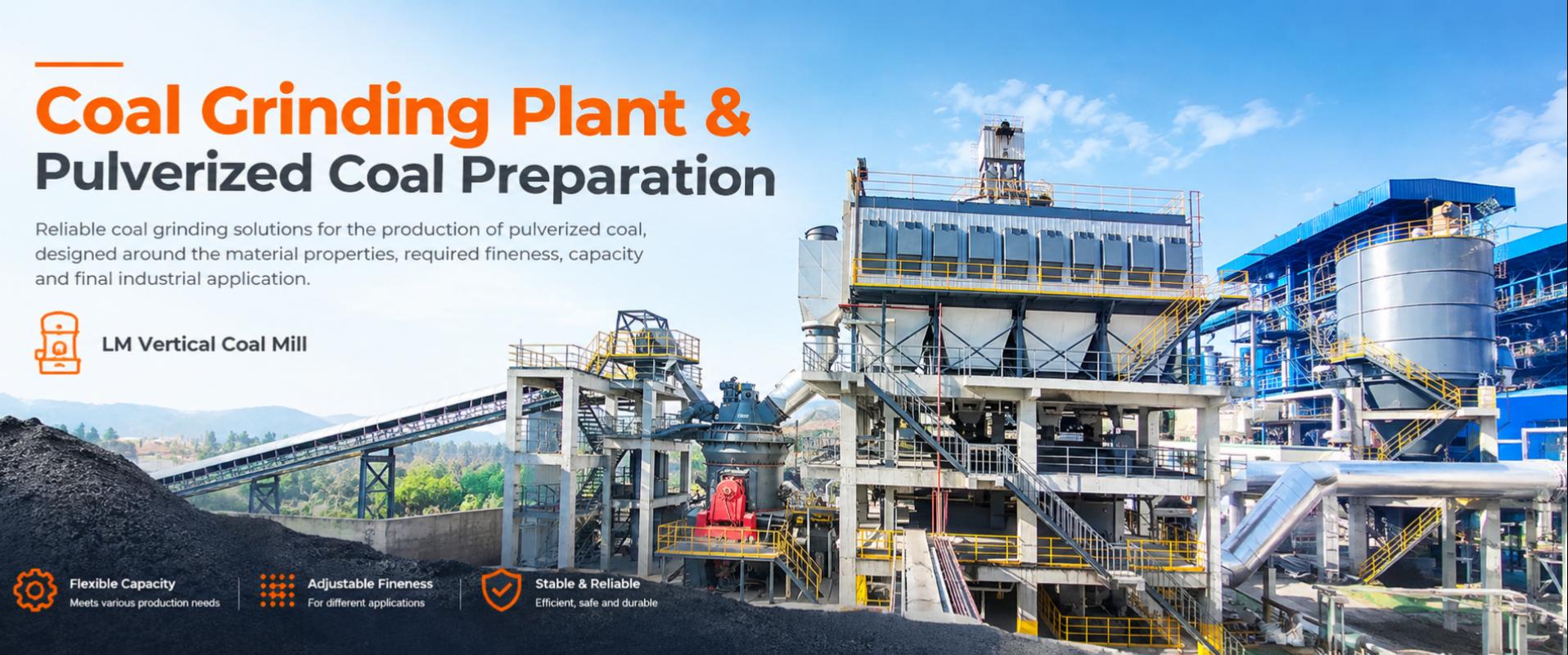
Coal Grinding Solutions
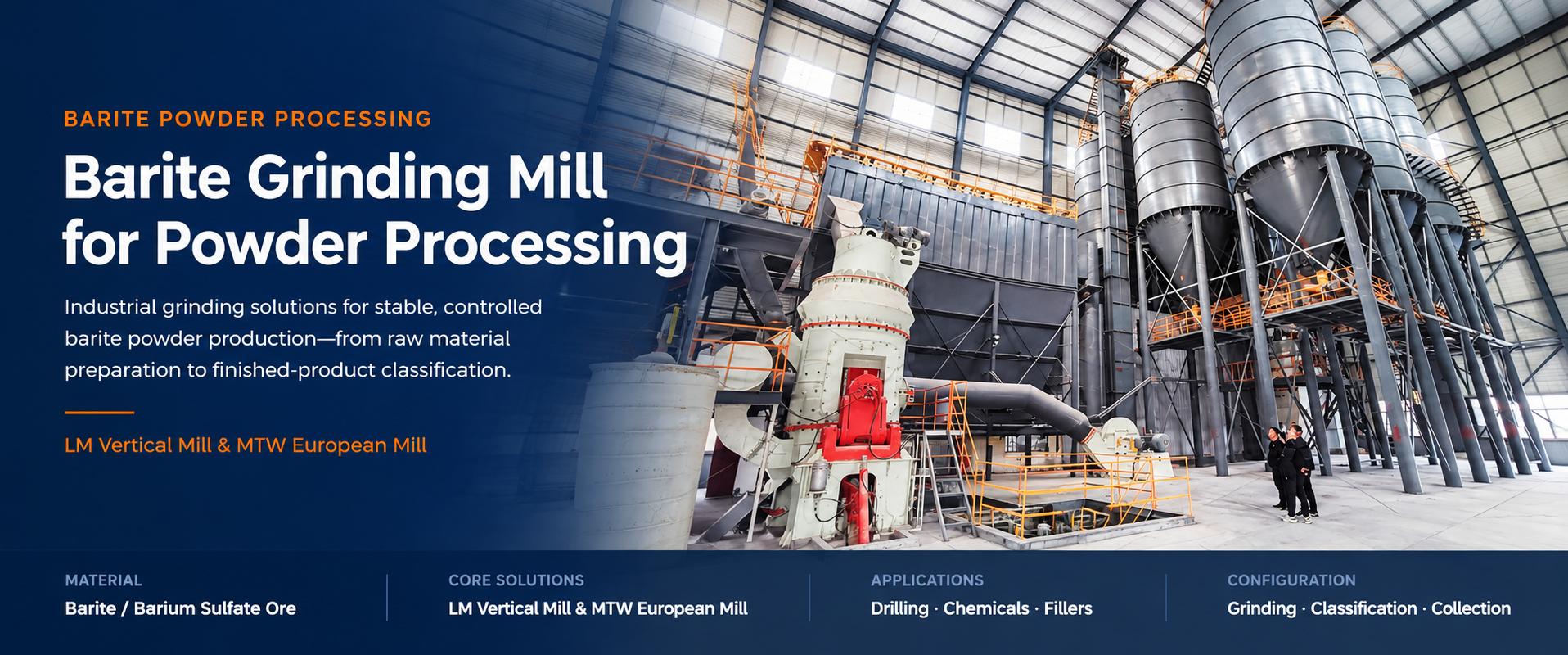
Barite Powder Processing
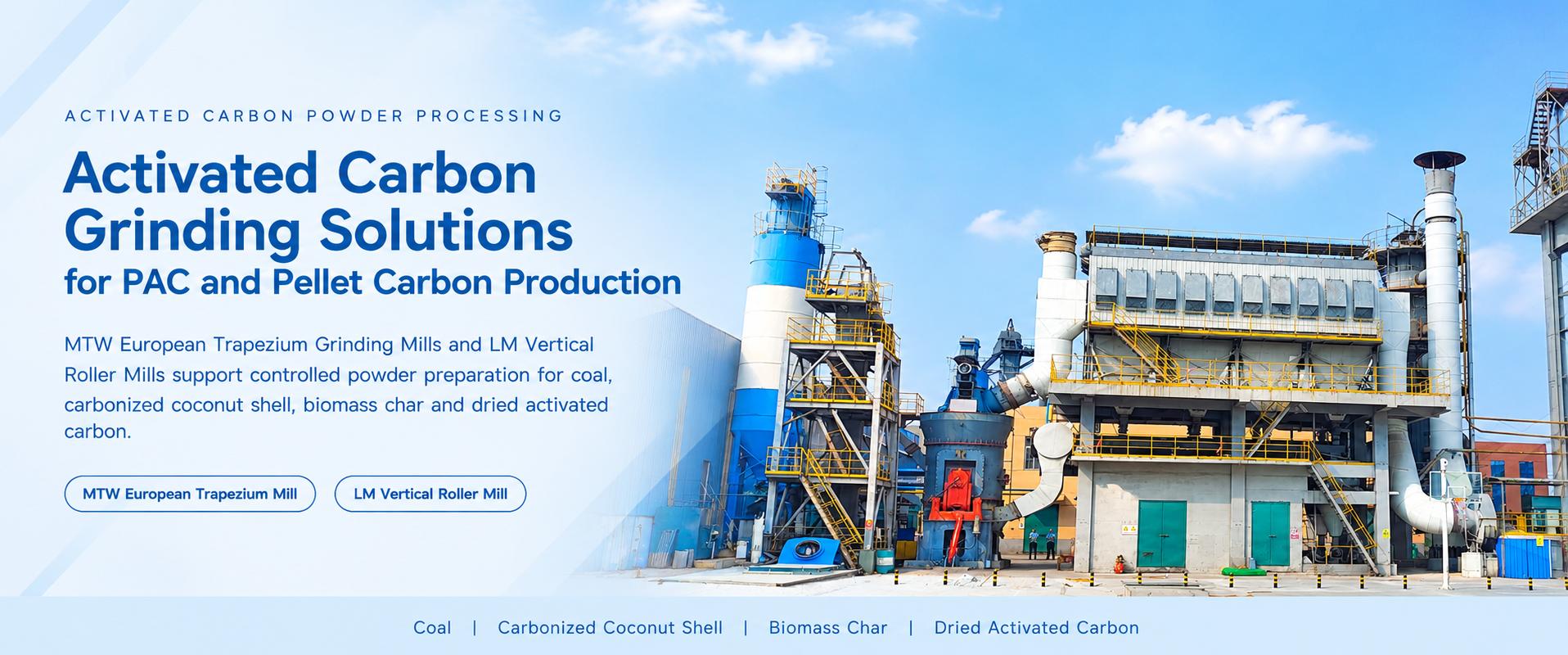
Powder Processing for Activated Carbon
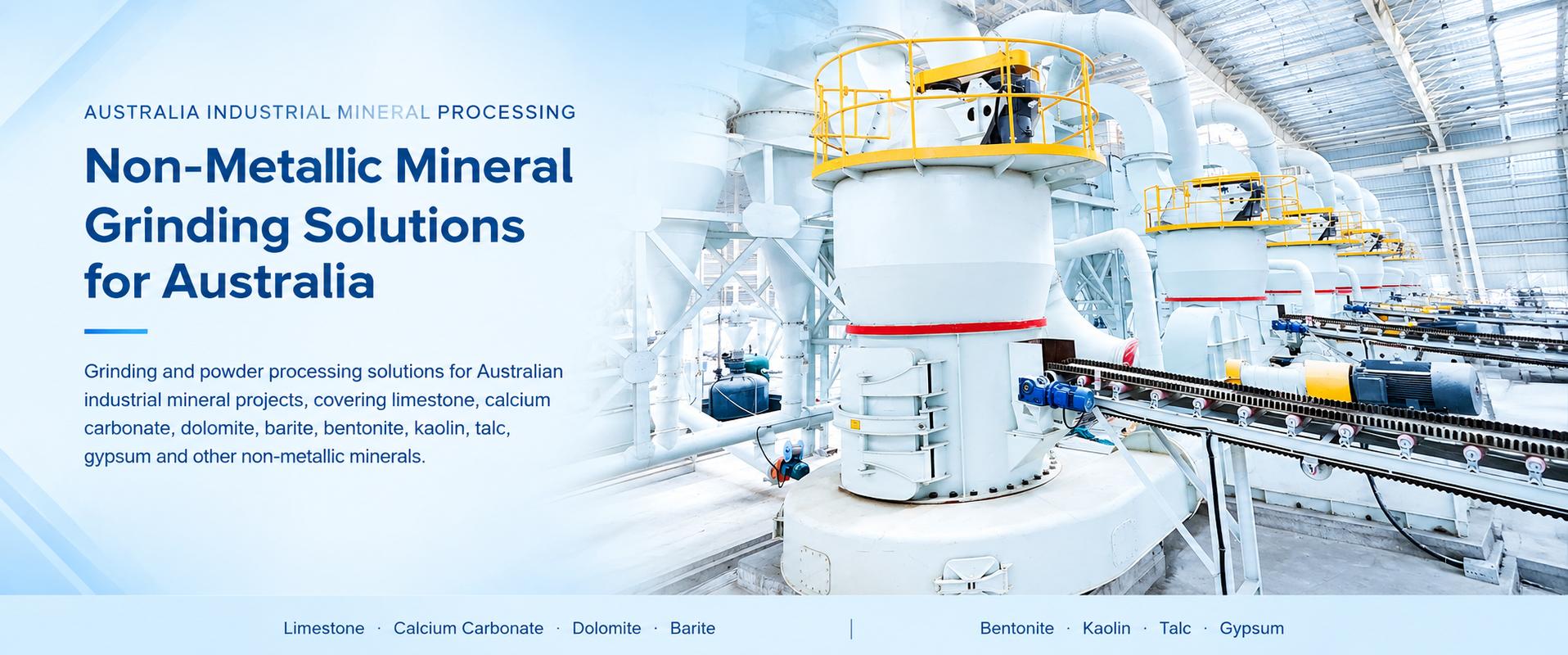
Australia Non-Metallic Mineral Grinding
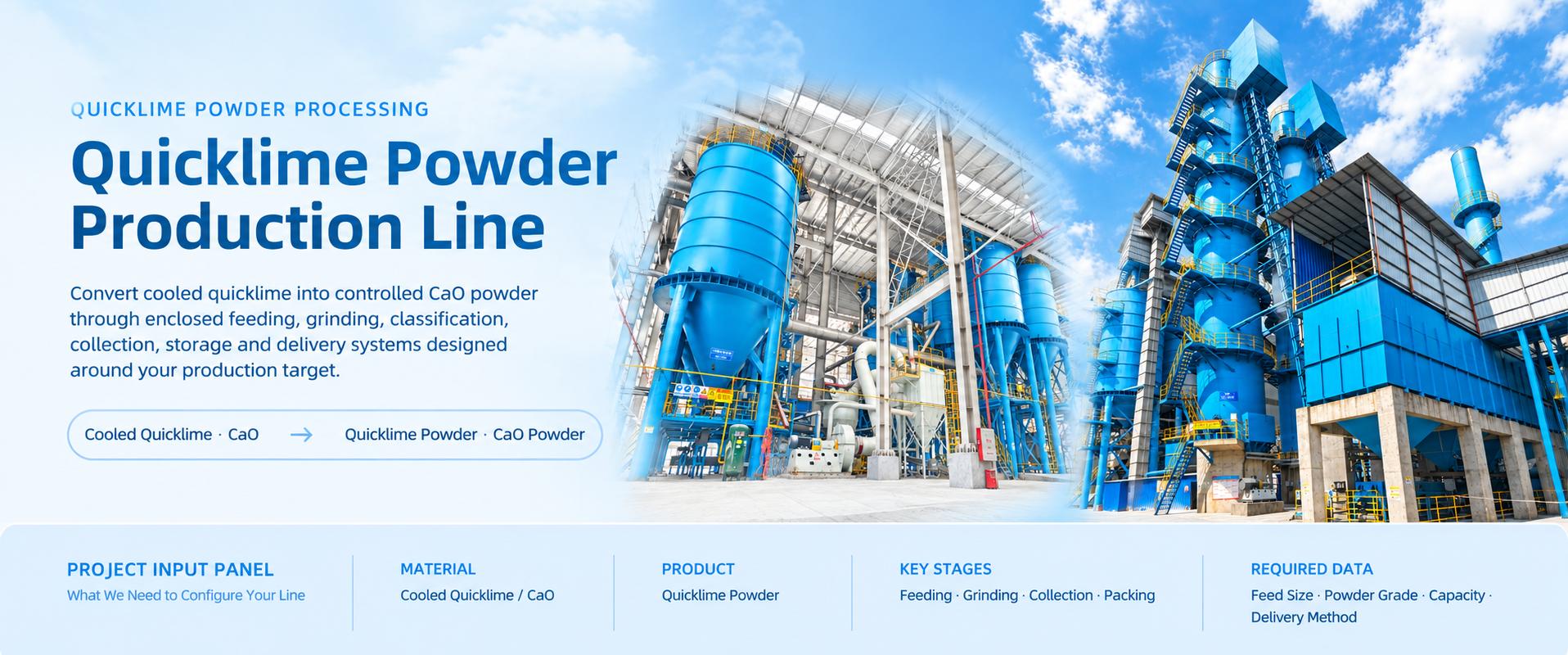
Quicklime Powder Production Line
2026-07-24
What Equipment Is Used to Grind Feldspar for Ceramic Production?
For ceramic production, feldspar is most commonly ground in a ball mill, usually with alumina lining and alumina grinding media when iron contamination must be minimized.
More
2026-07-21
How to Grind Quicklime into 325 Mesh Industrial Powder?
Reaching 325 mesh (D97 approximately 45 μm) quicklime powder requires a Raymond mill or MTW European Grinding Mill with an internal air classifier, following a process of crushing, controlled feeding, layer-by-layer roller-and-ring grinding, and classification.
More
2026-07-20
What Type of Mill Is Used for Processing Carbon Black into Fine Powder?
Carbon black is most commonly ground with a Raymond mill for coarser reinforcing-grade powder (80–325 mesh), and with an ultrafine vertical/ring-roller mill such as the LUM Ultrafine Vertical Roller Mill or MW Micro Powder Mill when the target fineness extends to 400–2500 mesh (roughly 5–45 μm D97), as required for conductive, battery-grade, or high-tint ink applications.
More
2026-07-20
What Equipment Is Required for a Small Limestone Powder Production Line?
A small limestone powder production line (typically 5–30 t/h finished output, targeting 80–400 mesh, i.e., roughly D97 of 180 μm to 38 μm) generally requires five equipment groups: raw material handling and crushing, a primary grinding mill, an air classifier, a dust collection system, and finished-product packing or bulk loading.
More
2026-07-18
What Is the Maintenance Cost of a Limestone Grinding Mill?
Maintenance cost for a limestone grinding mill typically falls in the range of 0.10 to 0.25 USD per ton of processed material for Raymond mills and vertical roller mills operating on moderate-hardness limestone, though this figure varies significantly with silica content, feed size consistency, and whether hardfacing is applied to wear parts.
More
2026-07-17
How to Produce Calcite Powder for Multiple Industrial Applications?
Calcite powder is produced by crushing raw calcite ore, then grinding it through a Raymond mill, vertical roller mill, or ultrafine mill depending on the target mesh range, followed by air classification and dust collection to meet the specific whiteness, fineness, and purity requirements of the end application.
More
2026-07-16
Which Grinding Mill Is Used for Barite Powder in Drilling Mud?
API-grade barite for drilling mud is most commonly produced with Raymond mills or MTW European Trapezium mills for standard 200-325 mesh output, while ring roller mills or ultrafine vertical mills are selected when the specification calls for D97 below 15 microns.
More
2026-07-07
How to Grind Feldspar into Fine Powder for Ceramic Glazes?
Feldspar is highly abrasive with a Mohs hardness of 6. For 325 mesh ceramic glazes, use the MTW European Type Raymond Mill. For ultrafine glazes requiring D97 < 10 microns, the LUM Ultrafine Vertical Mill is required.
More
2026-07-06
How Much Does a Raw Mill Cost for a Cement Plant in Nigeria?
A raw mill for a cement plant in Nigeria costs between $300,000 and $3,500,000 depending on capacity and mill type. Vertical roller mills lead the market due to processing up to 8% moisture and high tonnages efficiently.
More
2026-06-04
Calcite vs Limestone for Ground Calcium Carbonate (GCC): What Is the Difference?
Calcite and limestone are the two primary raw materials for producing ground calcium carbonate (GCC). While both contain calcium carbonate, calcite offers higher purity, whiteness, and consistency, making it ideal for plastics, coatings, paper, and other high-value applications.
More
2026-05-12
Which Grinding Solution Is Best for Barite Grinding Plants?
Barite has a Mohs hardness of 3-3.5 and low abrasiveness. For 80-325 mesh API drilling mud, a pendulum mill like the MTW European Type is optimal. For D97 10 microns, use the LUM Ultrafine Vertical Mill.
More
2026-05-11
How to Produce Graphite Powder for Battery Materials?
Battery graphite powder is produced by crushing, drying, grinding, and classifying natural or synthetic graphite. Mill choice depends on target size, flake preservation, moisture, and whether the product is a precursor or final fine powder.
More


