FAQ
How Much Does a Raw Mill Cost for a Cement Plant in Nigeria?
2026-07-06 08:36:48
Summary:
A raw mill for a cement plant in Nigeria costs between $300,000 and $3,500,000 depending on capacity and mill type. Vertical roller mills lead the market due to processing up to 8% moisture and high tonnages efficiently.
Details:
A raw mill for a cement plant in Nigeria costs between $300,000 and $3,500,000 depending on capacity and mill type. Vertical roller mills lead the market due to processing up to 8% moisture and high tonnages efficiently.
Raw Meal Preparation and Material Constraints
Portland cement raw meal requires a precise blend of limestone, clay, shale, and corrective additives, usually presenting an average Mohs hardness of 3.0 to 4.0. For Nigerian plants, the regional tropical climate and heavy monsoon rains mean incoming raw materials often exceed 8% surface moisture. A standard ball mill cannot adequately dry this feed, leading to blinding of the grinding media and chute blockages. Therefore, modern dry-process cement lines rely on equipment that can combine crushing, grinding, pneumatic conveying, and flash drying into a single mechanical housing.
Selecting the Right Raw Mill for the Job
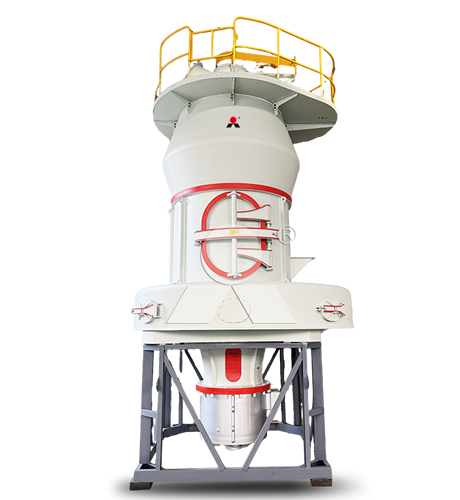
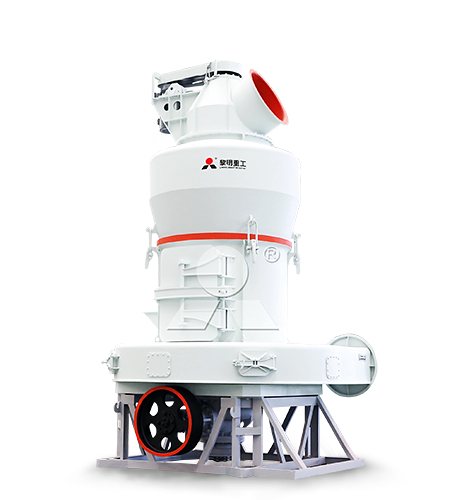
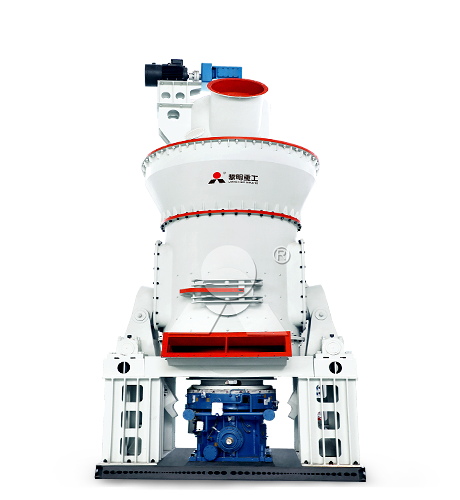
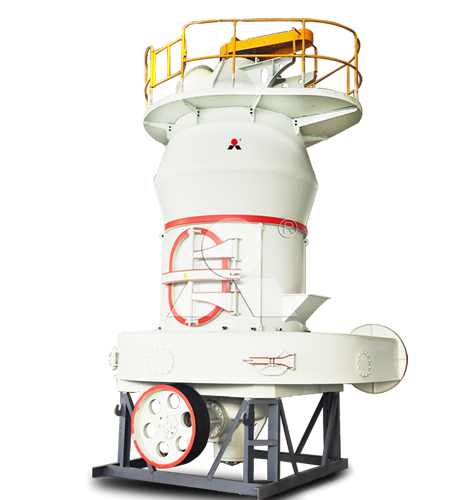
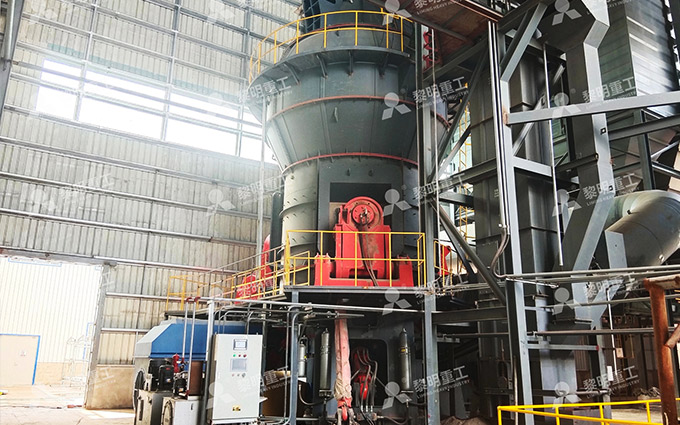
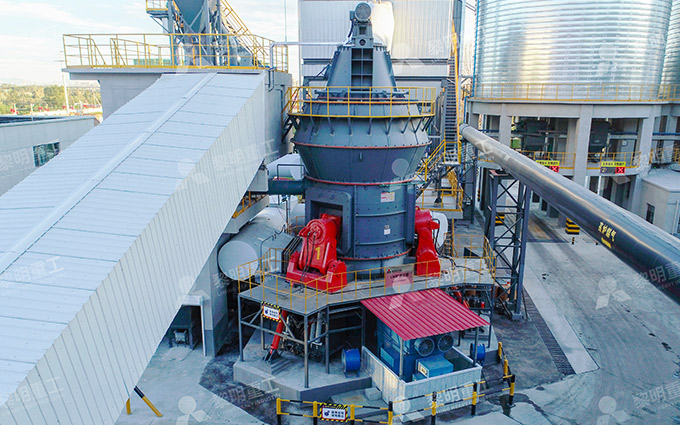
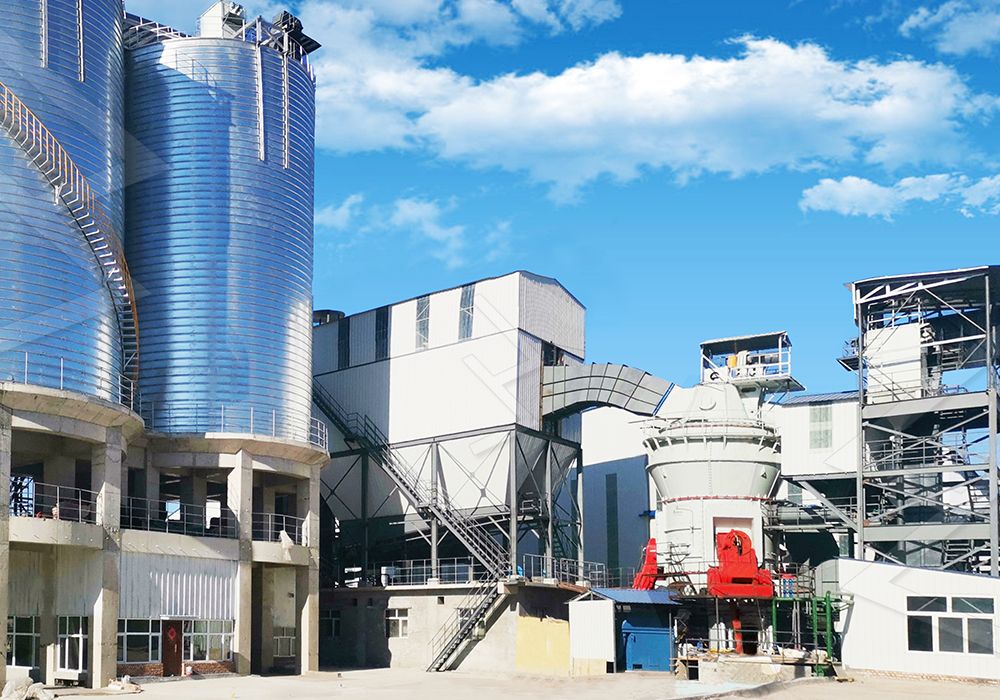
Because raw meal requires high-capacity throughputs often exceeding 150 to 300 tons per hour at a specific fineness, pendulum mills like the MTW European Type Raymond Mill do not offer the required scale, though they remain excellent for 80-325 mesh mineral grinding at lower tonnages. Instead, operations utilize vertical roller mills (VRMs), such as Liming Heavy Industry's LM Series Vertical Roller Mill.
The LM Series accepts feed sizes up to 50 mm. It uses hydraulic accumulators to apply constant, heavy pressure on rotating rollers against a grinding table. As the table spins, centrifugal force pushes the wet material into the grinding track, where it is subjected to massive direct shear and compression forces. Simultaneously, waste hot gas from the rotary kiln is directed through the mill base at high velocity, lifting and drying the ground particles. The integrated dynamic classifier ensures the product meets standard raw meal specifications, normally targeting a fineness of 10-15% residue on a 90-micron sieve (roughly equivalent to a D90 of 90 microns). By combining these production stages, the VRM drops overall system energy consumption to 11-14 kWh/t, far lower than the 18-22 kWh/t seen in closed-circuit ball mill systems.
_1767930055774.jpg)
Baseline Technical Parameters for Raw Mills
Average Material Mohs Hardness: 3.0 to 4.0
Maximum Input Feed Size: < 50 mm
Allowable Input Moisture: Up to 8% (requires forced hot air)
Target Particle Size: 10-15% residue on 90 microns
Mill System Energy Consumption: 11-14 kWh/t
Frequently Asked Questions
Does the rainy season in West Africa affect raw mill capacity?
Yes. If the feed moisture drastically exceeds the thermal drying capacity of the hot gas swept through the mill casing, the material bed becomes unstable. This lowers the grinding friction coefficient, causes damaging mechanical vibration, and forces operators to drop the feed rate to maintain bed stability.
_1761355701097.jpg)
Can a Raymond mill be used instead of a vertical roller mill for cement raw meal?
No. While pendulum mills are highly efficient for producing industrial powders, a cement plant requires raw meal tonnages that far exceed a standard Raymond mill's capacity limit. The structural design and hydraulic pressure capability of a vertical roller mill are mandatory for typical 200+ tph cement operations.
How is the vibration of the vertical mill controlled during raw limestone grinding?
Mill vibration is mitigated by strictly controlling the material feed size to under 50 mm, stabilizing the internal hot gas velocity, and using hydro-pneumatic tensioning systems on the rollers to dampen the shock loads created when crushing harder silica inclusions found in run-of-mine limestone.