

01
Cooled Material Condition
Quicklime should enter downstream processing after cooling. The feed condition and handling route should be considered before selecting the grinding configuration.
Cooled Quicklime Processing
Convert cooled quicklime into controlled CaO powder through enclosed feeding, grinding, classification, collection, storage and delivery systems designed around your production target.
Main Process Route
The system begins after limestone has been calcined and the quicklime has been cooled. It focuses on stable CaO handling, grinding, powder recovery and final-product delivery.
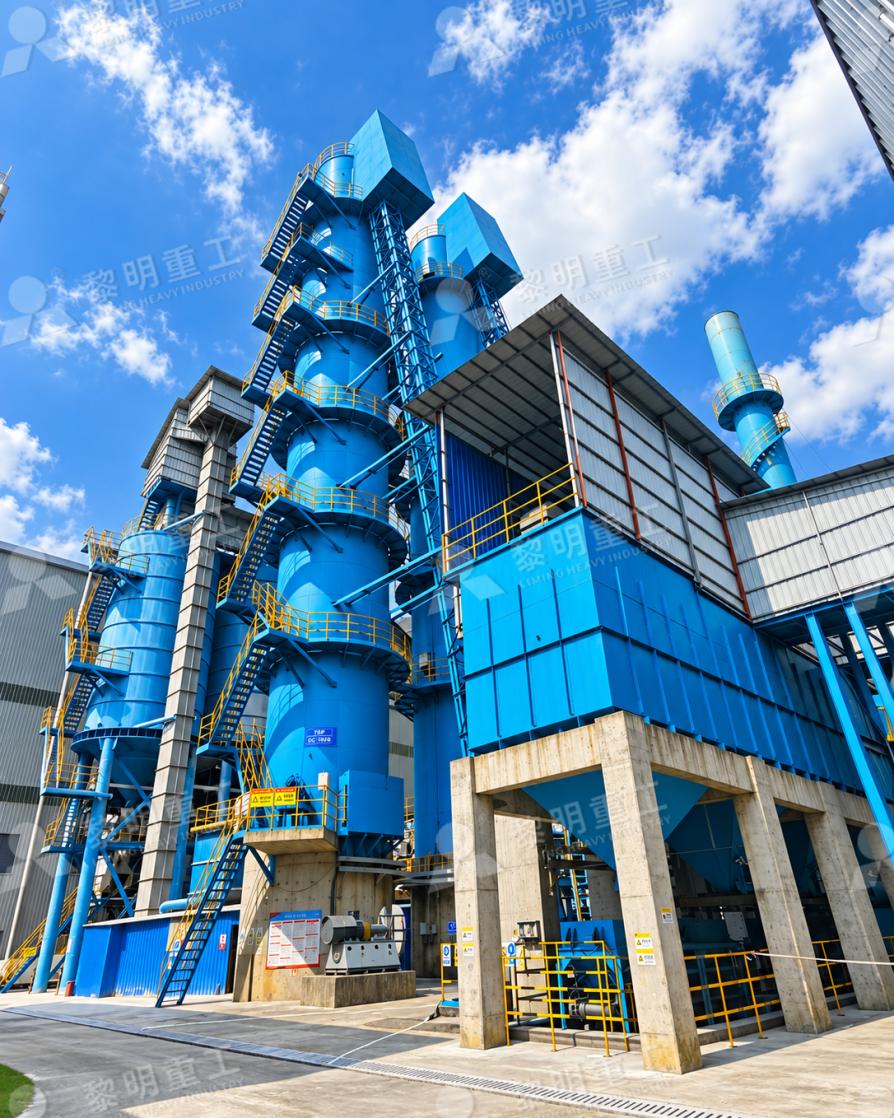
Receive cooled quicklime from an existing lime kiln or an external quicklime supplier. Feed condition, lump size and storage conditions are reviewed before plant configuration.
Reduce oversized quicklime when required and prepare a controlled feed size for stable, continuous operation of the grinding system.
Coordinate controlled feeding and material transfer between receiving, storage, grinding and collection sections.
Process CaO into the target powder range according to downstream application, capacity target and finished-product requirements.
Separate qualified powder from coarse material while recovering product at key collection points for consistent powder output.
Transfer recovered quicklime powder to suitable enclosed storage systems before final dispatch or packaging.
Configure finished-product delivery for bulk loading, valve bags or jumbo bags based on the customer’s handling method.
Engineering Priorities
The line should be designed around the properties of cooled quicklime and the requirements of the final CaO powder product—not simply around a grinding mill.
Quicklime should enter downstream processing after cooling. The feed condition and handling route should be considered before selecting the grinding configuration.
Receiving, feeding, conveying, collection and storage should be coordinated to support orderly material transfer through the complete line.
Grinding and classification should be selected around the required powder grade, particle-size distribution and downstream application.
Dust collection, finished-product storage and bulk or bagged dispatch should be matched to the production capacity and market delivery method.
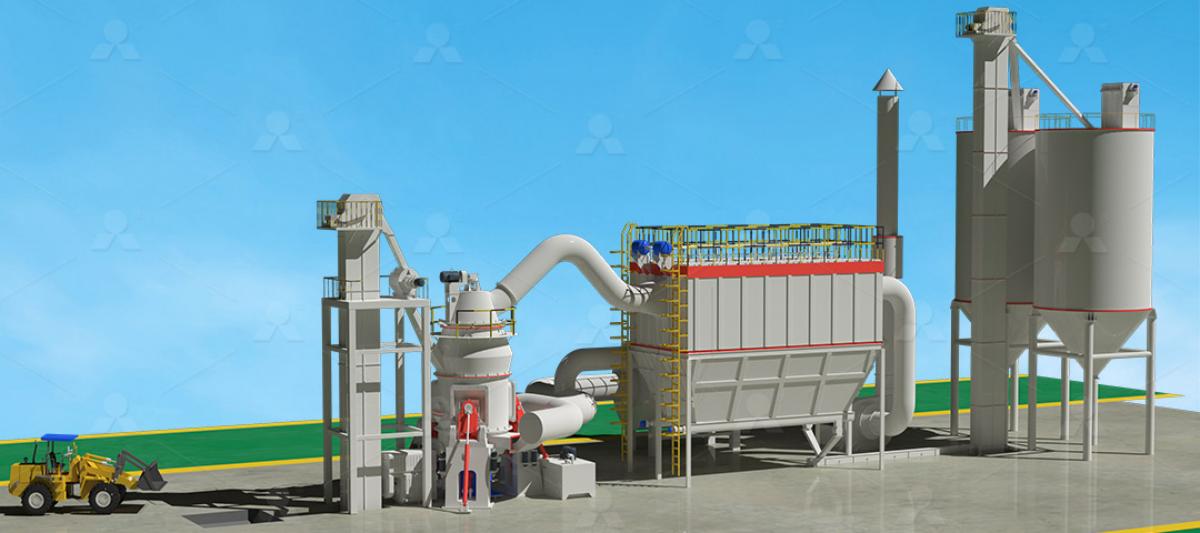
Select Your Production Route
For customers seeking practical CaO powder production with stable feeding, conventional grinding, collection, storage and reliable finished-product delivery.
Recommended direction: R Raymond Mill or MTW European MillFor projects requiring higher throughput, controlled powder quality and integrated grinding, classification, collection and finished-product handling.
Recommended direction: MTW European Mill or LM Vertical MillFor centralized operations that require coordinated receiving, bulk material transfer, integrated powder processing and high-capacity storage systems.
Recommended direction: LM Vertical MillFor applicable projects requiring more refined CaO powder products, controlled classification and dedicated fine-powder processing sections.
Recommended direction: MW Micro Powder Mill or LUM Ultrafine Vertical Mill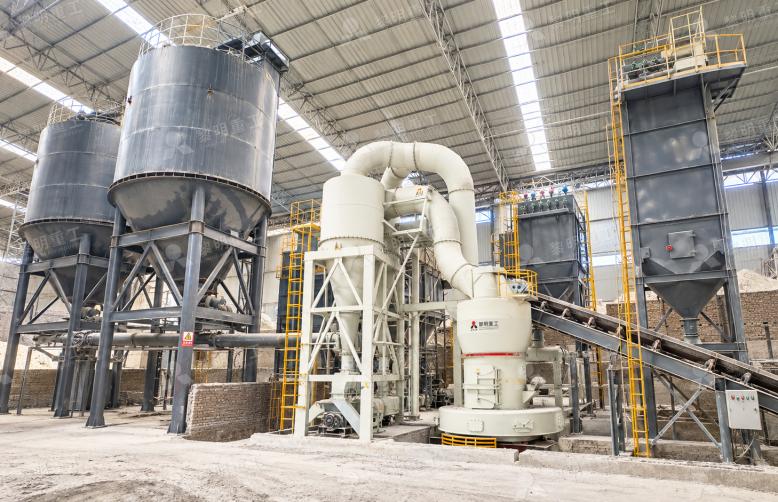 Standard Powder Processing
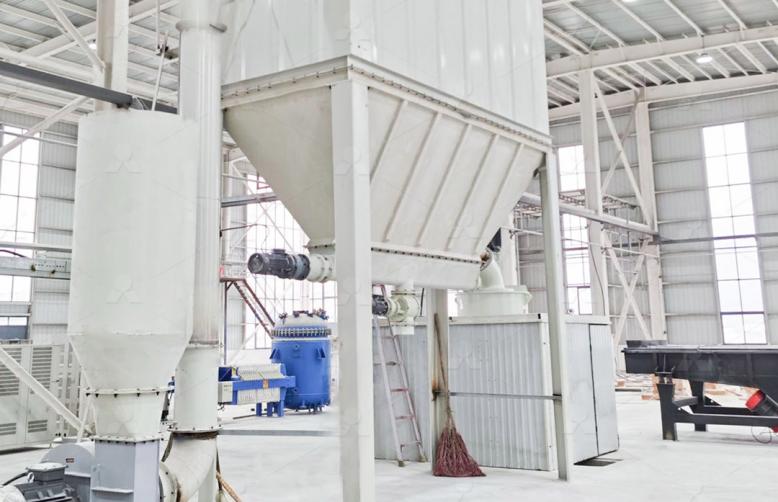 Fine Powder Processing
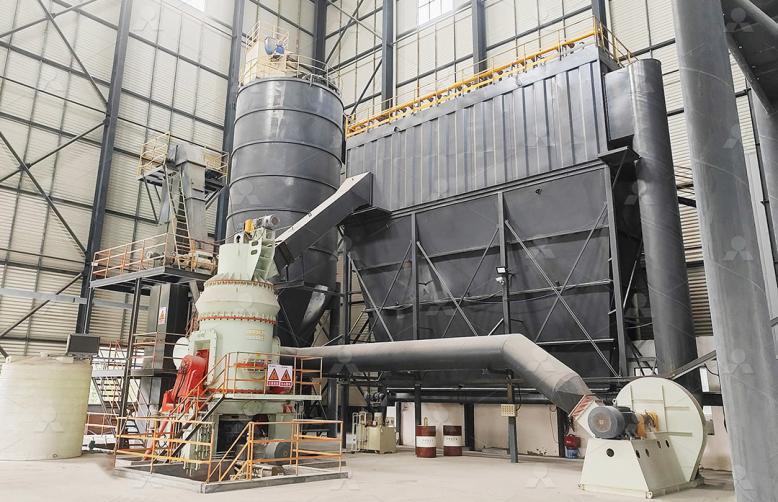 Large-Scale CaO Powder Plant
Equipment by Function
The complete line integrates multiple functional sections. The equipment list is determined by the quicklime source, final powder requirements and delivery method.
Prepare cooled quicklime for stable powder processing, including receiving, size reduction where required, buffer storage and controlled feed to the mill.
Select the main grinding equipment based on capacity, target powder grade, layout conditions and the overall production objective.
Control powder grade, recover product at collection points and coordinate the transfer of qualified powder to the finished-product section.
Configure finished-product storage and dispatch according to bulk delivery, bagging requirements and the customer’s downstream handling method.
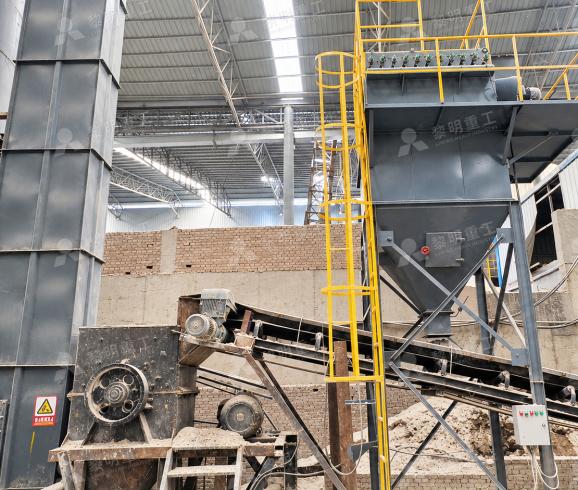 Feed Preparation
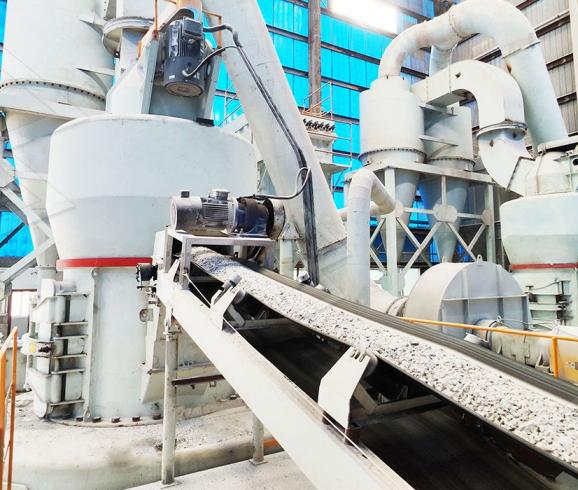 Grinding System
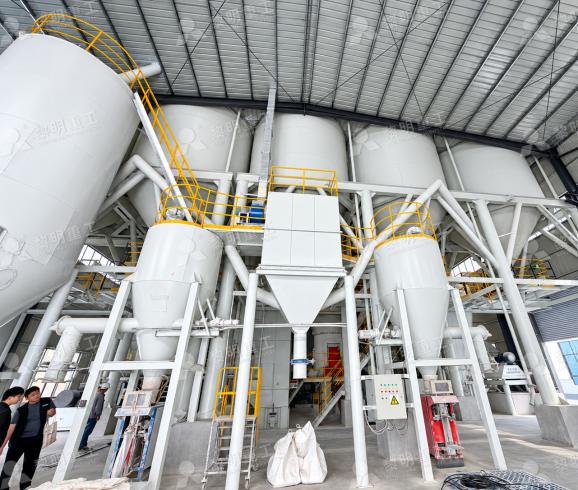 Classification & Collection
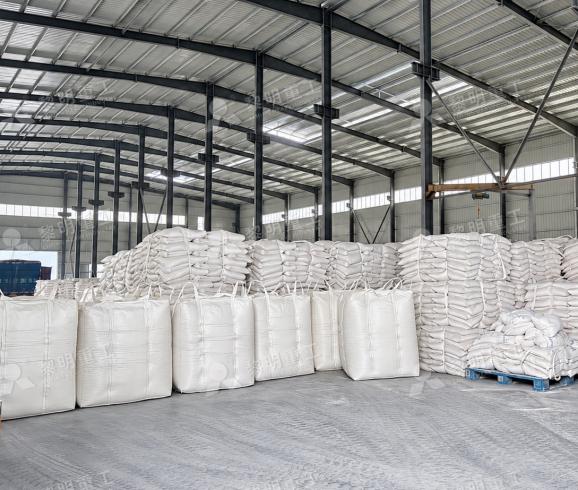 Storage & Packing
Powder Applications
The intended use should be confirmed before the plant is configured, because powder grade, capacity, handling and delivery requirements vary across applications.
For quicklime powder supply in metallurgical operations and industrial material treatment.
For industrial gas-treatment, neutralization and process-material preparation applications.
For application-specific CaO powder used in pH adjustment and treatment processes.
For process-material requirements in chemical and industrial production operations.
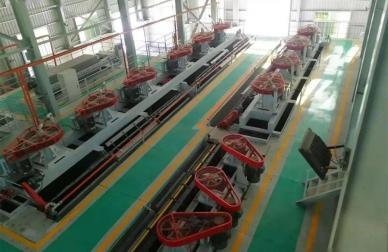
For mineral treatment, pH control and related industrial processing applications.
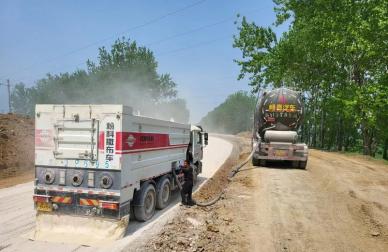
For stabilization, moisture-conditioning and construction-material processing directions.
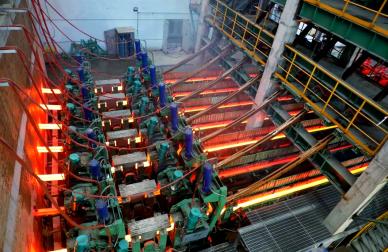 Metallurgy
 Gas Treatment
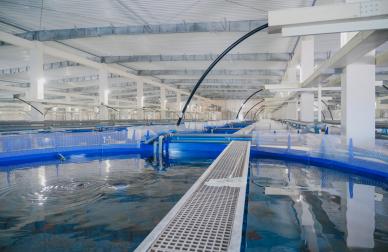 Water Treatment
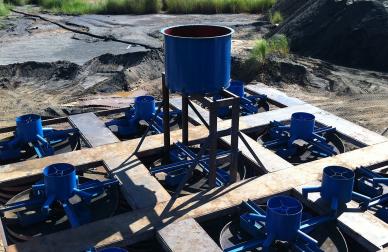 Chemical Processing
 Mineral Processing
 Soil Treatment
Project References
Replace the following representative entries with confirmed public project information, authentic site photos and verified operating data when available.
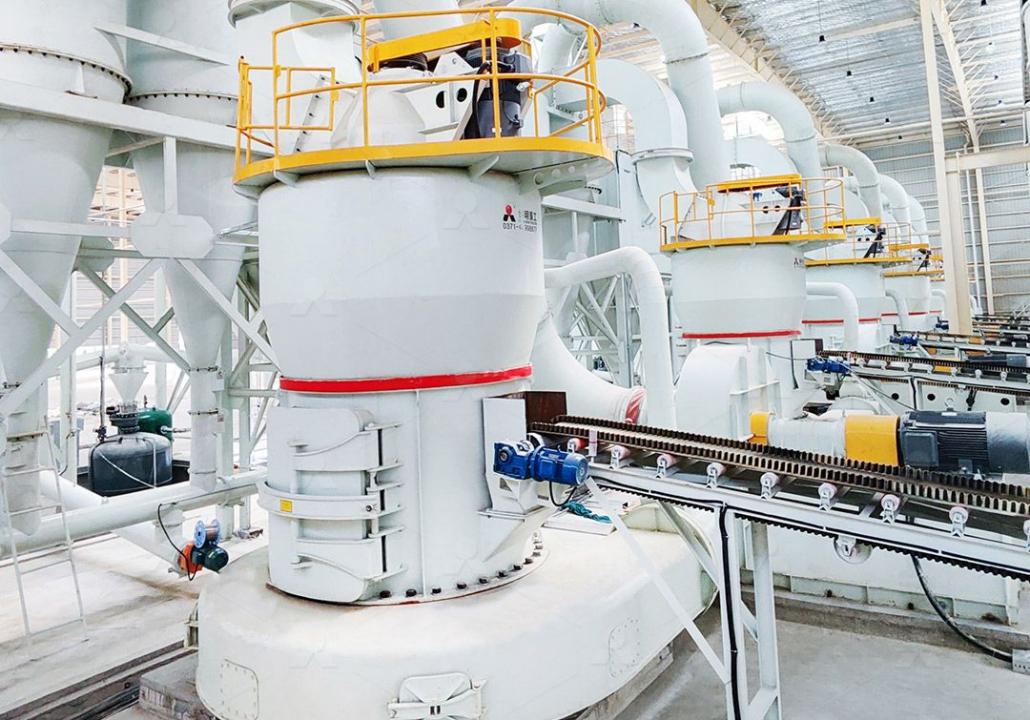 Fine Powder Line
A downstream CaO powder configuration for cooled quicklime, integrating controlled feeding, MTW grinding, powder collection, finished-product silo storage and flexible delivery options.
Representative configuration — replace with verified project data.
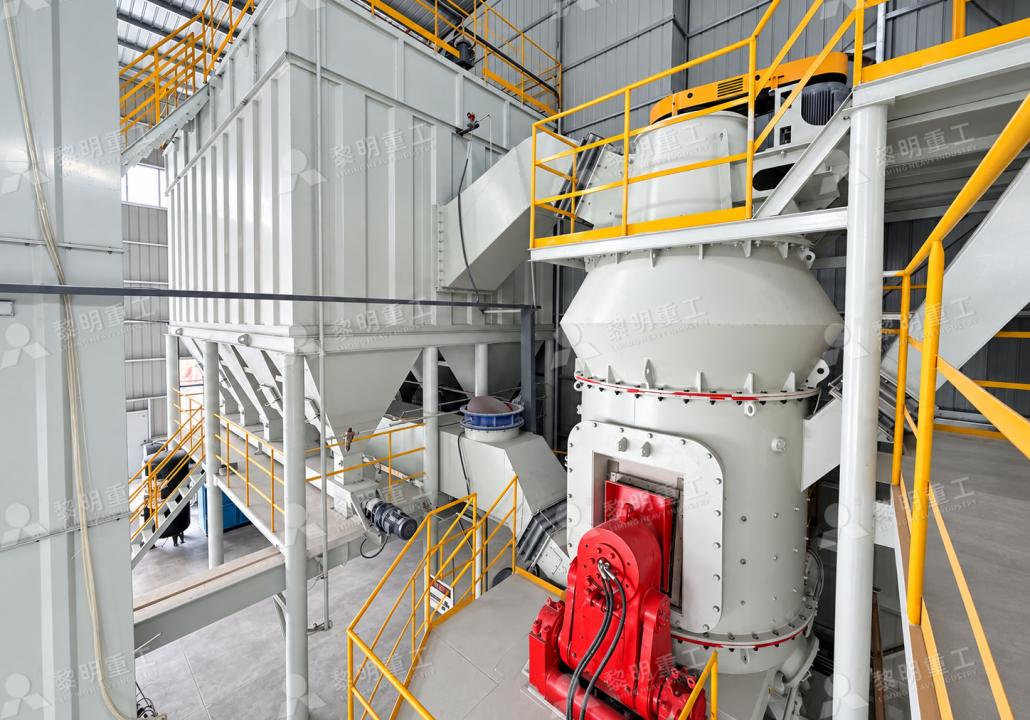 Large Capacity
A centralized powder-processing direction designed for high-throughput quicklime handling, integrated milling, enclosed material transfer, dust collection and bulk finished-product storage.
Representative configuration — replace with verified project data.
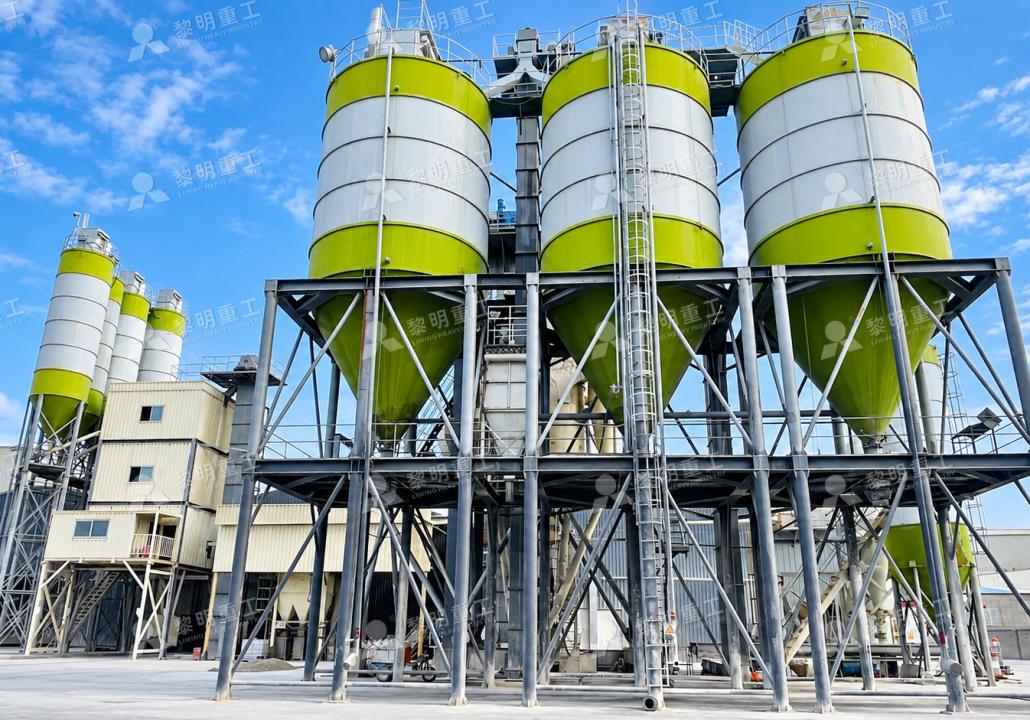 Storage & Dispatch
A finished-product section for CaO powder projects that require coordinated powder collection, enclosed silo storage, bulk loading, valve-bag packing or jumbo-bag delivery.
Representative configuration — replace with verified project data.
Project Information Needed
A suitable quicklime powder line is determined by material source, feed condition, product requirements, capacity, layout and finished-product delivery method.
Technical Articles
FAQ
Start Your Project
Send your quicklime source, feed condition, target powder grade, capacity and delivery method. Our engineers can recommend a suitable configuration for grinding, collection, storage and packing.


