Quicklime Powder Production Line
Quicklime Powder Production Plant Cost: Main Project Factors
2026-09-29 14:25:31
We are Liming Heavy Industry, a manufacturer of various types of industrial crushers, such as Raymond Mill, Trapezoidal Mill, Vertical Mill, Ultrafine Mill, Ball Mill, etc.
Our mills can process the following minerals:
limestone, quicklime, kaolin, talc, barite, bentonite, calcium carbonate, dolomite, coal, gypsum, clay, carbon black, slag, cement raw materials, cement clinker, etc.
If you need a mill to process stone or minerals into powder, please feel free to contact me (WhatsApp: +8615333807511). Thank you.
The cost of a quicklime powder production plant depends on much more than the price of the grinding mill. A complete project may include cooled quicklime receiving, crushing or feed preparation, grinding, classification, powder collection, conveying, storage, electrical equipment, dust control and final loading or packing.
For this reason, two quicklime powder projects with similar production capacities can have noticeably different investment requirements. The practical approach is to define the process and product requirements first, then configure the equipment and supporting systems around them.
What Is Included in a Quicklime Powder Plant?
A typical plant for grinding already-calcined and cooled quicklime may contain the following sections:
Quicklime receiving and storage
Feed-size preparation when required
Controlled feeding
Grinding
Classification
Powder collection
Finished-product conveying
Finished-product storage
Bulk loading or bag packing
Dust collection and auxiliary systems
Electrical control and plant infrastructure
The final equipment configuration depends on the required capacity, feed condition, powder fineness and method of product delivery.
1. Production Capacity
Capacity is one of the first factors affecting project investment. A small quicklime powder line and a large continuous production plant require different equipment sizes, conveying arrangements, storage capacities and supporting systems.
Higher capacity generally means larger or multiple pieces of equipment, greater conveying capacity and a larger material-handling system. However, capacity should not be selected simply according to the maximum possible output of the mill.
The actual requirement should be based on the customer's expected demand and operating schedule. Oversizing the complete plant can increase the initial investment without providing a corresponding benefit.
2. Required Powder Fineness
Quicklime powder can be produced to different fineness specifications depending on the application. The required product size directly affects grinding and classification requirements.
For example, a project requiring a conventional fine powder may have a different configuration from a project requiring a much finer product. A specification such as 200 mesh with a defined passing percentage also needs to be considered when selecting the grinding and classification system.
The fineness requirement should therefore be confirmed before comparing equipment prices. A mill configured for one product specification should not automatically be assumed to be suitable for another.
3. Feed Size and Material Condition
The condition of the quicklime entering the grinding system can influence the required upstream equipment and overall plant layout.
If the cooled quicklime is already within a suitable feed-size range, additional crushing equipment may not be necessary. Larger feed material may require size preparation before entering the grinding mill.
Material temperature and moisture condition are also important. Quicklime should be sufficiently cooled before grinding and should be protected from unnecessary moisture exposure during storage and conveying.
4. Choice of Grinding Mill
The grinding mill is a major part of the equipment investment, but its selection should be based on the complete production requirement rather than price alone.
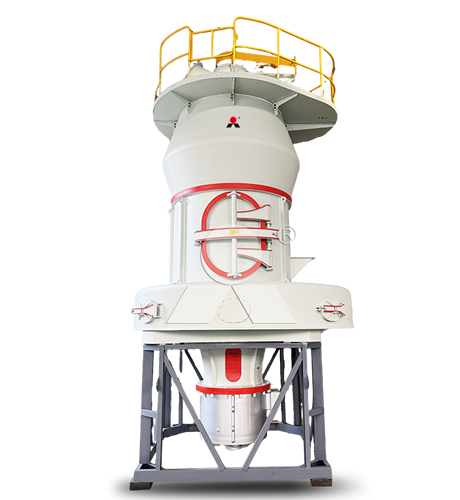
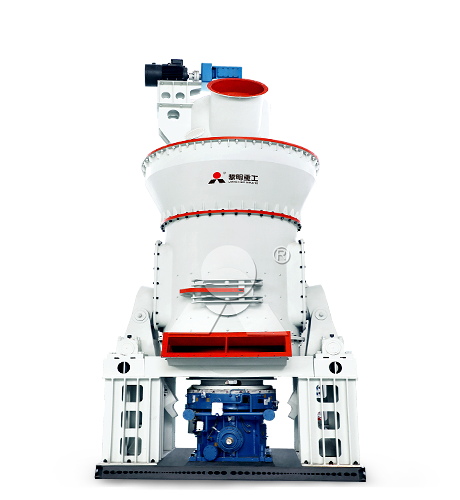
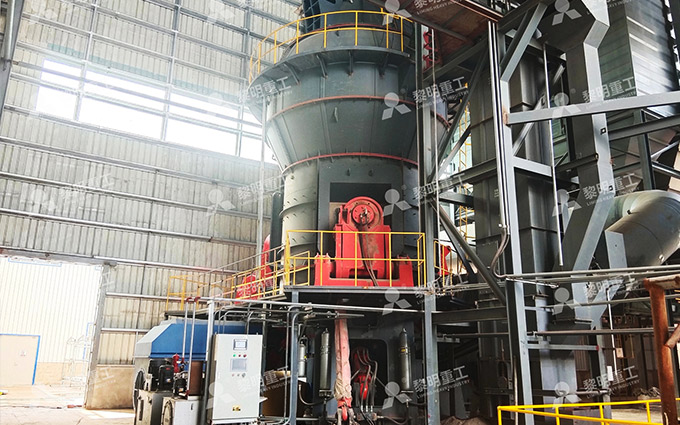
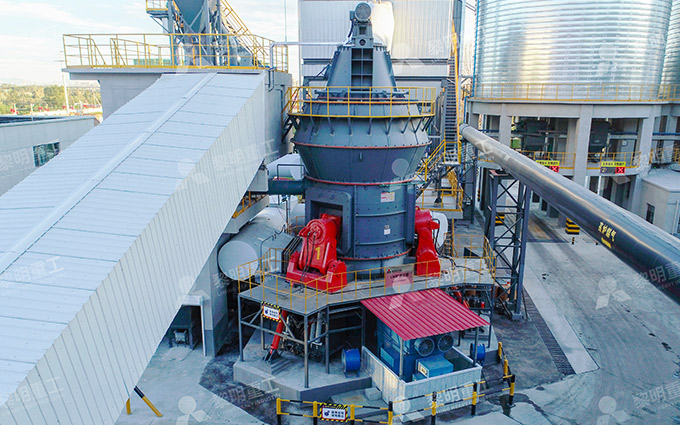
For large-scale quicklime powder production, the Liming Heavy Industry LM Vertical Mill can be configured for continuous grinding and classification. Its integrated process arrangement can help reduce the number of separate process units required around the grinding section.
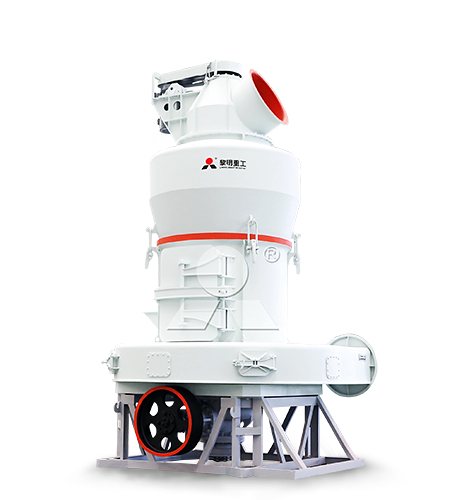
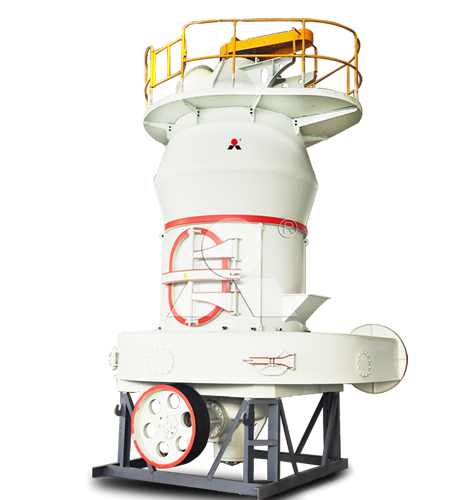
For conventional fine quicklime powder production, the Liming Heavy Industry MTW European Mill can also be used as part of a complete grinding and classification system.
The appropriate model depends on the required capacity, feed size, finished-powder fineness and operating conditions.
5. Classification and Powder Collection
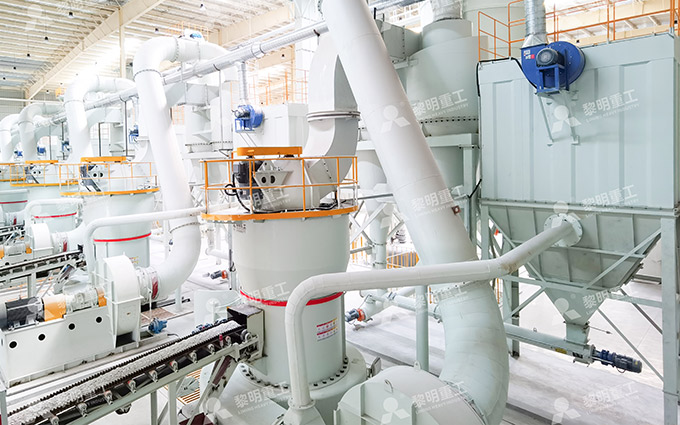
Grinding equipment does not operate independently from the classifier and powder collection system. The required product fineness determines how the classification section should be configured, while the production capacity affects powder collection and conveying requirements.
A plant producing a controlled fine powder needs stable separation between qualified product and material requiring further grinding. The powder collection system must also be capable of handling the process airflow and finished-product load.
These supporting systems should be included when estimating the project cost instead of considering only the main grinding machine.
6. Dust Collection and Enclosed Handling
Quicklime powder is fine and can become airborne during feeding, transfer, grinding, collection, storage and loading. Appropriate dust-control equipment is therefore an important part of the plant.
Enclosed conveyors, sealed transfer points, dust extraction and powder collection equipment can increase the equipment scope, but they are also important for maintaining a controlled production environment and protecting the finished product from unnecessary moisture exposure.
7. Storage and Finished-Product Handling
Finished-product storage capacity should match the production and dispatch plan.
A plant supplying large industrial customers may require finished-product silos and bulk-loading equipment. A plant selling smaller quantities may need bag packing equipment and a suitable finished-bag storage area.
If several powder specifications are produced, separate storage arrangements may also be required to prevent different grades from being mixed.
8. Electrical and Control System
The electrical system is another part of the total project investment. Motors, feeders, fans, classifiers, conveyors, dust collectors and other equipment need to be coordinated through an appropriate control system.
For a continuous grinding plant, centralized control can make it easier to coordinate material feeding, grinding, classification and powder collection. The local power supply and electrical standards at the project site also need to be considered during equipment configuration.
9. Plant Building and Site Conditions
The cost of the equipment package is only one part of the overall project investment. Civil construction and site conditions can have a significant effect on the final budget.
Important site-related factors include:
Available plant area
Existing buildings and foundations
Required equipment height
Raw-material and finished-product storage space
Electrical power availability
Local construction costs
Material transportation and installation conditions
A project using an existing suitable building may have a different civil scope from a completely new plant built on an undeveloped site.
10. Installation, Transportation and Local Costs
Equipment prices do not necessarily represent the complete installed project cost. International projects may also involve ocean freight, inland transportation, customs-related costs, installation, commissioning and local construction work.
These costs vary significantly according to the project location and should be evaluated separately when preparing a complete investment budget.
Why a Capacity-Only Price Is Not Enough
It is difficult to determine a meaningful quicklime powder plant cost from capacity alone.
For example, a 20 t/h project could have very different requirements depending on whether the customer needs a conventional fine powder or a tighter particle-size specification, whether the feed is already properly sized, whether finished powder is loaded in bulk or packed in bags, and how much storage capacity is required.
A useful project budget therefore starts with a complete set of technical requirements rather than a single capacity figure.
Information Needed for a Preliminary Plant Configuration
Before requesting a detailed equipment proposal, it is useful to prepare the following information:
| Project Item | Information to Confirm |
|---|---|
| Material | Quicklime / calcium oxide and material characteristics |
| Capacity | Required production in tonnes per hour |
| Feed size | Maximum size of cooled quicklime entering the grinding system |
| Fineness | Required finished-powder specification |
| Application | FGD, metallurgy, chemical processing, treatment or another application |
| Product handling | Bulk loading, bag packing or both |
| Storage | Required raw-material and finished-product storage capacity |
| Site | Country, available space and basic power conditions |
How to Control the Investment Without Sacrificing the Process
Cost control does not simply mean choosing the lowest-priced mill. A more practical approach is to avoid unnecessary equipment while maintaining the process requirements that directly affect product quality and plant reliability.
For example, if the cooled quicklime already has a suitable feed size, unnecessary crushing equipment may be avoided. If the customer requires only one finished specification, excessive storage and conveying arrangements may not be necessary. At the same time, dust collection, moisture protection and appropriate classification should not be removed simply to reduce the initial equipment cost.
A Practical Way to Estimate the Project Scope
The project can be evaluated in several layers:
Define the product: Confirm the required quicklime powder fineness and application.
Define production: Confirm the required hourly and daily output.
Check the feed: Confirm feed size, temperature and material condition.
Select the grinding system: Choose the appropriate Liming Heavy Industry mill and configuration.
Configure supporting equipment: Include classification, collection, conveying and dust-control systems.
Plan storage and dispatch: Select the appropriate silo, bulk-loading or packing arrangement.
Evaluate site costs: Add civil construction, installation, transportation and local project expenses.
Get the Cost from the Complete Process Requirement
The investment for a quicklime powder production plant is determined by the complete process configuration, not by the grinding mill alone. Capacity, powder fineness, feed size, material condition, storage, dust collection, finished-product handling and site conditions all contribute to the final project scope.
For projects requiring a large-scale continuous grinding system, Liming Heavy Industry can configure an LM Vertical Mill or an MTW European Mill according to the required quicklime powder specifications and production capacity. Once the material, capacity, feed size, fineness, application and product-handling requirements are confirmed, the equipment configuration and corresponding project scope can be determined more accurately.