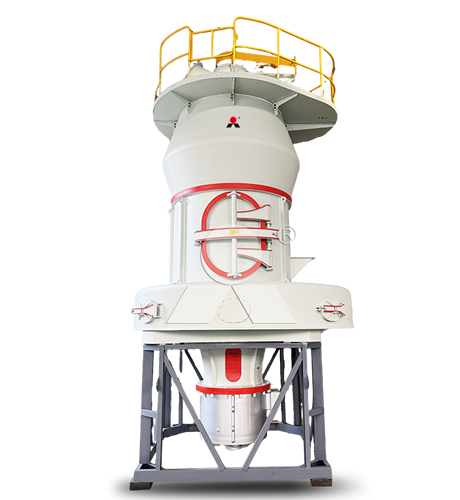
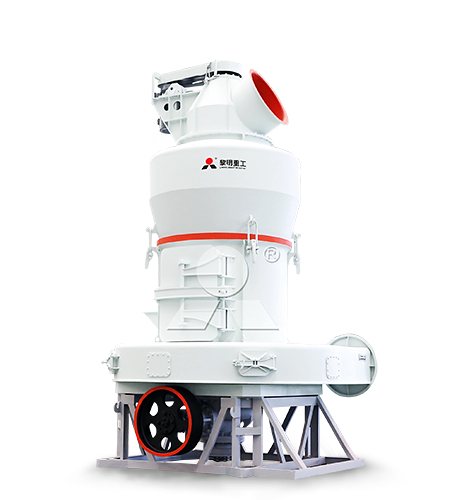
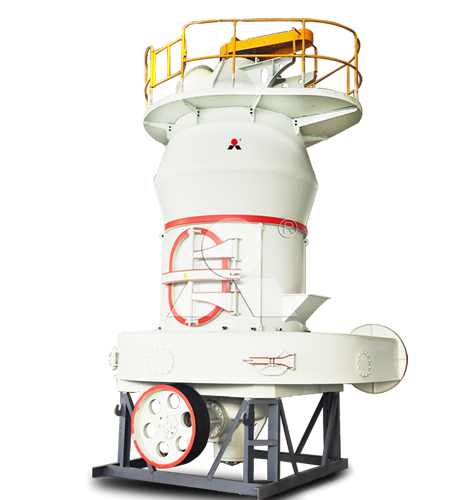
Quicklime Powder Production Line
Dust Collection and Enclosed Handling in Quicklime Powder Production
2026-09-29 14:24:23
We are Liming Heavy Industry, a manufacturer of various types of industrial crushers, such as Raymond Mill, Trapezoidal Mill, Vertical Mill, Ultrafine Mill, Ball Mill, etc.
Our mills can process the following minerals:
limestone, quicklime, kaolin, talc, barite, bentonite, calcium carbonate, dolomite, coal, gypsum, clay, carbon black, slag, cement raw materials, cement clinker, etc.
If you need a mill to process stone or minerals into powder, please feel free to contact me (WhatsApp: +8615333807511). Thank you.
Dust control is an important part of quicklime powder production. From receiving and feeding cooled quicklime to grinding, classification, powder collection and final storage, material transfer can generate dust if the system is not properly enclosed.
Quicklime also reacts with moisture, so an effective handling system needs to address two requirements at the same time: controlling dust and limiting unnecessary exposure to water and humid air. For continuous powder production, these considerations should be incorporated into the plant layout from the beginning.
Where Dust Can Be Generated
Quicklime dust can occur at several points throughout a powder production plant. Typical areas include:
Quicklime receiving and unloading
Crusher or feed-size preparation section
Storage hopper and feeder
Material transfer points
Grinding mill
Classifier and powder conveying system
Finished-product collection
Finished powder storage and loading
Dust generation is not limited to the grinding mill. A plant with an efficient mill can still experience significant dust problems if the upstream and downstream material-handling sections are poorly enclosed.
Why Enclosed Quicklime Handling Is Important
Enclosed conveying and transfer equipment helps keep quicklime within the material-handling system during transportation. It can reduce dust escaping from transfer points and provide more controlled conditions for continuous operation.
Enclosed handling is also useful for protecting quicklime from moisture. Open storage or exposed conveying routes can increase contact with humid air, rain or other sources of water. Since quicklime reacts with water, the material should be kept as dry as practical throughout storage and transfer.
For this reason, quicklime powder plants commonly use enclosed hoppers, conveyors, chutes, silos and product-transfer systems.
Dust Collection at the Grinding Section
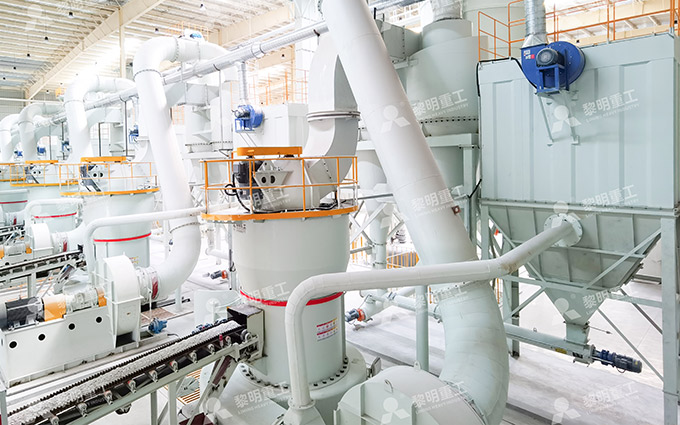
Grinding and classification produce a fine powder that needs to be separated from the process airflow. A properly designed powder collection system captures the finished quicklime powder and transfers it to the product storage section.
The collection system should be matched to the grinding mill, airflow and required production capacity. It should also be designed to maintain suitable negative pressure at relevant dust-generating points.
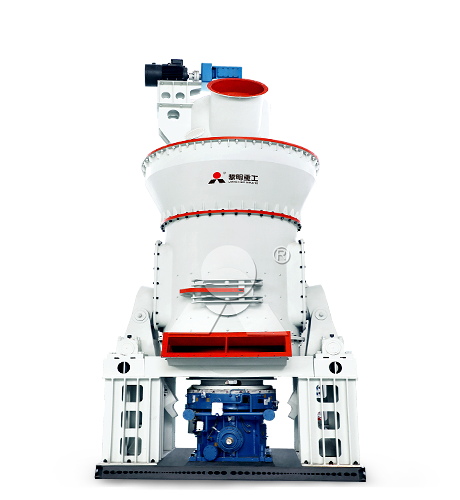
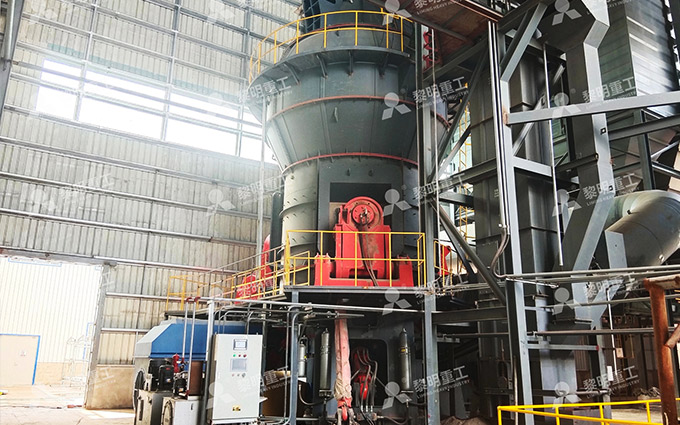
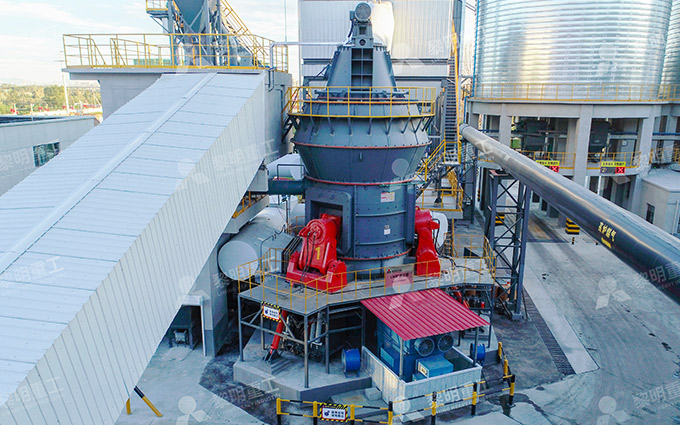
For a large-scale quicklime grinding plant, the Liming Heavy Industry LM Vertical Mill can be integrated with a dedicated powder collection and conveying system. This allows grinding, classification and collection to operate as part of a coordinated production line.
Dust Control at Material Transfer Points
Transfer points are often overlooked when designing a powder plant. Whenever quicklime moves from one conveyor or piece of equipment to another, material can become airborne.
Enclosed chutes and properly sealed connections can reduce this problem. Where necessary, local dust extraction can be connected to the dust collection system to capture airborne particles close to the source.
Reducing the number of unnecessary transfer points can also simplify the material-handling system and reduce potential locations for dust leakage.
Quicklime Storage and Dust Protection
Both raw quicklime and finished CaO powder benefit from enclosed storage. Storage silos or suitable enclosed bins can protect the material from external moisture while providing a buffer between different sections of the production line.
During silo filling, air displaced from the storage vessel may contain fine particles. A suitable dust collection arrangement at the silo vent can help control this displaced air and reduce dust emissions around the storage area.
The finished powder should also be handled through enclosed conveying equipment before bulk loading or bag packing.
Dust Collection During Bag Packing
Bag filling can generate dust as finished quicklime powder enters the packaging container. The packing station should therefore be designed with suitable enclosure and local dust extraction.
For bulk loading, the loading connection should be properly matched to the receiving vehicle or container. Enclosed loading equipment can help minimize powder loss and keep the transfer process cleaner.
Moisture Protection and Quicklime Quality
Dust control should not be achieved by introducing water into the quicklime handling system. Wet suppression is generally unsuitable where maintaining dry CaO powder is essential because quicklime reacts with water.
Instead, enclosed material handling, controlled airflow and appropriate dry dust collection provide a more suitable approach for quicklime powder plants.
This distinction is important when designing a quicklime facility. The objective is not only to reduce visible dust but also to maintain the physical and chemical condition of the product.
A Typical Enclosed Quicklime Powder System
A practical arrangement can follow this sequence:
Cooled Quicklime Receiving → Enclosed Storage → Controlled Feeding → Grinding → Classification → Powder Collection → Enclosed Finished-Product Conveying → Storage → Bulk Loading or Packing
Dust extraction can be provided at appropriate points throughout the system, particularly around receiving, transfer, grinding, collection, storage and final product handling.
Dust Collection Should Be Designed with the Mill
The dust collection system should not be selected independently from the grinding equipment. Mill capacity, airflow, product fineness and material characteristics all affect the requirements of the collection system.
When an LM Vertical Mill is used for quicklime grinding, the mill, classifier, conveying airflow and powder collection equipment should be configured as one operating system. This helps maintain stable material circulation and efficient recovery of qualified powder.
For different production capacities and powder specifications, the supporting dust collection and conveying equipment may need to be adjusted accordingly.
Key Points for Quicklime Powder Handling
Keep the system enclosed: Reduce open transfer points wherever practical.
Protect the material from moisture: Use enclosed storage and conveying systems.
Control dust at the source: Provide local extraction where dust is generated.
Match collection equipment to the mill: Consider grinding capacity and airflow together.
Protect finished powder: Keep collected CaO powder enclosed until loading or packing.
Maintain stable material flow: Coordinate feeding, grinding, collection and conveying equipment.
Building a Cleaner Quicklime Powder Plant
Effective dust collection and enclosed handling are part of the overall process design rather than separate additions to the grinding plant. Receiving, feeding, grinding, classification, collection and finished-product delivery should be planned as a connected system.
For large-scale quicklime powder production, the Liming Heavy Industry LM Vertical Mill can be integrated with enclosed feeding, conveying, powder collection and storage equipment. A properly matched system helps control dust, protect the quicklime from unnecessary moisture and maintain stable finished-powder handling throughout the production process.