Quicklime Powder Production Line
Quicklime Feeding and Conveying: Key Considerations for Powder Plants
2026-09-29 14:21:22
We are Liming Heavy Industry, a manufacturer of various types of industrial crushers, such as Raymond Mill, Trapezoidal Mill, Vertical Mill, Ultrafine Mill, Ball Mill, etc.
Our mills can process the following minerals:
limestone, quicklime, kaolin, talc, barite, bentonite, calcium carbonate, dolomite, coal, gypsum, clay, carbon black, slag, cement raw materials, cement clinker, etc.
If you need a mill to process stone or minerals into powder, please feel free to contact me (WhatsApp: +8615333807511). Thank you.
Feeding and conveying are essential parts of a quicklime powder production plant. After quicklime has been calcined and cooled, it needs to be transferred from storage to the grinding system at a controlled and consistent rate. After grinding, the finished CaO powder must also be conveyed to collection, storage and final delivery sections.
Because quicklime is sensitive to moisture and can generate dust during handling, the design of the feeding and conveying system should be considered together with grinding, powder collection and storage.
Start with the Condition of the Quicklime
Before selecting feeding and conveying equipment, the condition of the cooled quicklime should be established. Important factors include lump size, bulk density, temperature, moisture condition and the required feed rate to the grinding mill.
Quicklime arriving from a lime kiln may have a wide range of lump sizes. If oversized material exceeds the acceptable feed size of the grinding mill, a crushing or size-preparation stage may be required before storage or feeding.
The feeding system should then be designed around the actual material condition rather than assuming that all quicklime has the same flow characteristics.
Controlled Feeding Is Important for Stable Grinding
A grinding mill performs best when the material supply is reasonably consistent. Too little feed can reduce production, while excessive or unstable feeding can affect mill loading and operating conditions.
For this reason, the feed system should provide controlled and continuous material delivery from the storage hopper to the grinding mill. The feeder capacity should be matched to the required finished powder production and the operating characteristics of the selected mill.
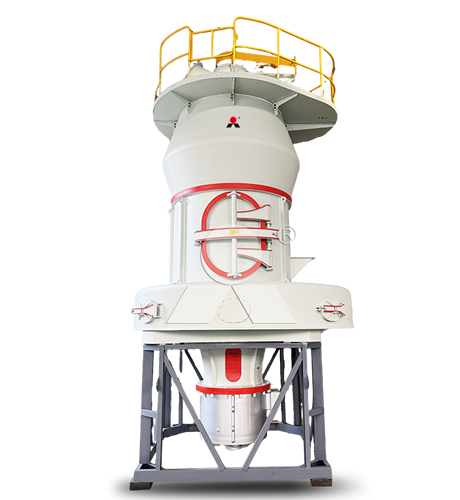
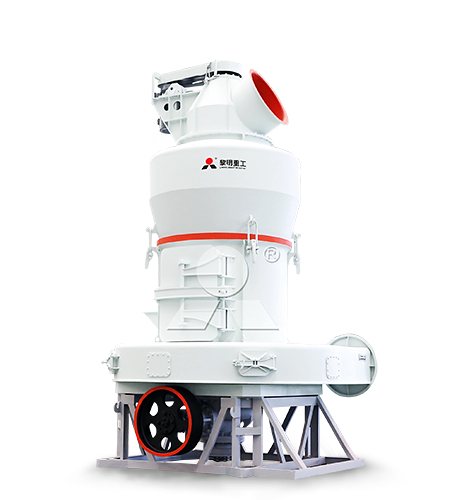
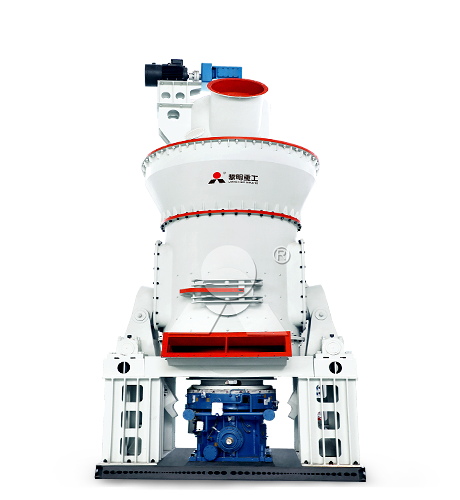
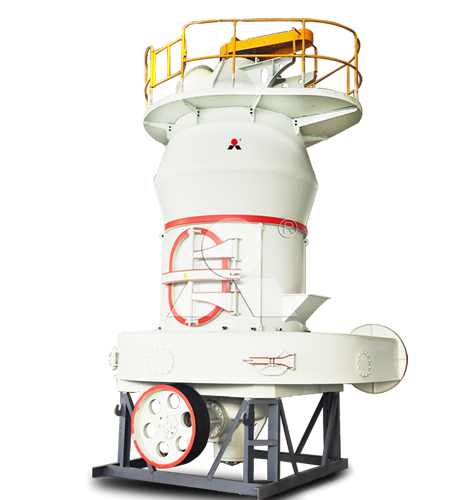
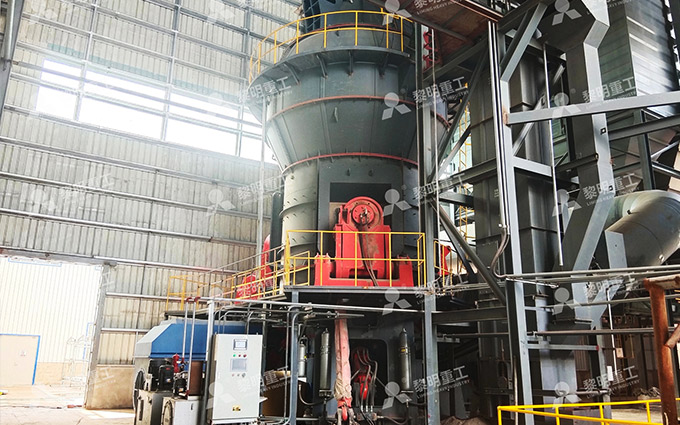
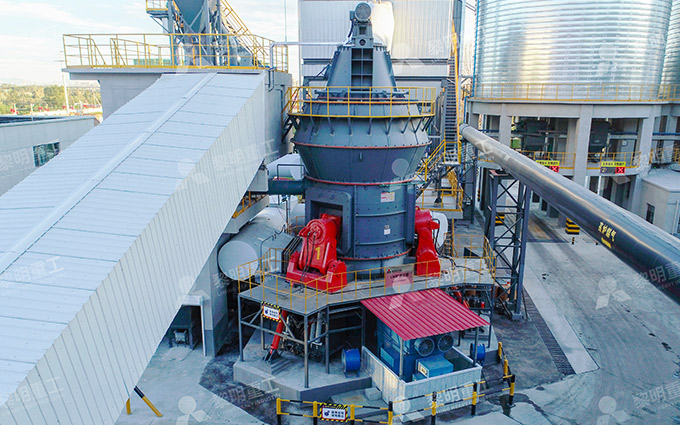
For large-scale quicklime grinding, the Liming Heavy Industry LM Vertical Mill can be integrated with a controlled feeding system to provide a continuous supply of cooled quicklime to the grinding section.
Storage and Feeding Should Work Together
The storage hopper or silo serves as a buffer between quicklime receiving and the grinding plant. It allows the upstream material supply and downstream grinding operation to operate more independently.
A suitable storage and feeding arrangement should provide reliable material discharge without creating excessive fluctuations in feed rate. The hopper outlet, feeder and conveying equipment should therefore be considered as one system.
For continuous plants, sufficient storage capacity can also help maintain grinding operation when there are short interruptions in upstream quicklime supply.
Protect Quicklime from Moisture
Moisture control is one of the most important considerations in quicklime handling. Calcium oxide reacts with water, so unnecessary exposure to rain, water and humid air should be avoided.
Enclosed hoppers, conveyors and transfer points can help reduce exposure to the surrounding environment. Storage areas should also be designed to prevent water ingress.
This becomes increasingly important after grinding because fine quicklime powder has a large surface area and can interact with moisture more readily than larger lumps.
Choose Conveying Equipment According to the Material Flow
The conveying method depends on where the material is being transferred and what form it is in.
Coarse cooled quicklime may be transferred from the receiving area to storage or from storage to the grinding feed section using suitable mechanical conveying equipment. After grinding, fine CaO powder can be transported through pneumatic or other enclosed conveying systems depending on the plant layout and process requirements.
The conveying system should provide sufficient capacity without creating unnecessary material transfer points. Shorter and well-organized conveying routes can also simplify maintenance and reduce potential dust leakage.
Minimize Dust at Transfer Points
Quicklime can generate dust when it is discharged, conveyed or transferred between pieces of equipment. Poorly designed transfer points can therefore affect the working environment and increase material loss.
Enclosed transfer chutes, appropriate sealing and connection to the plant's dust collection system can help control dust during material movement.
The grinding plant should be considered as a complete system rather than treating dust control as an issue limited to the mill itself. Receiving, feeding, grinding, classification, collection and finished-product handling all need appropriate dust-control measures.
Feeding Quicklime to an LM Vertical Mill
When an LM Vertical Mill is selected for quicklime powder production, the feeding system should be matched to the mill's required material feed conditions and production capacity.
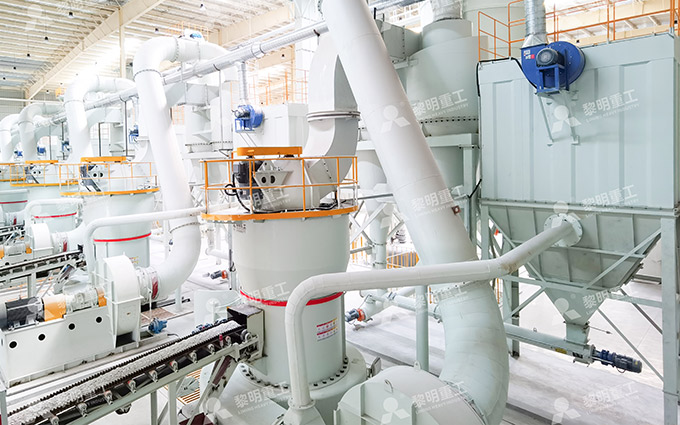
The general arrangement can include cooled quicklime storage, controlled feeding, a suitable feed-size preparation section when required, and enclosed conveying to the mill. After grinding and classification, the finished powder is collected and transferred to storage.
This integrated arrangement helps maintain a stable material flow from the receiving section through the grinding system.
What Should Be Checked Before Designing the Feeding System?
Quicklime temperature: Confirm that the material has been sufficiently cooled before conveying and grinding.
Feed size: Check the maximum lump size and determine whether pre-crushing is required.
Material flow: Evaluate how easily the quicklime moves through the hopper and feeder.
Required capacity: Match the feeder and conveyor capacity with the required finished powder output.
Moisture protection: Keep quicklime away from unnecessary water and humid air.
Dust control: Enclose transfer points and connect suitable sections to dust collection equipment.
Plant layout: Keep conveying routes practical and provide access for inspection and maintenance.
From Quicklime Storage to Finished Powder
A well-designed quicklime powder plant should maintain a controlled material flow throughout the entire process:
Cooled Quicklime → Storage → Controlled Feeding → Grinding → Classification → Powder Collection → Finished Product Storage
Each stage depends on the previous one. An unstable feed can affect grinding, poor conveying can interrupt production, and inadequate moisture protection can affect quicklime quality.
Building a Stable Quicklime Powder Handling System
Quicklime feeding and conveying may appear to be simple material-handling operations, but they have a direct influence on the reliability of the grinding plant. The material condition, feed rate, moisture protection, dust control and plant layout all need to be considered together.
For large-scale quicklime powder production, the Liming Heavy Industry LM Vertical Mill can be integrated with suitable feeding, conveying, classification, dust collection and storage equipment to form a continuous grinding system. The final arrangement should be based on the actual quicklime characteristics, capacity and finished-product requirements.