FAQ
What Equipment Is Used to Grind Feldspar for Ceramic Production?
2026-07-24 14:13:27
Summary:
A complete ceramic feldspar grinding line also requires crushing equipment, magnetic separation, classification, dust collection or slurry handling, and storage equipment; the exact arrangement depends on whether the ceramic plant uses dry powder batching or wet-milled body and glaze slurry.
Details:
For ceramic production, feldspar is most commonly ground in a ball mill, usually with alumina lining and alumina grinding media when iron contamination must be minimized. A complete ceramic feldspar grinding line also requires crushing equipment, magnetic separation, classification, dust collection or slurry handling, and storage equipment; the exact arrangement depends on whether the ceramic plant uses dry powder batching or wet-milled body and glaze slurry.
_1767930326613.jpg)
Ball Mills Are the Standard Choice
A ball mill is the standard grinding machine for ceramic feldspar because it can produce a controlled fine powder while avoiding excessive iron pickup when the shell, liners, and media are properly specified. For white ceramic bodies, sanitaryware, porcelain, tiles, and glaze formulations, alumina-lined ball mills with high-alumina balls are commonly selected instead of ordinary steel-lined mills.
Feldspar acts as a flux in ceramic bodies and glazes, so its particle size distribution affects firing behavior, melt formation, shrinkage, surface quality, and mechanical strength. Ceramic plants therefore normally specify product fineness by residue on a control sieve, D50, D97, or slurry residue rather than by average mesh size alone.
Wet or Dry Grinding
Wet ball milling is generally preferred for ceramic body and glaze production because it produces a homogeneous slurry and integrates naturally with subsequent mixing, sieving, and spray drying. Dry grinding is more suitable when the plant supplies feldspar powder to multiple customers, produces dry-mixed ceramic formulations, or needs to avoid the water handling and thermal energy required for slurry drying.
| Grinding Method | Typical Equipment | Best Application | Main Engineering Consideration |
|---|---|---|---|
| Wet grinding | Alumina-lined ball mill, slurry tank, vibrating sieve, magnetic separator | Tiles, sanitaryware, tableware, porcelain bodies, ceramic glaze | Requires slurry density control and usually spray drying downstream |
| Dry grinding | Crusher, dryer if needed, ball mill or vertical roller mill, air classifier, bag filter | Dry feldspar powder supply, dry-mix ceramic formulations | Requires efficient dust control and reliable air classification |
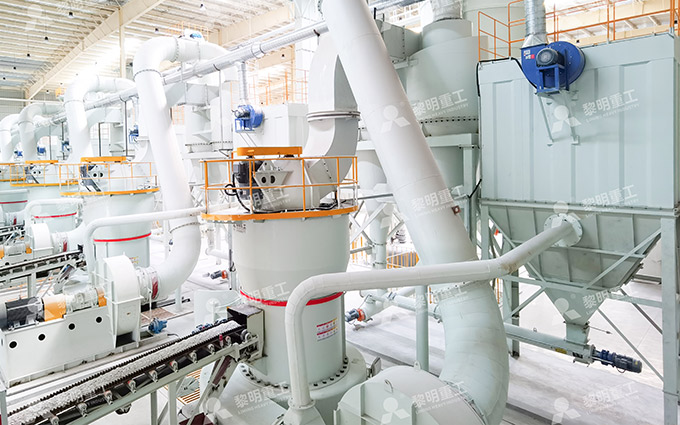
| Ultrafine grinding | Stirred mill, LUM Ultrafine Vertical Roller Mill, MW Micro Powder Mill | Special glaze, engobe, technical ceramics, very fine feldspar products | Higher energy use and tighter control of contamination are required |
Typical Wet Feldspar Grinding Line
A wet ceramic feldspar grinding line normally follows this sequence: raw ore receiving → crushing → washing or screening where necessary → magnetic separation → wet ball milling → slurry screening → fine magnetic separation → slurry storage → batching or spray drying. This route is preferred where feldspar is blended directly with clay, quartz, kaolin, pigments, or other ceramic raw materials before forming.
Crushing Equipment
Feldspar ore must be crushed before entering the ball mill, typically from quarry lumps of 200–500 mm down to below 10–25 mm. A jaw crusher is normally used for primary crushing, followed by a hammer crusher, impact crusher, or cone crusher depending on feed hardness, moisture, and required mill feed size.
Consistent crusher discharge size matters because large oversize particles reduce milling efficiency and can increase grinding time. For ceramic production, it is also important to prevent steel contamination from worn crusher liners and to remove tramp iron before fine grinding.
Magnetic Separation Equipment
Magnetic separation is essential when ceramic feldspar must meet low-iron requirements, particularly for white bodies, transparent glazes, sanitaryware, and porcelain. Feldspar deposits often contain iron-bearing minerals, mica, stained particles, or metallic contamination introduced during mining and crushing.
Dry magnetic separators can be installed after crushing for coarse iron removal, while high-intensity wet magnetic separators are commonly used after wet grinding to reduce fine iron-bearing impurities. The required iron limit is project-specific and should be determined from the fired color requirement, glaze formulation, and ceramic product standard rather than from the ore grade alone.
Wet Ball Mill
The wet ball mill performs the main size-reduction duty by rotating a charge of feldspar slurry and grinding media. In a ceramic-grade system, high-alumina lining and grinding balls are preferred because ordinary steel balls can raise Fe2O3 content and create firing discoloration, especially in light-colored ceramic products.
Typical ball-mill feed is below 10–25 mm, while the final slurry may be controlled to a residue corresponding to approximately 200–325 mesh, depending on the ceramic body or glaze formulation. Milling time, ball charge, slurry solids concentration, and media size distribution must be adjusted together; simply extending grinding time can increase energy consumption without improving the useful particle size distribution.
Typical Dry Feldspar Grinding Line
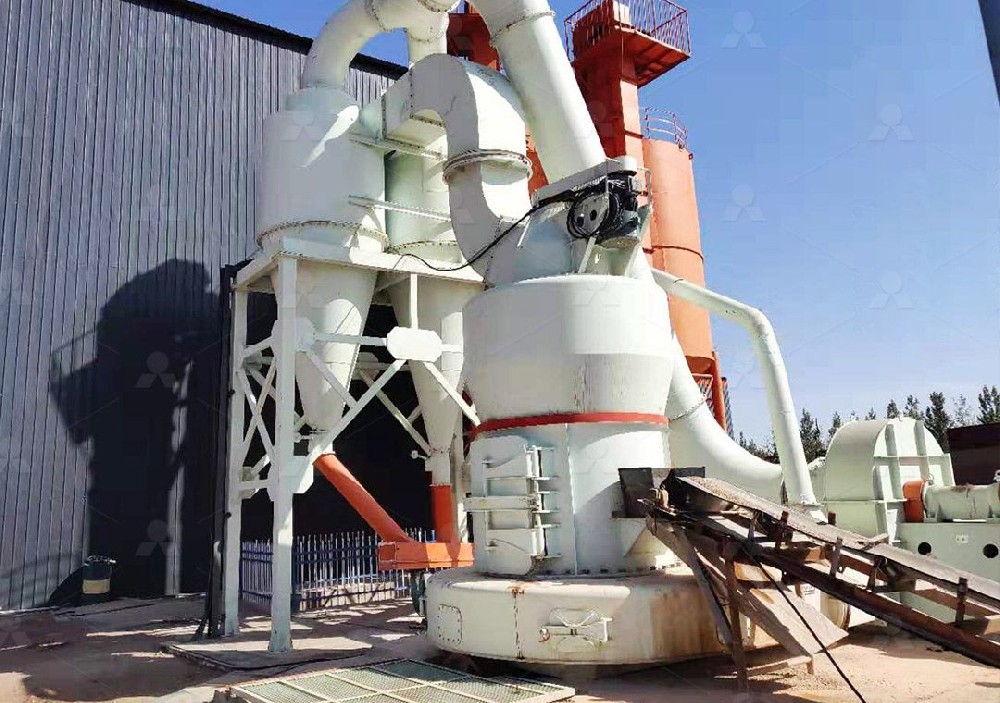
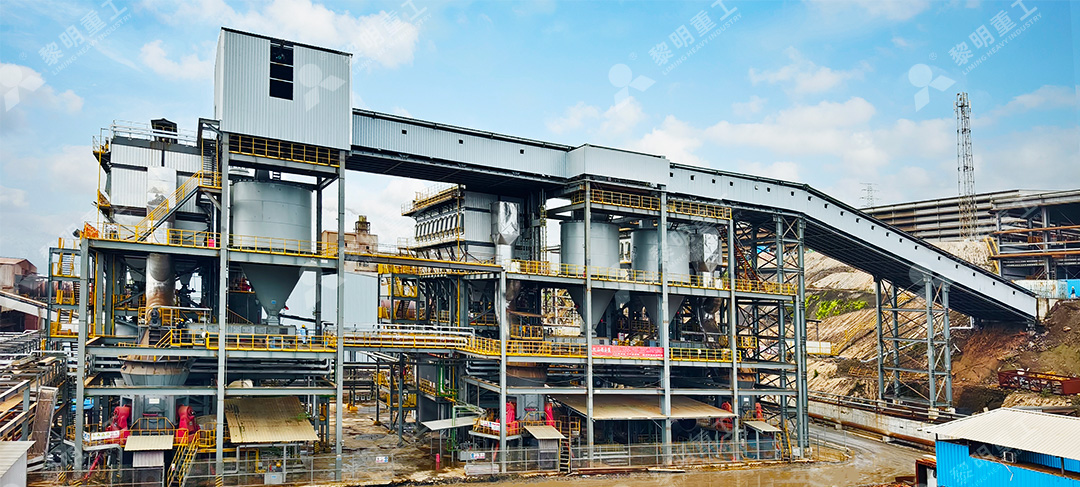
A dry feldspar powder line usually includes a crusher, storage bin, feeder, industrial grinding mill, air classifier, cyclone collector, bag filter, conveying equipment, and finished-product silo. This arrangement is suitable for ceramic raw-material suppliers that ship dry feldspar powder or for plants that batch dry powders before further processing.
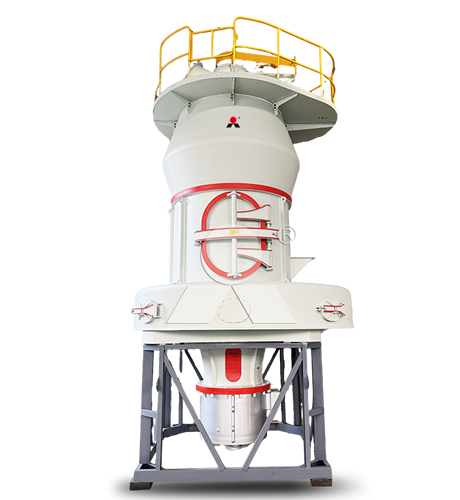
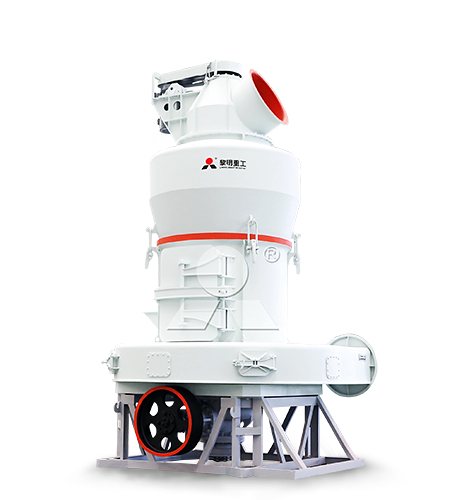
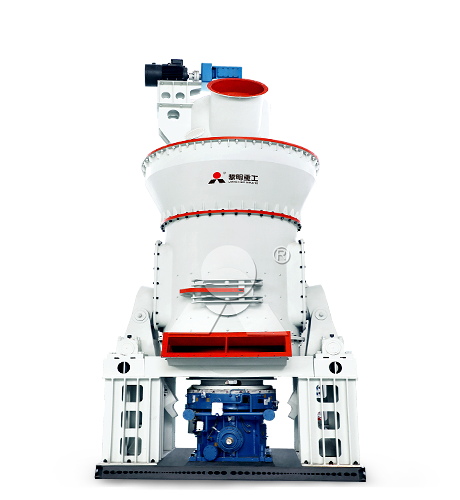
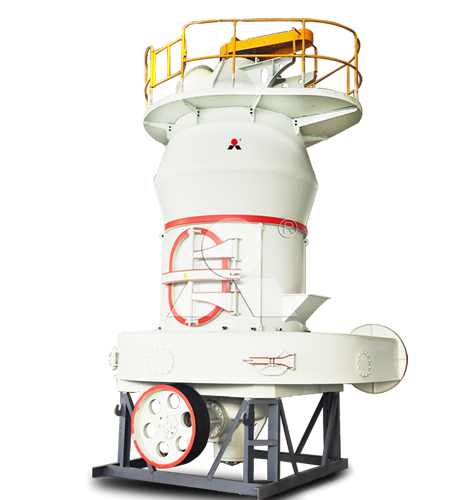
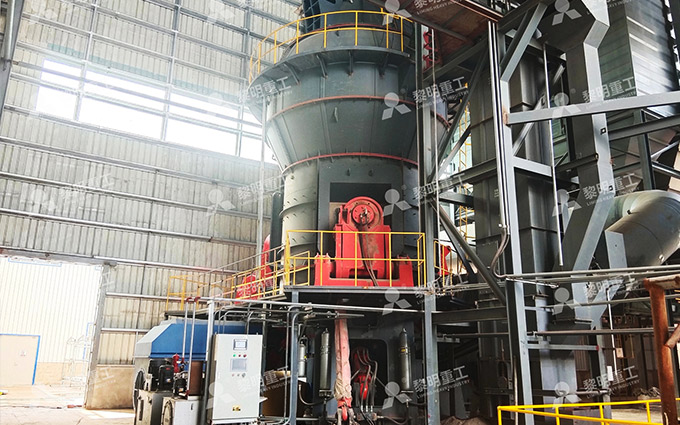
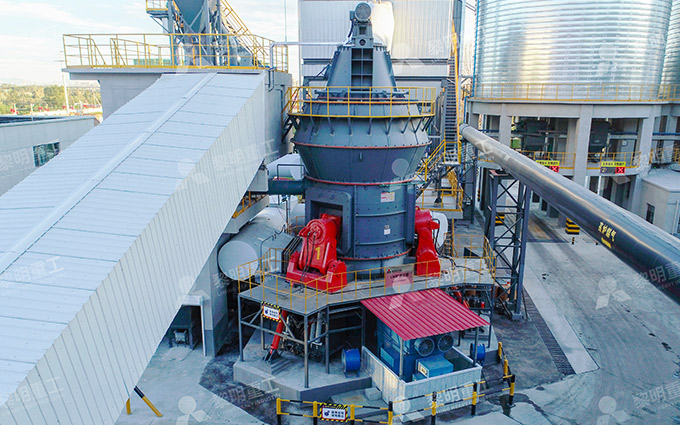
For a standard 200–325 mesh ceramic feldspar powder, a Raymond Mill or MTW European Grinding Mill can be used where capacity is moderate and the mineral is dry enough for stable operation. For larger production rates, an LM Vertical Roller Mill can provide integrated grinding, drying, and classification, although mill construction materials and the overall process must still protect against iron contamination where whiteness is critical.
Choosing the Right Mill
The correct feldspar grinding mill depends on required product quality, not only on tonnage. The most important selection factors are feldspar type, iron content, quartz content, Mohs hardness, feed moisture, target particle size distribution, permitted contamination level, and whether the final ceramic process is wet or dry.
| Production Requirement | Recommended Equipment | Reason for Selection |
|---|---|---|
| White ceramic body or glaze slurry | Alumina-lined wet ball mill with alumina media | Minimizes iron contamination and produces uniform slurry |
| 200–325 mesh dry feldspar powder, moderate output | Raymond Mill or MTW European Grinding Mill | Practical for controlled dry grinding where low capital cost is important |
| High-capacity dry feldspar powder plant | LM Vertical Roller Mill with classifier | Suitable for higher throughput and integrated drying/classification |
| Very fine feldspar for special glaze or technical ceramics | LUM Ultrafine Vertical Roller Mill, MW Micro Powder Mill, or stirred mill | Provides tighter fine-powder control below conventional ball-mill product sizes |
Contamination Control Is Critical
Contamination control is often more important than mill capacity in ceramic feldspar processing. Iron-bearing wear particles can cause gray, yellow, brown, or black defects after firing, while coarse quartz or feldspar particles can produce incomplete melting, pinholes, surface roughness, and inconsistent glaze appearance.
The practical control strategy is to use non-metallic or low-contamination wear materials in the fine-grinding stage, install magnets before and after grinding, maintain clean material transfer points, and verify Fe2O3 content and particle size distribution through routine laboratory testing. For white-body ceramics, the grinding circuit should be designed as a quality-control system rather than only as a size-reduction system.
Practical Process Example
For a ceramic tile body using potassium feldspar, a typical design may crush run-of-mine ore to below 15 mm, remove tramp iron, wet grind the feldspar with alumina media, pass the slurry through a vibrating screen, and use high-intensity magnetic separation before slurry storage. The acceptable milling residue might be controlled on a 325-mesh sieve, but the final setting must be based on the body formulation and the fired tile properties rather than on mesh alone.
If the same feldspar is sold as dry ceramic powder, the process may instead use crushing, drying to a stable low moisture level, dry grinding with an MTW European Grinding Mill or LM Vertical Roller Mill, air classification, and bag-filter collection. The final choice between wet and dry processing should be made by evaluating the customer’s batching method, required whiteness, installed spray-drying capacity, water availability, and total operating cost.
_1761360948099.jpg)
Equipment Selection Checklist
Identify whether the final use is ceramic body, glaze, engobe, sanitaryware, porcelain, tiles, or technical ceramics.
Test the feldspar for K2O, Na2O, Al2O3, SiO2, Fe2O3, TiO2, quartz content, mica content, and moisture.
Define the required particle size distribution by sieve residue, D50, D97, or slurry fineness specification.
Determine the maximum permitted iron contamination after grinding and select liners, media, and separators accordingly.
Choose wet ball milling for low-contamination ceramic slurry production and dry grinding for dry powder supply applications.
Size crushers so that mill feed stays within the specified maximum feed size, normally below 10–25 mm for ball milling.
Include magnetic separation before and after fine grinding when fired whiteness or glaze clarity is important.
Verify final mill selection through laboratory or pilot grinding tests using the actual feldspar ore sample.
For most ceramic producers, an alumina-lined wet ball mill with alumina grinding media, screening, and magnetic separation remains the most reliable feldspar processing solution. Raymond Mill, MTW European Grinding Mill, and LM Vertical Roller Mill systems can be appropriate for dry feldspar powder production, while LUM Ultrafine Vertical Roller Mill and MW Micro Powder Mill systems should be reserved for genuinely fine specialty ceramic products. Liming Heavy Industry can be considered as one supplier for dry grinding equipment, but the process route should always be determined first by ceramic quality requirements and contamination limits.