FAQ
What Is the Maintenance Cost of a Limestone Grinding Mill?
2026-07-18 10:47:34
Summary:
Maintenance cost for a limestone grinding mill typically falls in the range of 0.10 to 0.25 USD per ton of processed material for Raymond mills and vertical roller mills operating on moderate-hardness limestone, though this figure varies significantly with silica content, feed size consistency, and whether hardfacing is applied to wear parts.
Details:
Maintenance cost for a limestone grinding mill typically falls in the range of 0.10 to 0.25 USD per ton of processed material for Raymond mills and vertical roller mills operating on moderate-hardness limestone, though this figure varies significantly with silica content, feed size consistency, and whether hardfacing is applied to wear parts. For a mid-sized plant processing 100,000 tons per year, this translates to roughly 10,000 to 25,000 USD annually in wear parts and labor, excluding major overhauls.
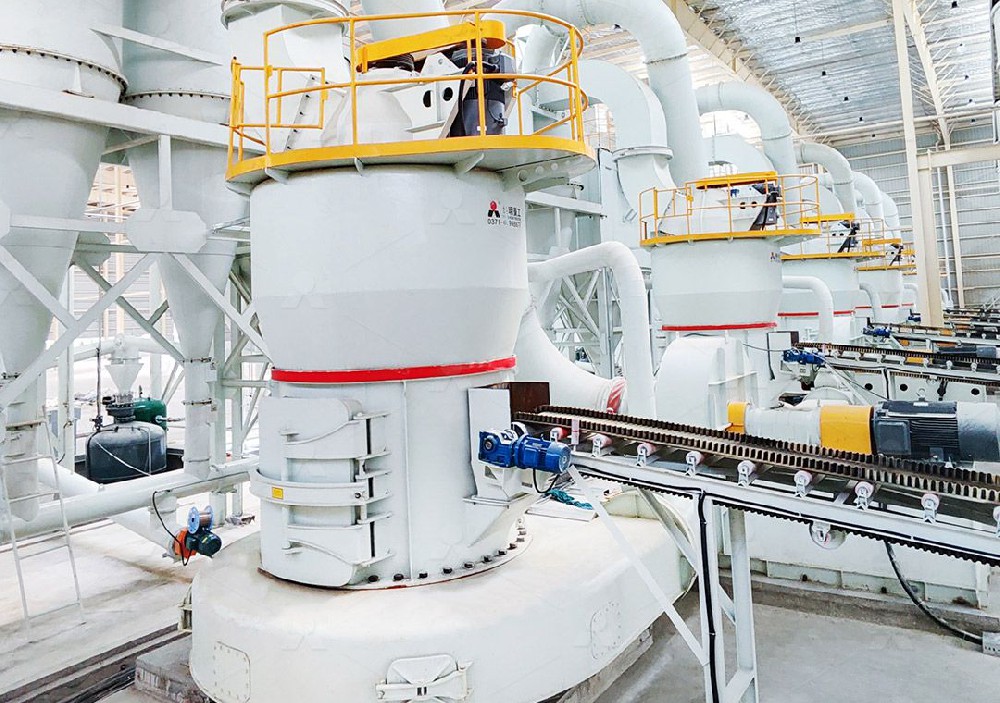
Having managed maintenance budgets across several limestone grinding operations, I have found that plants rarely dispute the mill's grinding performance—they dispute the maintenance invoice six months later when wear parts arrive faster than budgeted. Understanding where the cost actually comes from prevents that surprise.
Where Maintenance Cost Actually Comes From
Limestone maintenance cost breaks down into four cost centers: grinding roller and ring wear, classifier and separator wear, bearing and lubrication service, and unplanned downtime from feed inconsistency. Of these, roller and ring wear dominates, typically accounting for 50 to 65 percent of total maintenance spend on a properly operated line.
| Cost Center | Typical Share of Maintenance Budget | Primary Driver |
|---|---|---|
| Grinding rollers/rings | 50-65 percent | Silica content, feed hardness variation |
| Classifier/separator wear | 10-15 percent | Airflow abrasion, fines loading |
| Bearings and lubrication | 10-15 percent | Scheduled service intervals |
| Unplanned downtime/repairs | 10-20 percent | Feed size inconsistency, foreign material |
These are industry-typical proportions drawn from general operating experience across multiple plant types, not measurements from a single verified project, and actual splits shift depending on ore mineralogy at a given site.
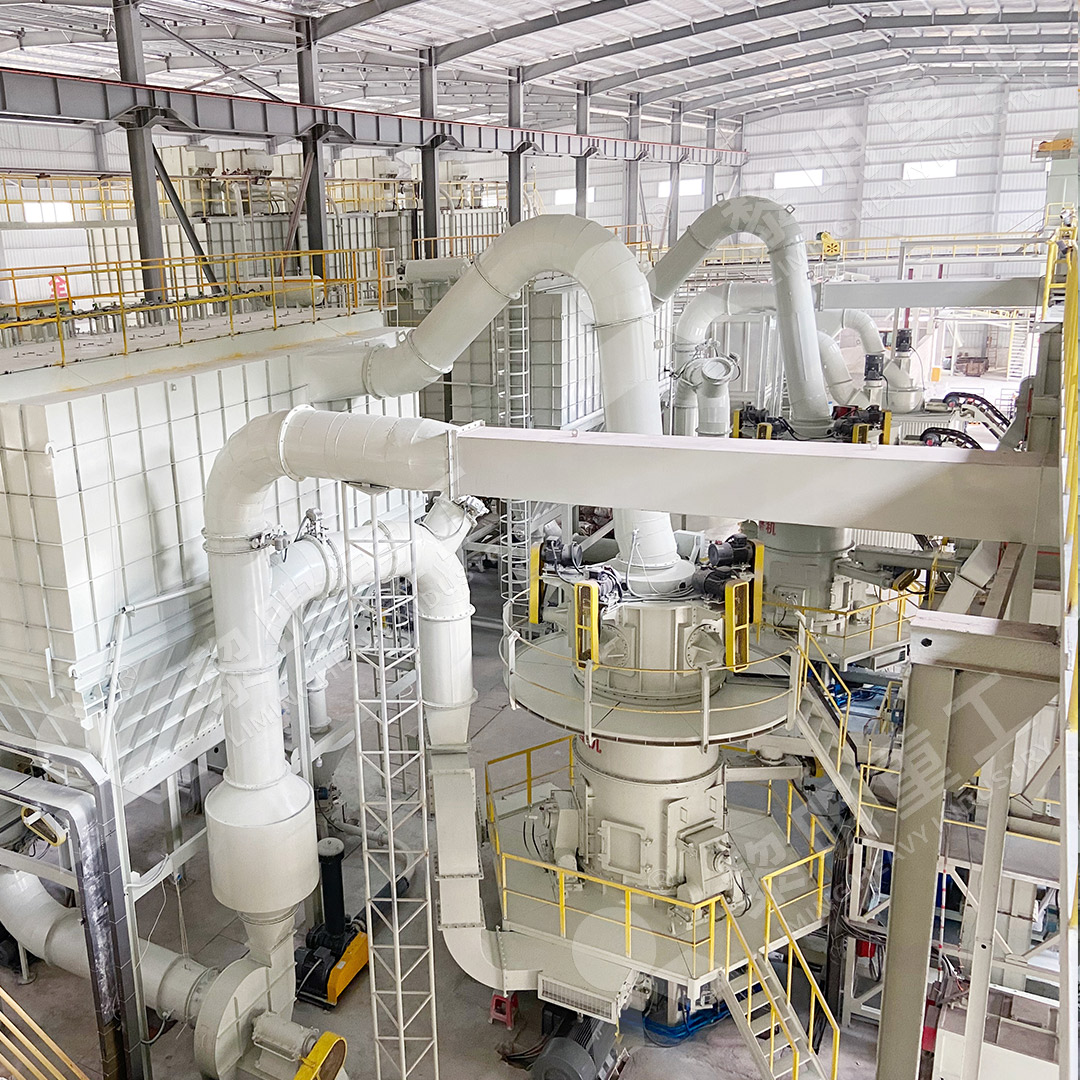
Which Mill Type Has Lower Maintenance Cost: Raymond Mill or Vertical Roller Mill?
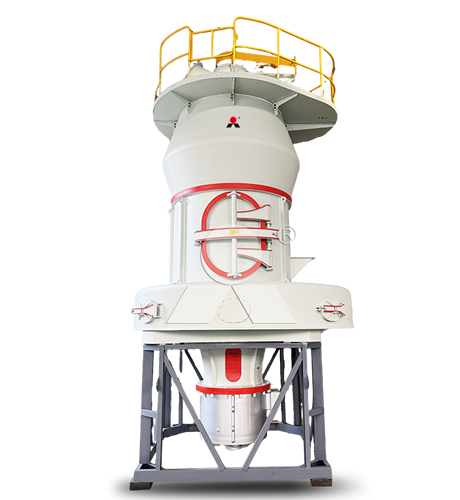
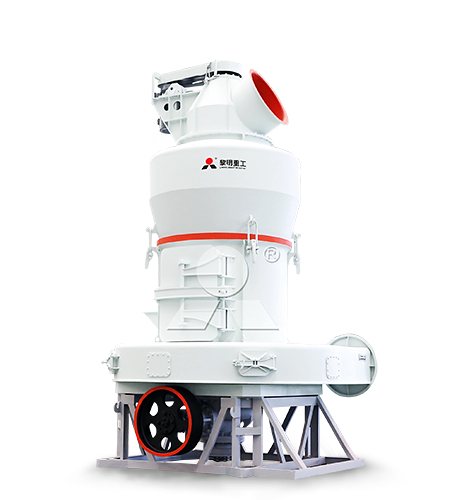
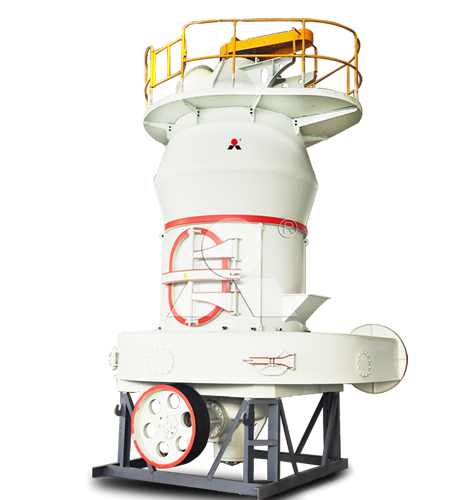
Vertical roller mills generally carry a lower maintenance cost per ton than Raymond mills once throughput exceeds roughly 30-40 tons per hour, largely because VRMs use fewer high-wear contact points and allow hardfacing of rollers to extend service intervals. Raymond mills, by contrast, have a simpler mechanical design with lower upfront wear part cost, making them more economical for smaller-capacity lines despite a higher wear rate per ton.
| Parameter | Raymond Mill | Vertical Roller Mill |
|---|---|---|
| Typical wear part life | 5-8 years (rings/rollers) | 3,000-6,000 operating hours per tyre segment on abrasive feed |
| Reported maintenance cost range | 0.14-0.21 USD/ton (industry reference range) | 0.10-0.15 USD/ton with hardfacing applied |
| Wear rate on limestone (silica-bearing) | Higher per ton, lower unit part cost | 8-15 g/ton typical for high-silica limestone feed |
| Downtime for wear part replacement | Shorter individual stops, more frequent | Longer stops, less frequent if hardfacing programs are followed |
Both cost figures above reflect commonly cited industry benchmarks rather than a single audited project record, and actual results should be validated against your own feed material and operating hours.
How Silica Content Changes the Maintenance Math
Limestone is rarely pure calcium carbonate; trace silica, quartz, or chert inclusions are the real driver behind wear part consumption. A feed with less than 2 percent free silica behaves predictably, with wear rates near the low end of typical ranges. Once free silica content climbs past 5 percent, wear rates on grinding rollers can double, and maintenance planning built around "average limestone" assumptions starts to fail.
A common mistake during initial plant sizing is estimating maintenance cost from generic limestone data sheets without running a bond abrasion index or silica assay on the actual quarry source. Practical experience shows that two limestone deposits with nearly identical CaCO3 content can differ by 30 to 40 percent in wear part consumption purely due to embedded silica bands that don't show up in a basic chemical assay.
_1761355701094.jpg)
Engineering Checklist: Reducing Limestone Mill Maintenance Cost
Run a silica/quartz assay on the feed source before finalizing wear part material specification, not just a CaCO3 purity test.
Control feed size to the mill within the specified range—oversized tramp material accelerates roller and ring wear disproportionately.
Apply hardfacing to rollers and liners on vertical roller mills where feasible; this can lower per-ton wear cost by roughly 20-30 percent based on commonly reported field data.
Track wear rate in grams per ton, not just calendar time, since throughput variation distorts time-based maintenance planning.
Inspect classifier blades and separator components on a fixed schedule—airflow-driven abrasion here is often underestimated compared to roller wear.
Keep lubrication intervals on schedule regardless of production pressure; skipped bearing service is a frequent root cause of unplanned downtime, not roller wear itself.
A Realistic Maintenance Scenario
Consider a 15 t/h limestone grinding line feeding a lime kiln, where the plant initially budgeted maintenance cost based on published Raymond mill averages of around 0.18 USD/ton. After six months, actual wear part consumption ran nearly 40 percent above budget. Investigation traced the gap to a previously unassayed silica seam in the quarry's lower bench, which had not been present in the original bulk sample used for equipment sizing. Once feed blending was adjusted to dilute material from that seam, wear rates returned closer to the original estimate. This illustrates why maintenance cost planning should be tied to ongoing feed monitoring, not a single upfront ore sample.
When Does Ultrafine or High-Capacity Grinding Change the Cost Picture?
As target fineness increases toward 800 mesh or finer, classifier wear and airflow-related component wear become a larger share of total maintenance cost, sometimes rising from 10-15 percent of budget to over 20 percent, because fine classification demands tighter tolerances and faster wheel speeds that accelerate erosion. Plants targeting both standard filler-grade limestone and finer specialty grades from the same line should budget separately for these two operating regimes rather than applying one blended maintenance rate.
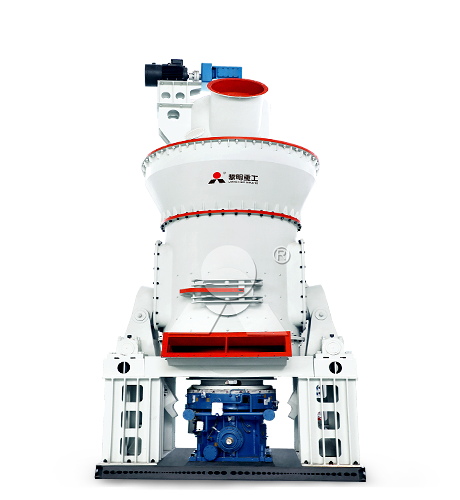
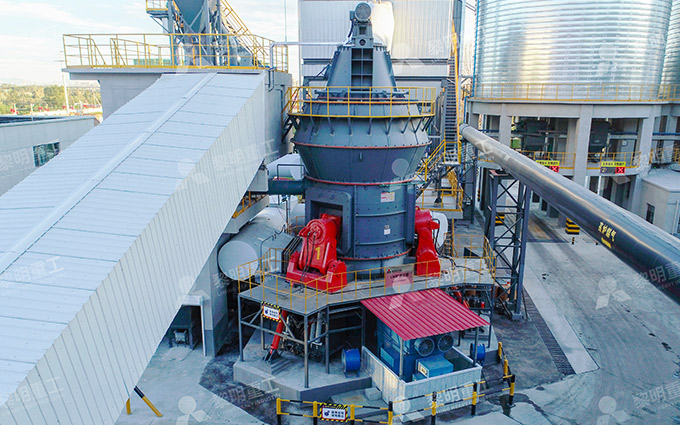
For mid-capacity limestone lines seeking a balance between wear cost and output flexibility, mills such as Liming Heavy Industry's LM Vertical Roller Mill offer a practical option worth evaluating, since their modular roller and hardfacing-compatible wear parts can help manage the wear cost curve as throughput or fineness targets shift—though the actual savings depend on feed silica content and maintenance discipline at the specific site, not on the mill alone.
_1767930326611.jpg)
Frequently Asked Questions
What is a normal maintenance cost per ton for limestone grinding?
Industry-typical ranges run 0.10-0.25 USD per ton, with vertical roller mills trending toward the lower end when hardfacing is applied and silica content is moderate.
Why does maintenance cost vary so much between similar-looking limestone deposits?
Trace silica or quartz content, not overall CaCO3 purity, is usually the main driver of wear rate differences between deposits.
Does finer grinding always increase maintenance cost?
Yes, generally—finer targets increase classifier and separator wear share of the budget, even if roller wear per ton stays relatively stable.
How often should wear parts be inspected on a limestone mill?
Rollers and rings are typically inspected on a running-hours basis rather than calendar time, since throughput variation makes calendar-based scheduling unreliable.
Can hardfacing significantly reduce maintenance cost?
Commonly reported field data suggests hardfacing can lower wear part cost by roughly 20-30 percent, though this depends on feed abrasiveness and hardfacing quality.
Key Takeaways
Grinding roller and ring wear typically accounts for 50-65 percent of total limestone mill maintenance budget.
Silica content, not CaCO3 purity, is the primary hidden driver of maintenance cost variability between limestone sources.
Vertical roller mills tend to offer lower per-ton maintenance cost at higher throughput when hardfacing programs are maintained.
Finer grinding targets shift a larger share of maintenance cost toward classifier and separator components.
Maintenance budgets should be validated with ongoing feed silica monitoring rather than a single upfront ore sample.