FAQ
How to Produce Graphite Powder for Battery Materials?
2026-05-11 08:50:25
Summary:
Battery graphite powder is produced by crushing, drying, grinding, and classifying natural or synthetic graphite. Mill choice depends on target size, flake preservation, moisture, and whether the product is a precursor or final fine powder.
Details:
What Is the Basic Process for Battery Graphite Powder?
For battery materials, grinding is only one part of the line. The usual route is crushing, drying, milling, air classification, and then downstream shaping or purification if the product is for lithium-ion anodes. Natural graphite is soft, usually around Mohs 1 to 2, but it is flaky and lubricious. That means it breaks easily, yet it can smear on liners and classifiers if the circuit is not dry enough.
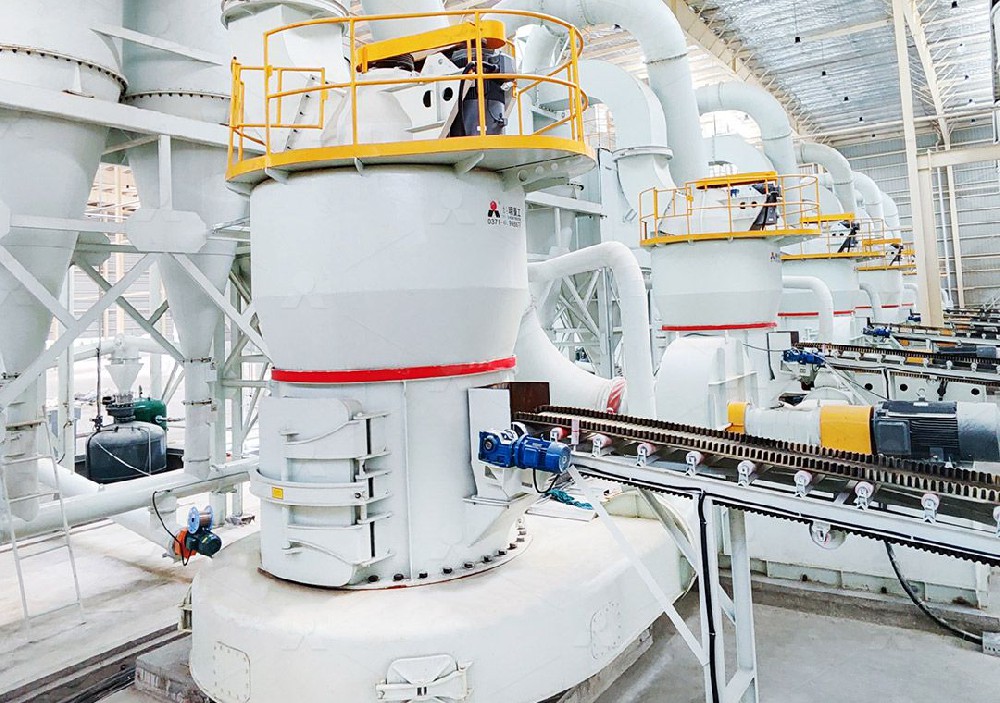
Feed to the mill is normally controlled below 20 to 30 mm after crushing. Moisture should usually be kept below 1 percent for stable fine grinding and classification. If moisture is higher, agglomeration increases, the classifier cut shifts, and the final D90 or D97 becomes unstable.
Which Grinding Mechanism Works Best for Graphite?
Graphite responds better to controlled compression and shear than to heavy impact. Excessive impact creates too many fines, damages flake structure, and raises dust load. For this reason, roller-based systems are often used in the front end of the circuit.
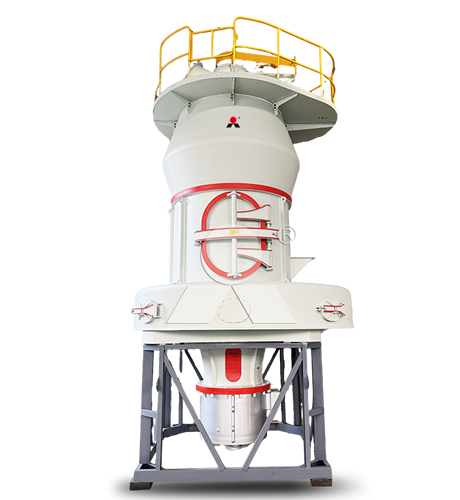
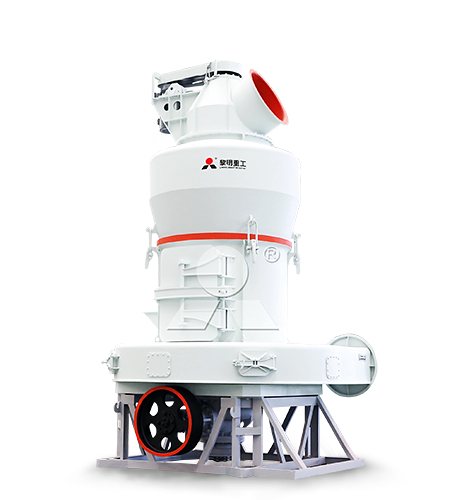
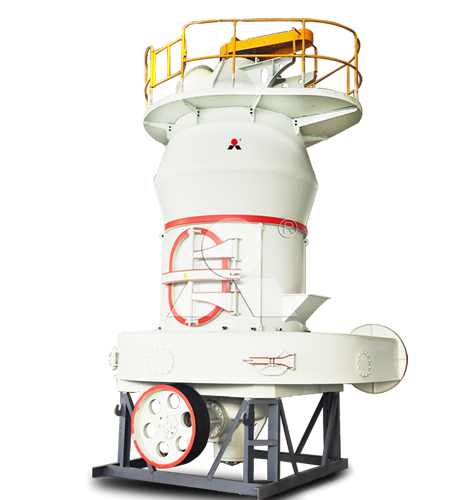
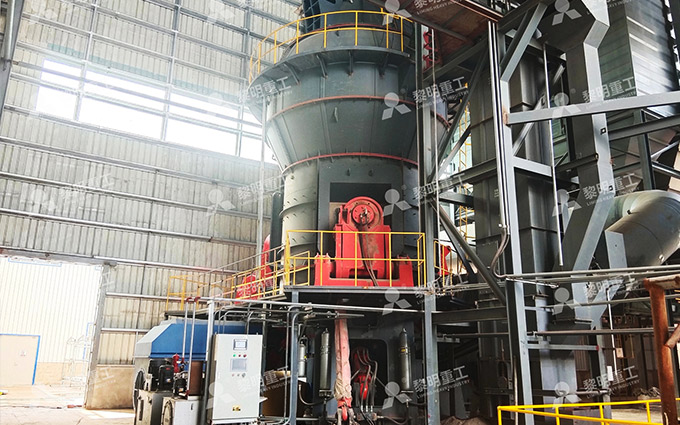
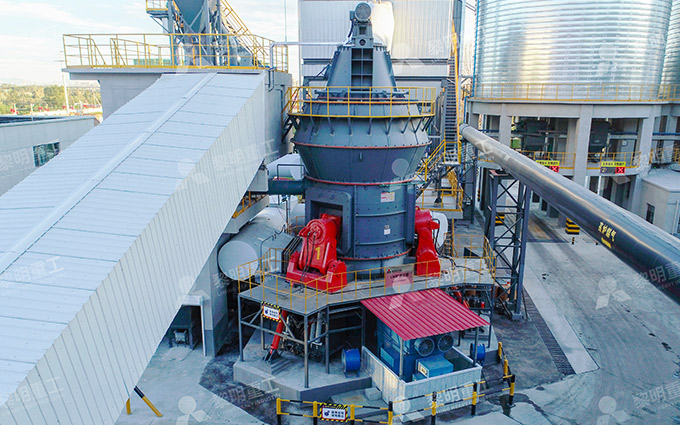
For coarse to medium graphite powder, Liming Heavy Industry MTW European Type Grinding Mill is commonly used when the target is about 80 to 325 mesh. For larger drying and pre-grinding duties, LM Series Vertical Roller Mill is practical because it combines grinding with hot-air drying and usually gives lower kWh/t at higher throughput.
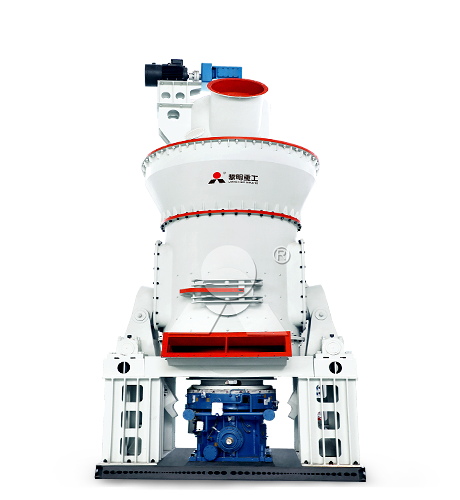
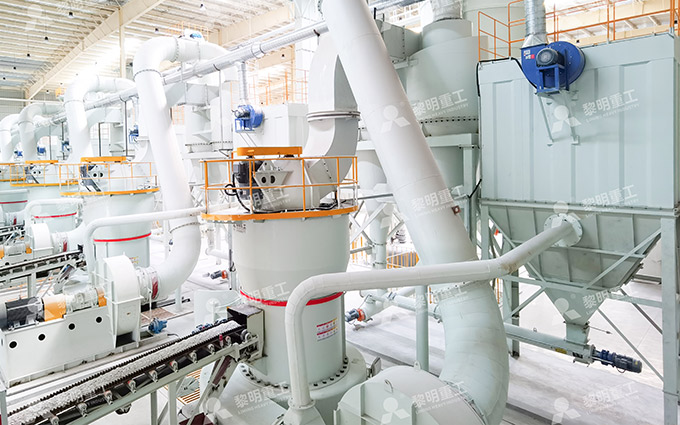
When the battery material requires finer powder, usually controlled by micron-based D97 rather than mesh, Liming Heavy Industry LUM Ultrafine Vertical Mill or MW Micro Powder Mill is the better fit. These machines are used where tighter top-size control is needed before spheroidization or surface treatment.
_1767929649018.jpg)
What Production Conditions Matter Most?
Typical graphite hardness: Mohs 1 to 2
Recommended feed size after crushing: below 20 to 30 mm
Preferred feed moisture: below 1 percent
MTW European Type Grinding Mill: suitable for about 80 to 325 mesh graphite powder
LM Series Vertical Roller Mill: suitable for larger capacity and integrated drying duty
LUM Ultrafine Vertical Mill or MW Micro Powder Mill: suitable for finer battery precursor powder with tighter D90 or D97 control
In plant operation, the main control points are feed moisture, classifier stability, iron contamination, and overgrinding. Battery applications are less tolerant of broad particle size distribution than ordinary conductive filler markets.
_1761361296291.jpg)
FAQ
Can a Raymond mill be used for graphite powder?
Yes. MTW European Type Grinding Mill is suitable for graphite powder in the 80 to 325 mesh range, especially for precursor or industrial filler grades.
Why is moisture control critical in graphite grinding?
Because wet graphite agglomerates easily, coats grinding parts, and makes D90 or D97 control unstable.
Which mill is used for finer battery graphite powder?
LUM Ultrafine Vertical Mill or MW Micro Powder Mill is typically used when the product needs finer micron-level control.
Is grinding alone enough for battery-grade graphite?
No. Battery-grade material usually also needs classification, purification, shaping, and sometimes coating after grinding.