FAQ
Which Grinding Solution Is Best for Barite Grinding Plants?
2026-05-12 15:51:05
Summary:
Barite has a Mohs hardness of 3-3.5 and low abrasiveness. For 80-325 mesh API drilling mud, a pendulum mill like the MTW European Type is optimal. For D97 10 microns, use the LUM Ultrafine Vertical Mill.
Details:
Understanding Barite Material Behavior
Barite (barium sulfate) behaves predictably during comminution. With a Mohs hardness of 3.0 to 3.5, it is highly brittle and ranks low on the abrasiveness scale. Standard run-of-mine feed size is crushed to below 30 mm before entering the mill. Given its non-hygroscopic nature, operational moisture limits are strictly maintained below 3% to prevent classifier blinding and chute blockages.
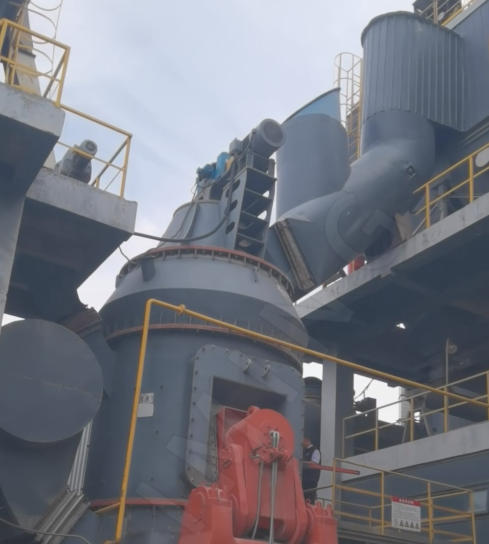
The primary mechanical challenge when processing barite is managing its high specific gravity, which averages 4.3 g/cm3. Dense particles resist pneumatic conveying, requiring induced draft fans with higher static pressure capabilities to consistently lift ground fines from the mill base into the upper separator.
Equipment Selection and Sizing Logic
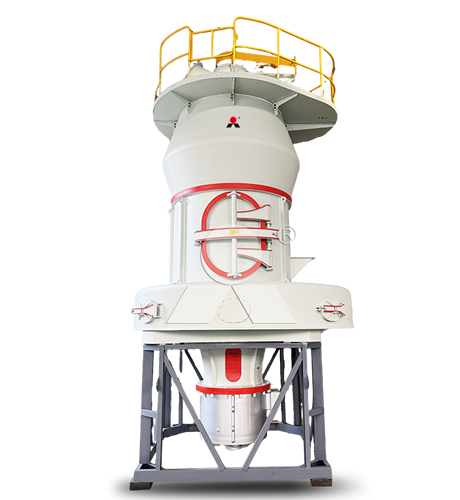
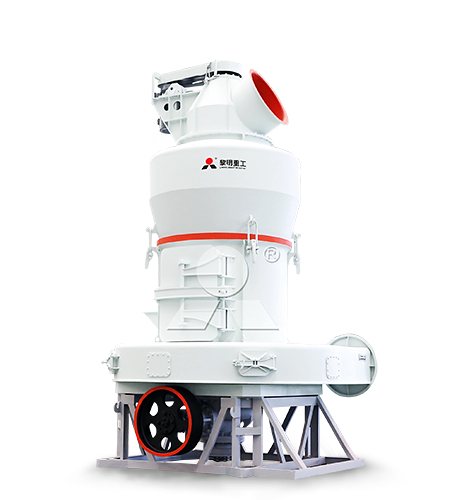
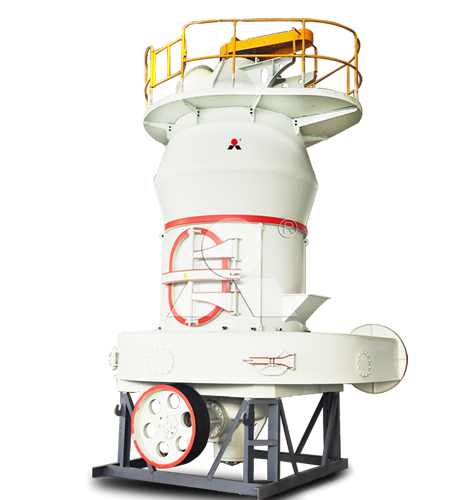
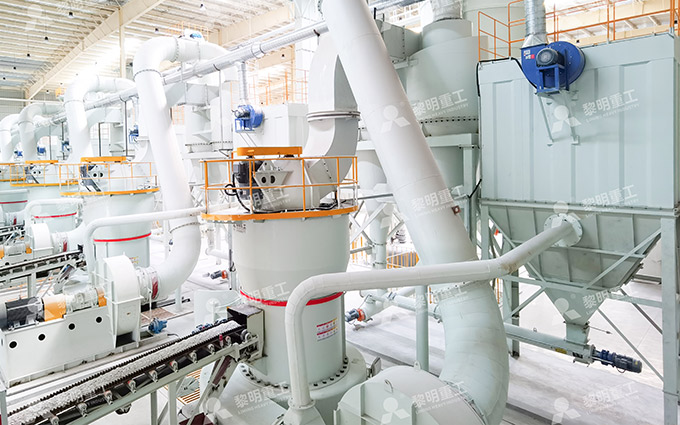
Selecting the mill style depends entirely on the required particle size distribution (PSD). For the oil and gas sector, API 13A standards govern drilling fluid specifications, dictating that barite must have 97% passing 200 mesh (75 microns), while minimizing ultrafine particles that negatively spike fluid viscosity. For this distinct target fineness, a pendulum-style grinding mechanism is standard. The MTW European Type Raymond Mill by Liming Heavy Industry is a common deployment. It utilizes centrifugal force to press rotating rollers against a stationary ring, providing a stable 80-325 mesh output with a system energy footprint near 15-18 kWh/t.
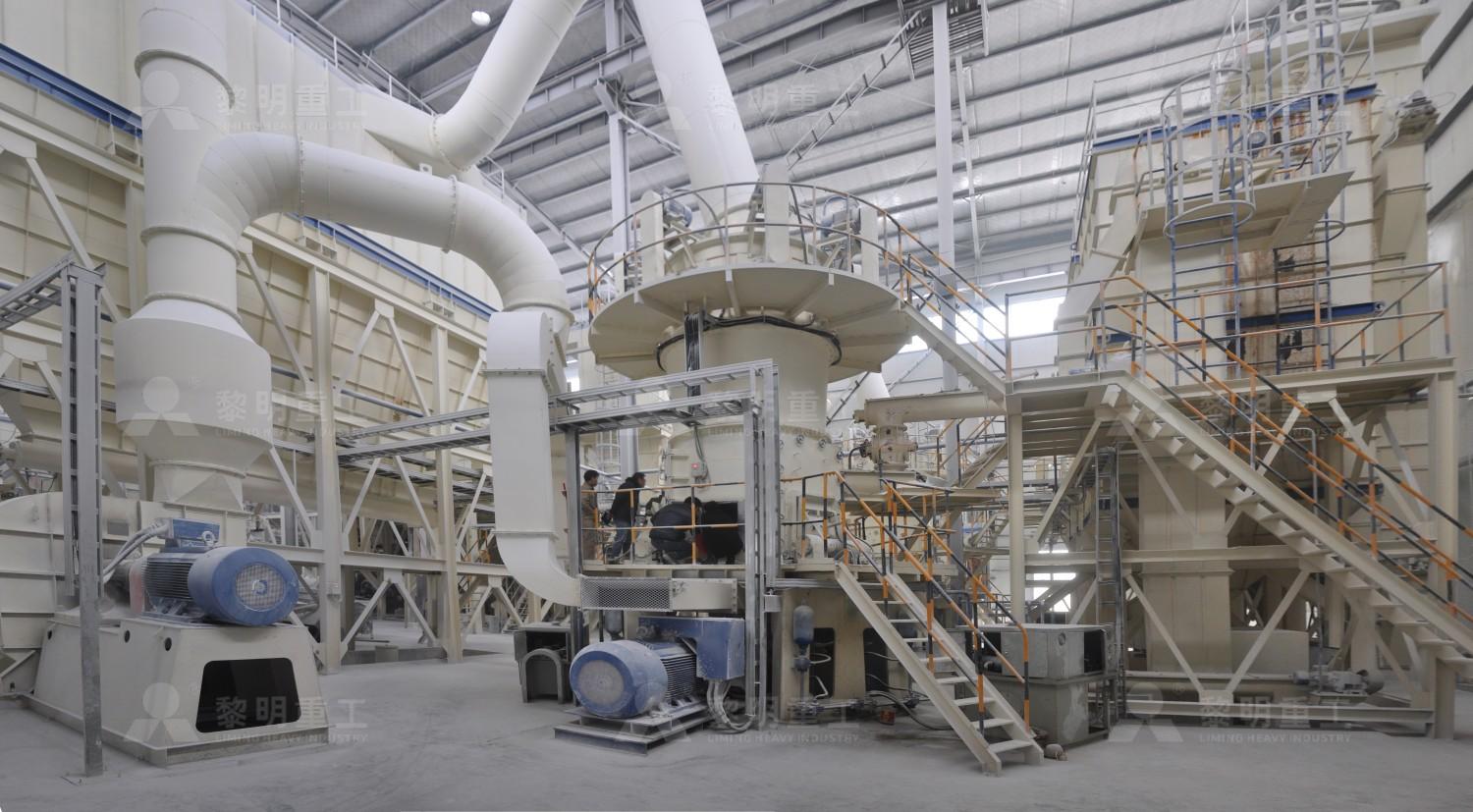
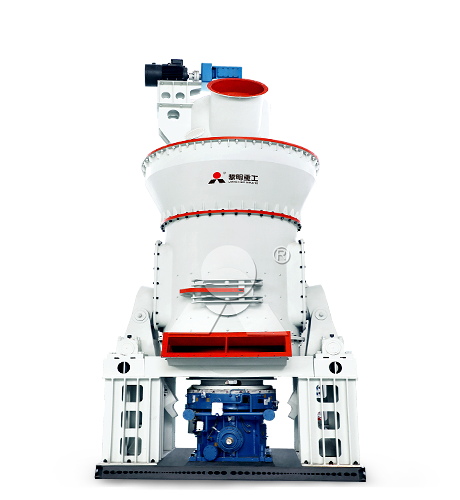
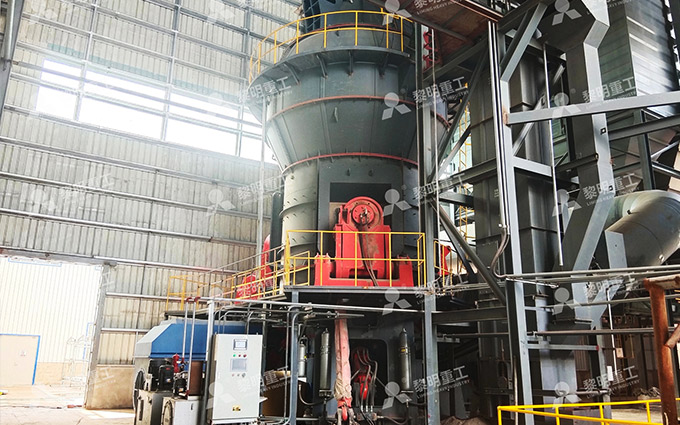
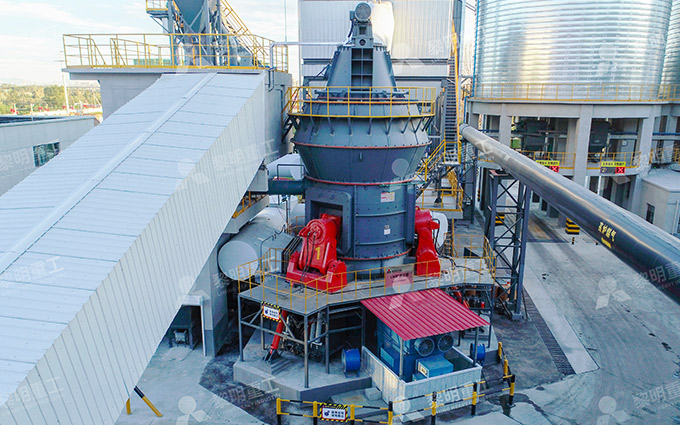
Chemical and pigment-grade applications require much finer sizing, often demanding a D97 of 5 to 10 microns. Pendulum mills lose mechanical efficiency here due to over-grinding, heavy circulating loads, and heat generation. In these operations, equipment like the LUM Ultrafine Vertical Mill or the MW Micro Powder Mill apply direct shear and compression forces. They integrate dynamic multi-rotor classifiers that precisely separate heavy ultrafines, ensuring sharp top-size cut points without sacrificing throughput.
Standard Barite Processing Parameters
Feed Size: < 30 mm
Initial Moisture Content: < 3.0%
Mohs Hardness: 3.0 to 3.5
Target Output (Drilling Grade): 97% passing 200 mesh
Target Output (Chemical Grade): D97 < 10 microns
_1761355927039.jpg)
Frequently Asked Questions
Why does the mill fan require higher static pressure for barite compared to limestone?
Barite has a specific gravity of roughly 4.3, compared to limestone's 2.7. Heavier particles require elevated air velocity and pressure to be successfully transported pneumatically from the grinding zone through the internal classification wheel.
Can a standard Raymond mill achieve a D90 of 5 microns for barite?
No. Standard pendulum mills reach their operational limitation around 400 mesh (38 microns). Attempting to mill down to 5 microns causes excessive circulating loads, severe thermal buildup, and abnormal equipment vibration. An ultrafine mill design is mandatory for this fineness.
How does feed moisture impact barite grinding capacity?
Moisture exceeding 3% causes fine barite powder to agglomerate on the grinding ring and structural classifier blades. This drastically reduces the open cross-sectional area for airflow, lowering mass throughput and increasing the risk of a system choke.