

What Is Industrial By-product Gypsum and How Can It Be Reused?
Definitions, sources, reuse routes and the role of processing.
Read article →Home / Industrial By-product Gypsum Solutions
Turn suitable industrial gypsum by-products into controlled powder for construction materials and other industrial applications. Explore process design and grinding mill options from Liming Heavy Industry.
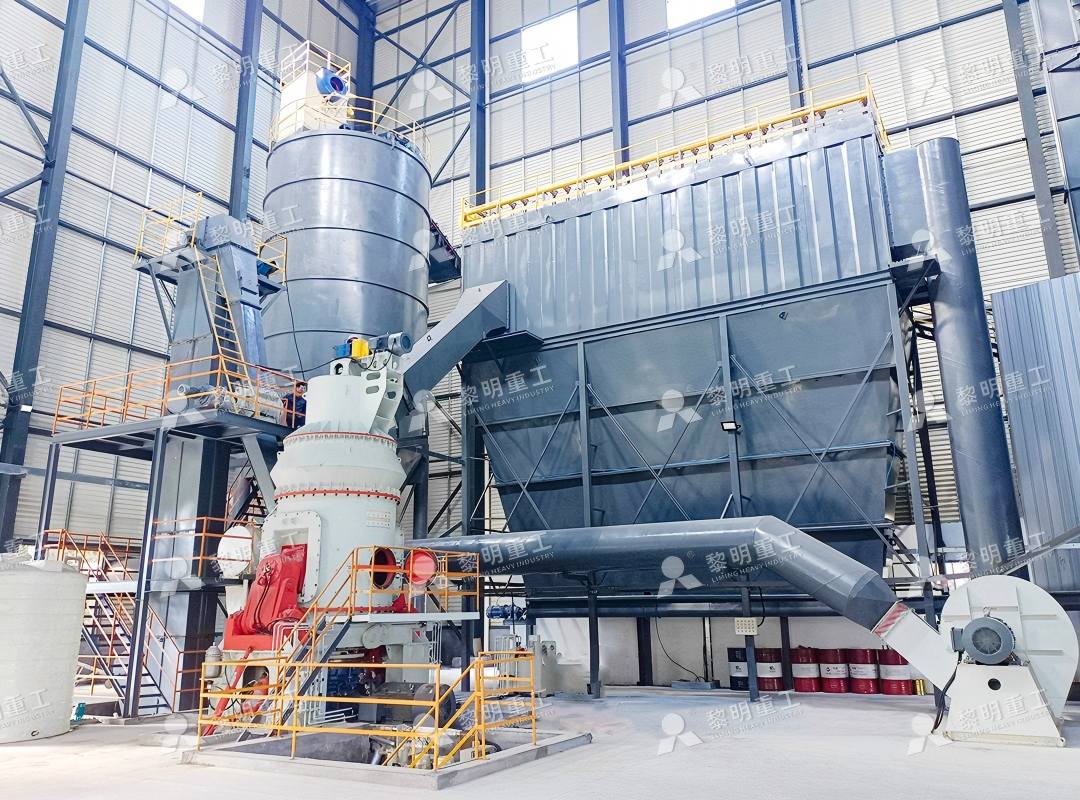
Industrial by-product gypsum is generated by different industrial processes. Its reuse route depends on source, chemical composition, impurities, moisture, particle size and the target application. The following are common industrial gypsum by-products that may be evaluated for processing.
Flue Gas Desulfurization Gypsum generated by wet or other flue-gas desulfurization processes.
Power & environmental systemsGypsum-containing by-product from phosphoric acid production, requiring careful impurity assessment.
Phosphate industryGypsum by-product associated with citric acid production and related industrial processes.
Food & chemical industryGypsum-containing by-product associated with titanium dioxide production and process residues.
Titanium industryIndustrial gypsum generated in processes involving fluorine-containing raw materials or compounds.
Chemical industryGypsum by-product associated with boric acid and borate processing routes.
Boron industryA broader category covering gypsum recovered from industrial flue-gas desulfurization systems.
Power & process industriesOther gypsum-containing by-products should be evaluated individually before process and equipment selection.
Material-specific solution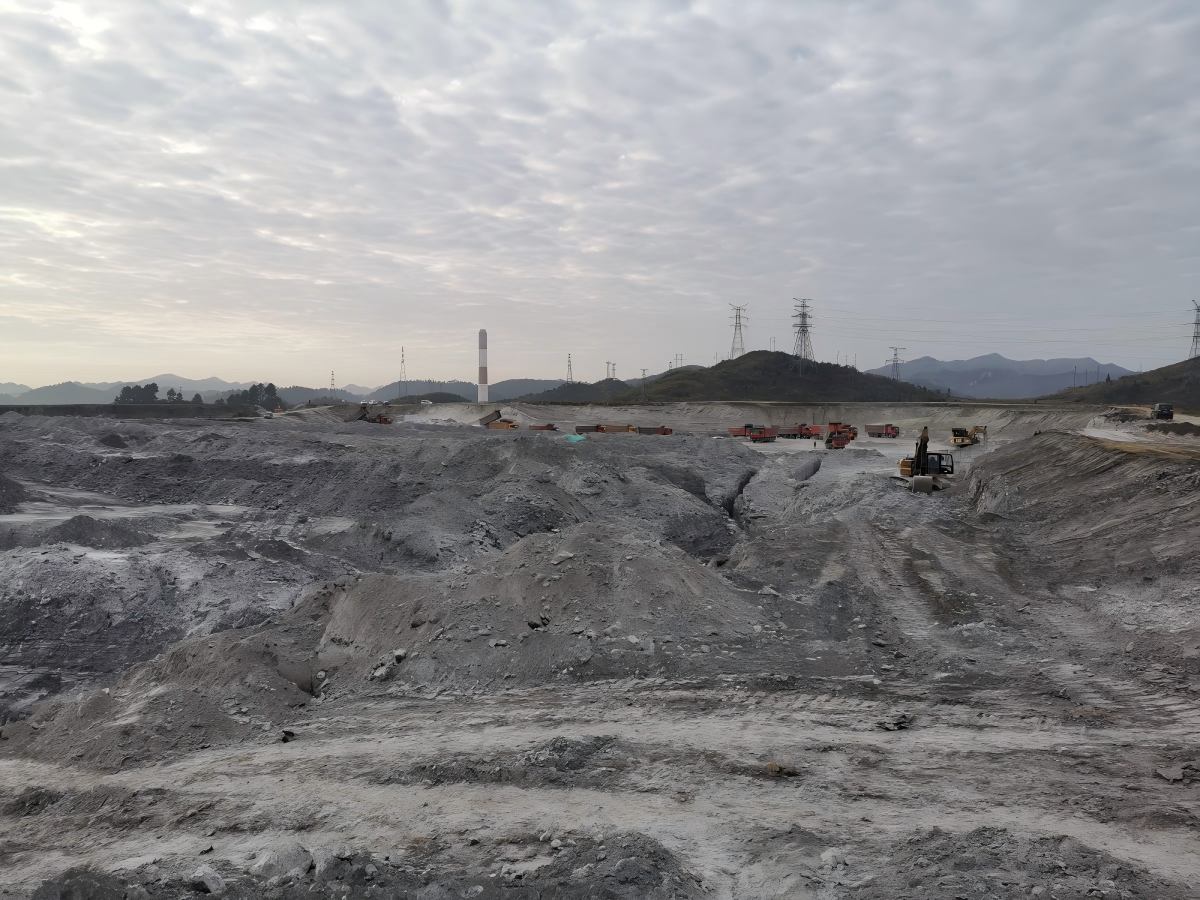
Suitable industrial gypsum can be redirected from storage or disposal toward value-added powder applications. The key is not simply grinding the material, but matching material quality, process route and final product specifications.
After suitable treatment and grinding, industrial by-product gypsum may be considered for construction and other industrial applications, subject to quality and local product requirements.
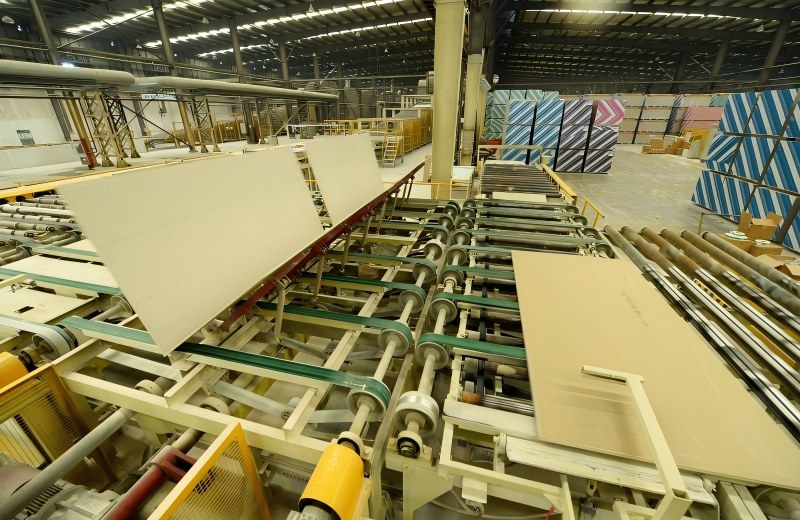
Ground gypsum for selected gypsum-board production routes where material quality is suitable.
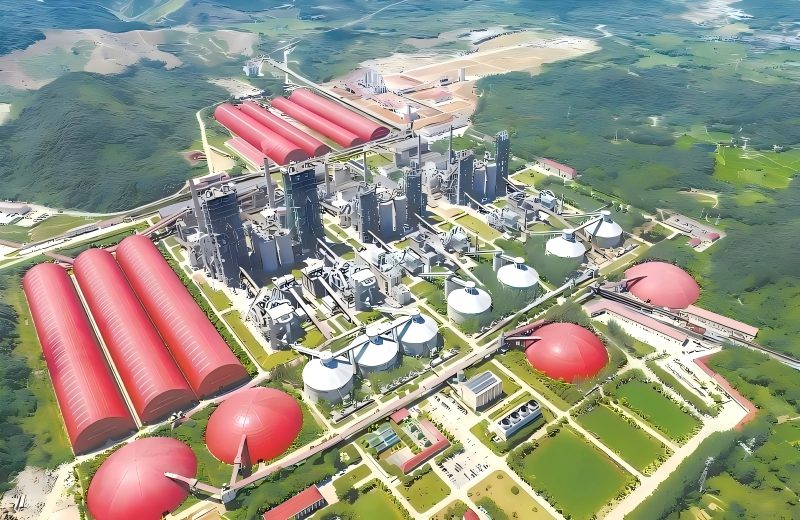
Gypsum can be used as a component in cement production for setting-time control.
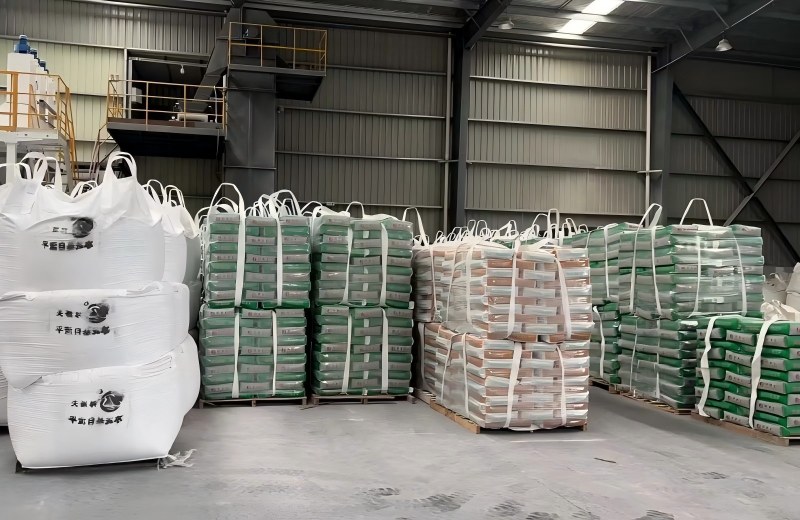
Selected plasters, mortars and other gypsum-based building materials.
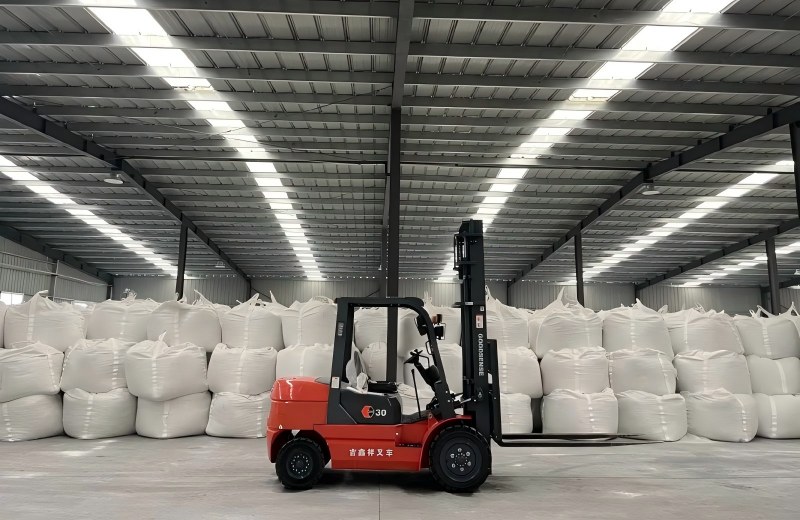
Additional uses depend on chemical composition, impurities and end-user specifications.
The process is configured around the raw material and target product. Drying can be included when material condition and process requirements call for it.
Stable material feeding
Crushing / preparation if required
Particle-size reduction
Product size control
Powder collection
Some industrial gypsum by-products contain significant moisture. Depending on feed conditions and the selected mill, a drying stage may be incorporated into the process.
Final process design should be based on material analysis and project requirements.
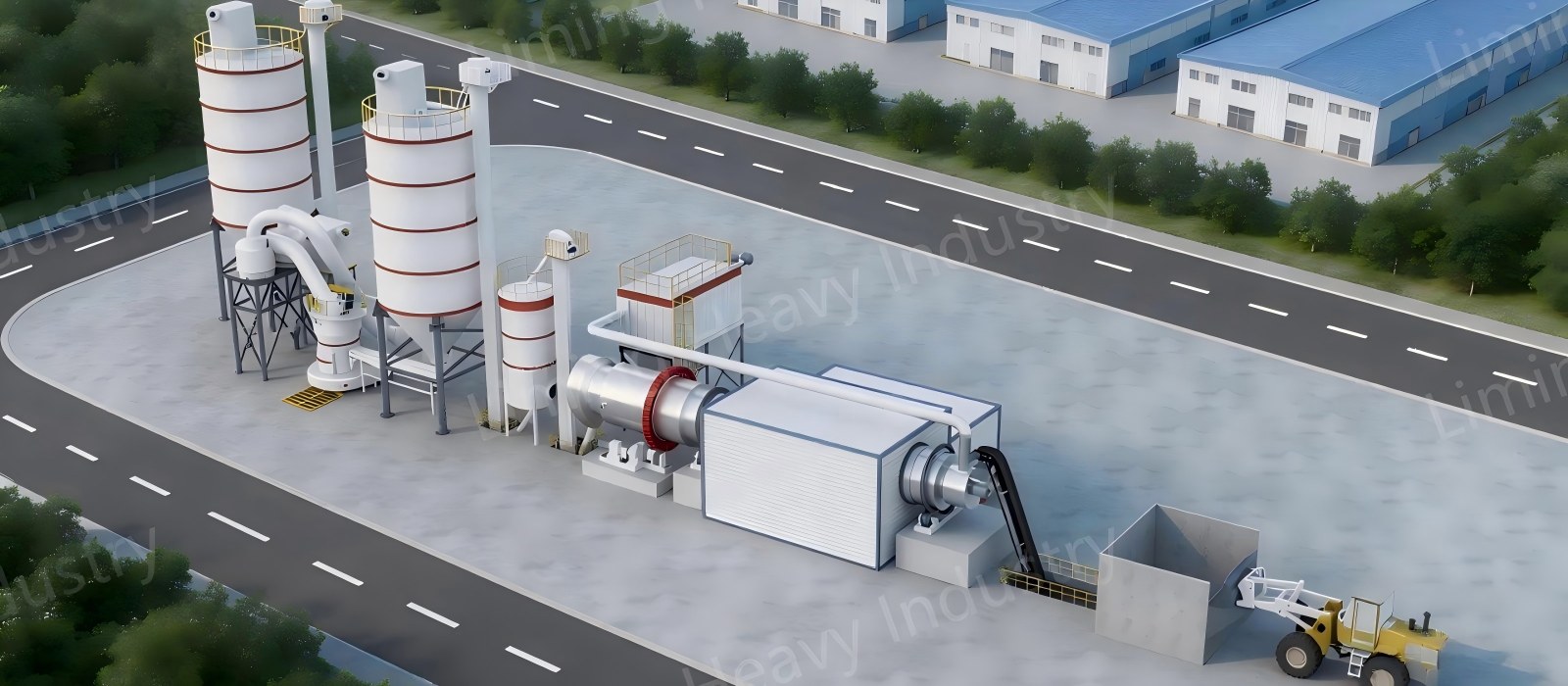
For conventional industrial gypsum powder, Liming Heavy Industry focuses on MTW European Grinding Mill and LM Vertical Roller Mill solutions, selected according to capacity, fineness and material conditions.
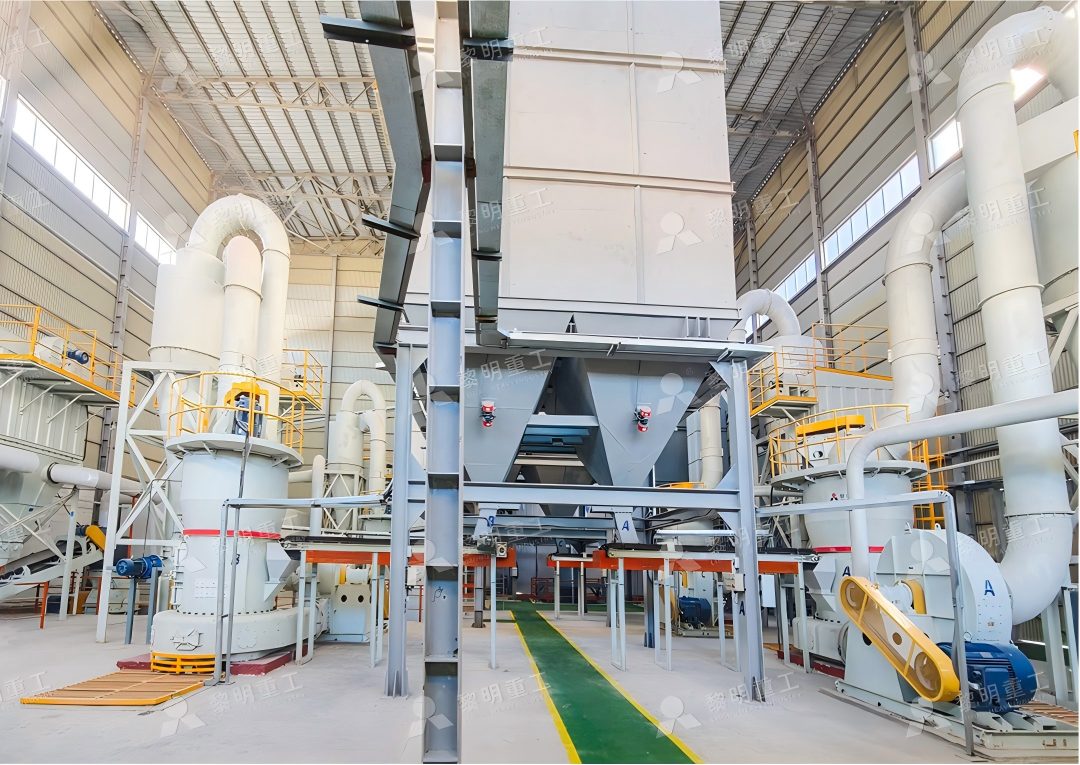
A practical choice for small-to-medium scale gypsum grinding and conventional powder production, with controlled classification and a compact closed-circuit system.
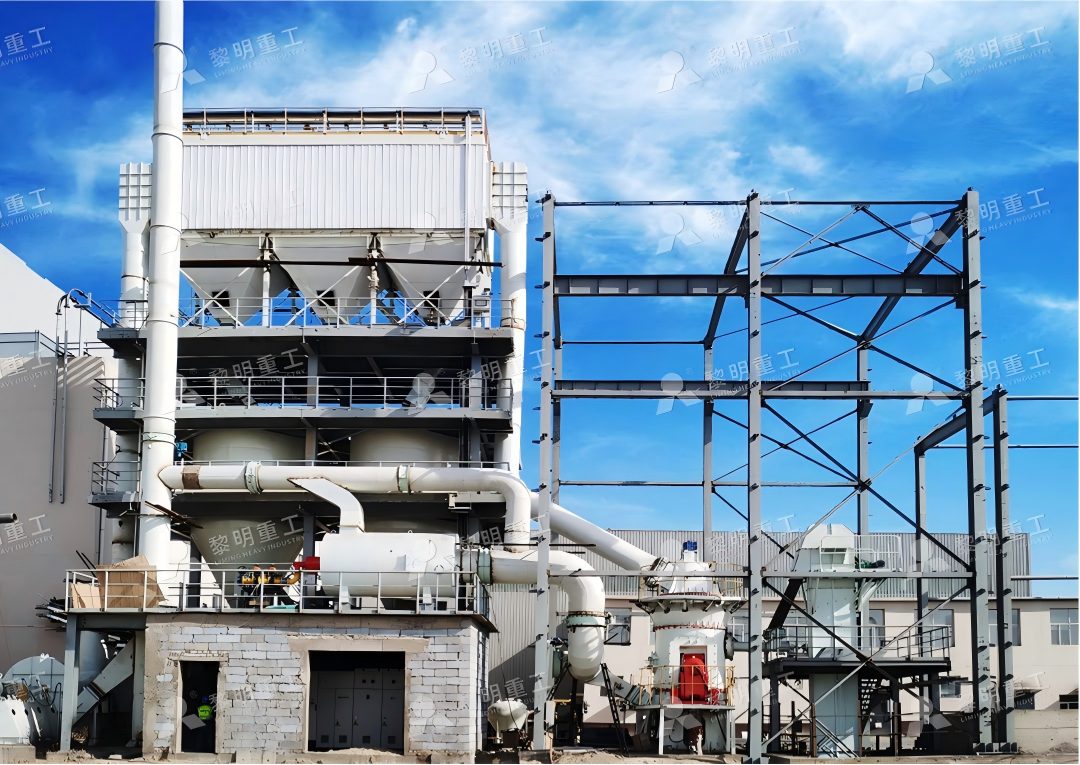
A high-capacity solution for larger industrial grinding systems, with a compact layout and the possibility of integrating drying and grinding when suitable.
| Requirement | MTW European Mill | LM Vertical Roller Mill |
|---|---|---|
| Small / medium capacity | ✓ Suitable | — |
| Large capacity | △ Project dependent | ✓ Suitable |
| Conventional gypsum powder | ✓ | ✓ |
| High-capacity production | △ | ✓ |
| Drying + grinding integration | △ | ✓ |
| Final selection | Based on material properties, feed size, moisture, fineness, capacity and application. | |
Explore practical solutions for industrial by-product gypsum reuse, grinding and processing. Find guides on FGD gypsum, phosphogypsum and other industrial gypsum by-products, including grinding processes, drying, equipment selection, applications, plant design, capacity, fineness and project costs.
Definitions, sources, reuse routes and the role of processing.
Read article →Process flow, fineness and mill selection.
Read article →Material assessment before grinding.
Read article →MTW vs LM selection factors.
Read article →Step-by-step production route.
Read article →Key engineering parameters.
Read article →What engineers need to know.
Read article →Role of gypsum and powder preparation.
Read article →Quality and processing considerations.
Read article →When drying is integrated and why.
Read article →When MTW is a practical choice.
Read article →Large-capacity grinding considerations.
Read article →A practical buyer checklist.
Read article →How mesh and particle size relate.
Read article →Capacity, process and equipment scope.
Read article →Grinding-only vs combined processing.
Read article →Source-specific engineering considerations.
Read article →Why chemical analysis matters.
Read article →Application-led product sizing.
Read article →From raw material to finished powder.
Read article →Characteristics, quality considerations and suitable processing routes.
Read article →How titanium-dioxide by-product gypsum differs from other gypsum sources.
Read article →Material properties, impurities and grinding requirements.
Read article →Processing considerations for boron-industry gypsum by-products.
Read article →Key laboratory data for evaluating a new gypsum feedstock.
Read article →When drying is necessary and how feed condition affects mill performance.
Read article →Quality, fineness and application factors to evaluate.
Read article →Processing and quality requirements for board production.
Read article →Understanding capacity selection from feed conditions and product targets.
Read article →Feeding, classification, airflow, maintenance and process-control factors.
Read article →Before equipment selection, engineers should understand the material and the intended product. A laboratory analysis is especially useful for by-products with variable impurities.
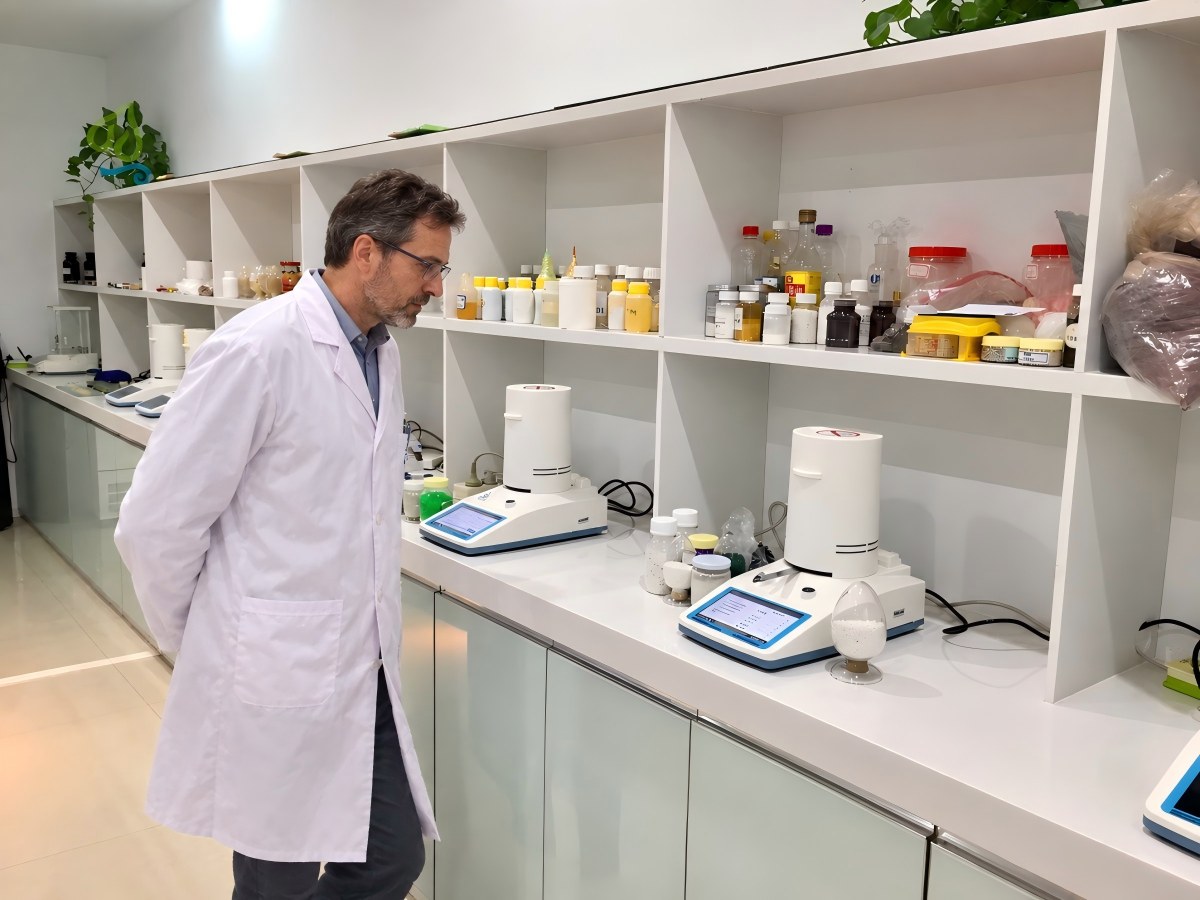
Send your material analysis, feed size, required fineness, capacity and intended application. Liming Heavy Industry can evaluate a suitable grinding process and equipment configuration.
It is gypsum-containing material generated as a secondary product during industrial processes, including flue-gas desulfurization and phosphoric acid production.
Suitable FGD gypsum can be processed into powder. The grinding system should be selected according to material condition, feed size, required fineness and capacity.
Potentially, depending on its chemical composition, impurities and intended application. Material analysis should be completed before process design.
MTW European Grinding Mill and LM Vertical Roller Mill can both be considered for conventional gypsum powder production, depending on project conditions.
Material type, chemical analysis, capacity, feed size, required fineness and final application are useful for preliminary engineering evaluation.


