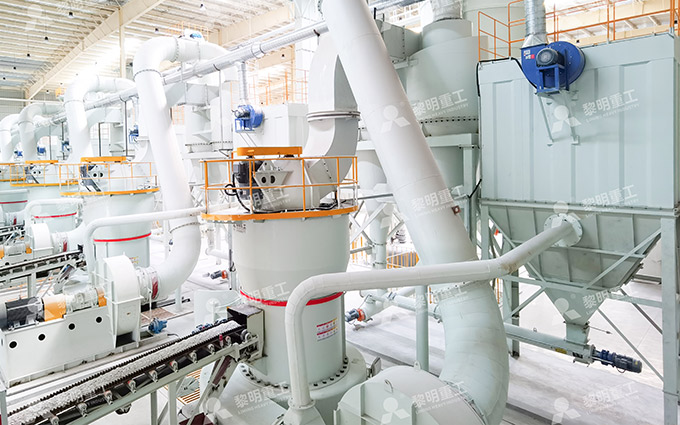
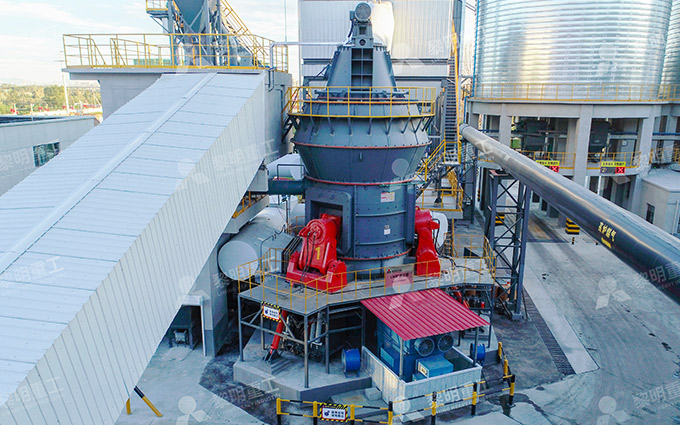
Industrial By-product Gypsum Solutions
What Fineness Can a Gypsum Grinding Mill Produce?
2026-09-08 16:09:52
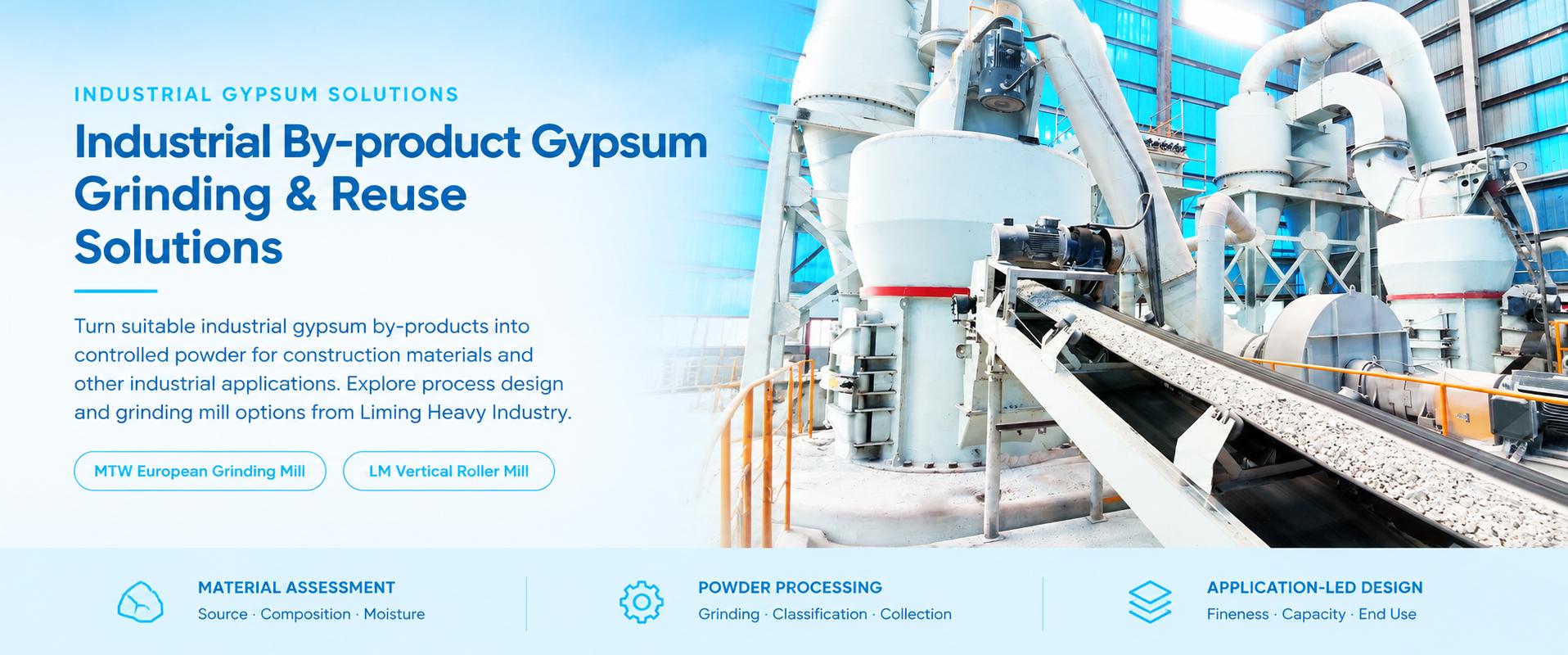
A gypsum grinding mill can produce a wide range of powder fineness, commonly from about 20 mesh to 400 mesh for conventional industrial applications. The practical fineness range depends on the mill type, gypsum moisture, feed condition, required capacity, classifier configuration and final application.
For industrial by-product gypsum, the correct fineness should be selected according to the end use rather than simply choosing the finest possible powder. MTW European Grinding Mill, LM Vertical Roller Mill and Raymond mill are mainly suitable for conventional gypsum powder production. They can generally be configured for standard industrial fineness ranges used in cement, gypsum-based building materials, plaster, dry mortar and related applications.
Typical Gypsum Powder Fineness Range
Gypsum powder fineness may be specified by mesh, micrometers, particle-size distribution, sieve residue or specific surface area. Mesh is widely used in industrial communication, but it is only an approximate reference because the result depends on screen standards and powder shape.
| Approximate fineness | Approximate particle size | Typical gypsum-processing direction |
|---|---|---|
| 20–40 mesh | About 850–425 micrometers | Coarse gypsum powder, pre-ground material or feed for further processing |
| 60–80 mesh | About 250–180 micrometers | Coarse-to-medium industrial gypsum powder |
| 100–150 mesh | About 150–100 micrometers | Conventional gypsum powder for selected cement and building-material uses |
| 200 mesh | About 75 micrometers | Medium-fine gypsum powder for controlled blending and construction-material applications |
| 250–325 mesh | About 61–45 micrometers | Fine conventional gypsum powder for cement, dry mortar, plaster and selected gypsum-based products |
| 400 mesh | About 38 micrometers | Fine industrial gypsum powder where tighter particle-size control is required |
These values are approximate. For example, 325 mesh is often used as a general reference for powder around 45 micrometers, while 400 mesh is often associated with about 38 micrometers. A purchase specification should also state the accepted test method, such as sieve residue, laser particle-size distribution, D50, D90 or specific surface area.
What Fineness Is Suitable for Common Gypsum Applications?
The best gypsum powder fineness depends on how the material will be used. Different industries may use the same term, such as “200 mesh gypsum,” while applying different test methods or acceptance limits. The receiving customer’s specification should always be the final reference.
Gypsum for cement production
Gypsum used as a cement set regulator should be fine enough to blend and distribute consistently with clinker or other cement constituents. The exact particle-size requirement depends on the cement plant’s grinding system, clinker characteristics, sulfate target and desired setting behavior.
In many cement-related applications, conventional gypsum powder in the approximate range of 100–325 mesh may be evaluated. The final target should be verified through cement tests for setting time, sulfate balance, strength development and handling performance.
Gypsum for plaster and gypsum-based building materials
Plaster and gypsum-based building materials often require controlled medium-fine powder. The particle-size distribution can affect water demand, setting behavior, powder flow, mixing consistency and product strength.
Depending on the product and calcination route, a powder range of approximately 100–325 mesh may be considered. However, the correct fineness should be confirmed through laboratory and production trials because different plaster formulations respond differently to powder size.
Gypsum for dry mortar
Gypsum used in dry mortar needs suitable flowability and blending consistency. Powder that is too coarse may not distribute evenly in the dry mix, while excessively fine powder may increase dust, change water demand or increase grinding energy without improving final mortar performance.
For many dry-mortar formulations, controlled gypsum powder in the approximate range of 150–325 mesh may be evaluated. The target should be set through formulation testing and the requirements of the dry-mortar producer.
Gypsum for gypsum board
Gypsum board production has specific requirements for the raw gypsum and calcined stucco feed. The process may involve grinding before calcination, after calcination or at another point in the board-manufacturing route.
For board production, particle size should be selected according to calciner performance, desired surface area, water demand, slurry behavior, setting rate and board quality. A fixed mesh number alone is not enough. The board manufacturer’s process specification should define the required fineness.
Gypsum for other industrial applications
Some industrial applications may require coarser material for blending or further processing, while others may require finer powder for improved dispersion. The material’s purity, particle shape, moisture and chemical profile may be as important as fineness.
For industrial by-product gypsum, the end use must first be confirmed. Grinding can control particle size, but it cannot remove impurities or establish that a material is suitable for a specific product category.
Fineness Range of Common Gypsum Grinding Mills
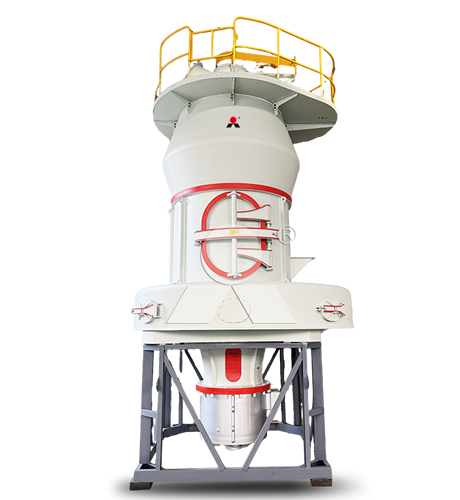
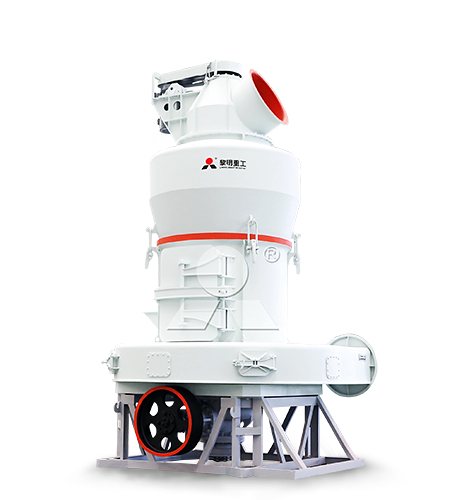
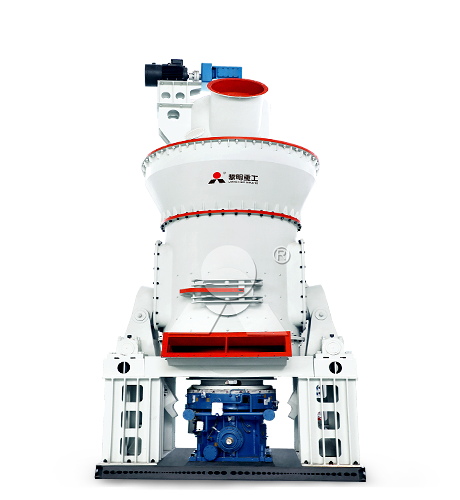
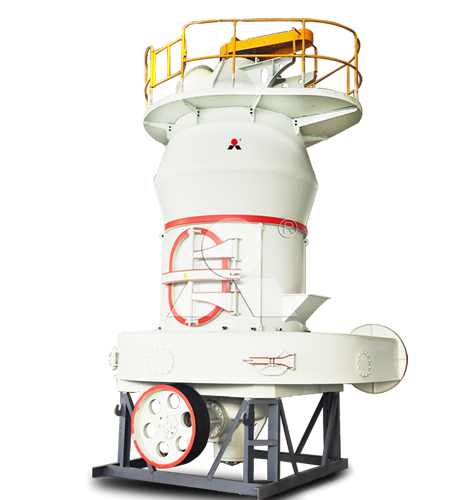
MTW European Grinding Mill, LM Vertical Roller Mill and Raymond mill can all be used for conventional gypsum powder production. Their final operating range depends on mill model, classifier design, airflow, feed condition and production target.
| Mill type | Typical gypsum powder range | Best-fit condition |
|---|---|---|
| MTW European Grinding Mill | Approximately 20–400 mesh | Small-to-medium capacity, prepared gypsum and controlled conventional powder production |
| LM Vertical Roller Mill | Approximately 80–400 mesh, depending on configuration | Medium-to-large capacity, continuous production and projects requiring drying integration |
| Raymond mill | Approximately 80–325 mesh | Moderate output, dry and stable feed, conventional gypsum powder |
Liming Heavy Industry lists MTW European Type Raymond Mill with a discharge fineness of 1.6–0.038 mm. The fine end of 0.038 mm is approximately 400 mesh under common mesh references. The listed nominal capacity range is 3–55 tonnes per hour, with actual output depending on the model and material condition.
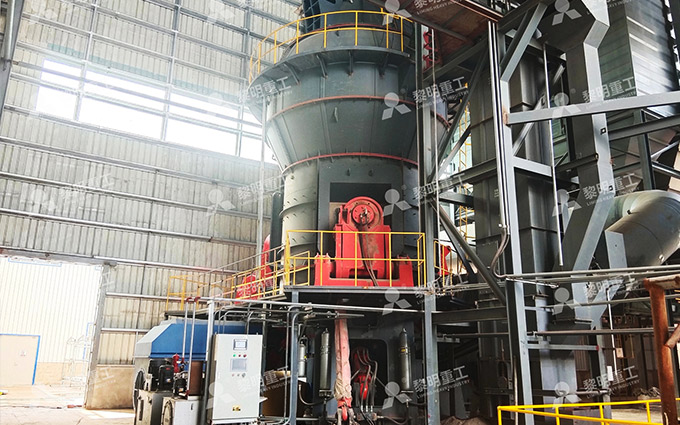
For LM Vertical Roller Mill, published Liming Heavy Industry information describes a system that integrates grinding, drying and classification, with capacity ranges that vary by model and material. It is commonly selected for higher-capacity gypsum powder lines or material that has meaningful drying demand.
Raymond mill systems are commonly used for conventional non-metallic mineral powder in approximately the 80–325 mesh range. Published equipment guidance for gypsum and other low-hardness minerals gives a typical finished-product range of about 0.173–0.044 mm, corresponding approximately to 80–325 mesh.
How Fineness Affects Production Capacity
Higher fineness usually reduces production capacity. When the mill is required to produce finer gypsum powder, more material must be ground and the classifier must reject more coarse particles back to the grinding zone. This increases grinding work, circulating load, airflow demand and energy consumption.
For example, the same gypsum mill may produce a higher output at 100 mesh than at 325 mesh. A capacity proposal should therefore state both the required tonnes per hour and the final powder fineness. A capacity figure without a fineness requirement does not provide enough information for equipment selection.
The relationship between fineness and capacity is also affected by:
Gypsum source and purity
Free moisture and drying requirement
Feed size and degree of agglomeration
Feed-rate stability
Classifier settings
Airflow and dust-collection performance
Grinding-component condition
Required particle-size distribution, not only average size
How Moisture Affects Achievable Fineness
Moisture can make it difficult to achieve stable fine powder. Wet industrial gypsum may stick inside the feeding system, grinding chamber, classifier or collection ducts. This can reduce output, cause unstable powder size and increase the risk of finished-powder caking.
For MTW European Grinding Mill and Raymond mill, gypsum generally needs to be dry or adequately conditioned before grinding. If feed moisture is too high, the process may require dewatering, drying, deagglomeration or covered storage before the material enters the mill.
LM Vertical Roller Mill can be considered when the gypsum has moderate moisture and the project benefits from integrated drying, grinding and classification. Its final design must be based on actual evaporation duty, available hot-gas conditions, target fineness and required finished-powder capacity.
Mesh, Micrometers and Particle-Size Distribution
Mesh is convenient for general communication, but it does not fully describe the powder. Two gypsum powders described as 325 mesh may have different particle-size distributions, surface areas and application performance.
For a more complete specification, define:
Target average particle size, such as D50
Coarse-particle limit, such as D90 or sieve residue
Percentage passing through a defined screen
Specific surface area where relevant
Moisture content of finished powder
Bulk density and flowability where relevant
This is especially important for cement, plaster, dry mortar and gypsum board applications, where powder behavior can depend on the entire particle-size distribution rather than on one mesh number.
How to Choose the Right Gypsum Fineness
A practical selection procedure is:
Define the final application for the gypsum powder.
Obtain the receiving customer’s quality specification.
Confirm whether the material is used as dihydrate gypsum, calcined gypsum or part of another formulation.
Select a preliminary fineness range based on the application.
Run laboratory or production trials to confirm setting behavior, blending performance, water demand and other relevant properties.
Set the final fineness specification using a measurable test method.
Select the mill based on finished-powder capacity at that fineness.
For industrial by-product gypsum, material quality should be confirmed before fineness optimization begins. FGD gypsum, phosphogypsum and other by-products can require different preparation, drying and impurity-control routes even when the final powder mesh target appears similar.
Information Needed for a Fineness Recommendation
To recommend a gypsum grinding fineness and suitable mill configuration, provide:
Gypsum source and material analysis
Free-moisture range and feed condition
Final application and customer specification
Required powder fineness or particle-size target
Required finished-powder capacity
Need for drying or calcination
Available heat source if drying is required
Storage, packing and delivery method
Conclusion
A gypsum grinding mill can typically produce conventional industrial gypsum powder from about 20 mesh to 400 mesh. MTW European Grinding Mill can be considered for approximately 20–400 mesh gypsum powder at small-to-medium capacity. LM Vertical Roller Mill is suitable for higher-capacity production and projects that require integrated drying, with typical conventional powder ranges around 80–400 mesh. Raymond mill is suitable for dry, stable gypsum feed and conventional powder commonly in the 80–325 mesh range.
The best fineness depends on the final application. Cement, gypsum board, plaster, dry mortar and other industrial products can require different particle-size distributions. Final mill selection should be based on the required finished-powder capacity at the specified fineness, together with feed moisture, material condition and the need for drying.