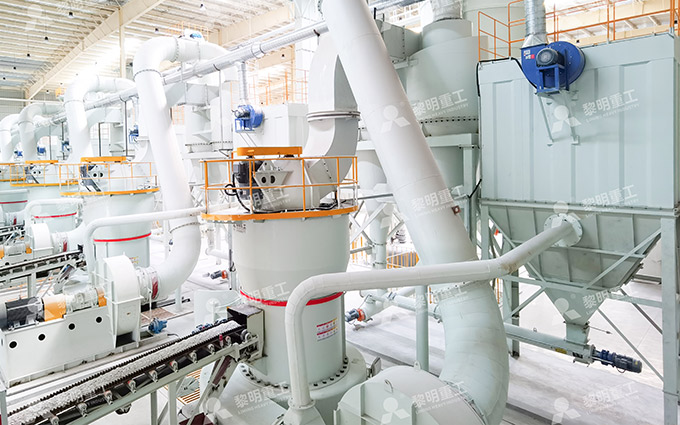
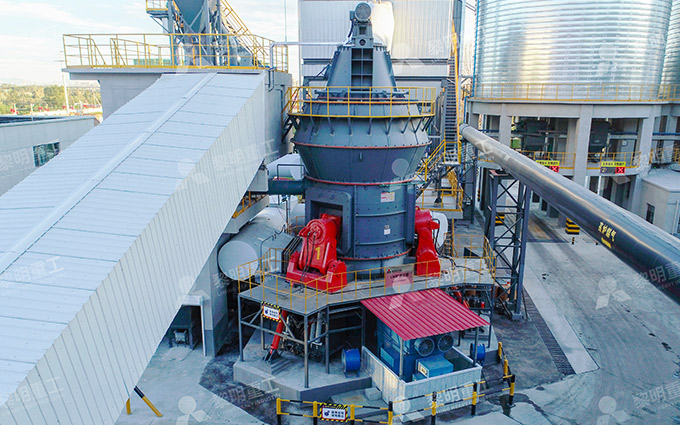
Industrial By-product Gypsum Solutions
LM Vertical Roller Mill for Gypsum Grinding: When to Choose It?
2026-09-08 16:08:29
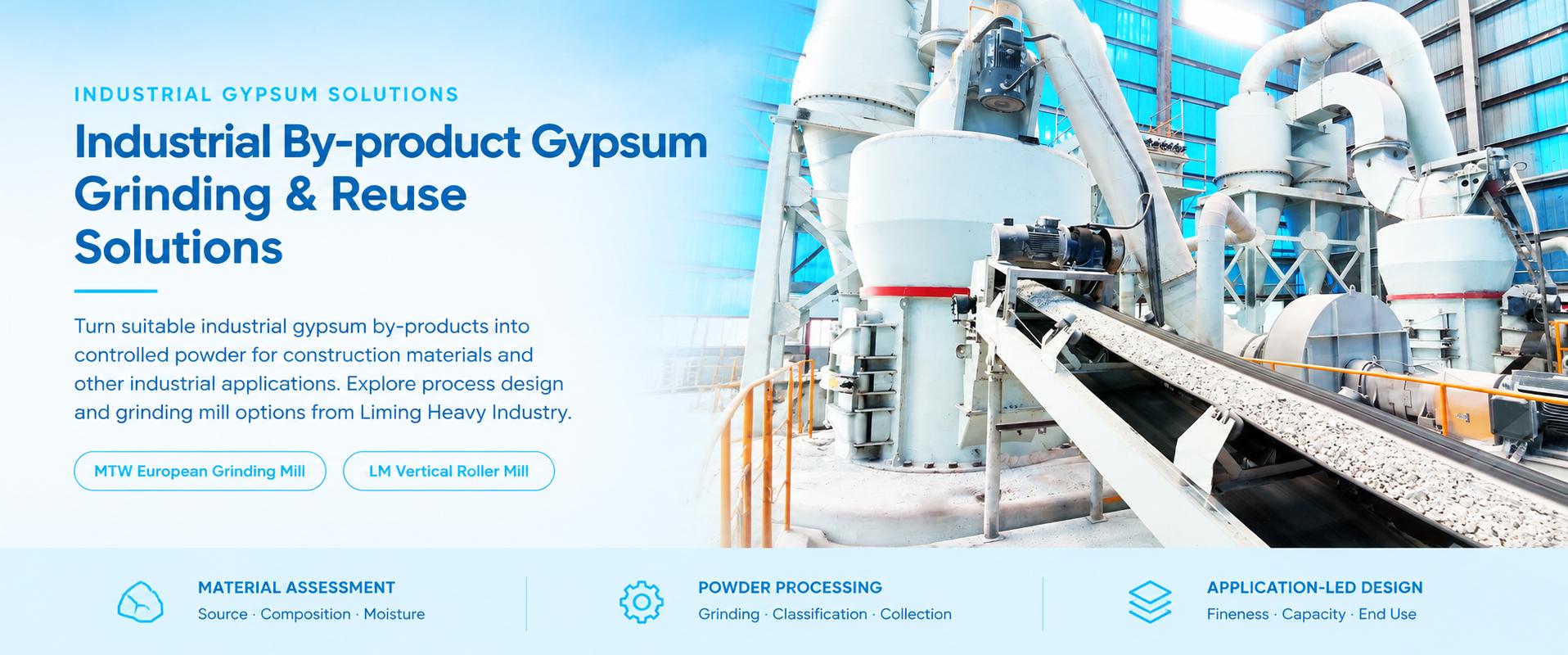
LM Vertical Roller Mill is a strong choice for gypsum grinding when a project requires high production capacity, continuous operation, controlled powder fineness and the ability to integrate drying with grinding and classification. It is particularly suitable for industrial by-product gypsum with moderate or variable free moisture, including FGD gypsum and properly evaluated phosphogypsum.
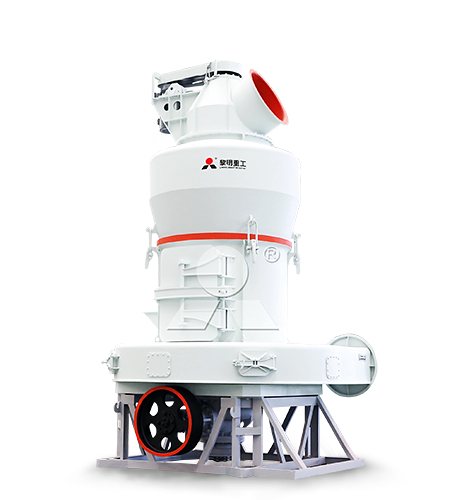
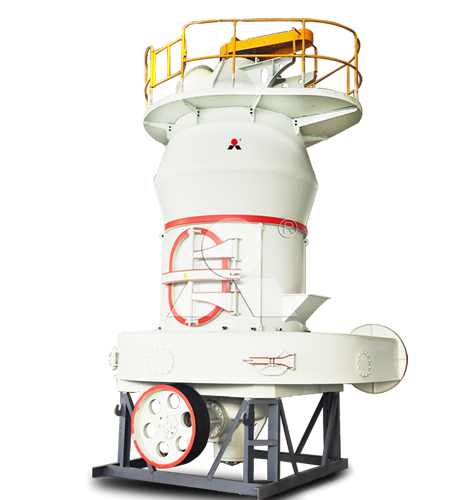
It is not automatically the best solution for every gypsum project. For prepared, low-moisture material with a modest output requirement, MTW European Grinding Mill or Raymond mill may be more appropriate. LM Vertical Roller Mill becomes easier to justify when moisture management, plant capacity, process integration and long-term continuous production are the main priorities.
What Is an LM Vertical Roller Mill?
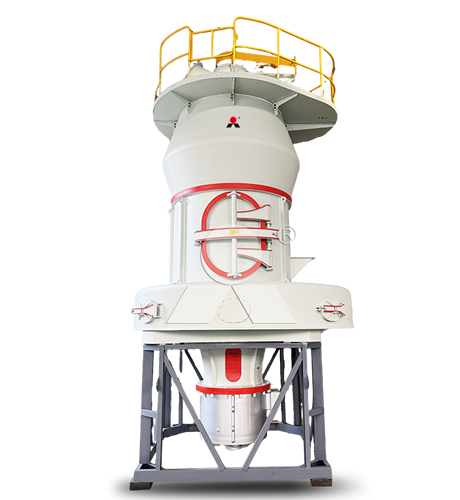
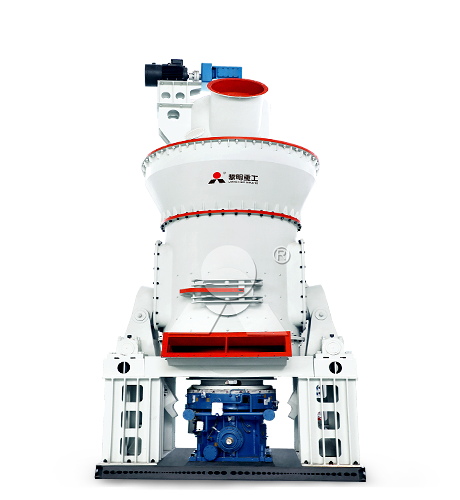
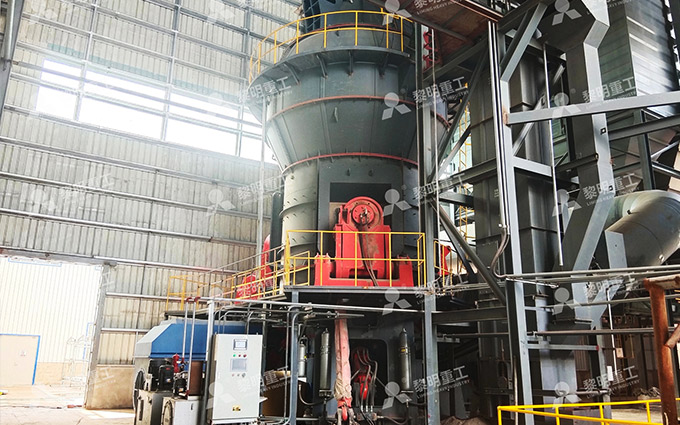
LM Vertical Roller Mill is a vertical grinding system in which material is fed onto a rotating grinding table and ground between the table and grinding rollers. Hot gas can be introduced into the mill to dry the material, while an integrated classifier separates qualified fine powder from coarse particles.
In a typical gypsum processing arrangement, the system can combine several functions in one process:
Feeding and material distribution
Grinding and particle-size reduction
Drying with controlled hot-gas flow when required
Air classification and fineness control
Pneumatic transport of finished powder
Powder collection through a dust-control system
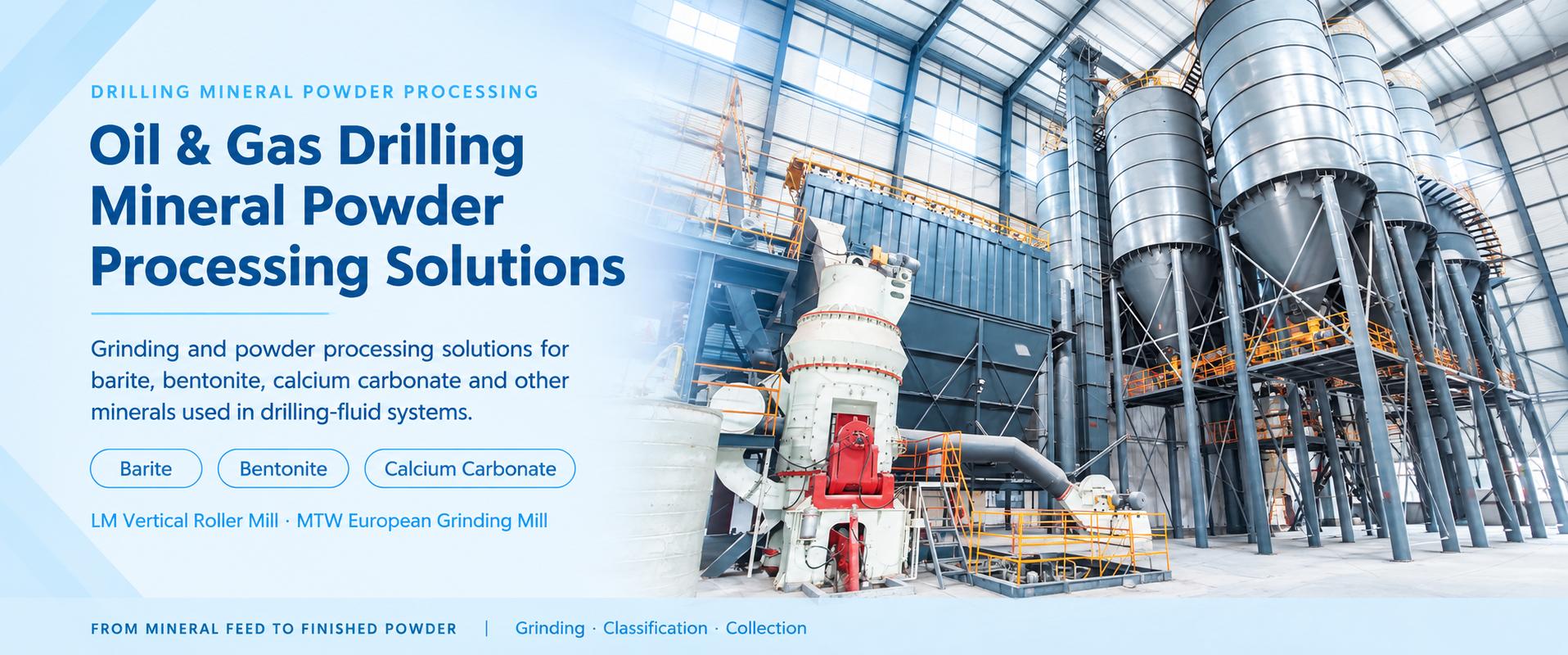
Liming Heavy Industry describes LM Vertical Mill as a system that integrates grinding, drying and classification. Published product information lists capacity ranges from 10–250 t/h and, on some configurations, up to 400 t/h depending on model and material conditions.
When Should You Choose LM Vertical Roller Mill?
LM Vertical Roller Mill should be considered when the project needs more than simple dry grinding. It is most suitable when the gypsum source, capacity target and plant layout benefit from an integrated process system.
Choose LM Vertical Roller Mill for high-capacity production
LM Vertical Roller Mill is suitable for medium-to-large gypsum powder plants and high-throughput continuous production lines. It can be selected when output requirements exceed the practical range of a conventional small-to-medium grinding system or when the plant needs a centralized production line with stable operation.
High capacity should be defined as finished dry powder output at the specified fineness. Wet-feed tonnage does not represent finished-powder capacity because part of the incoming mass may be removed as water during drying.
For industrial gypsum projects above approximately 20 tonnes per hour, vertical roller mills are often evaluated because grinding, drying and classification can be integrated into one system. The final model should still be selected according to moisture, target fineness, available heat source and actual material properties.
Choose LM Vertical Roller Mill for moist gypsum
Moisture is one of the strongest reasons to select LM Vertical Roller Mill. FGD gypsum is frequently supplied as moist filter cake after washing and dewatering. Phosphogypsum can also have high or variable moisture because of wet production, stockpile storage and weather exposure.
When the material has moderate free moisture, the LM system can use controlled hot-air flow to dry the gypsum during grinding. This reduces the need for a separate dryer and can simplify the overall process layout.
The system should not be selected only because the material is wet. The engineering team must calculate the actual evaporation load based on feed moisture, finished-powder moisture and required dry-powder output. The available heat source, gas temperature, airflow, fan capacity, dust collection and powder conveying must all match this drying load.
Choose LM Vertical Roller Mill for integrated processing
LM Vertical Roller Mill is appropriate when the project benefits from combining drying, grinding and classification in one continuous process. This can reduce material-transfer points, simplify plant layout and support centralized process control.
Integrated processing is particularly valuable when the gypsum is difficult to handle after filtration or stockpiling. Instead of using separate dryers, conveyors, intermediate storage and conventional mills, the project can use a more compact system designed around continuous material flow.
Choose LM Vertical Roller Mill for variable feed conditions
Industrial by-product gypsum can vary in moisture, bulk density, agglomeration and flowability. FGD gypsum can change with dewatering performance and washing conditions. Phosphogypsum can vary between fresh material, aged stockpile material and rain-exposed material.
LM Vertical Roller Mill can provide greater process flexibility for projects with normal operating variation, especially when drying and classification are controlled through the integrated gas and mill system. However, large or sudden changes in feed quality still require upstream management. The mill cannot remove unsuitable impurities or compensate for severely inconsistent material supply.
When MTW European Grinding Mill or Raymond Mill May Be Better
LM Vertical Roller Mill is not always necessary. A smaller and simpler system may be more economical when the feed is already dry, stable and properly prepared.
| Project condition | More suitable direction | Reason |
|---|---|---|
| Small-to-medium capacity, prepared gypsum, low moisture | MTW European Grinding Mill | Suitable for conventional controlled gypsum powder with a compact grinding system. |
| Moderate output, dry and stable feed, conventional powder | Raymond mill | Practical for standard gypsum powder production when major drying duty is not required. |
| High capacity, continuous operation, moderate-to-high moisture | LM Vertical Roller Mill | Can integrate drying, grinding and classification within one process arrangement. |
| High-moisture filter cake with large drying load | LM Vertical Roller Mill or a separate drying stage | Selection depends on evaporation load, heat source, capacity and material-handling requirements. |
| Wet, sticky material with severe agglomeration | Feed preparation first | Dewatering, lump breaking and controlled feeding may be necessary before any mill. |
For a project with dry, low-moisture gypsum and a modest capacity requirement, an LM Vertical Roller Mill may add unnecessary capital cost and process complexity. The right selection is the system that matches the actual production requirement rather than the largest available machine.
LM Vertical Roller Mill for FGD Gypsum
LM Vertical Roller Mill is particularly suitable for FGD gypsum grinding when the material has moderate moisture, the project requires significant output and the plant benefits from drying integration. FGD gypsum is commonly obtained as a moist filter cake after flue-gas desulfurization, oxidation, washing and dewatering.
The integrated hot-gas flow can reduce free moisture while the material is ground and classified. This can improve handling and reduce the number of separate process stages. However, FGD gypsum should still be evaluated for moisture variation, residual salts, chloride, sulfite-related components, gypsum content and final-use requirements before the mill is selected.
For gypsum grinding, LM Vertical Roller Mill systems can provide controlled powder in typical industrial fineness ranges. Published vertical-mill specifications for non-metallic minerals show product-size capability in the approximate range of 80–425 mesh, depending on model and configuration.
LM Vertical Roller Mill for Phosphogypsum
LM Vertical Roller Mill can be considered for phosphogypsum when the project requires high capacity and the material has been properly evaluated for its intended application. It is especially relevant when phosphogypsum has moderate-to-high moisture and needs drying before or during powder production.
Phosphogypsum may require pre-treatment before it enters the mill. Depending on the source and intended use, this may include washing, neutralization, dewatering, drying, lump breaking, blending or other impurity-management steps. Grinding improves particle-size control, but it does not remove soluble phosphorus, fluoride-related compounds, acidity, trace constituents or other source-specific impurities.
For medium and large phosphogypsum powder-production lines, vertical roller mills can simultaneously perform grinding, drying and classification when the process is correctly designed.
Capacity and Fineness Considerations
LM Vertical Roller Mill capacity depends on the required finished-powder fineness, feed moisture and material condition. A mill can normally produce more tonnes per hour at a coarser powder specification than at a finer one. Higher moisture also increases drying duty and may reduce the available grinding capacity.
Liming Heavy Industry’s published LM Vertical Mill product information states a 10–400 t/h capacity range, while actual output must be confirmed by the selected model, gypsum source, feed size, moisture, fineness and process configuration.
| Selection factor | How it affects LM Vertical Roller Mill design |
|---|---|
| Feed moisture | Determines required evaporation load, hot-gas flow and drying-system configuration. |
| Finished-powder capacity | Determines mill size, table diameter, grinding force, fan capacity and downstream handling design. |
| Target fineness | Determines classifier settings, circulating load, grinding demand and achievable output. |
| Feed size and agglomeration | May require crushing, deagglomeration or controlled feed preparation before the mill. |
| Heat source | Determines whether integrated drying is technically and economically feasible. |
| Gypsum source | Determines moisture behavior, impurity control needs and end-use quality requirements. |
| Final application | Defines required fineness, powder moisture, consistency and quality-control methods. |
How Integrated Drying Works
In an LM Vertical Roller Mill system, hot gas enters the mill and contacts the gypsum during grinding. As the material is spread across the grinding table and transported by airflow, free moisture can evaporate. The gas stream also carries fine powder toward the classifier and collection system.
The drying system must be designed carefully. The objective is to remove enough free moisture for stable grinding and finished-powder handling without causing uncontrolled dehydration of calcium sulfate dihydrate when the product is intended to remain dihydrate gypsum.
Important drying-design parameters include:
Minimum, average and maximum feed moisture
Required finished-powder moisture
Required dry-powder capacity
Available hot-gas temperature and flow rate
Expected evaporation duty
Material residence time in the grinding system
Outlet gas temperature
Dust-collection capacity and gas-handling balance
For example, if a plant receives 30 tonnes per hour of gypsum at 15% free moisture and requires finished powder at 2% moisture, it must remove approximately 4.0 tonnes of water per hour. The mill, hot-gas system and dust collector must be designed for this evaporation requirement in addition to the grinding load.
Feed Preparation Still Matters
Integrated drying does not eliminate the need for feed preparation. Industrial gypsum may contain compacted filter cake, wet lumps, foreign material or stockpile agglomerates that cannot be fed consistently into the mill.
A complete LM Vertical Roller Mill gypsum line may still require:
Covered raw-material storage
Sampling and moisture control
Screening and foreign-material removal
Lump breaking or deagglomeration
Stable feeding equipment
Hot-gas generation or connection to an available heat source
Powder collection and dust control
Finished-powder silo storage and loading equipment
For phosphogypsum, material evaluation and any necessary impurity-control treatment must be completed before or alongside grinding. The vertical mill can handle size reduction and drying, but it does not replace chemical treatment or end-use compliance testing.
Advantages of LM Vertical Roller Mill for Gypsum
Suitable for high-capacity, continuous gypsum powder production.
Can integrate drying, grinding and classification in one system.
Can be adapted for gypsum with moderate moisture when a suitable heat source is available.
Supports controlled powder fineness through adjustable classification.
Can reduce separate equipment stages and transfer points in large processing lines.
Supports centralized process control for feed rate, grinding pressure, airflow and classifier operation.
Can be configured for FGD gypsum, phosphogypsum and other suitable industrial gypsum sources after material evaluation.
Limits and Design Considerations
LM Vertical Roller Mill is a complete process system rather than only a grinding machine. It requires careful engineering of the feed system, heat source, gas circuit, dust collector, fans, conveying equipment, storage and automation.
It may not be the best choice when:
The required output is low and the feed is already dry.
The project does not have a reliable heat source for integrated drying.
The material requires extensive chemical treatment before it can be used.
The plant has limited capital budget for a high-capacity integrated system.
The gypsum source is highly inconsistent and upstream material management has not been addressed.
In these conditions, a separate dryer combined with MTW European Grinding Mill or Raymond mill may be more practical. The final selection should compare total process cost, not only the purchase price of the mill.
Information Needed for LM Vertical Roller Mill Selection
To evaluate LM Vertical Roller Mill for gypsum grinding, the following project data is needed:
Gypsum type and source process
Representative chemical analysis and gypsum content
Minimum, average and maximum free moisture
Feed form, maximum lump size and degree of agglomeration
Required finished-powder capacity in tonnes per hour
Required powder fineness and particle-size testing method
Required finished-powder moisture
Final application, such as cement, gypsum board, plaster or dry mortar
Available heat source, gas temperature and fuel conditions
Plant layout, electrical supply, dust-control and automation requirements
Raw-material and finished-powder storage requirements
Conclusion
Choose LM Vertical Roller Mill for gypsum grinding when the project requires high capacity, continuous production and integrated drying, grinding and classification. It is especially suitable for FGD gypsum and prepared phosphogypsum with moderate moisture, provided that material quality and final-use requirements have been confirmed.
For dry, stable gypsum and small-to-medium capacity requirements, MTW European Grinding Mill or Raymond mill may be a more economical option. The right decision depends on finished-powder capacity, target fineness, feed moisture, drying duty, available heat source and the total process arrangement.
LM Vertical Roller Mill should be selected through representative material testing and a complete process calculation. When the mill, drying system and feed preparation are matched to the actual gypsum source, it can provide a compact and efficient solution for large-scale industrial gypsum powder production.