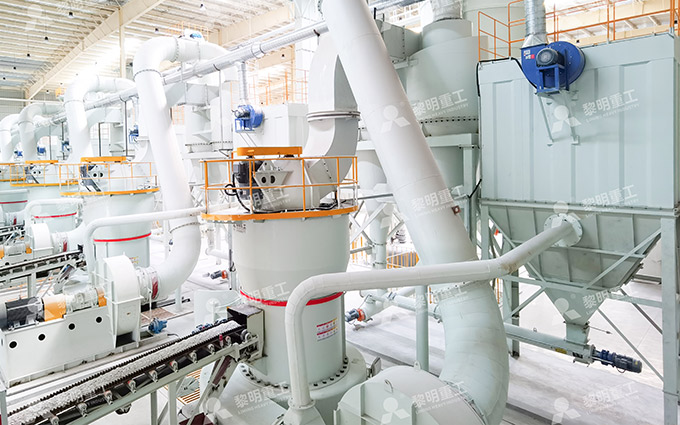
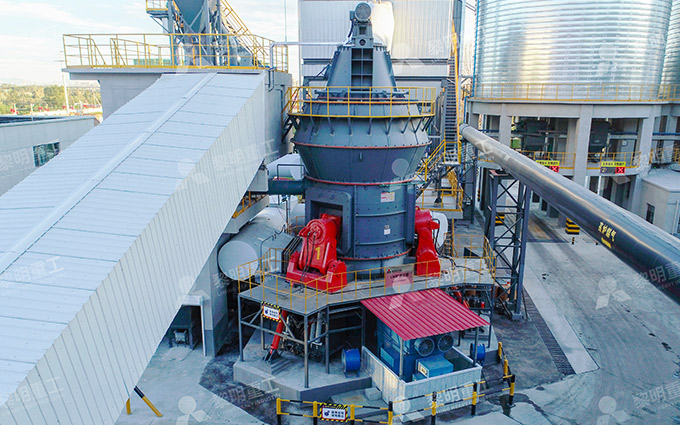
Industrial By-product Gypsum Solutions
Phosphogypsum Grinding Mill Selection for Powder Production
2026-09-08 16:04:30
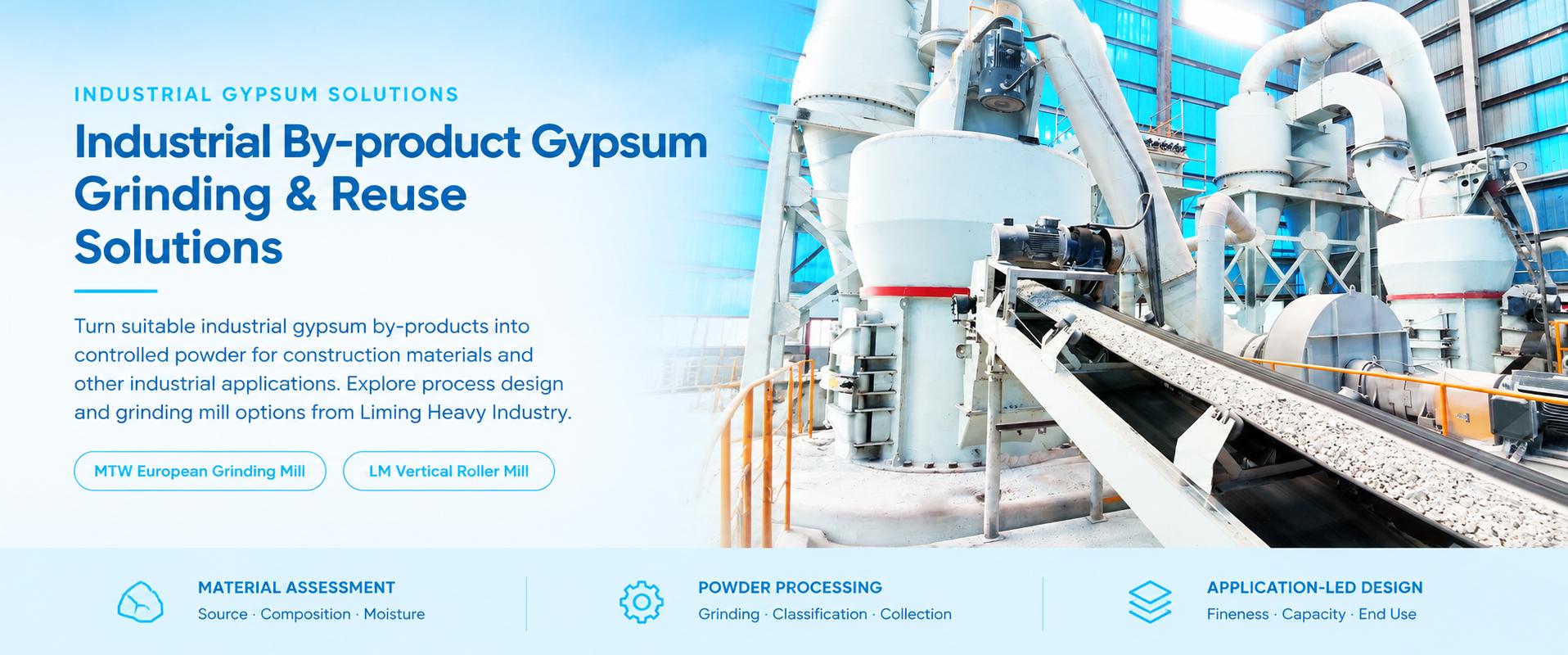
Selecting a phosphogypsum grinding mill begins with the material, not the equipment model. Phosphogypsum can contain calcium sulfate dihydrate together with free moisture, soluble phosphorus, fluoride-related compounds, residual acidity, organic matter and other source-specific constituents. Before choosing a mill, the project must confirm whether the material is suitable for the intended application and whether it requires washing, neutralization, dewatering, drying or other pre-treatment.
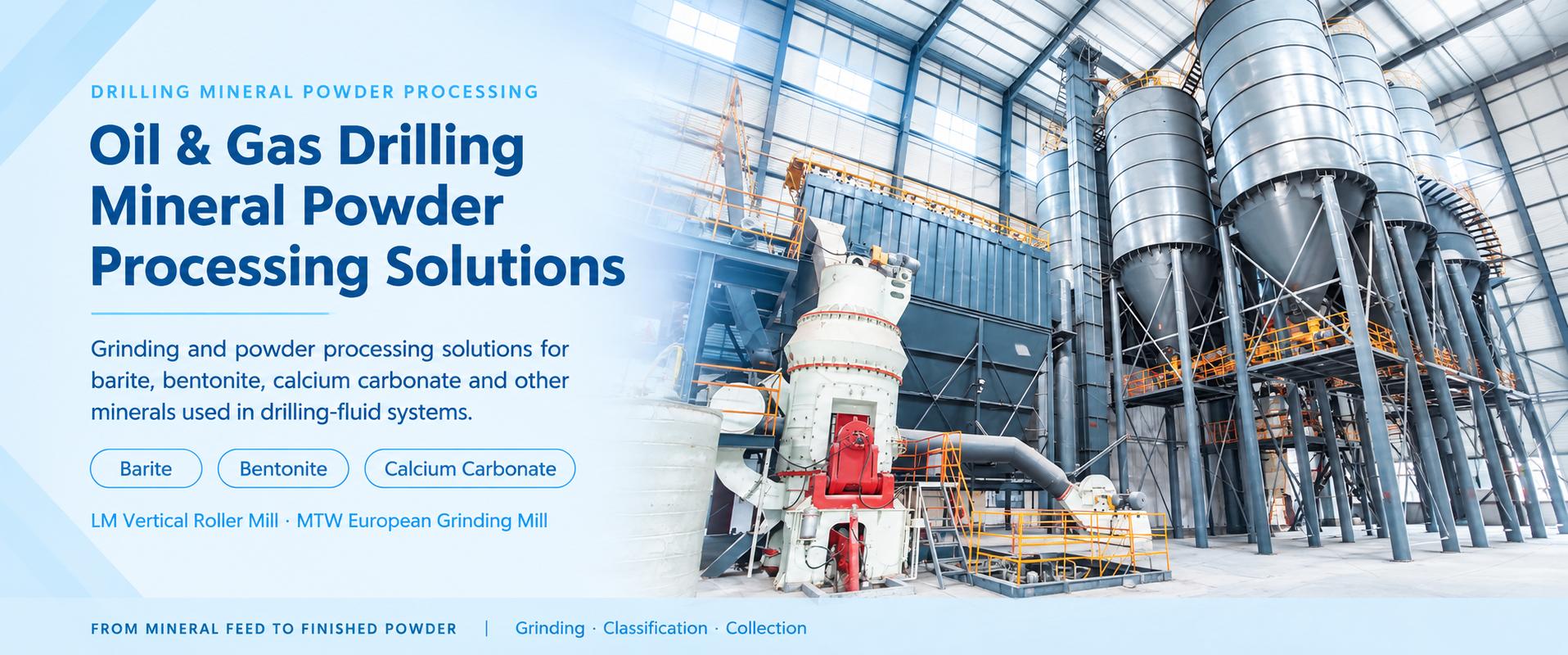
For suitable and properly prepared phosphogypsum, MTW European Grinding Mill, LM Vertical Roller Mill and Raymond mill can be considered for powder production. MTW European Grinding Mill is generally suitable for prepared small-to-medium capacity projects. LM Vertical Roller Mill is more suitable for high-capacity production and materials requiring integrated drying. Raymond mill can be considered for conventional powder production with dry, stable and adequately conditioned feed.
Why Phosphogypsum Mill Selection Requires Careful Evaluation
Phosphogypsum is generated during wet-process phosphoric acid production. Its main component is commonly calcium sulfate dihydrate, but the raw material is not identical to mined natural gypsum. Its chemical composition, moisture level, particle size and physical behavior can vary with phosphate rock origin, phosphoric acid production conditions, filtration performance, storage method and stockpile age.
Grinding can produce a controlled powder with improved uniformity, but it does not automatically remove unwanted constituents. If the intended application requires lower soluble phosphorus, fluoride-related compounds, acidity or other impurities, these issues must be addressed before or alongside the grinding stage.
Published reviews identify physical, chemical and thermal methods for phosphogypsum pre-treatment. Physical methods can include water washing, flotation, screening, aging and milling, while other projects may require more specific impurity-control measures according to the final application.
First Confirm the Final Application
The required grinding process depends on what the powder will be used for. A phosphogypsum powder line designed for cement use may have different requirements from one supplying gypsum-based building materials, civil-engineering materials or a specialized industrial process.
Before selecting a mill, define the final product specification:
Required powder fineness and particle-size distribution
Required finished-powder moisture
Required gypsum content and chemical composition
Permitted impurity levels for the intended application
Required hourly or annual production capacity
Finished-powder storage, packing and delivery method
Applicable environmental, product-quality and regulatory requirements
The final application should determine whether grinding is the main treatment step or only one stage in a broader process. For some materials, washing, neutralization, dewatering, drying or calcination may be more important than the grinding mill itself.
Key Material Data Needed Before Mill Selection
Representative sampling is essential. Fresh phosphogypsum, aged stockpile material and material taken from different storage zones may have different moisture, lump size and impurity levels. A single sample may not represent normal operating conditions.
For preliminary mill selection, obtain the following information:
Phosphogypsum source and phosphoric acid production route
Calcium sulfate dihydrate content
Free moisture, total moisture and expected variation range
pH, residual acidity and soluble salts
Soluble phosphorus and fluoride-related compounds
Organic matter, trace elements and other source-specific impurities where required
Particle-size distribution and largest feed lump size
Bulk density, flowability and tendency to compact or bridge
Required final powder fineness
Required production capacity in tonnes per hour of finished powder
Need for drying, calcination, blending or other pre-treatment
Raw phosphogypsum recovered from a stack may behave like wet sand when moist and like fine silty sand after drying. Published data indicate that its particles can be relatively fine, but the material may still contain agglomerates and a wide size distribution depending on storage and processing history.
Moisture Is the Main Equipment-Selection Factor
Moisture affects feeding, conveying, drying, grinding, classification, dust collection and powder storage. Fresh phosphogypsum may have substantial free moisture and can become cohesive or sticky. Wet material may bridge in hoppers, adhere to conveyors, form lumps and reduce the stability of the grinding circuit.
For this reason, the project should distinguish between:
Moisture measured immediately after filtration or recovery
Moisture after transport or stockpiling
Minimum, average and maximum seasonal moisture
Finished-powder moisture required by the downstream customer
Some phosphogypsum sources can be processed after moderate conditioning, while high-moisture material may require mechanical dewatering and thermal drying before conventional milling. Industry guidance for phosphogypsum processing notes that high moisture can cause sticking, blockage and unstable powder quality if drying capacity is not matched to the feed condition.
Typical Phosphogypsum Powder Production Flow
A phosphogypsum grinding plant should be configured according to the material and final application. A typical process may include the following stages.
Material receiving and covered storage
Representative sampling and quality confirmation
Screening, lump breaking or deagglomeration
Washing, neutralization or other pre-treatment when required
Mechanical dewatering or thermal drying
Stable and controlled feeding
Grinding and particle-size reduction
Classification and fineness control
Powder collection and dust control
Finished-powder storage, packing or bulk loading
Continuous quality control and final-application verification
Not every project needs every stage. A dry, stable, pre-treated feed may only need deagglomeration, grinding and classification. A wet or impurity-sensitive feed may require a more complete process route before it reaches the mill.
MTW European Grinding Mill for Phosphogypsum
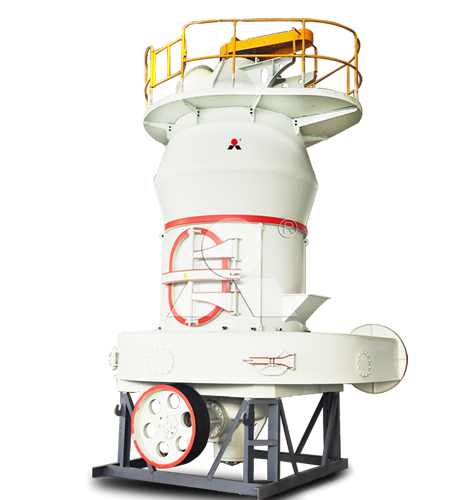
MTW European Grinding Mill can be considered for small-to-medium capacity phosphogypsum powder production where the feed has been properly prepared. It is suitable for projects that require controlled conventional powder fineness, stable classification and a compact grinding arrangement.
For MTW European Grinding Mill, the phosphogypsum should have controlled moisture and stable feed behavior. If the material arrives as wet filter cake, sticky stockpile material or large compacted lumps, upstream dewatering, drying and deagglomeration may be required.
Suitable project conditions for MTW European Grinding Mill
Small-to-medium finished-powder capacity requirement
Prepared phosphogypsum with stable and manageable moisture
Conventional industrial powder fineness requirement
Controlled feed size and limited agglomeration
Separate drying available when the incoming material is too wet
Need for stable classification and consistent powder output
When MTW European Grinding Mill may not be the first choice
MTW European Grinding Mill may not be the most suitable first option when the project has a large drying load, highly variable moisture, very high continuous capacity requirements or a need to combine drying, grinding and classification in a highly integrated layout. In these situations, LM Vertical Roller Mill may provide a more suitable process direction.
LM Vertical Roller Mill for Phosphogypsum
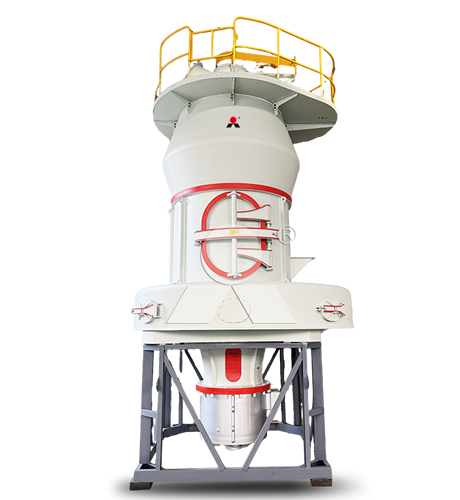
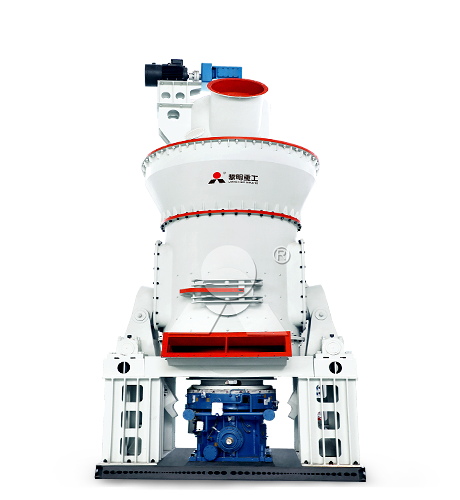
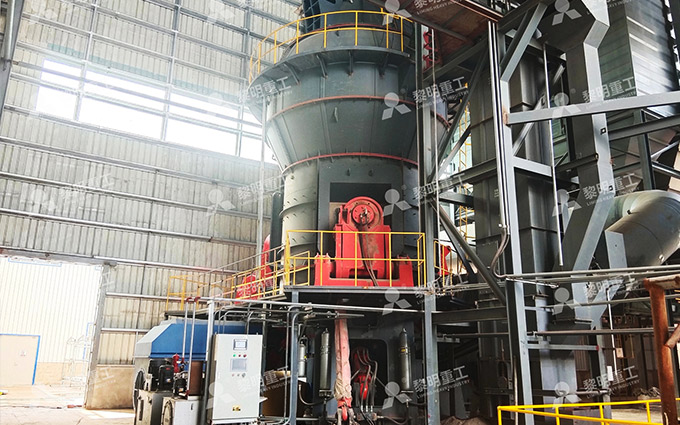
LM Vertical Roller Mill is suitable for high-capacity phosphogypsum powder projects and applications where drying is an important part of the process. It can combine grinding, classification and drying through an integrated airflow system when the feed condition, available heat source and plant design support this arrangement.
This integrated approach can reduce material transfers between separate equipment stages and support continuous operation. It is particularly useful when phosphogypsum has moderate-to-high moisture, when moisture varies during normal production or when the project requires large finished-powder output.
Suitable project conditions for LM Vertical Roller Mill
Medium-to-large or high-capacity powder production requirement
Phosphogypsum with moderate-to-high moisture content
Requirement for integrated drying, grinding and classification
Continuous operation with stable finished-powder quality
Available hot-gas source for the required evaporation duty
Need for a compact overall plant layout
Drying design for LM Vertical Roller Mill
The required drying capacity should be calculated from the actual feed moisture, expected moisture variation, target product moisture and desired finished-powder output. Wet-feed capacity and dry-powder capacity are not the same.
For example, a plant receiving 25 tonnes per hour of phosphogypsum at 20% free moisture and producing powder at 2% moisture must remove approximately 4.6 tonnes of water per hour before accounting for process losses and feed variation. The mill system, hot-gas source, fan, dust collector and conveying equipment must all be sized around this evaporation load.
Integrated drying is only effective when the heat source, airflow volume, material residence time and powder-collection system are correctly matched. Drying conditions should also be selected with the final application in mind because excessive temperature or poor control can affect product behavior.
Raymond Mill for Phosphogypsum
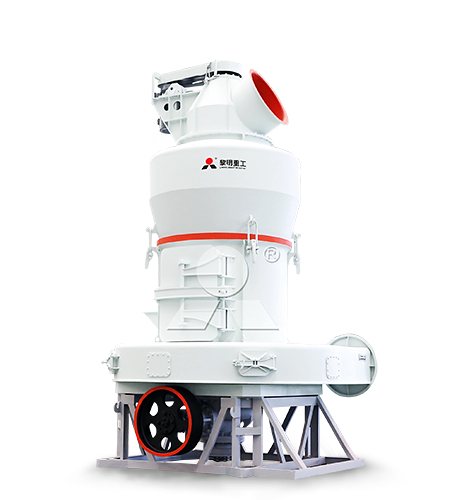
Raymond mill can be considered for conventional phosphogypsum powder production with moderate output requirements and relatively dry, stable feed. It is generally most suitable when the material has already been dewatered, dried as needed and deagglomerated before grinding.
Raymond mill can produce controlled gypsum powder for conventional industrial uses, but it should not be expected to manage severe feed-moisture variation or high drying duty without appropriate upstream equipment. A stable feed condition is important for maintaining grinding efficiency, classifier performance and powder consistency.
Suitable project conditions for Raymond mill
Moderate finished-powder capacity requirement
Dry or pre-dried phosphogypsum feed
Stable feed size and good flowability
Conventional gypsum powder fineness requirement
Limited need for integrated drying
Simple and established powder-processing route
Raymond mill feed requirements
Before using a Raymond mill, confirm that the phosphogypsum can flow consistently through hoppers, feeders and conveying equipment. If the material is sticky, highly moist or strongly agglomerated, the process should be improved before grinding through dewatering, drying, lump breaking or controlled blending.
MTW European Grinding Mill vs. LM Vertical Roller Mill vs. Raymond Mill
| Selection factor | MTW European Grinding Mill | LM Vertical Roller Mill | Raymond Mill |
|---|---|---|---|
| Suitable project scale | Small to medium capacity | Medium to large and high-capacity projects | Small to medium capacity |
| Best feed condition | Prepared, relatively stable phosphogypsum | Prepared feed with moderate-to-high moisture or drying demand | Dry, stable and adequately conditioned phosphogypsum |
| Moisture handling | Usually requires upstream drying if moisture is high | Can integrate drying and grinding when correctly designed | Best with dry or pre-dried feed |
| Grinding and classification | Controlled conventional powder grinding | Integrated grinding, drying and classification | Conventional grinding with air classification |
| Typical process layout | Compact conventional grinding line | Integrated high-capacity production line | Simple conventional powder line |
| Recommended use case | Prepared phosphogypsum requiring stable medium-fine powder | High-throughput phosphogypsum processing with moisture control | Conventional powder production with stable, low-moisture material |
How Target Fineness Affects Mill Choice
Target fineness affects mill output, energy consumption, classifier settings and powder collection. The required fineness should be based on the final product, not on a general assumption that finer powder is always better.
For cement-related applications, the powder should provide stable blending, handling and performance in the cement system. For gypsum-based materials, the particle-size distribution can affect water demand, setting behavior, powder flow and product strength. For specialized applications, the customer may require a defined residue, specific surface area or particle-size distribution.
As the required powder becomes finer, the mill usually produces less finished material per hour because more grinding and classification work is required. The production guarantee should therefore be based on the specified final fineness and actual feed condition.
Phosphogypsum may already contain a high proportion of fine particles. Mechanical grinding can improve dispersion and reduce larger particles, but excessive grinding can increase energy use and may not improve the target product. Published studies of wet grinding have shown a stronger refinement effect on larger phosphogypsum particles than on particles that are already fine.
Common Mill-Selection Mistakes
Selecting the mill before testing the material
Phosphogypsum quality can vary sharply between sources and even within one storage area. Choosing equipment before obtaining representative moisture, chemistry and particle-size data can lead to an undersized drying system, unstable feeding or unsuitable finished powder.
Using wet-feed tonnage as finished-powder capacity
Wet feed includes water. A plant processing 20 tonnes per hour of phosphogypsum at 20% moisture does not produce 20 tonnes per hour of dry powder. Capacity calculations should be based on dry solids, target final moisture and the evaporation duty of the drying system.
Assuming grinding removes impurities
Grinding improves particle-size control but does not remove soluble phosphorus, fluoride-related compounds, acidity or other chemical constituents. If the final application requires impurity reduction, the process may need washing, neutralization, separation, calcination, blending or another treatment step.
Ignoring feed variability
Fresh phosphogypsum, aged stack material and material exposed to rain can have different moisture and flowability. The feed system and drying capacity should be designed for realistic operating variation, not only for the best sample obtained during laboratory testing.
Ignoring final-use requirements
A powder suitable for one industrial application may not meet the requirements of another. The grinding line should be designed around a defined final product and verified through end-use testing before commercial-scale supply begins.
Recommended Selection Procedure
Identify the phosphogypsum source, production process and storage condition.
Collect representative samples from normal operating periods and different stockpile zones where needed.
Test gypsum content, moisture, pH, soluble impurities, particle size, flowability and other application-specific properties.
Confirm the intended final application and its acceptance criteria.
Determine whether washing, neutralization, dewatering, drying, calcination or blending is required.
Set the target powder fineness, finished-powder moisture and required dry-product capacity.
Select MTW European Grinding Mill for prepared small-to-medium capacity powder production.
Select LM Vertical Roller Mill for high-capacity projects or systems requiring integrated drying, grinding and classification.
Select Raymond mill for conventional processing of dry, stable and adequately prepared feed.
Confirm the final configuration through material trials, process calculation and end-use product testing.
Information Needed for a Preliminary Grinding Proposal
To evaluate a phosphogypsum grinding line, provide the following information:
Phosphogypsum source and original production process
Representative chemical analysis and calcium sulfate content
Free moisture, total moisture and expected moisture range
pH, soluble phosphorus, fluoride-related compounds and other relevant impurity data
Feed size, maximum lump size and physical condition
Required final powder fineness and test method
Required finished-powder output in tonnes per hour
Planned final application and target market
Need for impurity treatment, drying or calcination
Available heat source and energy conditions
Powder storage, packing, bulk-loading and dust-control requirements
Conclusion
The right phosphogypsum grinding mill depends on the prepared feed condition and the final powder requirement. MTW European Grinding Mill is suitable for small-to-medium capacity projects with controlled feed moisture and conventional powder specifications. LM Vertical Roller Mill is suitable for high-capacity phosphogypsum processing and projects that benefit from integrated drying, grinding and classification. Raymond mill is suitable for moderate-output powder production with dry, stable and properly conditioned feed.
Before selecting any mill, confirm the source-material quality, impurity profile, moisture range, target fineness, required dry-powder capacity and final application. A successful phosphogypsum powder project combines appropriate pre-treatment with the right grinding system, reliable quality control and verified acceptance by the intended end user.