Industrial By-product Gypsum Solutions
Can Industrial By-product Gypsum Be Used in Drywall and Wallboard?
2026-09-08 16:20:42
Yes, industrial by-product gypsum can be used in drywall and wallboard when it meets the board manufacturer’s chemical, physical, safety and regulatory requirements. FGD gypsum is the most established industrial source because it can be processed into high-purity synthetic gypsum with properties close to mined gypsum. Other sources, especially phosphogypsum, require much more extensive source-specific testing and may need purification or may be restricted in certain jurisdictions.
The important distinction is that gypsum board production requires a consistently controlled raw material. Grinding alone is not enough. The gypsum must have suitable purity, moisture, soluble-salt level, particle characteristics, calcination behavior and compatibility with the board-forming process.
How Gypsum Becomes Wallboard
Drywall, wallboard and gypsum board are made by converting calcium sulfate dihydrate into calcined gypsum, then allowing it to rehydrate and harden inside the board core.
The general process is:
Prepare natural gypsum or qualified industrial gypsum.
Dry and grind the feed to provide stable calciner input.
Calcine calcium sulfate dihydrate into calcium sulfate hemihydrate, commonly called stucco.
Mix stucco with water, foam and other additives.
Place the slurry between paper liners.
Allow the core to rehydrate and set as calcium sulfate dihydrate.
Cut, dry and finish the boards.
Because gypsum board relies on controlled calcination and rehydration, small variations in raw gypsum can affect slurry behavior, setting time, water demand, board density, paper bonding, core strength and final board quality.
FGD Gypsum: The Most Established Source
FGD gypsum is produced during wet flue-gas desulfurization. Sulfur dioxide is removed from flue gas with limestone or lime, then the resulting calcium sulfite is oxidized to calcium sulfate dihydrate. After washing and dewatering, the material can become a high-quality synthetic gypsum feedstock.
FGD gypsum is widely used for gypsum board manufacture in several markets. A review of FGD gypsum applications identifies gypsum board manufacturing as one of its major uses, alongside cement, concrete and agricultural applications.
For wallboard-grade material, quality requirements usually focus on calcium sulfate content, free moisture, soluble salts, chloride, residual sulfite, pH, color, odor and particle characteristics. An industry quality-criteria document for FGD gypsum gives example targets of more than 95% calcium sulfate dihydrate, less than 10% free moisture, less than 0.01% chloride, less than 0.50% calcium sulfite hemihydrate and a pH range of 5–9. These are example criteria from a specific industry document, not universal requirements; the receiving board manufacturer’s specification always controls.
FGD gypsum demand in wallboard production has been substantial. One U.S. industry summary states that annual FGD gypsum consumption in wallboard increased from about 3 million tons in 2000 to 12 million tons in 2018, illustrating its established role as a synthetic gypsum source.
Can Phosphogypsum Be Used for Wallboard?
Phosphogypsum may be evaluated for gypsum-based construction materials, including wallboard-related applications, but it is more complex than FGD gypsum. It is produced during phosphoric acid manufacture and can contain soluble phosphorus, fluoride-related compounds, residual acidity, organic matter, trace elements and naturally occurring radionuclides.
These constituents can affect calcination, setting behavior, board performance and regulatory acceptance. Phosphogypsum should never be treated as a direct one-for-one replacement for natural gypsum or FGD gypsum without source-specific analysis, treatment and legal review.
In some jurisdictions, phosphogypsum use in construction materials is restricted or subject to specific approval because of radiological and environmental considerations. For example, historical U.S. EPA regulations prohibited many off-site phosphogypsum uses, including construction uses, unless an applicable authorized route or approval exists. The exact legal status must be checked in the country and region where the material will be processed and used.
Where phosphogypsum is considered for building materials, the project may need:
Representative chemical analysis
Radiological characterization where required
Testing for soluble phosphorus, fluoride and acidity
Washing, neutralization, filtration or other impurity-control treatment
Drying and controlled grinding
Calcination trials
Board-production trials
Verification against local building-material and environmental requirements
Other Industrial Gypsum Sources
Citrogypsum, titanogypsum, fluorogypsum and borogypsum may also be evaluated for gypsum-based materials, but their use in drywall or wallboard depends on source-specific chemistry and product compliance.
| Industrial gypsum source | Wallboard potential | Main issue to evaluate |
|---|---|---|
| FGD gypsum | Established use when wallboard-grade quality is achieved | Moisture, gypsum content, salts, chloride, residual sulfite and feed consistency |
| Phosphogypsum | Potentially possible only after source-specific treatment and compliance review | Phosphorus, fluoride, acidity, radionuclides, trace elements and regulatory acceptance |
| Citrogypsum | Possible in selected gypsum-based products after evaluation | Residual citric acid, organic content, color and setting-time effects |
| Titanogypsum | Possible after purification in selected applications | Iron content, color, residual acidity and titanium-related impurities |
| Fluorogypsum | Requires careful application-specific evaluation | Fluoride-related compounds, acidity, salts and safety requirements |
| Borogypsum | May be considered for selected gypsum-based products | Boron content, residual boric acid, silica and setting behavior |
A material that works in cement does not necessarily work in wallboard. Wallboard production is more sensitive to raw-material consistency because the gypsum must be calcined, mixed with additives, formed into a wet slurry and set into a controlled board core.
Raw-Material Requirements for Wallboard
Each board producer has its own acceptance specification. However, incoming industrial gypsum is generally evaluated in the following areas.
Gypsum purity and phase composition
High and stable calcium sulfate dihydrate content supports predictable calcination and consistent stucco production. The material should not contain excessive calcium sulfite, carbonate, inert minerals or other non-gypsum solids that can affect thermal behavior and board-core quality.
Free moisture
FGD gypsum is often supplied as moist filter cake. Excess moisture can create storage problems, unstable feed to the calciner and increased drying energy demand. Mechanical dewatering, covered storage and controlled drying are needed to achieve a stable board-feed condition.
Soluble salts and chloride
Soluble salts can contribute to efflorescence, moisture sensitivity, corrosion concerns or inconsistent board properties. Chloride and other salts should be controlled according to the board producer’s specification.
Residual sulfite
In FGD gypsum, incomplete oxidation can leave residual calcium sulfite. The board producer should confirm that sulfite content is within the acceptable range because it can affect material consistency and downstream process behavior.
Particle size and bulk density
Particle-size distribution affects drying, calcination, powder transport and slurry water demand. Bulk density affects storage, feeding and the volumetric behavior of the board mix. The specification should include actual test methods rather than only a general mesh number.
Color, odor and organics
Visible board products need stable appearance. Iron compounds, organic residues, source-process chemicals or other contaminants can affect color, odor and customer acceptance. White or light-colored board products usually have stricter requirements than color-tolerant construction materials.
Trace constituents and compliance
For chemical-industry gypsum sources, testing may need to include trace elements, radionuclides, fluoride, boron or other source-specific constituents. The required parameters depend on the material and local regulations.
Typical Preparation Process for Wallboard Feed
A typical industrial gypsum preparation line for wallboard can include the following stages:
Industrial gypsum receiving → sampling → covered storage → deagglomeration → washing or treatment when required → dewatering → drying → grinding and classification → calcination → cooling → stucco storage → board-production feed
Not every source requires every step. High-quality FGD gypsum may require mainly moisture control, grinding and calcination. A more complex material, such as phosphogypsum, may require washing, neutralization, filtration and additional quality-control stages before it can be evaluated for board production.
Why Grinding Matters for Wallboard Feed
Grinding improves the consistency of gypsum feed before calcination. It breaks agglomerates, controls particle-size distribution and helps stabilize the thermal response of the material in the calciner.
The target is not simply the smallest possible powder. Excessive fineness can increase water demand, alter calcination behavior and increase energy use. The correct particle-size distribution is determined by the board manufacturer’s calcination system, desired stucco characteristics, board line speed, additives and target board density.
Grinding Equipment for Industrial Gypsum Wallboard Feed
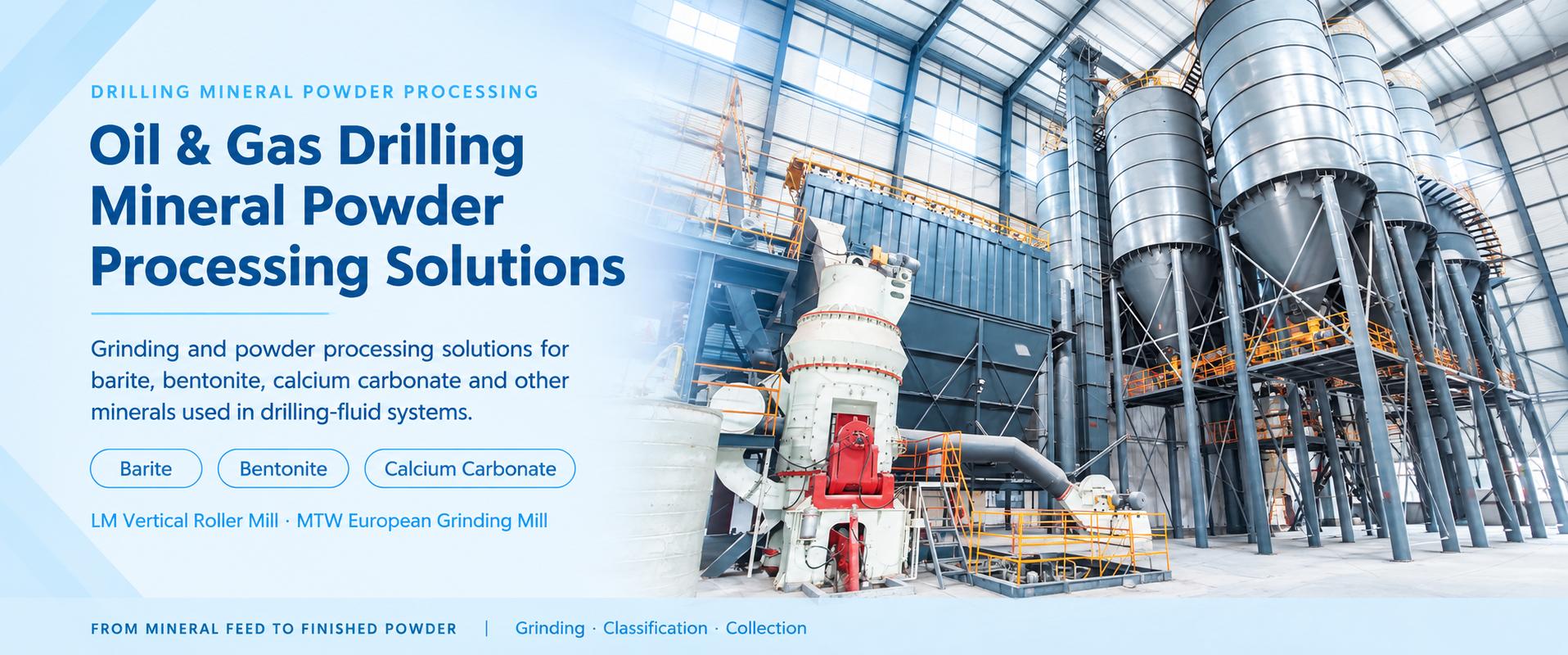
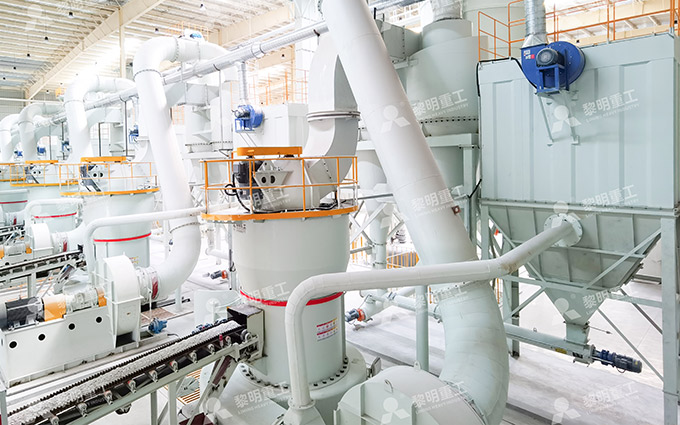
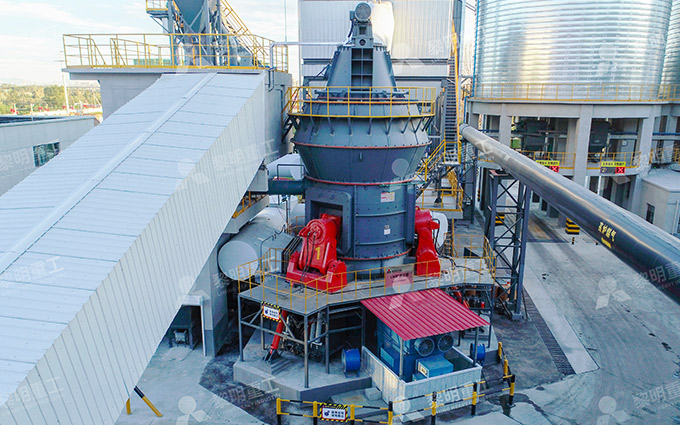
MTW European Grinding Mill, LM Vertical Roller Mill and Raymond mill can be considered for suitable industrial gypsum feed, depending on capacity, moisture and process layout.
MTW European Grinding Mill
MTW European Grinding Mill is suitable for small-to-medium capacity gypsum powder preparation with dry or adequately conditioned feed. It can provide controlled conventional powder fineness before a separate calcination stage.
For moist FGD gypsum filter cake, upstream dewatering and drying may be required before the material enters the mill. For chemical-industry gypsum sources, required purification and compliance evaluation should be completed before grinding.
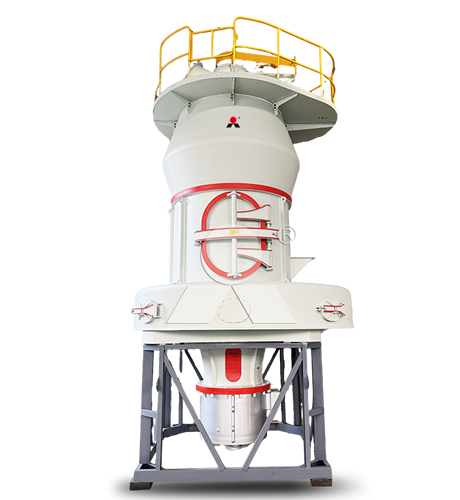
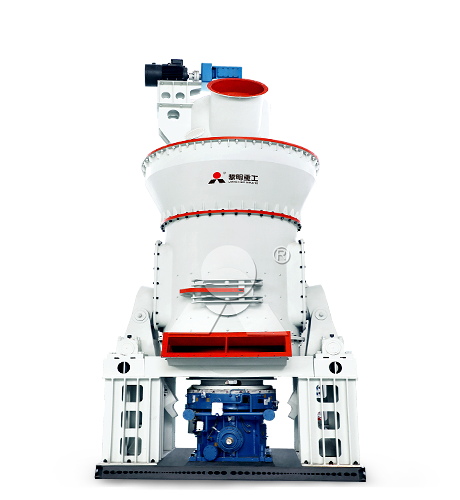
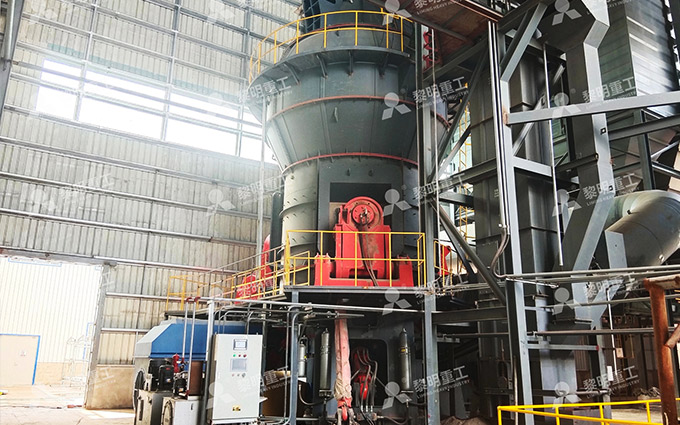
LM Vertical Roller Mill
LM Vertical Roller Mill is suitable for medium-to-large capacity gypsum processing and projects that benefit from integrated drying, grinding and classification. It can be especially useful for FGD gypsum with moderate moisture and continuous high-output requirements.
The final design should be based on actual moisture, evaporation load, target particle-size distribution, capacity and the requirements of the calcination and wallboard process.
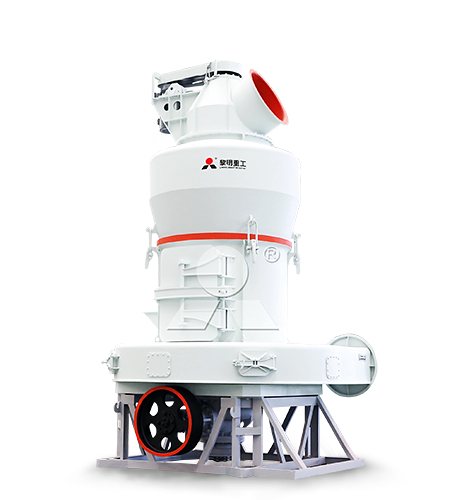
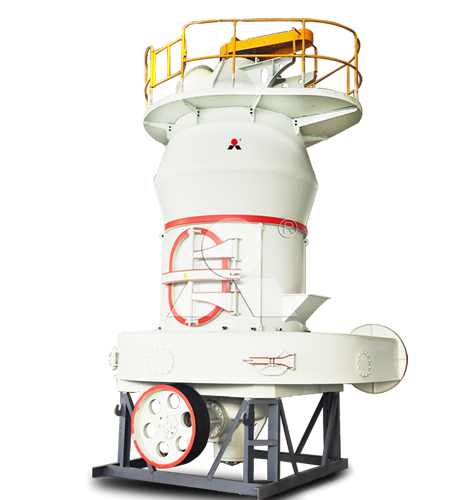
Raymond Mill
Raymond mill can be considered for conventional gypsum powder preparation with moderate output requirements and dry, stable, properly conditioned feed. It is generally more suitable where the gypsum does not require major drying duty inside the mill.
Grinding, Drying and Calcination Are Different
Wallboard projects must distinguish three separate functions:
| Stage | Main purpose | Primary control target |
|---|---|---|
| Dewatering and drying | Remove free moisture from filter cake or wet gypsum | Stable feed flow and required moisture level |
| Grinding and classification | Control particle size and create uniform calciner feed | Particle-size distribution and powder consistency |
| Calcination | Convert calcium sulfate dihydrate into hemihydrate stucco | Calcium sulfate phase composition, setting behavior and stucco quality |
Drying removes free water. Calcination removes part of the chemically bound water in calcium sulfate dihydrate. A system designed only for grinding and drying should not be assumed to produce wallboard-grade stucco without a properly controlled calcination stage.
Key Quality Tests Before Wallboard Use
Before industrial gypsum is approved for drywall or wallboard, the project should perform raw-material, calcination and board-production testing.
Raw-material tests
Calcium sulfate dihydrate content
Free moisture and total moisture
Particle-size distribution and bulk density
Chloride, soluble salts and conductivity
Residual sulfite for FGD gypsum
pH, color, odor and organic content
Source-specific impurities, such as phosphorus, fluoride, iron or boron
Trace elements and radiological parameters where required
Calcination tests
Hemihydrate content and residual dihydrate content
Water demand and slurry consistency
Initial and final setting time
Stucco flowability and storage stability
Compatibility with additives
Board-production tests
Board-core density and uniformity
Core strength and paper-to-core bond
Board thickness and dimensional stability
Water absorption and moisture behavior
Surface quality, color and appearance
Fire-performance and other applicable product-standard tests
Common Challenges
High filter-cake moisture
Wet FGD gypsum can compact in storage, bridge in hoppers and create unstable calciner feed. Dewatering, drying, covered storage and suitable handling equipment are necessary.
Variable source quality
Changes in flue-gas treatment performance, fuel source, washing efficiency or storage conditions can change FGD gypsum quality. A board plant needs routine sampling and acceptance limits to prevent raw-material variation from affecting board quality.
Salt-related quality issues
Soluble salts can cause efflorescence or other product issues. Washing and dewatering performance should be monitored, especially where wallboard products are sensitive to salt content.
Impurities in chemical-industry gypsum
Phosphogypsum, titanogypsum, fluorogypsum and borogypsum can contain constituents that affect calcination, setting, color, safety or compliance. A finer grind does not eliminate these problems.
Using a cement-grade standard for wallboard feed
Gypsum acceptable for cement use may not meet wallboard requirements. Cement mainly needs stable sulfate contribution, while wallboard needs a highly controlled feed for calcination, slurry formation, setting and board-core development.
Recommended Project Sequence
Identify the industrial gypsum source and original production process.
Collect representative samples from normal production and storage conditions.
Define the target drywall or wallboard product and the board manufacturer’s acceptance specification.
Test gypsum purity, moisture, particle size, salts, residual sulfite and source-specific impurities.
Complete environmental and radiological review where required.
Determine whether washing, neutralization, dewatering, drying or other treatment is needed.
Set the target grinding and classification conditions for stable calciner feed.
Select MTW European Grinding Mill, LM Vertical Roller Mill or Raymond mill according to feed moisture, capacity and drying requirement.
Run controlled calcination trials and test stucco properties.
Conduct board-production trials before commercial-scale supply.
Establish routine incoming-material and finished-board quality-control procedures.
Conclusion
Industrial by-product gypsum can be used in drywall and wallboard when it meets the strict requirements of board manufacture. FGD gypsum is the most established source because it can be processed into high-quality synthetic gypsum with properties similar to natural gypsum.
Phosphogypsum and other industrial gypsum sources may be considered only after detailed material testing, necessary treatment, compliance review and successful board-production trials. Their impurities, moisture and source variability can affect calcination, slurry behavior, board strength, appearance and regulatory acceptance.
For qualified industrial gypsum, MTW European Grinding Mill is suitable for prepared small-to-medium capacity powder production, LM Vertical Roller Mill is suitable for larger-capacity lines requiring drying integration, and Raymond mill is suitable for conventional processing with dry, stable feed. The final equipment choice should follow raw-material testing and the wallboard producer’s required feed specification.