Mineral powder processing solutions

Agricultural Lime & Soil Amendment Powder Processing Plant

Turn limestone, dolomite, gypsum and selected mineral feedstocks into consistent, market-ready powders for agricultural lime, soil conditioning and mineral amendment products.

Our LM Vertical Mill and MTW Grinding Mill solutions are engineered around your material properties, target fineness, production capacity, storage method and downstream packaging or blending requirements.
Multiple mineral feedstocks Controlled powder fineness Complete plant engineering
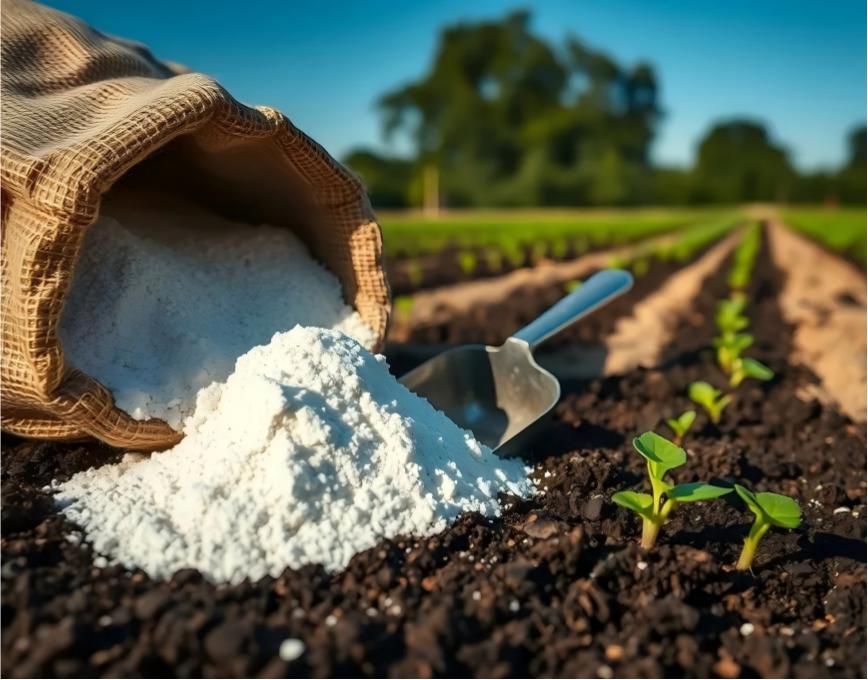
Agricultural lime powder application in soil amendment products
Mineral powder made for practical agricultural products From controlled grinding to storage, bagging and bulk dispatch.

Product performance starts here

More than grinding capacity

Agricultural mineral powders are valued for more than output. Chemical quality, particle-size distribution, moisture control and product handling all affect how reliably a producer can manufacture, package and sell a consistent soil amendment product.

01

Neutralizing Value

For limestone and dolomite products, Calcium Carbonate Equivalent (CCE) helps define acid-neutralizing capacity.

02

Particle Control

Controlled fineness and particle-size distribution support consistent product grades and reactivity targets.

03

Material Adaptability

Plant design can be adapted for limestone, dolomite, gypsum, phosphate rock, clay minerals and selected rock powders.

04

Commercial Delivery

Finished powder can be routed for silo storage, bagging, bulk loading, blending or downstream granulation.

Raw materials and products

Build a line around your mineral resource and product market

The same production platform can support different agricultural mineral powder products when material testing, process configuration and finished-product specifications are matched to the project.

Lime and gypsum serve different purposes

Calcium carbonate and dolomitic lime products are commonly used where soil acidity correction is required. Gypsum-based products are commonly selected as calcium and sulfur sources and for specific soil-conditioning applications. The final product should be positioned according to local agronomic guidance and applicable product requirements.

Mineral materialTypical powder productApplication direction
LimestoneAgricultural lime / calcitic lime powderSoil acidity correction and calcium supply
DolomiteDolomitic lime powderpH management with calcium and magnesium supply
GypsumAgricultural gypsum powderCalcium and sulfur source; soil-conditioning products
Phosphate rockGround rock phosphateMineral fertilizer and soil amendment blends
Bentonite / clay mineralsFine mineral powderBinder, carrier and conditioning formulations
Silicate rockRock dust / mineral powderSpecialty mineral soil amendment products

Equipment selection

Two grinding solutions for different project scales

Mill selection should start with feedstock condition, moisture, capacity, target powder specification, product portfolio, utilities and the planned level of automation. We configure the complete system—not just the mill.
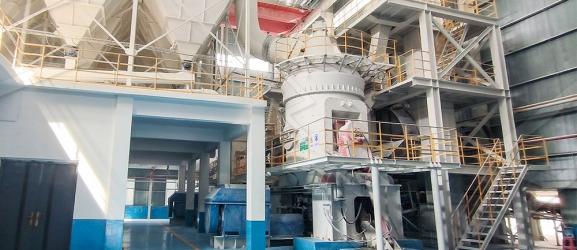
LM Vertical Mill for large-scale agricultural mineral powder processing

Large-scale integrated production

LM Vertical Mill

A strong choice for centralized, continuous agricultural mineral powder plants where integrated grinding, drying and classification support a high-throughput process layout.
  • Designed for large-scale limestone and dolomite powder production
  • Integrated grinding, drying, separation and conveying concept
  • Suitable for projects with continuous operation and higher automation goals
  • Supports bulk distribution, bagging and downstream blending interfaces
Request an LM Plant Layout
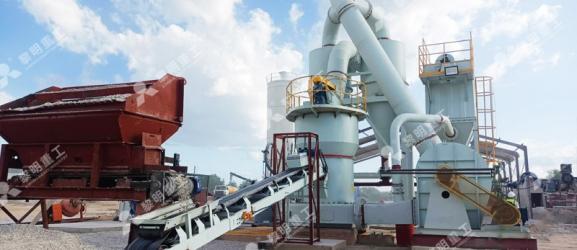
MTW Grinding Mill for agricultural limestone dolomite and gypsum powder

Flexible medium-scale production

MTW Grinding Mill

A practical solution for flexible agricultural mineral powder projects that need reliable operation, adjustable product grades and a modular plant investment path.

  • Suitable for agricultural limestone, dolomite, gypsum and selected minerals
  • Flexible configuration for regional plants and diversified product portfolios
  • Controlled powder fineness for defined product grades
  • Convenient integration with collection, storage and bagging systems
Request an MTW Proposal

Complete plant process

From raw mineral receiving to finished powder dispatch

Each line is engineered around material test data and commercial operating needs. The process can include crushing, controlled feeding, grinding, drying, classification, dust collection, storage and finished-product handling.
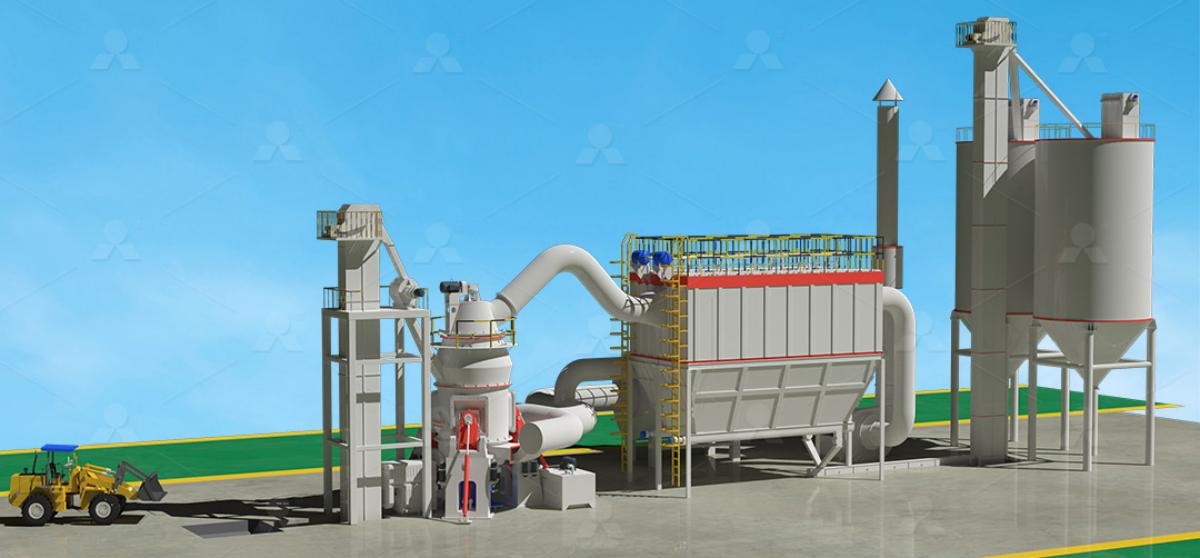
Step 01Raw Material Receiving
Step 02Crushing & Storage
Step 03Metered Feeding
Step 04Grinding & Drying
Step 05Classification & Collection
Step 06Storage, Bagging or Bulk Loading

The final configuration is determined by raw material type, feed size, moisture, hardness, target fineness, production capacity, final product form, available utilities and local environmental requirements.

Finished product control

Designing powder quality for practical production

Rather than applying one fixed powder specification to every project, we match the process to regional requirements, intended use, handling method and the commercial balance between product quality, throughput and operating cost.

Finished finenessConfigured according to target product grade, application method and local market requirements.
Particle distributionManaged through mill configuration and classification settings to support consistent output.
Moisture managementMatched to the incoming feed, storage method, bagging operation and downstream processing.
Product verificationMineral chemistry and powder characteristics should be verified through appropriate laboratory testing.
Delivery formatAvailable routes include bagged powder, jumbo bags, bulk dispatch and blending or granulation feed.

Project configurations

Representative agricultural mineral powder plant solutions

These configurations illustrate how different mineral resources, product directions and dispatch methods can be combined into practical powder-processing plants. Final process design is based on verified material data and project requirements.
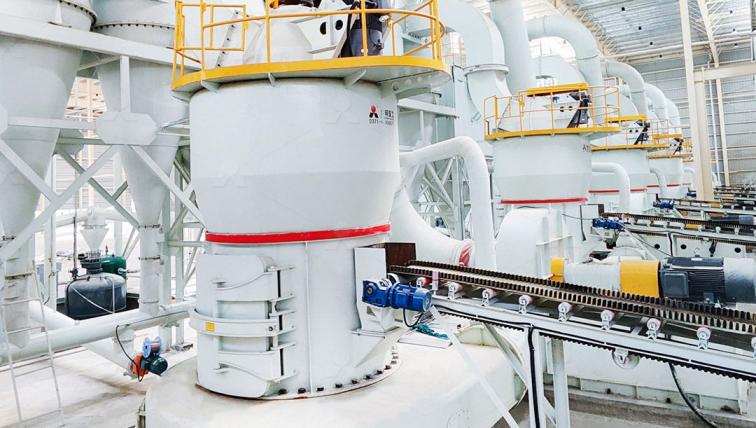
Dolomitic agricultural lime powder processing plant configuration Dolomitic Lime

Regional Dolomitic Lime Powder Plant

  • FeedstockDolomite
  • ProductAgricultural dolomitic lime powder
  • ProcessCrushing + MTW Grinding Mill + Collector + Product Storage + Bagging
  • Market routeBagged product for regional agricultural-input distribution

Designed for flexible production of calcium- and magnesium-bearing mineral powder products.
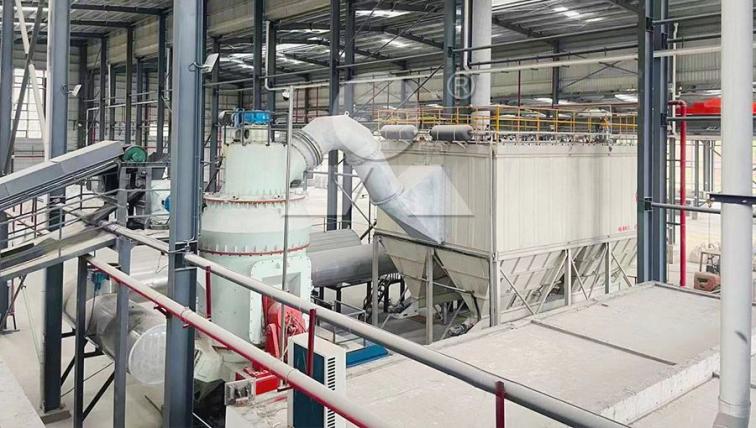
Large-scale agricultural limestone powder production plant configuration Agricultural Limestone

Large-Scale Agricultural Limestone Plant

  • FeedstockLimestone
  • ProductFine agricultural lime powder
  • ProcessCrushing + Storage + LM Vertical Mill + Product Silo + Bulk / Bag Dispatch
  • Market routeBulk supply and bagged lime sales for broad regional coverage

Built around continuous operation, integrated process flow and efficient finished-product logistics.
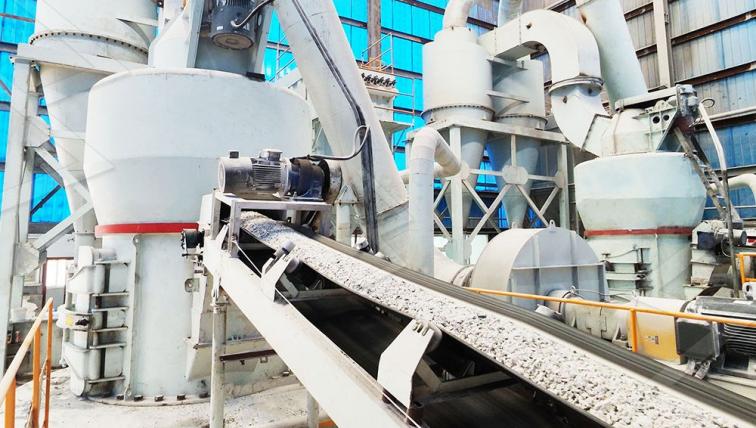
Agricultural gypsum powder processing and bagging plant configuration Agricultural Gypsum

Agricultural Gypsum Powder Plant

  • FeedstockNatural gypsum
  • ProductCalcium- and sulfur-containing agricultural gypsum powder
  • ProcessCrushing + MTW Grinding Mill + Collection System + Finished Powder Bagging
  • Market routeBagged soil-conditioning products and fertilizer-blend feedstock

Configured for controlled powder production, clean collection and practical finished-product packaging.

Frequently asked questions

Questions about agricultural powder plants

A preliminary process proposal becomes more accurate when we understand both the mineral feedstock and the product you intend to supply to the market.

What raw materials can be processed for agricultural soil amendment products?
Depending on material properties and the process design, projects may process limestone, dolomite, gypsum, phosphate rock, bentonite, clay minerals and selected silicate rock materials. Please provide a material sample analysis or available test data for an accurate recommendation.
What is the difference between agricultural limestone and agricultural gypsum?
Limestone and dolomite products are commonly used for soil acidity correction and mineral supply. Agricultural gypsum is generally used as a calcium and sulfur source and for specific soil-conditioning applications. Their product positioning and plant design requirements should be evaluated separately.
Why is particle-size distribution important in agricultural lime production?
Particle-size distribution influences product consistency and the expected reaction behavior of mineral particles in soil. The required fineness should match local product requirements, intended application and the producer’s commercial grade strategy.
What do CCE and ECCE mean for agricultural lime products?
CCE indicates the acid-neutralizing capacity of a liming material relative to calcium carbonate. ECCE is commonly used to relate chemical neutralizing value to the fineness of the material. Product testing and local requirements should determine the values used for commercial labeling and quality control.
Should I choose an LM Vertical Mill or an MTW Grinding Mill?
LM Vertical Mills are generally selected for larger, integrated and continuous powder plants, especially where an integrated grinding, drying and separation concept is desired. MTW Grinding Mills are well suited to flexible medium-scale projects and diversified mineral powder production. The right choice depends on capacity, material condition, target product and investment plan.
Can one grinding plant process both limestone and dolomite?
Yes, a properly configured line can be designed to process limestone and dolomite, provided that operating parameters, product segregation, storage and quality-control procedures are planned around the intended products.
Can the plant handle raw materials with moisture?
The acceptable moisture range and required drying arrangement depend on the material, feed condition, target capacity and selected grinding solution. For projects with variable or elevated moisture, the process can be configured with an appropriate hot-air and drying arrangement.
What equipment is included in a complete agricultural lime powder plant?
A complete solution may include receiving equipment, crushing, conveying, storage, metered feeding, grinding, classification, dust collection, finished-product silos, electrical control, weighing, bagging and bulk-loading equipment. Blending or granulation interfaces can also be incorporated when required.
Can the finished powder be packed in bags and loaded in bulk?
Yes. The downstream system can be configured for small bags, jumbo bags, bulk vehicle loading or a combination of these methods according to local sales channels and logistics requirements.
What information is needed to design and quote a production line?
Please provide the raw material type, chemical analysis if available, feed size, moisture, hardness, target finished fineness, required capacity, final product application, packaging method, plant location and available utilities. This information allows us to prepare a more relevant process proposal.

Start with your material and market

Plan your agricultural mineral powder production line

Share your raw material, target powder specification, capacity and delivery method. Our team will recommend a practical LM Vertical Mill or MTW Grinding Mill process route for your project.

Request Your Proposal

Get a quote

WhatsApp

Top