Agricultural Lime & Soil Amendment
LM Vertical Mill for Large-Scale Agricultural Mineral Powder Plants
2026-10-14 14:14:22
As demand for agricultural mineral powders grows, manufacturers need production systems capable of processing large quantities of raw materials while maintaining consistent product quality. Limestone, dolomite, and other suitable non-metallic minerals are widely processed into powders used in soil amendment products, agricultural nutrient formulations, and related applications.
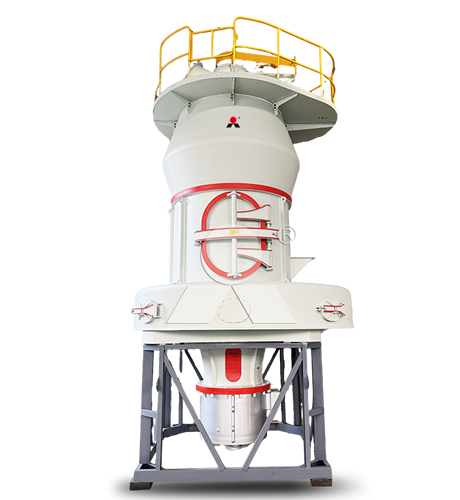
For large-scale projects, the grinding mill plays a central role in determining production capacity, product fineness, energy consumption, and the overall plant layout. The LM Vertical Grinding Mill from Liming Heavy Industry is designed for large-scale mineral powder processing and integrates several key functions into a single system, making it an option worth evaluating for suitable agricultural mineral applications.
Why Large-Scale Agricultural Mineral Powder Production Requires Careful Equipment Selection
A high-capacity plant must do more than process a large volume of raw material. It also needs to maintain stable feeding, consistent particle-size distribution, reliable equipment operation, and effective dust collection throughout the production process.
These requirements become particularly important when a manufacturer supplies multiple agricultural distributors or operates continuously to meet seasonal demand.
Several factors should guide the selection of a grinding system:
Production capacity: The mill must achieve the required finished-product output under actual operating conditions.
Product fineness: The equipment must produce powder that meets the specifications for the intended agricultural application.
Raw material characteristics: Hardness, moisture, feed size, and mineral composition affect grinding performance.
Energy consumption: Power requirements influence the long-term cost of production.
Plant footprint: Equipment arrangement affects installation costs, maintenance access, and material handling.
Operating reliability: Stable operation and convenient maintenance help reduce unplanned downtime.
Evaluating these factors together provides a more reliable basis for equipment selection than comparing nominal capacity alone.
What Is the LM Vertical Grinding Mill?
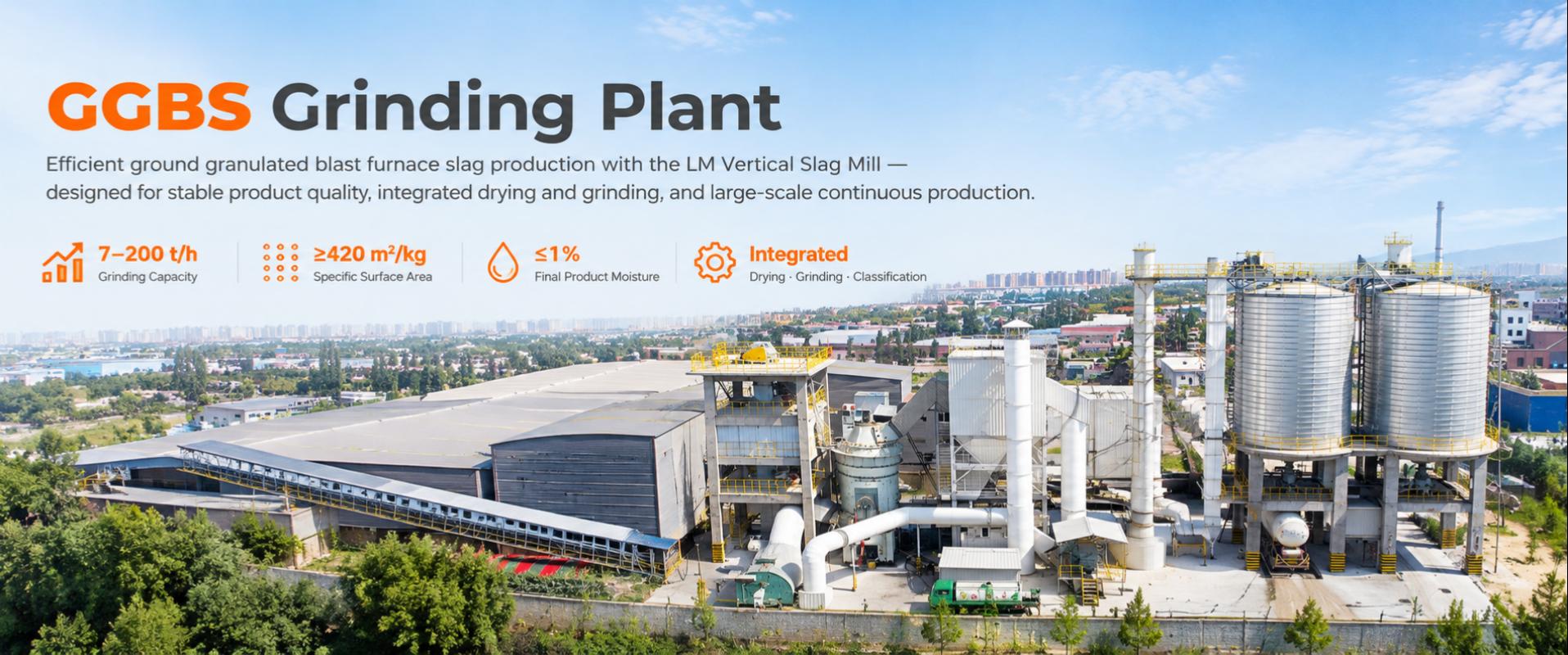
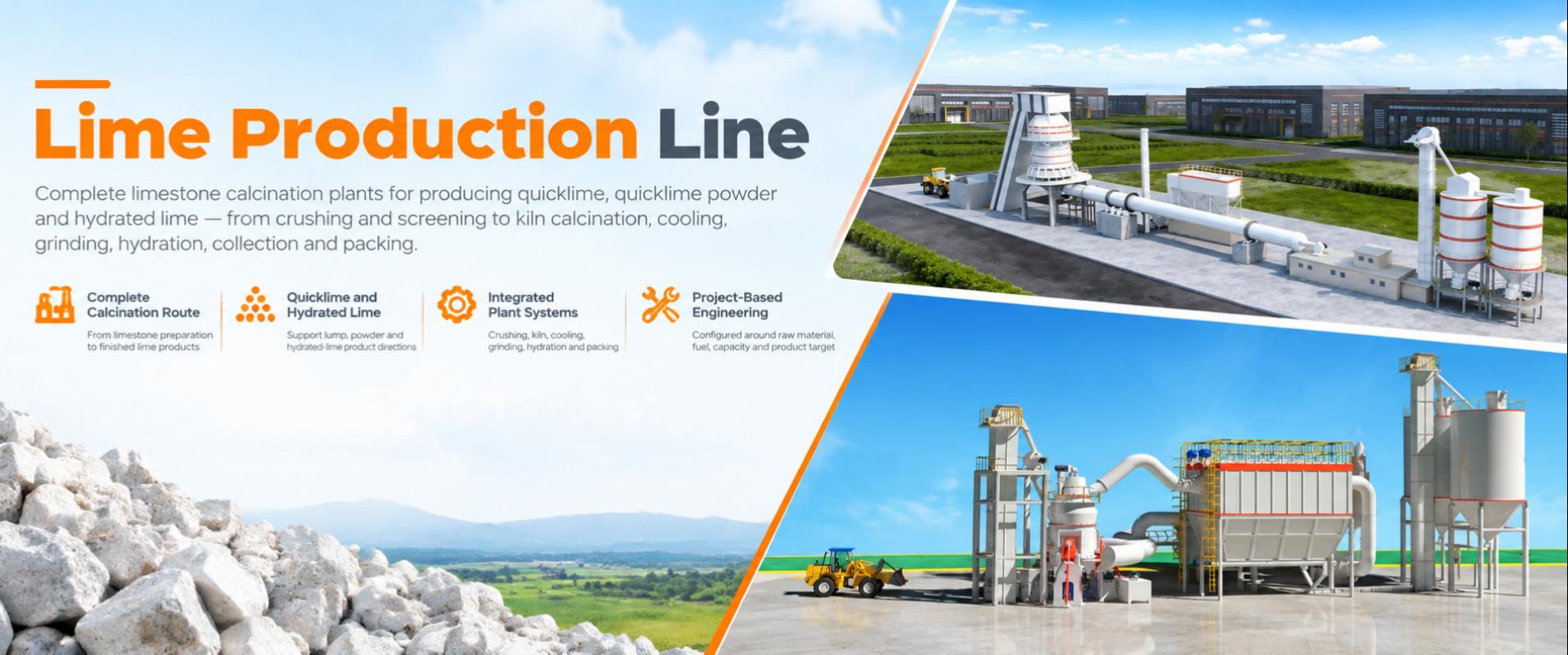
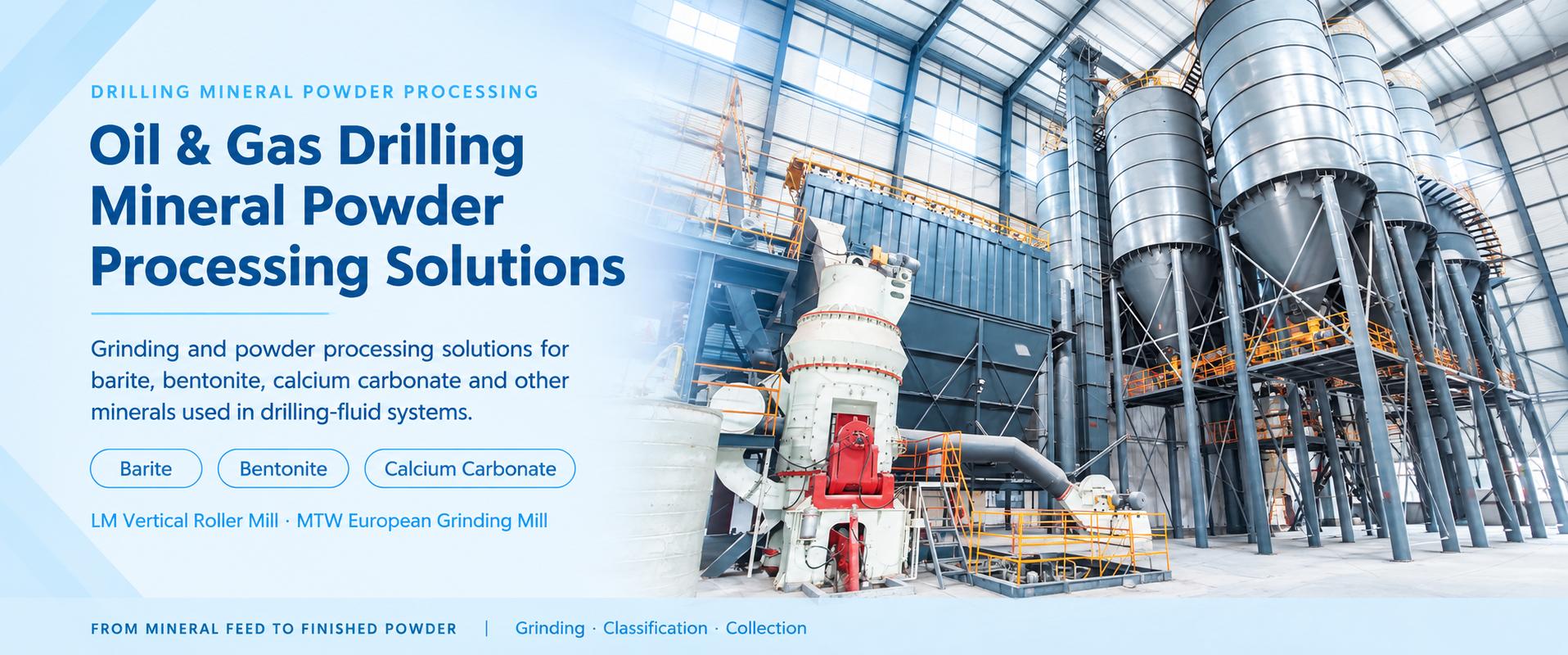
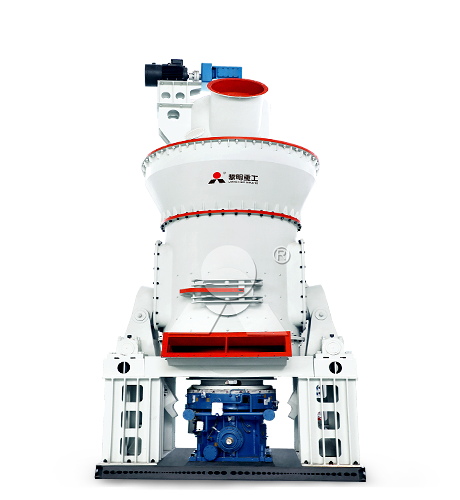
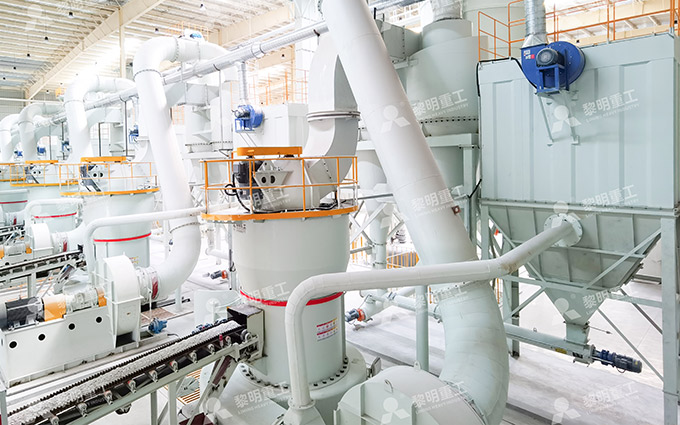
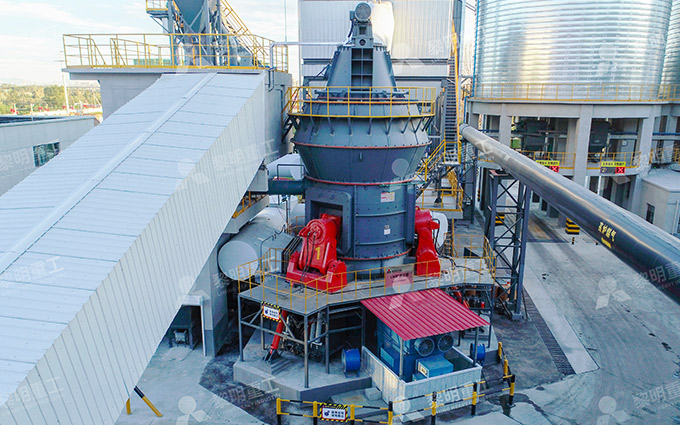
The LM Vertical Grinding Mill from Liming Heavy Industry is a vertical roller mill developed for processing mineral materials and other suitable industrial raw materials. Depending on the selected configuration, the system integrates grinding, classification, conveying, and drying functions where process conditions require them.
During operation, material is fed onto the grinding table and moved beneath the grinding rollers. The rollers apply pressure to reduce the material into smaller particles. An integrated classification system separates fine particles from coarser material, allowing particles that do not meet the required size to return for further grinding.
When drying is necessary and the selected configuration supports it, hot air can be introduced to assist moisture removal and material transport. This function should be evaluated according to the raw material's actual moisture content and the required finished-product condition.
By combining these functions, the LM Vertical Grinding Mill can simplify the process layout for suitable large-scale mineral powder plants.
Suitable Agricultural Mineral Applications
The suitability of the LM Vertical Grinding Mill depends on the material's physical properties and the specifications of the finished product. Several agricultural mineral powder applications may be considered.
Limestone Powder for Soil Amendment
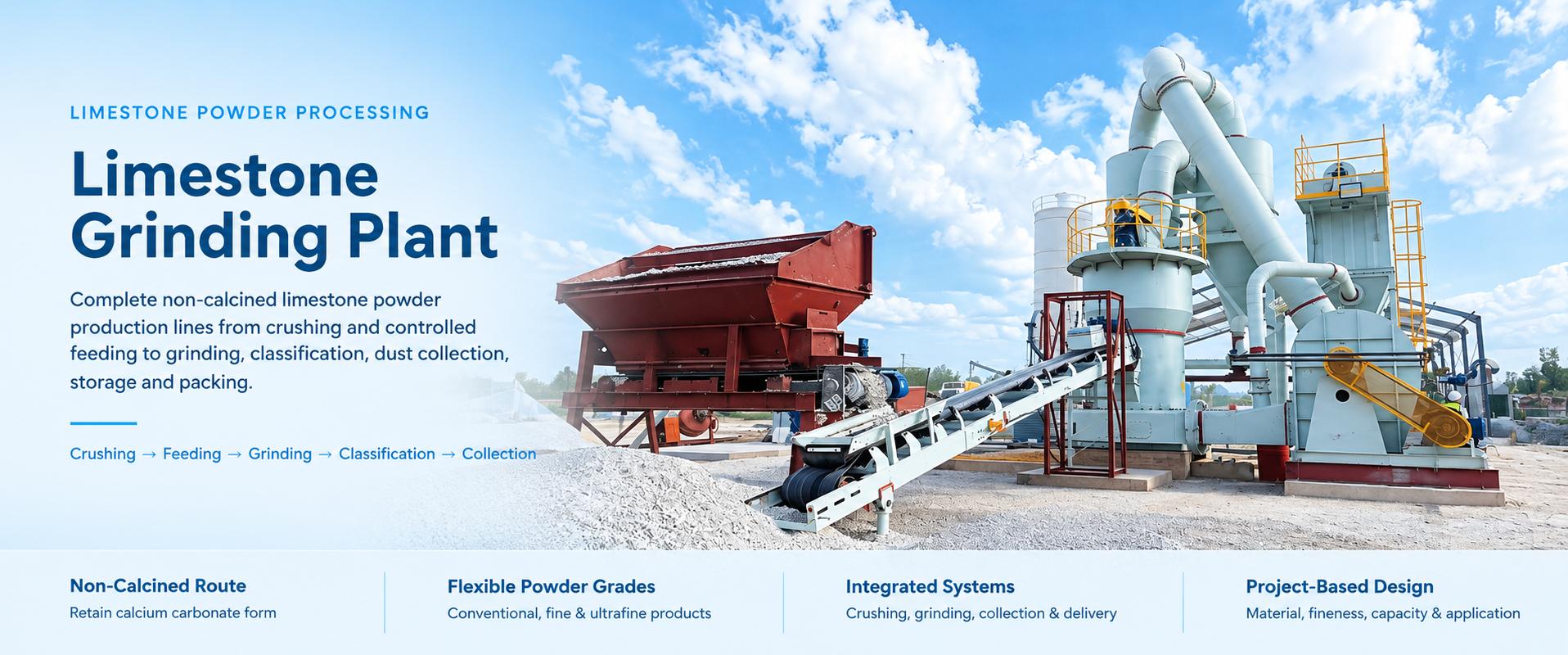
Limestone is commonly processed into agricultural lime to help correct soil acidity. For large-scale limestone powder production, the LM Vertical Grinding Mill can be evaluated according to the required fineness, feed size, and hourly output.
Because agricultural lime performance depends on both chemical composition and particle size, the grinding process should be designed around the product's required neutralizing capacity and particle-size distribution.
Dolomite Powder for Calcium and Magnesium Supply
Dolomitic materials can be processed into agricultural products intended to supply calcium and magnesium. The raw material should be analyzed before equipment selection to confirm its mineral composition, impurities, and grinding characteristics.
The final product specifications should reflect the intended agricultural application rather than simply maximizing powder fineness.
Other Non-Metallic Mineral Powders
Depending on the material and required product specifications, the LM Vertical Grinding Mill may also be evaluated for suitable minerals such as calcite, gypsum, and other non-metallic materials used in agricultural or related industries.
Not every material requires the same grinding conditions. A technical assessment should confirm whether the selected mill can achieve the target fineness and capacity for the specific raw material.
Production Capacity and Finished-Product Fineness
The LM Vertical Grinding Mill is intended for large-scale grinding applications. Its actual production capacity depends on the model, material grindability, feed size, moisture, operating conditions, and required finished-product fineness.
For example, a limestone powder plant producing a conventional agricultural lime grade may achieve a different throughput from a plant processing a more difficult raw material or targeting a finer product.
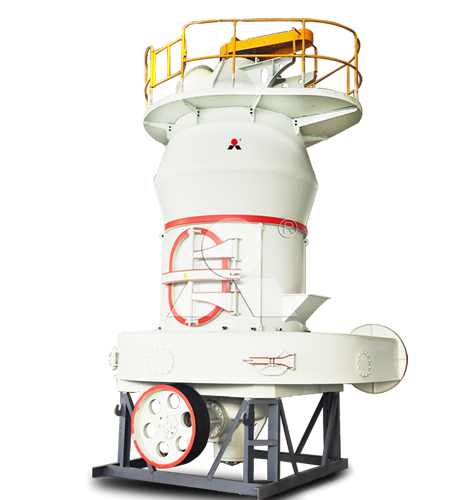
Liming Heavy Industry's LM Vertical Grinding Mill product range covers a range of production capacities and powder fineness requirements. The specific model should be selected only after the project's raw material and finished-product specifications have been established.
When planning capacity, manufacturers should distinguish between raw material feed rate and saleable finished-product output. Classification, product quality requirements, and material handling can all influence the final production result.
Key Advantages for Large-Scale Powder Plants
Integrated Processing Functions
Combining grinding with classification and material conveying can simplify the process flow. Where drying is required and technically suitable, integration of this function may also reduce the need for separate processing equipment.
Efficient Use of Installation Space
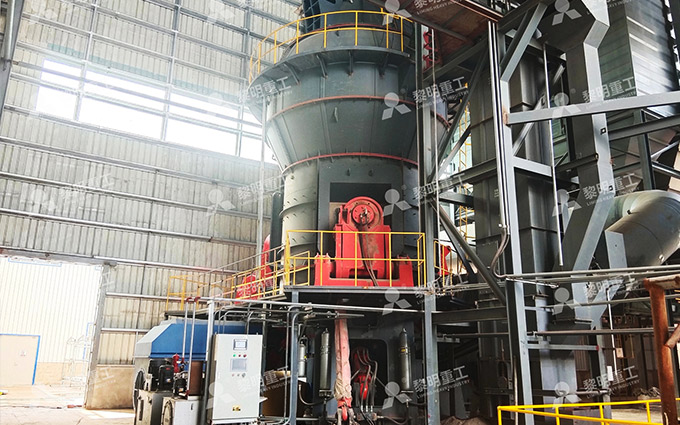
A vertical grinding system can offer a compact layout compared with some conventional grinding arrangements. The actual space requirement depends on the selected model, auxiliary equipment, maintenance clearances, and plant configuration.
Adjustable Product Fineness
Product fineness can be controlled through the grinding and classification system within the operating range of the selected configuration. This is useful for manufacturers that need to maintain a defined particle-size distribution for agricultural mineral products.
Convenient Maintenance Planning
Large production plants benefit from equipment that allows routine inspection and maintenance to be planned efficiently. The accessibility of grinding components, wear parts, lubrication systems, and other service points should be reviewed during project design.
Dust Collection and Environmental Management
Grinding fine mineral powders can generate airborne dust. A suitable dust collection system, properly sealed material transfer points, and appropriate ventilation arrangements are important for maintaining a cleaner operating environment and limiting product losses.
How to Design an LM Vertical Grinding Mill Production Line
A successful agricultural mineral powder plant requires coordinated equipment rather than an isolated grinding mill. The process layout should be developed according to the raw material's condition and the required finished product.
Raw material receiving and inspection
Check the mineral composition, moisture content, feed size, and consistency of the incoming material.
Crushing and feed preparation
If the raw material exceeds the mill's permitted feed size, install suitable crushing equipment to prepare a consistent feed.
Controlled feeding
Use an appropriate feeding arrangement to supply the mill steadily and avoid unnecessary fluctuations in production.
Grinding and classification
Configure the LM Vertical Grinding Mill to achieve the required particle-size distribution and target output.
Dust collection and conveying
Provide appropriate dust collection and conveying systems to manage airborne powder and transfer material efficiently.
Finished-product storage and packaging
Transfer the powder to suitable silos, storage facilities, bulk-loading systems, or packaging equipment according to the plant's dispatch requirements.
Drying should only be included when the raw material moisture and process requirements justify it. Similarly, the need for additional classification or crushing should be determined from the feed characteristics and the required finished-product specifications.
Important Considerations Before Investing in an LM Vertical Mill
Although the LM Vertical Grinding Mill is designed for large-scale processing, it may not be the most economical option for every agricultural mineral powder project. The investment should be evaluated against actual production requirements.
Before finalizing the equipment selection, manufacturers should confirm the following:
Raw material testing: Establish chemical composition, hardness, moisture, and grindability.
Target product: Define the required particle size, particle-size distribution, and relevant chemical quality indicators.
Required output: Specify the finished-product capacity and expected operating schedule.
Utility requirements: Evaluate available electrical power and any requirements for drying air or other auxiliary systems.
Site conditions: Review installation space, foundation requirements, material storage, and equipment access.
Operating costs: Consider power consumption, wear parts, maintenance, labor, and dust collection.
Product compliance: Confirm that the finished agricultural mineral powder meets the applicable market standards.
These checks help ensure that the selected mill and supporting equipment are appropriate for the project's actual conditions.
Common Mistakes in Large-Scale Grinding Plant Design
Several planning errors can reduce the efficiency of an agricultural mineral powder plant, even when the main grinding equipment is suitable.
Choosing a mill based only on nominal capacity: Actual throughput must be checked against the required fineness and raw material properties.
Ignoring moisture variations: Changes in moisture can affect feeding, grinding, drying requirements, and product handling.
Undersizing auxiliary equipment: Feeding, dust collection, conveying, or packaging can become bottlenecks if not properly coordinated.
Overprocessing the material: Producing powder that is finer than the market requires can increase costs without providing additional commercial value.
Leaving maintenance access until the end: Insufficient clearance can complicate servicing and increase downtime.
Failing to verify product quality: Finished powder should be tested to ensure consistent chemical properties and particle-size distribution.
Information Needed for an LM Vertical Grinding Mill Proposal
To evaluate an LM Vertical Grinding Mill for a large-scale agricultural mineral powder plant, prepare the following project details:
Mineral type, such as limestone, dolomite, or gypsum.
Raw material chemical analysis and representative samples, where available.
Maximum feed particle size and moisture content.
Required finished-product fineness in mesh or microns.
Target production capacity in metric tons per hour.
Required finished-product quality and intended agricultural application.
Plant location, available installation space, and power supply.
Requirements for crushing, drying, storage, dust collection, and packaging.
With this information, the equipment configuration can be evaluated against the project's production objectives and site conditions.
Developing a Reliable Large-Scale Agricultural Mineral Powder Plant
Large-scale agricultural mineral powder production depends on matching the grinding technology to the raw material, product specifications, and required output. The LM Vertical Grinding Mill from Liming Heavy Industry is an option for projects that need an integrated grinding system and substantial processing capacity.
By coordinating raw material preparation, grinding, classification, dust collection, conveying, and finished-product handling, manufacturers can build a production line designed for stable operation and consistent powder quality.
If you are planning a new agricultural mineral powder plant or expanding an existing facility, start by defining the mineral type, feed size, moisture content, target fineness, and finished-product capacity. Liming Heavy Industry can evaluate these requirements to help determine whether an LM Vertical Grinding Mill is suitable for your project and what supporting equipment may be needed.