Agricultural Lime & Soil Amendment
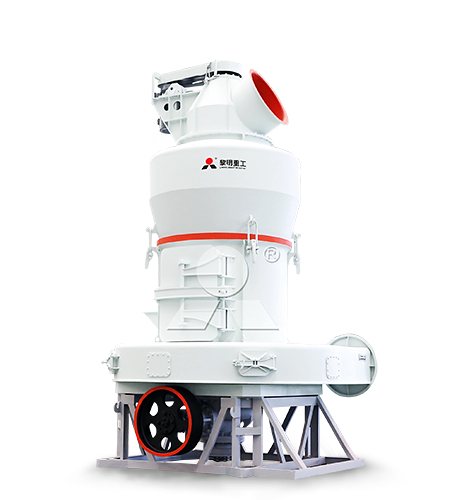
MTW Grinding Mill for Agricultural Limestone and Dolomite Powder
2026-10-14 14:15:19
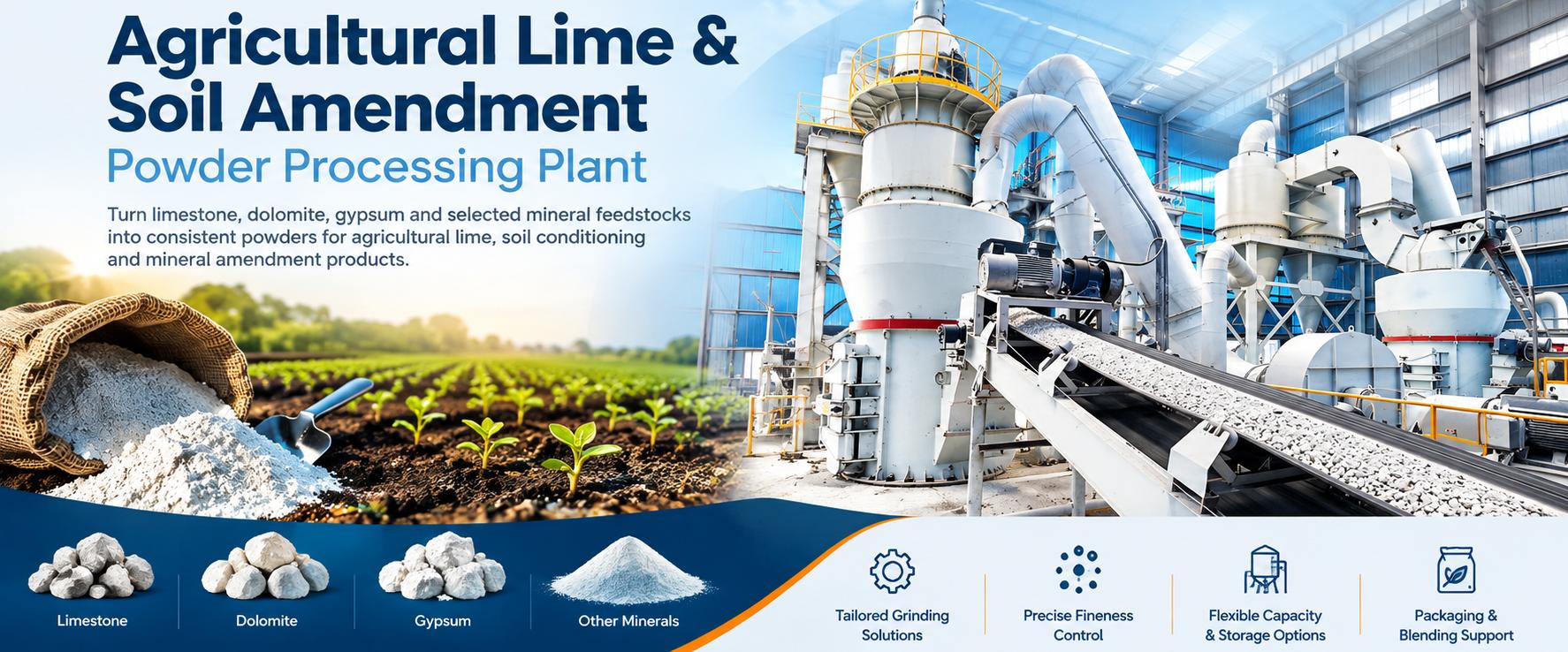
Agricultural limestone and dolomite are widely used to improve soil conditions and manage soil acidity. For producers supplying farms, fertilizer manufacturers, and soil amendment markets, a reliable grinding system is essential for achieving the required powder fineness, maintaining consistent production, and controlling operating costs.
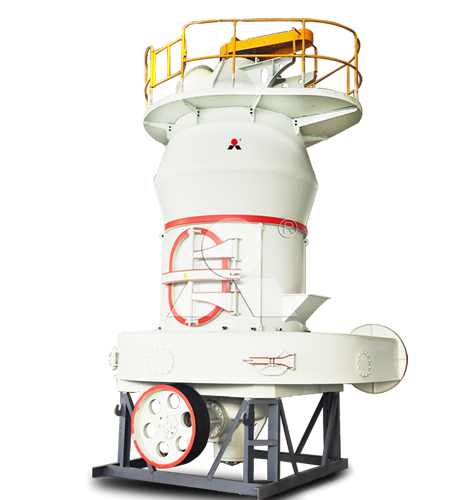
The MTW European Trapezium Grinding Mill from Liming Heavy Industry is designed for non-metallic mineral powder processing. It can be considered for agricultural limestone and dolomite projects that require controlled particle size and continuous industrial production. The appropriate configuration depends on the raw material, target fineness, required capacity, and final product specifications.
Why Particle Size Matters in Agricultural Mineral Powder
The effectiveness of agricultural limestone and dolomite depends partly on how quickly the material reacts with soil. Finer particles generally provide a larger surface area for reaction, while coarser particles may react more slowly and offer longer-term residual effects. The ideal particle-size distribution depends on local agricultural requirements, soil conditions, and the product's intended use.
For a powder processing plant, selecting a target fineness is therefore an important first step. Grinding too coarsely may not meet the product specification, while grinding finer than necessary can increase energy consumption and reduce production efficiency.
Agricultural limestone: Primarily used to help neutralize soil acidity and supply calcium.
Dolomite powder: Used where both calcium and magnesium are required for soil amendment.
Blended soil amendment products: May require specific particle-size distributions to meet the manufacturer's formulation and application requirements.
Before selecting equipment, producers should confirm the required fineness range and any applicable local product standards rather than relying on a single particle size for every agricultural application.
How the MTW Grinding Mill Supports Limestone and Dolomite Processing
The MTW European Trapezium Grinding Mill is designed for grinding non-metallic minerals into powder. Its suitability for an agricultural mineral project should be assessed against the hardness, abrasiveness, moisture content, feed size, and required output of the limestone or dolomite.
Controlled powder fineness
A suitable grinding and classification configuration helps produce powder within the required fineness range. The final setting should be selected according to the customer's product specification and verified through material testing where necessary.
Continuous production
For commercial powder plants, stable feeding and coordinated operation between the grinding mill, classifier, conveying equipment, and dust collection system are important. A properly configured production line can help maintain consistent output and reduce interruptions caused by unsuitable feed conditions or poorly matched auxiliary equipment.
Integrated plant configuration
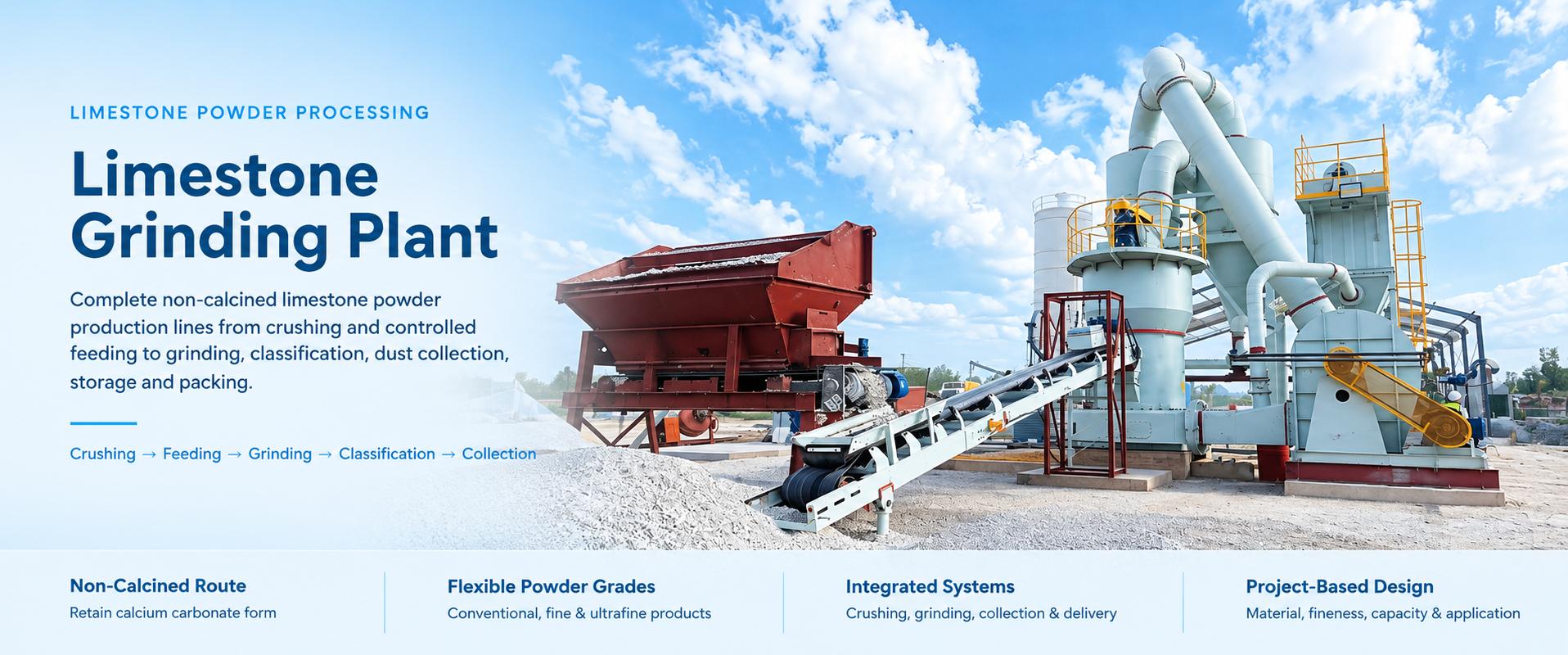
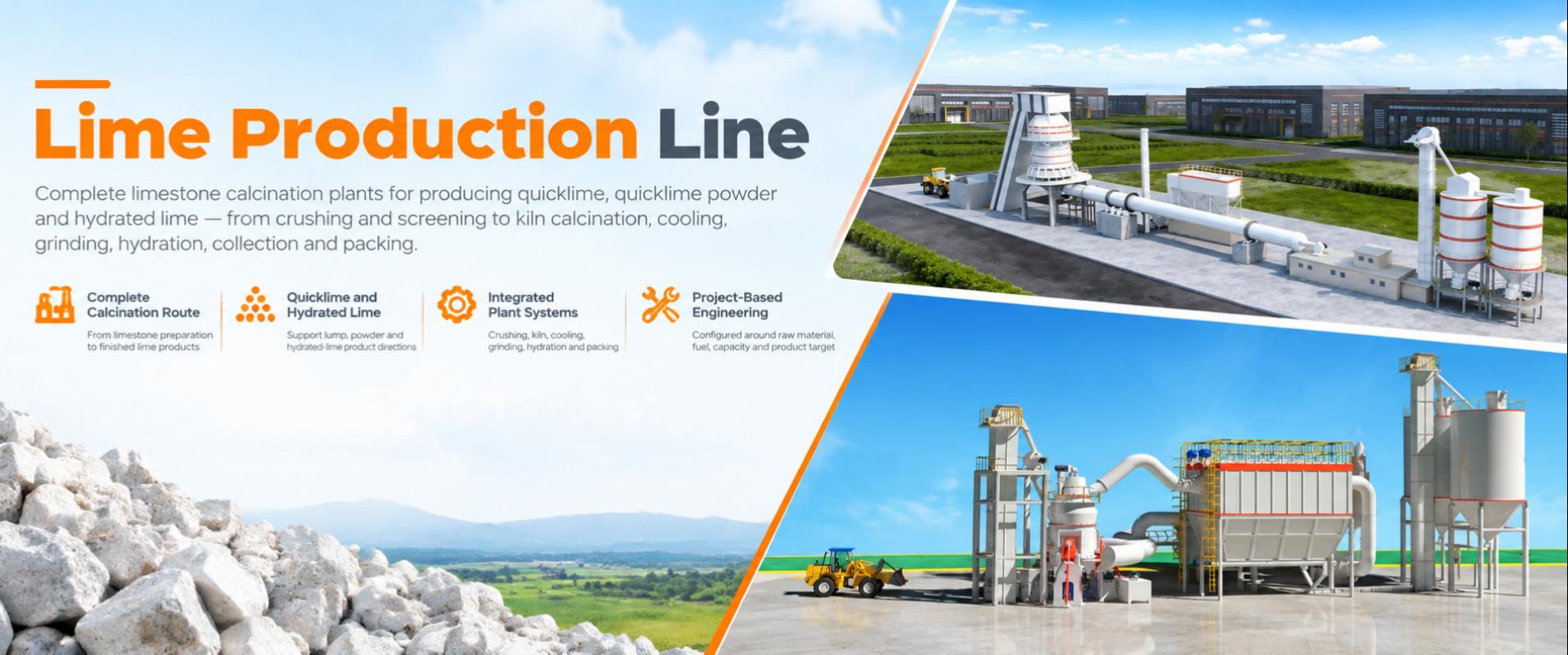
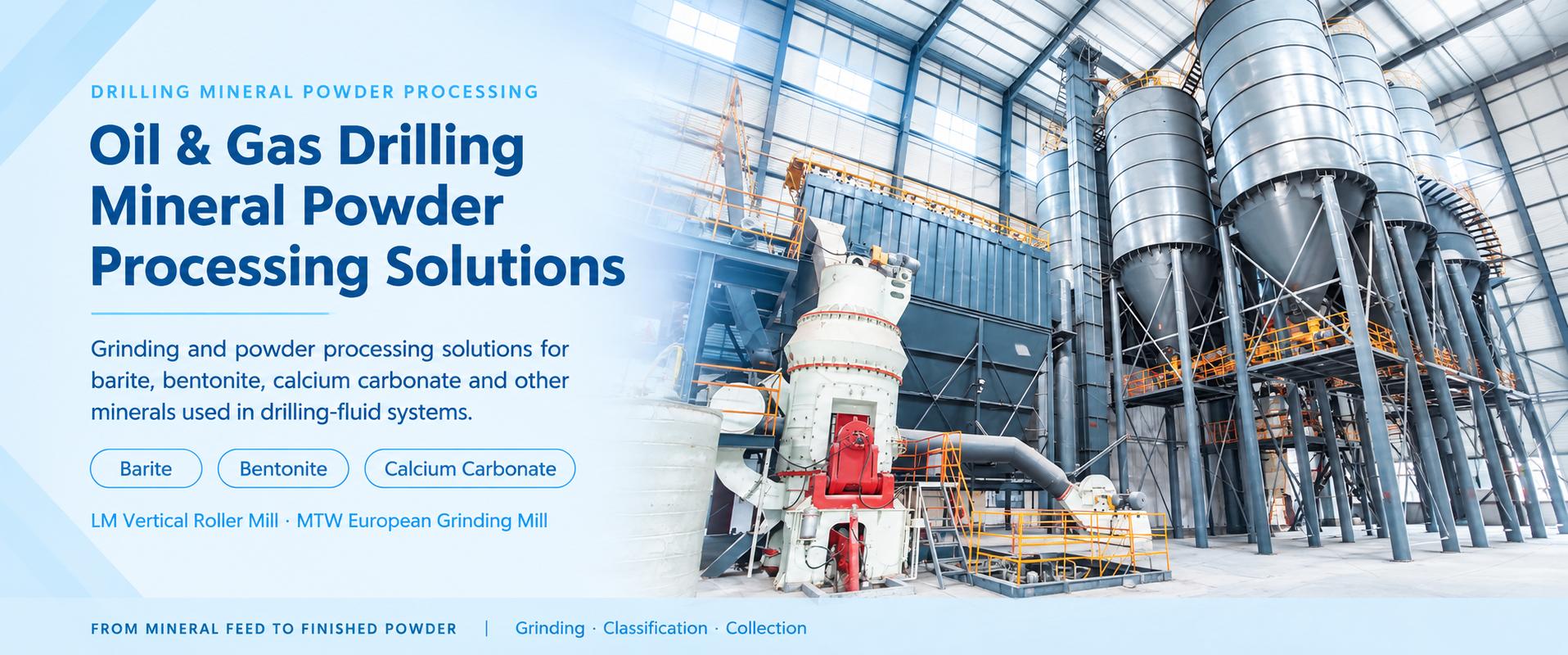
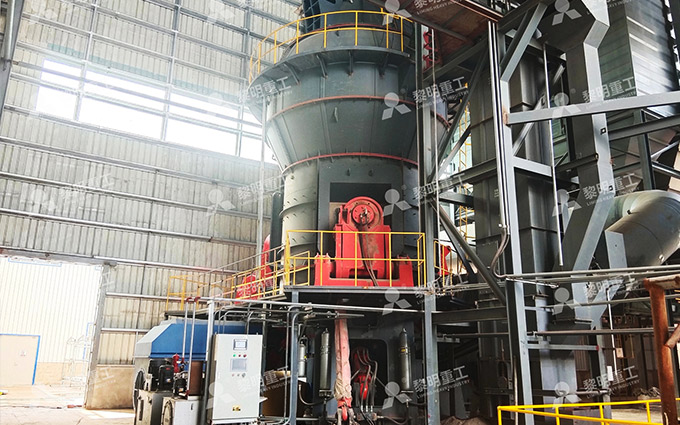
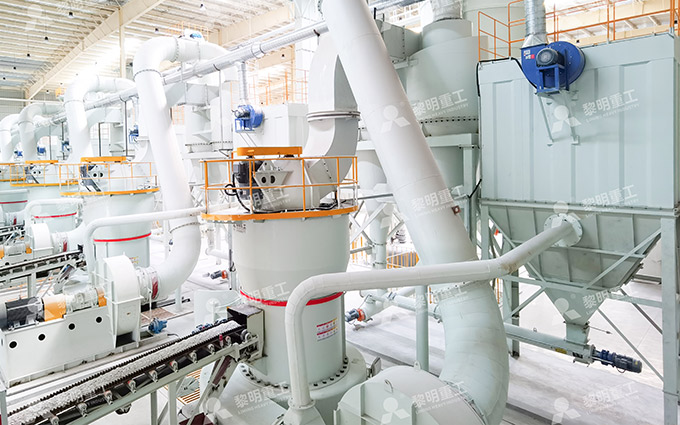
A complete limestone or dolomite powder line may include a feed hopper, conveying system, grinding mill, classification equipment, dust collector, finished-powder conveying system, and storage or packing equipment. The exact arrangement depends on the plant layout, production target, material characteristics, and required environmental controls.
Typical Process Flow for Agricultural Limestone and Dolomite Powder
Raw material preparation: Inspect the incoming limestone or dolomite and confirm its feed size, moisture content, and material properties. Crushing or pre-screening may be required if the feed exceeds the mill's permitted size.
Controlled feeding: Deliver the prepared material to the mill at a stable rate to support consistent grinding conditions.
Grinding and classification: Grind the material to the required fineness and separate particles according to the selected system configuration.
Dust collection: Collect fine powder from the process air stream using a suitable dust collection system.
Finished-product handling: Convey the powder to storage silos, bulk loading facilities, or packing equipment according to the sales and distribution requirements.
If the raw material contains excessive moisture, the need for drying should be evaluated before the production line is finalized. Drying requirements can affect equipment selection, energy consumption, and the overall plant layout.
MTW Grinding Mill Selection: What Should Be Evaluated?
Choosing a mill based only on a requested hourly capacity can lead to an unsuitable plant configuration. Limestone and dolomite from different deposits may have different grinding characteristics, so the equipment selection should consider the complete operating conditions.
| Selection factor | Information to confirm |
|---|---|
| Raw material | Limestone, dolomite, or a mixture; chemical and mineral composition where relevant |
| Feed conditions | Maximum feed size, moisture content, hardness, and abrasiveness |
| Required fineness | Target particle size or mesh range, including any product distribution requirements |
| Production capacity | Required finished powder output in tonnes per hour or tonnes per day |
| Plant operation | Available installation space, operating schedule, power supply, and material handling arrangements |
| Finished-product handling | Bulk storage, bagging, bulk loading, or direct supply to a downstream production process |
The MTW series has different model configurations. Actual capacity depends on the selected model, material properties, feed conditions, and final fineness. A technical assessment is recommended before confirming the equipment model and expected production rate.
MTW Grinding Mill or LM Vertical Grinding Mill?
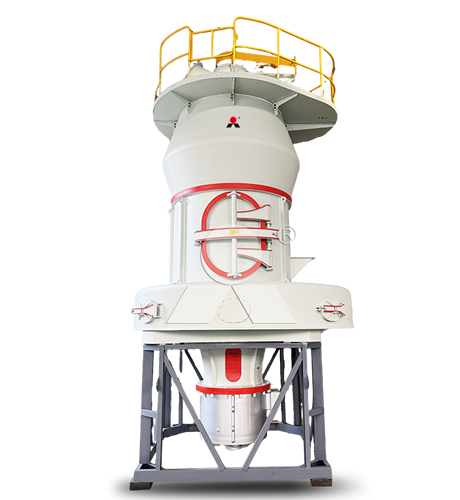
Both the MTW European Trapezium Grinding Mill and the LM Vertical Grinding Mill from Liming Heavy Industry can be considered for limestone and dolomite powder projects. They serve different plant requirements, so the decision should be based on the specific production conditions rather than model name alone.
MTW European Trapezium Grinding Mill: Worth evaluating for conventional non-metallic mineral powder production where the required fineness and capacity fit the selected model.
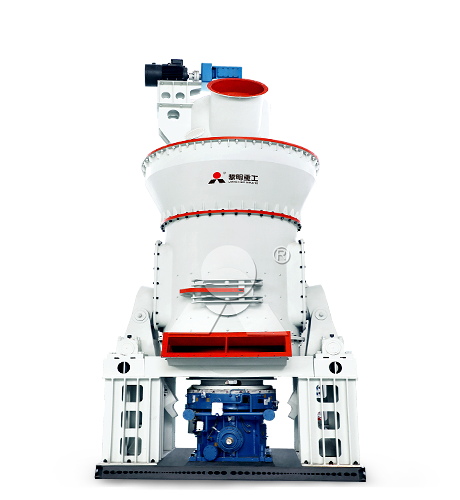
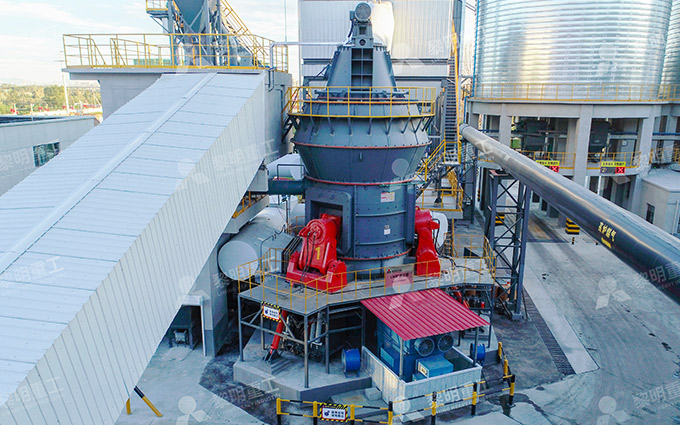
LM Vertical Grinding Mill: Worth evaluating for larger-scale projects where an integrated vertical grinding system may suit the required production capacity and plant arrangement.
For either option, the comparison should include finished-product specifications, achievable capacity, energy consumption under the intended operating conditions, maintenance access, wear-part requirements, and the space available for the complete production line.
Common Problems to Avoid in Agricultural Powder Production
Choosing equipment before defining the product
Without a clear fineness specification and production target, it is difficult to determine the appropriate mill and classifier configuration. Define the intended product and applicable agricultural requirements first.
Underestimating raw material variability
Changes in hardness, moisture, and abrasiveness can affect mill performance. Representative samples and reliable raw material data help make equipment selection more accurate.
Ignoring dust collection and finished-powder handling
The grinding mill is only one part of the plant. Dust collection, conveying, storage, and packing systems must be sized to work with the required production rate.
Focusing only on the purchase price
Long-term operating costs also depend on electricity consumption, wear parts, maintenance requirements, labor, and downtime. Evaluating the complete line can provide a more realistic basis for comparing solutions.
MTW Grinding Solutions from Liming Heavy Industry
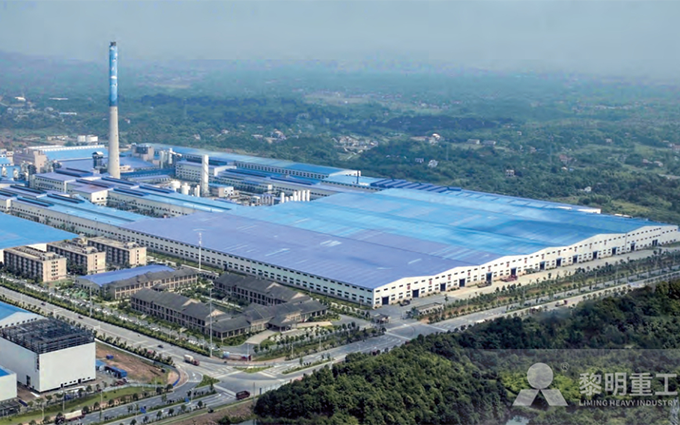
Liming Heavy Industry provides grinding equipment and mineral powder processing solutions for a range of non-metallic materials. For agricultural limestone and dolomite projects, the proposed system should be matched to the customer's raw material, finished-product requirements, capacity target, and site conditions.
To evaluate an MTW grinding solution, prepare the following information:
Raw material type: limestone, dolomite, or another mineral
Maximum feed size and approximate moisture content
Required finished-powder fineness
Target production capacity in tonnes per hour or tonnes per day
Intended application and finished-product specifications
Project location and whether the plant will be newly built or upgraded
With these details, the Liming Heavy Industry team can assess whether an MTW Grinding Mill is suitable or whether another grinding configuration would better match the project requirements.
Learn more about Liming Heavy Industry grinding equipment at Grinding Mill Products, or contact the team through the official website to discuss your agricultural limestone or dolomite powder production project.