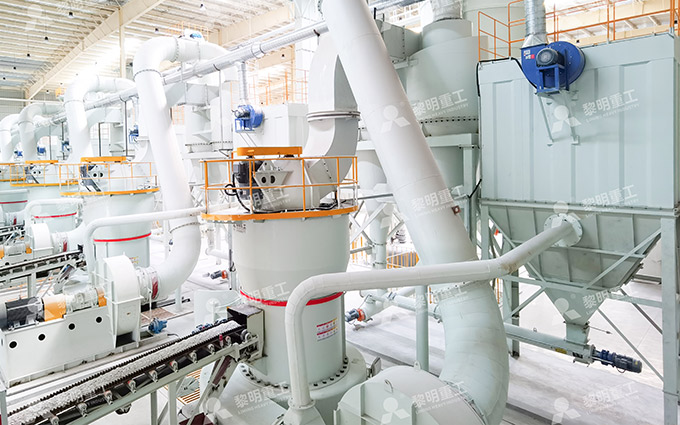
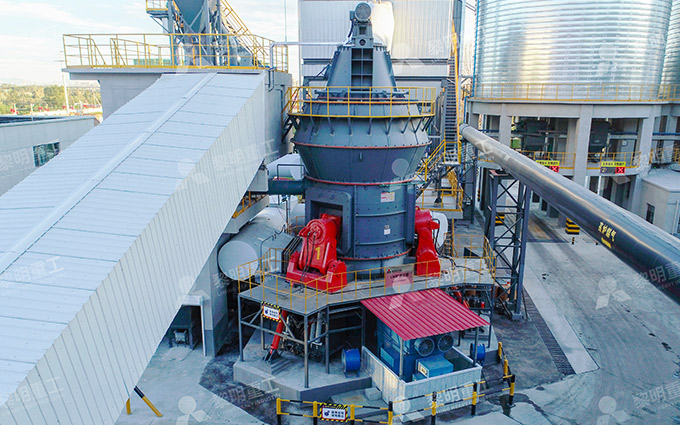
Agricultural Lime & Soil Amendment
Agricultural Lime Production Line: Process Flow and Equipment List
2026-10-14 14:15:55
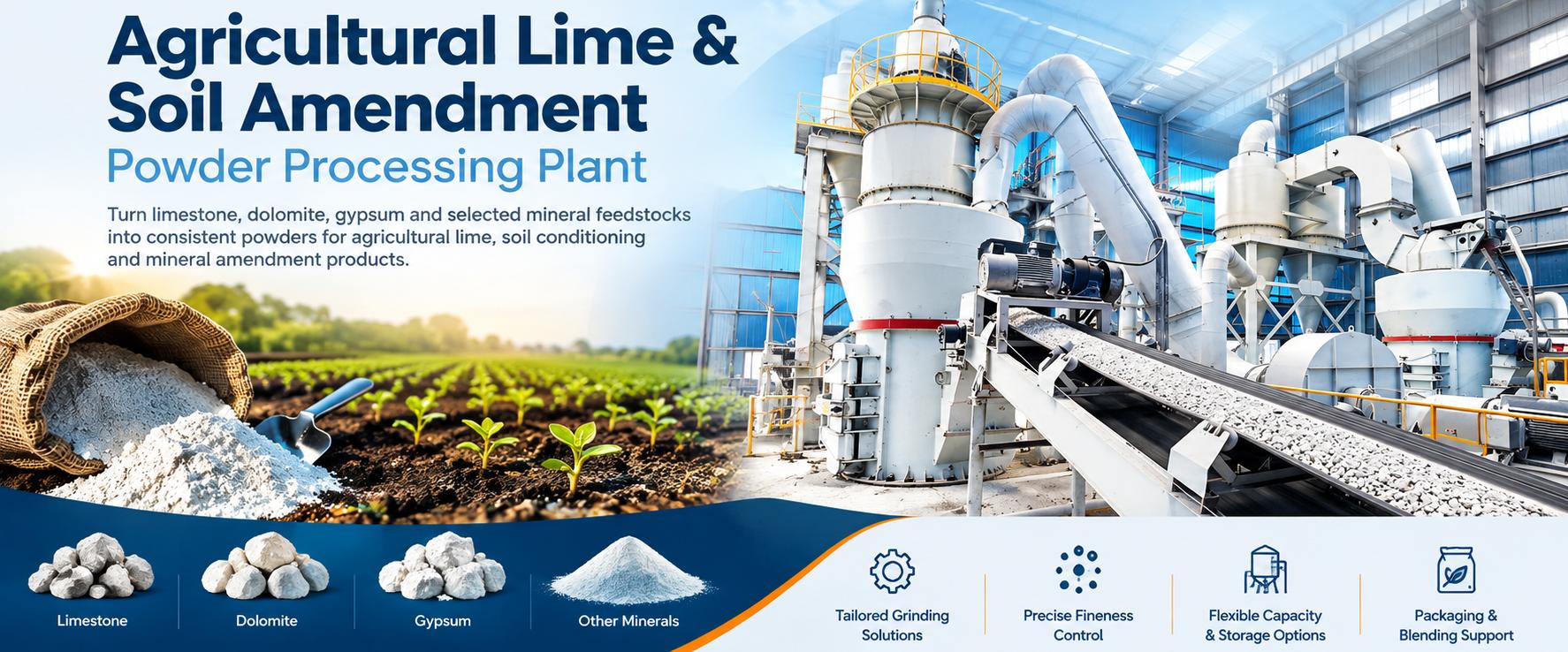
An agricultural lime production line converts limestone or dolomite into a powder or other specified product used for soil amendment. The right plant configuration depends on the raw material, required product fineness, production capacity, moisture content, and local agricultural requirements.
For producers planning a new facility or upgrading an existing plant, equipment selection should begin with the intended finished product. A grinding-only line for agricultural limestone powder is different from a lime manufacturing plant that includes high-temperature calcination. Understanding this distinction helps avoid unnecessary investment and ensures that the process meets the actual production target.
1. Define the Agricultural Lime Product First
The term agricultural lime can refer to different products, depending on regional usage and local standards. Before designing the production line, confirm which product the plant will manufacture.
Ground limestone: Limestone is crushed and ground into powder for agricultural applications. The process does not require calcination.
Ground dolomite: Dolomite is processed into powder where both calcium and magnesium are desired in the soil amendment product.
Quicklime: Limestone is heated in a kiln to produce calcium oxide. This requires a dedicated calcination system and appropriate handling and safety measures.
Hydrated lime: Quicklime reacts with water in a controlled hydration process to produce calcium hydroxide. This requires additional equipment beyond a conventional grinding line.
These products are not interchangeable. Ground limestone and dolomite are mineral powders, while quicklime and hydrated lime are chemically different materials with different processing and handling requirements. The following sections focus primarily on ground agricultural limestone and dolomite powder, with a separate overview of calcination where relevant.
2. Process Flow for Ground Agricultural Limestone
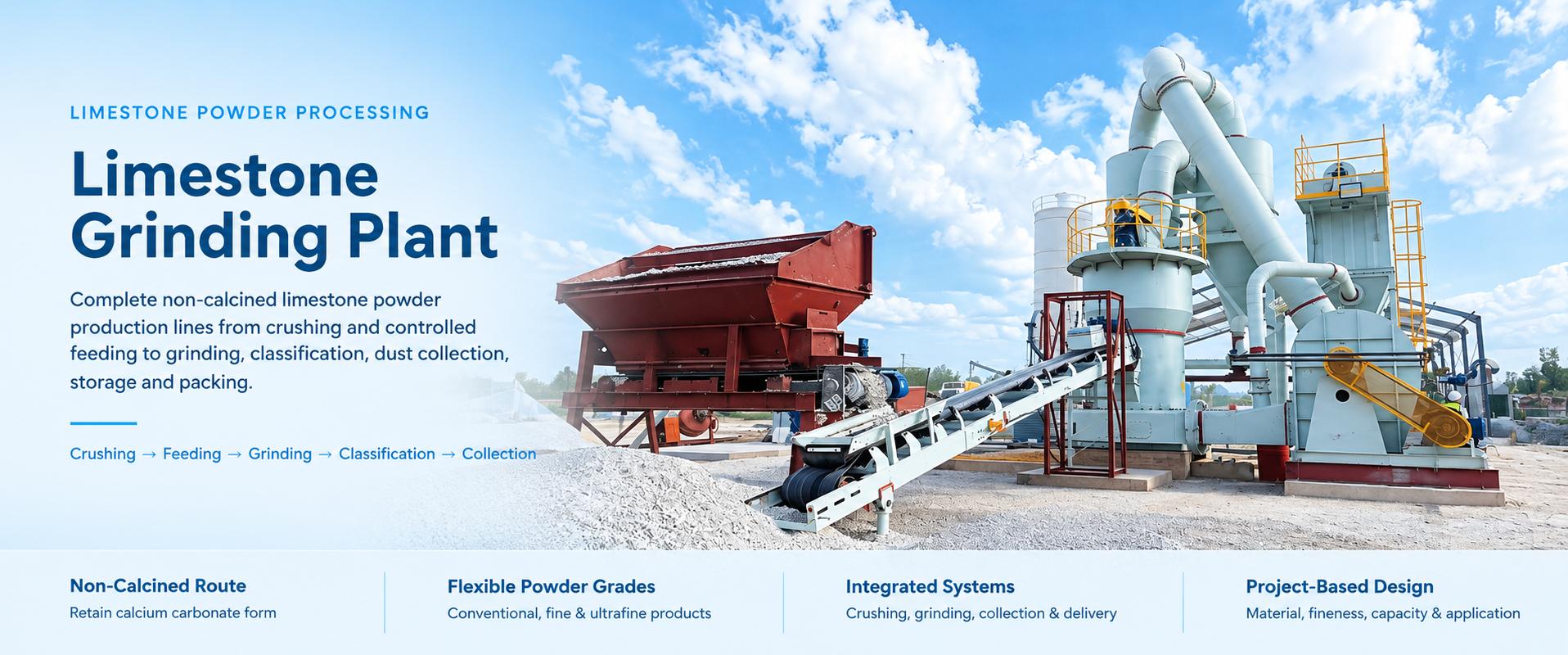
A typical limestone powder production line includes raw material preparation, grinding, classification, dust collection, finished-product storage, and packaging or bulk loading. The exact process flow depends on the incoming stone size and the final product specification.
Raw material receiving: Limestone is delivered to the plant and inspected for quality, size, moisture, and consistency.
Primary crushing: If the stone is too large for the selected grinding mill, a crusher reduces it to a suitable feed size.
Screening and conveying: Screens and conveyors help control material size and deliver the prepared feed to the grinding system.
Grinding: The limestone is ground to the target particle size using a suitable grinding mill.
Classification: The grinding system separates particles according to the required fineness. Oversized particles may return for further grinding, depending on the system design.
Dust collection: A suitable collection system captures fine powder from the process air stream and helps control dust emissions.
Finished-product storage: The powder is conveyed to a silo or other storage facility.
Packaging or dispatch: The final product is packed in bags, loaded in bulk, or transferred to a downstream process.
For a plant receiving appropriately sized limestone, a separate primary crushing stage may not be necessary. Conversely, large feed material or highly variable raw material may require additional crushing and screening equipment.
3. Main Equipment List for a Grinding-Only Production Line
The following equipment list provides a starting point for a ground limestone or dolomite powder plant. Final quantities, specifications, and model selections should be determined after the material and process requirements are confirmed.
| Equipment | Main function | Selection considerations |
|---|---|---|
| Feed hopper | Receives and buffers incoming material | Storage volume, loading method, and feed consistency |
| Crusher | Reduces oversized limestone or dolomite | Maximum feed size, required discharge size, hardness, and capacity |
| Vibrating screen | Separates material by size where screening is required | Feed rate, screen opening, and material characteristics |
| Belt conveyor or bucket elevator | Transfers raw material between process stages | Conveying distance, elevation, capacity, and layout |
| Grinding mill | Produces powder at the required fineness | Material grindability, feed size, fineness, and output target |
| Classifier | Controls finished-powder particle size | Required fineness and particle-size distribution |
| Dust collector and fan | Collects airborne powder and supports process airflow | Air volume, dust characteristics, pressure losses, and emission requirements |
| Finished-powder conveying system | Moves powder to storage or packing | Product characteristics, conveying distance, and throughput |
| Storage silo | Stores finished powder before dispatch | Required storage time, bulk density, and delivery schedule |
| Packaging machine or bulk-loading system | Prepares finished product for sale or further processing | Bag size, packing speed, or bulk transport method |
| Electrical control system | Coordinates equipment operation and monitoring | Automation level, interlocks, and plant operating requirements |
Not every plant requires all the equipment listed above. For example, a project that purchases pre-crushed limestone may not need an on-site crusher. A plant selling powder in bulk may not require a bagging machine, while a facility producing several grades may need additional storage and conveying arrangements.
4. Selecting a Grinding Mill for Agricultural Limestone
The grinding mill is a central part of the production line because it affects product fineness, output, energy consumption, and the layout of the auxiliary equipment. Liming Heavy Industry offers several grinding mill series for non-metallic mineral processing.
MTW European Trapezium Grinding Mill
The MTW series can be evaluated for conventional limestone and dolomite powder production when the required fineness and capacity match the selected model. It is an option for projects seeking an industrial grinding system for continuous powder production.
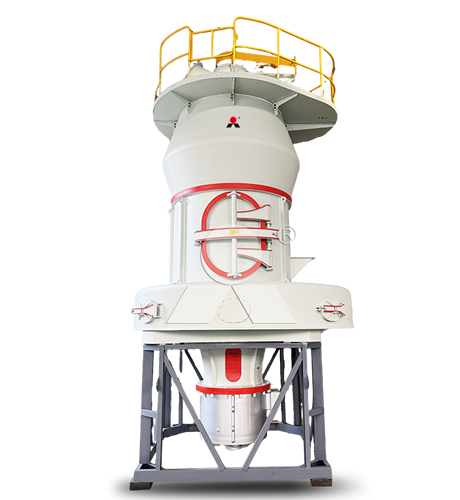
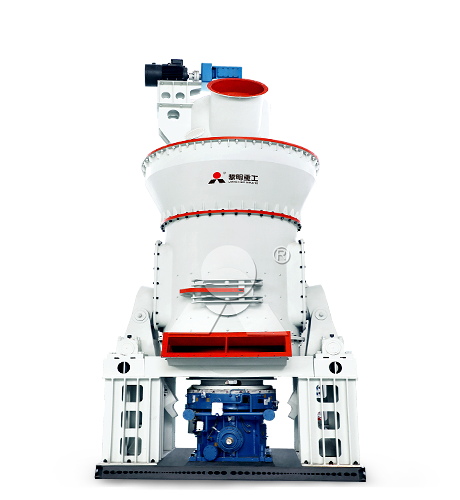
LM Vertical Grinding Mill
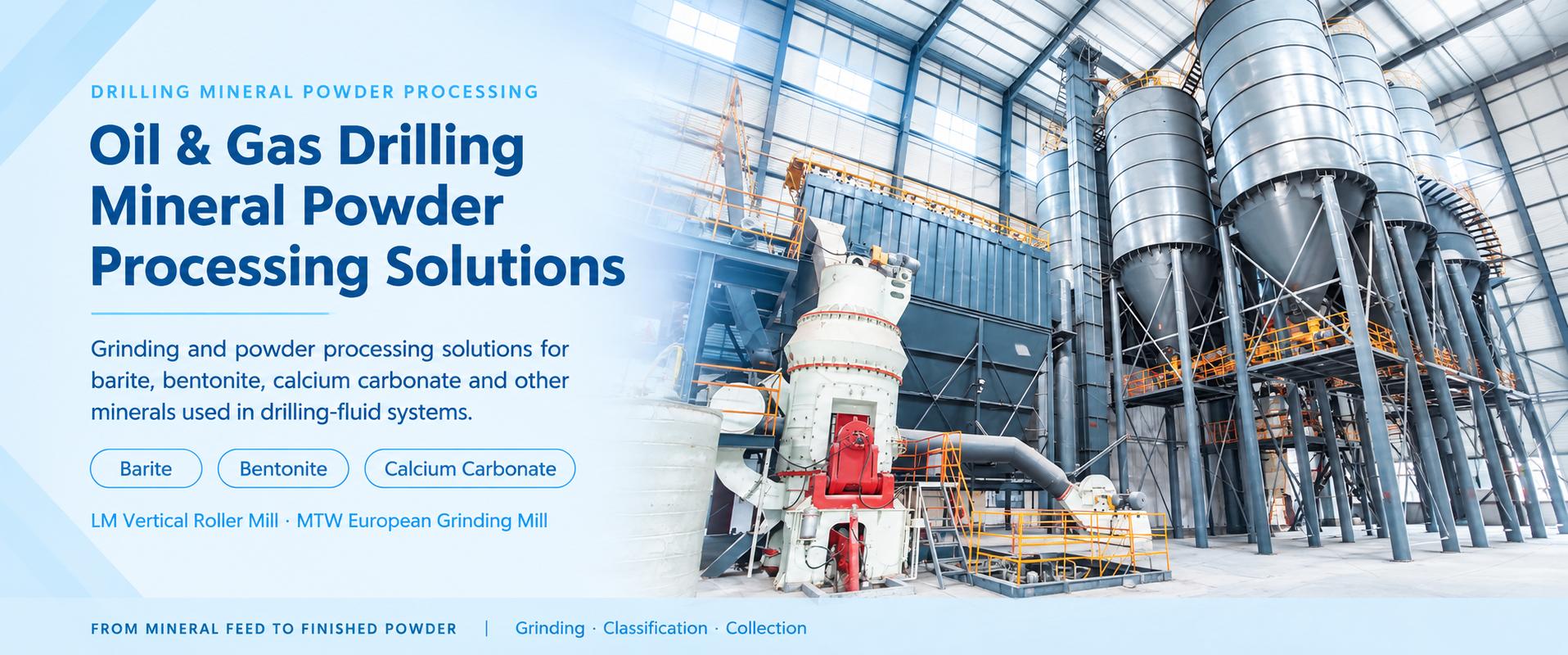
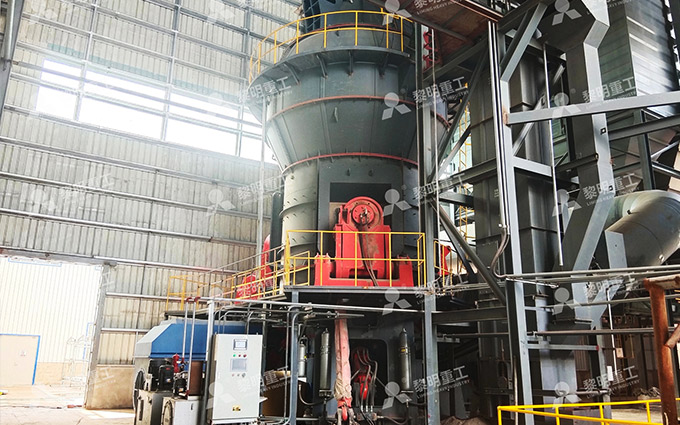
The LM series is worth considering for larger-scale powder plants where an integrated vertical grinding configuration may fit the required capacity and plant arrangement. Depending on the model and process design, the system can integrate grinding, classification, and drying functions where suitable.
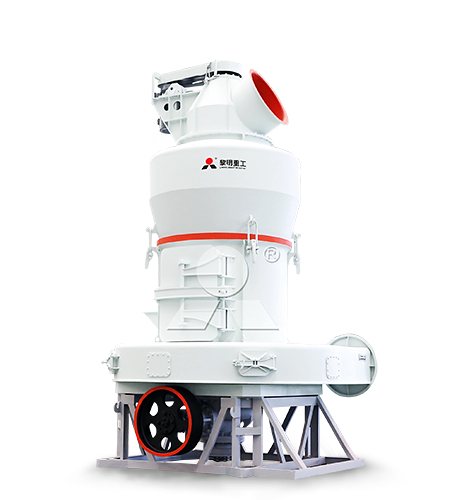
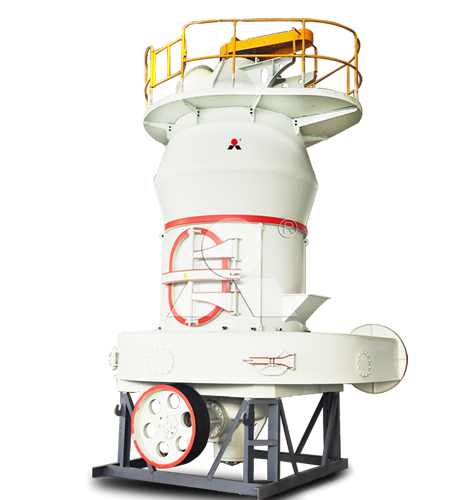
Raymond Grinding Mill
The Raymond series may be suitable for smaller-capacity powder production projects, subject to the material properties and required fineness. Its suitability should be confirmed against the target output and the characteristics of the feed material.
Equipment selection should not be based on nominal capacity alone. The same mill model may deliver different outputs when processing different materials or producing different fineness grades. A technical assessment using the customer's operating conditions is necessary before confirming the configuration.
5. When Is Drying Equipment Required?
Moisture content can affect feeding, grinding, classification, conveying, and finished-powder storage. Dry limestone may be processed without a separate drying stage, while wetter material may require drying or a grinding system designed to accommodate the specified moisture conditions.
Before adding a dryer, confirm the typical and maximum feed moisture, the required final product condition, the local climate, and the operating requirements of the selected mill. The drying method and heat source should be evaluated as part of the overall process design rather than selected independently.
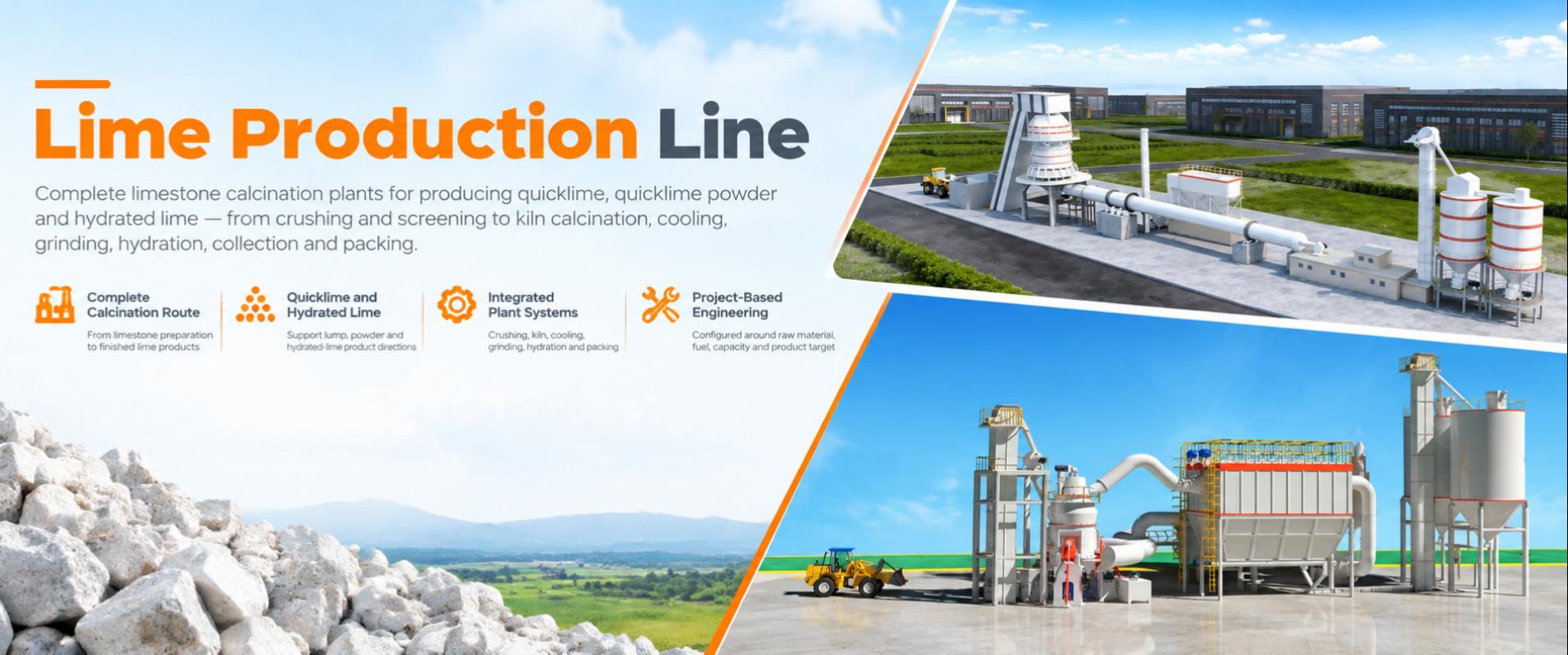
6. If the Project Requires Quicklime or Hydrated Lime
A quicklime production line is fundamentally different from a grinding-only agricultural limestone plant. Limestone must be heated in a suitable kiln to drive off carbon dioxide and produce calcium oxide. The process requires additional systems and careful control of operating conditions.
A typical quicklime production line may include:
Raw limestone receiving and screening
Crushing and sizing equipment, if required
A suitable lime kiln and fuel supply system
Combustion, process-air, and exhaust-gas handling equipment
Product cooling and conveying equipment
Dust collection and environmental protection systems
Quicklime storage and dispatch equipment
If hydrated lime is required, the process also needs a controlled hydration system, followed by any necessary classification, storage, and packaging stages. Quicklime and hydrated lime require appropriate precautions because of their chemical reactivity. Their production and handling systems should be designed for the intended product and applicable safety requirements.
Grinding equipment alone cannot replace a kiln or hydration system. The product definition must therefore be settled before equipment procurement begins.
7. How to Estimate the Right Production Line Capacity
Capacity planning should start with the quantity of finished product required by the market, not simply the nominal capacity of the grinding mill. Consider annual demand, operating days, daily working hours, seasonal fluctuations in agricultural demand, and the time needed for maintenance.
Also account for the fact that crushing, grinding, conveying, dust collection, storage, and packaging must work together. A packing machine that cannot handle the mill's output, for example, may cause the entire production line to slow down.
For an accurate equipment proposal, provide the required finished-product output in tonnes per hour or tonnes per day, along with the target fineness and raw material details. These inputs help determine a suitable mill model and the capacity of the auxiliary equipment.
8. Common Design Mistakes to Avoid
Confusing grinding with calcination: Ground limestone is not the same product as quicklime. Confirm the required product before selecting equipment.
Ignoring raw material conditions: Feed size, moisture, hardness, and abrasiveness all influence the production line design.
Choosing a mill only by its advertised output: Actual performance depends on material properties, target fineness, and operating conditions.
Undersizing auxiliary equipment: Conveyors, dust collectors, silos, and packing machines must be matched to the production target.
Leaving out plant layout and maintenance access: Equipment placement should allow safe operation, inspection, and replacement of wear parts.
Failing to define product quality requirements: Particle size, chemical composition, moisture, and applicable local standards should be considered before finalizing the process.
9. Plan Your Agricultural Lime Production Line with Liming Heavy Industry
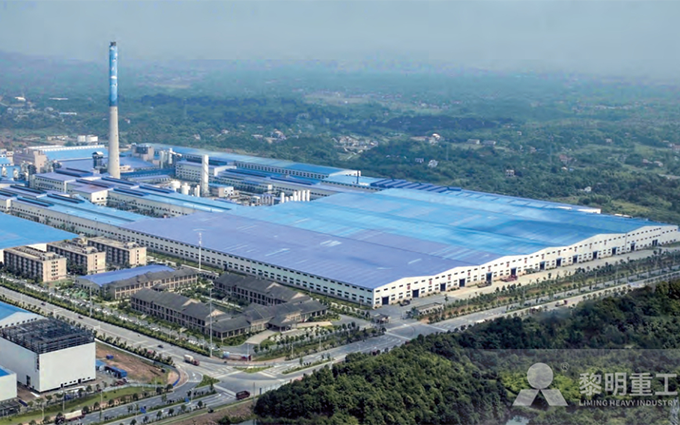
Liming Heavy Industry provides grinding equipment and mineral powder processing solutions for limestone, dolomite, and other non-metallic materials. The appropriate production line depends on whether the project requires ground mineral powder, quicklime, or hydrated lime, as well as the desired output and plant conditions.
To support an initial technical evaluation, prepare the following project information:
Product type: ground limestone, dolomite powder, quicklime, or hydrated lime
Raw material characteristics and maximum feed size
Required finished-product fineness and quality specifications
Target production capacity in tonnes per hour or tonnes per day
Feed moisture and whether drying is required
Plant location, available space, and existing equipment, if any
Finished-product packaging and delivery requirements
With this information, the Liming Heavy Industry team can evaluate the process requirements and recommend a suitable equipment configuration. For grinding-only projects, explore the available options on the Liming Heavy Industry product page or contact the team through the official website to discuss your agricultural limestone or dolomite powder production line.