Agricultural Lime & Soil Amendment
Calcium Carbonate Equivalent (CCE) and ECCE in Agricultural Lime Production
2026-10-14 14:04:47
Producing high-quality agricultural lime requires more than crushing limestone into powder. Farmers and agricultural distributors need products that can effectively neutralize soil acidity, while manufacturers must maintain consistent chemical composition, particle size, and production efficiency. Two important indicators used to evaluate agricultural lime are Calcium Carbonate Equivalent (CCE) and Effective Calcium Carbonate Equivalent (ECCE).
Understanding these indicators helps agricultural lime producers select suitable raw materials, establish product specifications, and determine the appropriate grinding process. It also explains why two limestone powders with similar appearances may deliver different results when applied to acidic soils.
What Is Calcium Carbonate Equivalent (CCE)?
Calcium Carbonate Equivalent, commonly abbreviated as CCE, measures the acid-neutralizing capacity of a liming material relative to pure calcium carbonate. It is generally expressed as a percentage.
Pure calcium carbonate is used as the reference material. Limestone products containing a high proportion of reactive calcium carbonate often have a high CCE value, although the actual result also depends on the mineral composition and the test method used.
Dolomitic limestone contains both calcium and magnesium carbonates. Depending on its composition, it can also provide effective soil acidity neutralization while supplying magnesium. Other mineral components may contribute differently to the product's overall neutralizing capacity.
For agricultural lime manufacturers, CCE is useful when comparing potential raw materials and establishing the chemical specifications of finished products. However, it does not fully describe how quickly the material will react after application.
What Is Effective Calcium Carbonate Equivalent (ECCE)?
Effective Calcium Carbonate Equivalent, or ECCE, provides a broader indication of the practical effectiveness of agricultural lime. It considers the material's neutralizing capacity together with the effect of particle size on its ability to react in soil.
Finer particles generally react more rapidly because they provide a larger surface area for contact with the soil environment. Coarser particles tend to react more slowly, even when their chemical composition is similar.
ECCE is therefore useful when evaluating how effectively a liming product may perform under specified assessment conditions. The exact calculation and particle-size weighting system can vary according to regional standards and testing procedures, so manufacturers should follow the requirements of their intended market.
In practical terms, CCE focuses on neutralizing capacity relative to calcium carbonate, while ECCE also reflects the contribution of particle fineness to the product's effectiveness.
Why CCE and ECCE Matter to Agricultural Lime Manufacturers
These two indicators serve different purposes in production planning and quality control.
Raw Material Selection
Before investing in a grinding plant, manufacturers should analyze the chemical composition of the limestone deposit. Raw materials with suitable carbonate content and consistent mineral characteristics provide a more reliable basis for producing agricultural lime with stable specifications.
Laboratory testing can help determine whether a deposit is appropriate for standard agricultural limestone, dolomitic lime, or a product with more specific chemical requirements. Variations between different sections of a quarry should also be considered when planning long-term production.
Product Quality Control
A high CCE value does not automatically mean that a product will react quickly in soil. If the powder contains too many coarse particles, its practical effectiveness may be lower than expected.
Conversely, grinding a material more finely cannot compensate for an unsuitable chemical composition. Manufacturers should therefore monitor chemical quality and particle-size distribution as separate but complementary aspects of production.
Meeting Customer and Market Specifications
Agricultural lime requirements vary between countries, distributors, and end users. Some markets emphasize neutralizing value, while others specify minimum fineness, particle-size distribution, or a combined effectiveness rating.
Before producing a new grade, manufacturers should confirm the applicable local standards and customer acceptance criteria. This avoids unnecessary processing and helps ensure that the finished product meets its intended agricultural requirements.
How Grinding Fineness Influences ECCE
Grinding is one of the main process stages affecting the particle-size distribution of agricultural lime. The objective is to produce a controlled range of particle sizes that meets the product specification without consuming more energy than necessary.
When limestone is ground to a finer particle size, the resulting powder generally offers greater surface contact with the soil. This can improve the rate at which the material reacts, provided that the mineral composition and application conditions are suitable.
However, excessive grinding may increase electricity consumption, reduce overall throughput, and raise production costs. A product intended for ordinary agricultural use may not benefit economically from the same fineness required by a specialized mineral powder application.
For this reason, manufacturers should establish the required fineness from the intended ECCE target and applicable testing standard rather than selecting the finest available grinding setting by default.
Choosing the Right Grinding Mill for Agricultural Lime
The grinding equipment should be selected according to the limestone's feed size, hardness, moisture content, required product fineness, and hourly production capacity. The objective is to achieve the specified particle-size distribution consistently while maintaining efficient operation.
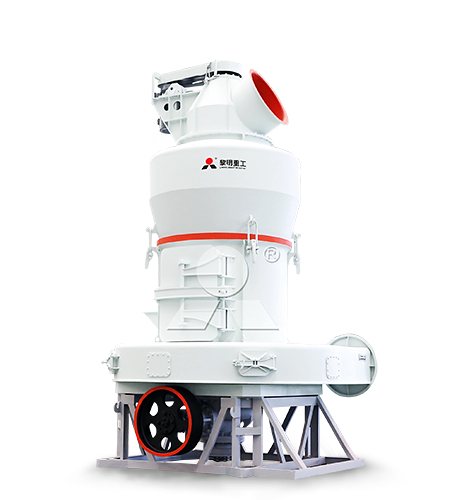
Raymond Mill for Conventional Limestone Powder
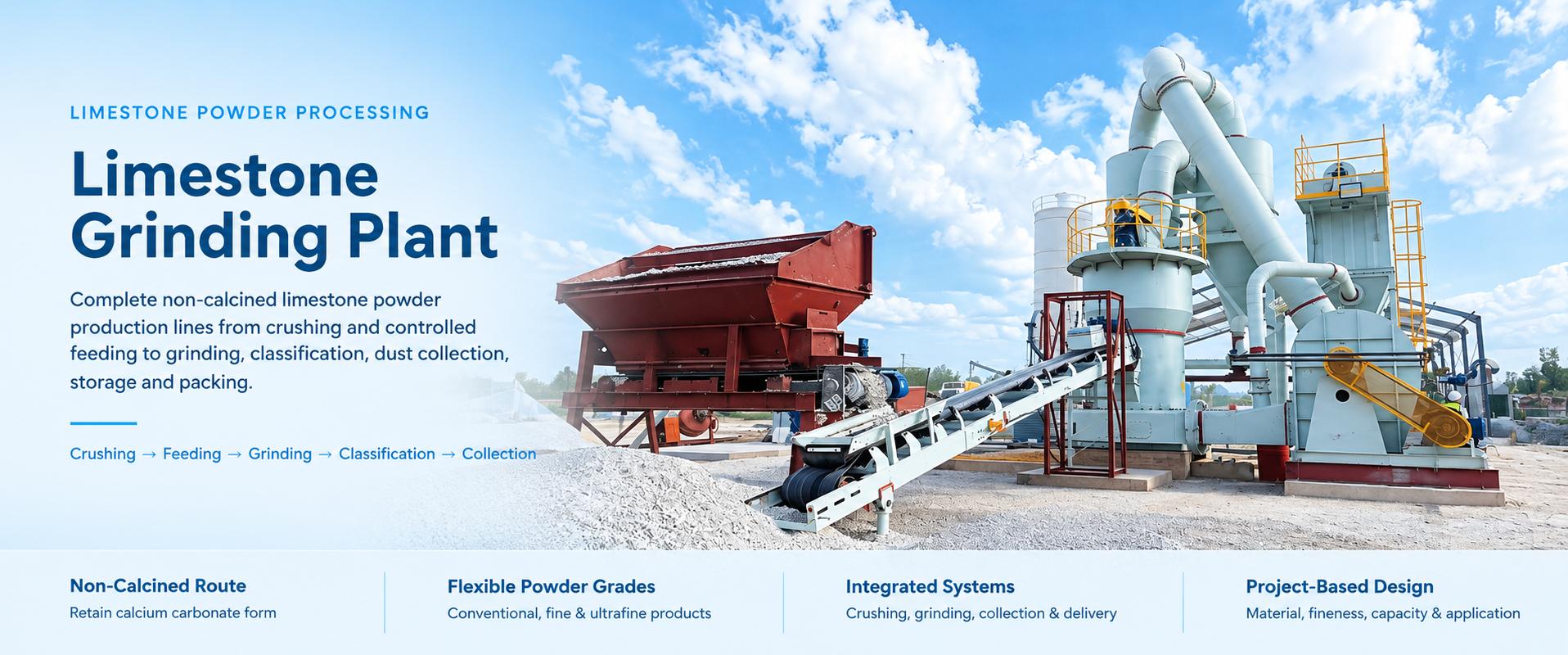
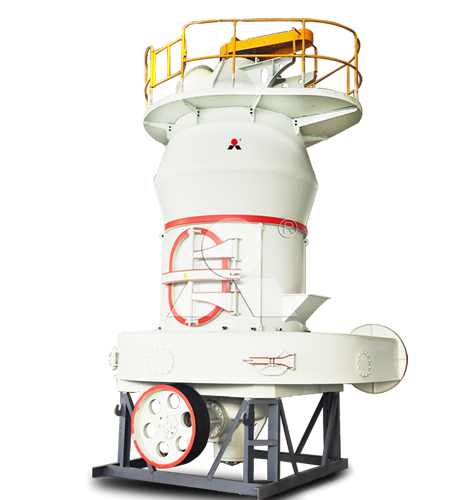
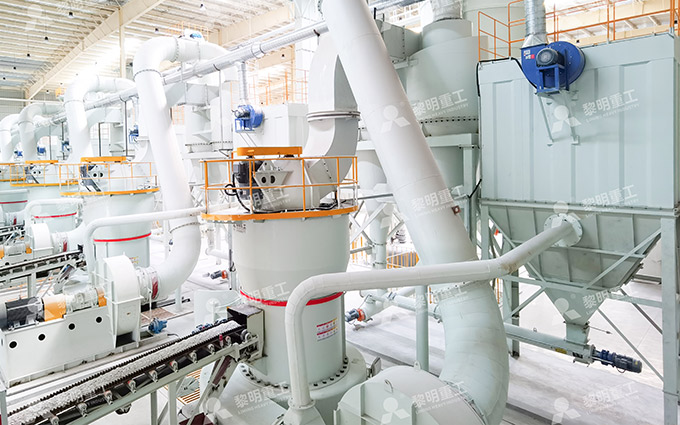
The Raymond Mill from Liming Heavy Industry can be evaluated for agricultural lime projects requiring conventional limestone powder fineness. It is worth considering for producers whose product specifications and production volumes are compatible with the capabilities of the selected model.
MTW Series Trapezium Mill for Continuous Production
The MTW Series Trapezium Mill is another option from Liming Heavy Industry for limestone grinding applications requiring controlled fineness and stable production. Model selection should take into account the target output, feed particle size, and finished-product specifications.
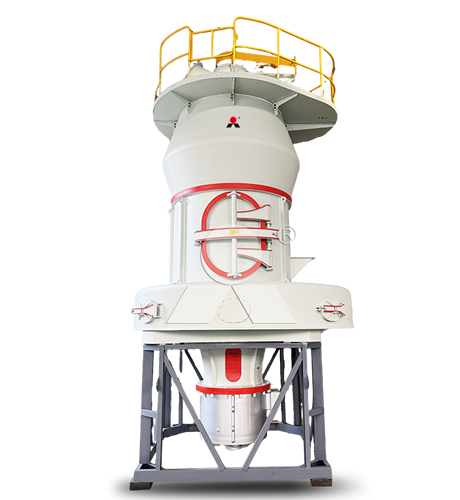
LM Vertical Grinding Mill for Larger Production Lines
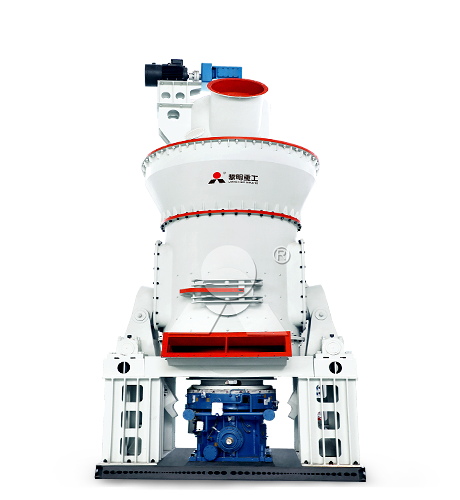
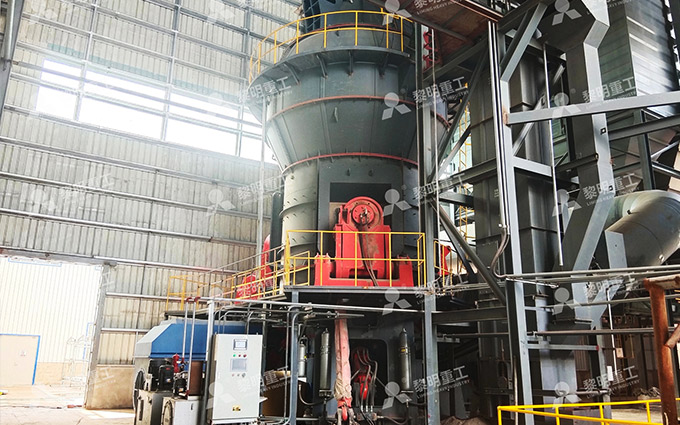
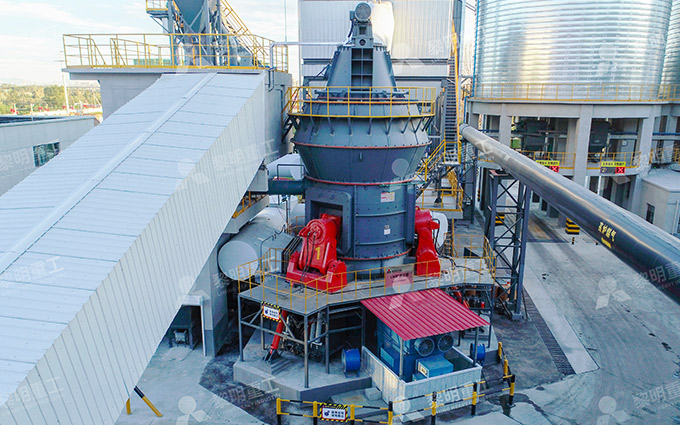
For projects requiring a higher-capacity mineral powder processing system, the LM Vertical Grinding Mill from Liming Heavy Industry may be suitable for evaluation. Its final configuration should be determined by the properties of the raw limestone and the required production performance.
A complete agricultural lime processing line may also include feeding, conveying, powder classification, dust collection, and storage equipment. Proper integration helps maintain consistent particle-size distribution and supports stable finished-product quality.
Practical Quality Control from Quarry to Finished Powder
Reliable agricultural lime production begins with representative raw material sampling. Chemical analysis helps establish the baseline CCE, while particle-size testing evaluates whether the grinding process is producing the required distribution.
Manufacturers should pay attention to several control points throughout the production process:
Incoming limestone: Check carbonate composition, moisture, feed size, and variations between raw material batches.
Grinding performance: Monitor feed rate, operating stability, and the consistency of the grinding process.
Finished powder: Test chemical properties and particle-size distribution against the required specifications.
Storage and handling: Protect the finished product from excessive moisture and contamination.
Product verification: Use the applicable laboratory methods to confirm CCE, ECCE, and other required quality indicators.
Testing procedures should follow the relevant national or regional standard. This is particularly important when products are supplied to multiple markets with different requirements for particle-size classification and effectiveness assessment.
Building an Agricultural Lime Production Line Around Product Requirements
The most suitable production process depends on the product the manufacturer intends to sell. A plant producing general-purpose agricultural limestone may require a different grinding configuration from one supplying finely ground products with stricter particle-size specifications.
Before equipment selection, manufacturers should define the target CCE, required ECCE or other effectiveness rating, finished particle-size distribution, feed size, raw material moisture, and production capacity. These parameters provide a practical basis for comparing equipment options and estimating operating requirements.
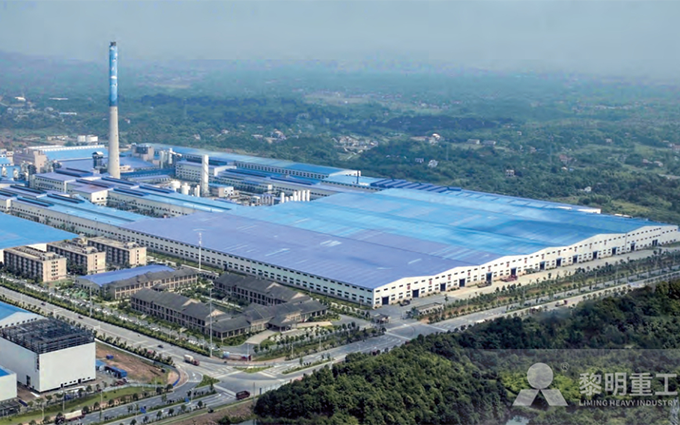
Liming Heavy Industry offers Raymond, MTW, and LM grinding mill solutions for different limestone processing requirements. Based on the raw material characteristics and finished-product targets, the appropriate grinding system can be evaluated for the intended agricultural lime application.
By combining reliable raw material analysis, controlled grinding, and consistent quality testing, agricultural lime producers can manufacture products that meet market specifications while balancing reactivity, throughput, and production costs.